
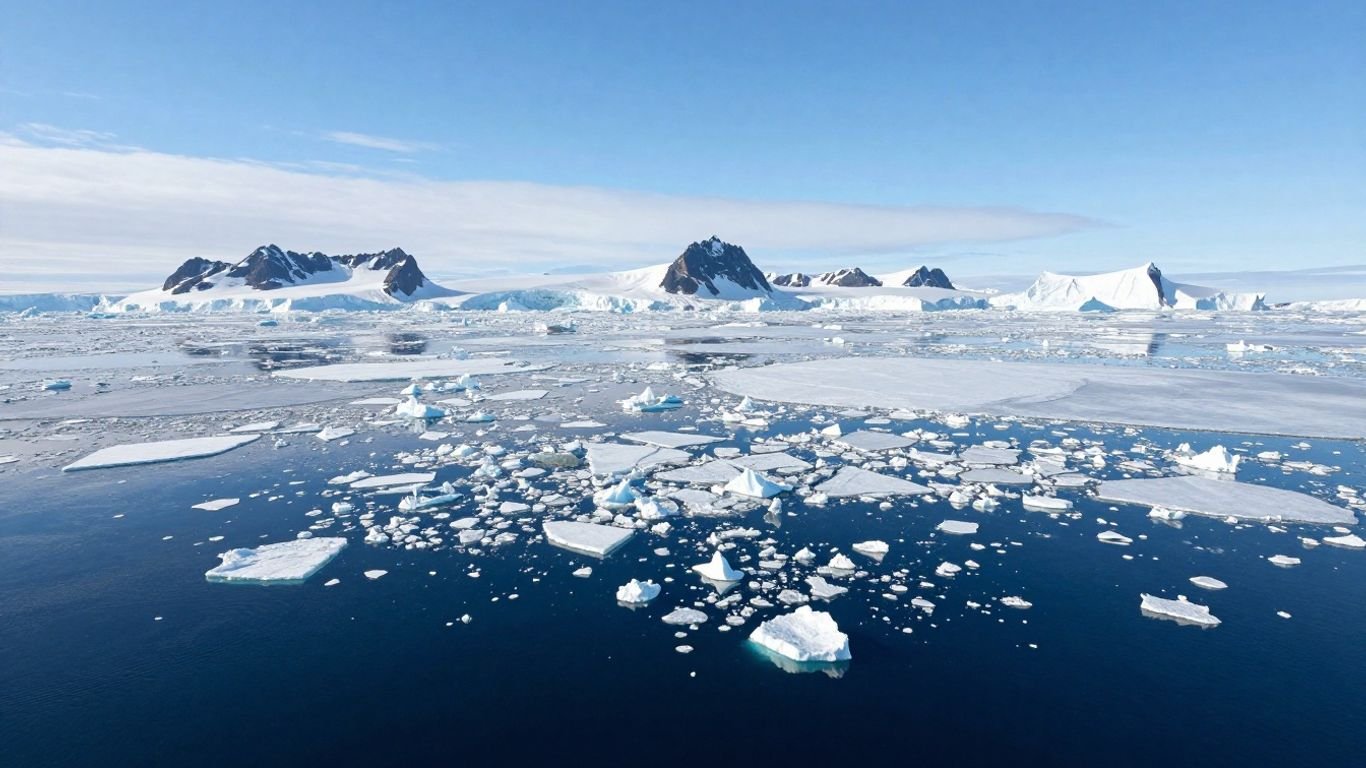
Possible Refueling Ports Around The Arctic Ocean
So, the Arctic. It’s getting a lot of attention lately, right? With all the ice melting, new shipping routes are opening up, like the North Passage. This means ships might need places to refuel and rest along the way. Countries around the Arctic are thinking about this, and so are we. It’s a big deal for trade, for moving stuff around, and even for national security. But it’s not exactly easy. Think ice, huge distances, and not a lot of infrastructure. Let’s break down what’s happening with potential refueling spots up there.
Key Takeaways
- Russia is way ahead in the Arctic with lots of ports and icebreakers, giving them a big advantage in the North Passage.
- The US needs more ice-hardened ships and strategic ports in the Arctic, as current facilities are far away and limited.
- Canada’s Nanisivik naval facility project has faced major delays and scope reductions, impacting its usefulness.
- Norway and Iceland are well-positioned with existing ports that can support Arctic operations and trade.
- Greenland has geographic potential as an Arctic hub, but developing infrastructure there comes with environmental and geopolitical considerations.
- Alaska faces challenges with distance and limited port facilities, though places like Nome are being looked at for improvement.
- Operating in the Arctic is tough due to unpredictable weather, ice, and seasonal limits, making reliable refueling a big hurdle.
- As the North Passage becomes more viable, there’s a growing need for refueling stations, but balancing economic gains with environmental risks and indigenous rights is key.
Securing America’s Arctic Advantage
The Growing Importance Of The North Passage
The Arctic is no longer just a frozen wasteland; it’s rapidly becoming a critical zone for global interests. As the ice melts, new shipping routes like the North Passage are opening up, offering shorter transit times for goods. This shift means more ships, more activity, and frankly, more competition in a region that’s becoming increasingly important for energy and trade. We can’t afford to be caught flat-footed. America needs to step up and secure its position in this changing landscape before others do.
Strategic Gaps In U.S. Arctic Infrastructure
Right now, when you look at our capabilities in the Arctic, there are some serious holes. We’re talking about a lack of ports that can actually handle large naval vessels, especially those needing repairs or refueling. The closest decent facilities are a thousand miles or more from the actual Arctic waters. It’s like trying to fight a fire with a garden hose when you need a fire truck. We need real infrastructure, not just wishful thinking.
Russia’s Dominance In Arctic Ports And Icebreakers
Let’s be blunt: Russia is way ahead of us in the Arctic. They’ve got a whole network of ports and a massive fleet of icebreakers – we’re talking dozens. They’ve been rebuilding and modernizing Soviet-era bases, making their presence felt. It’s a strategic advantage that we simply don’t match. They’ve got the ships, they’ve got the ports, and they’re using them.
The Need For Ice-Hardened Naval Capabilities
Our Navy says they don’t need ice-hardened ships for Arctic operations, which is a bit concerning. While submarines can operate under the ice, the whole point of showing presence, like with Freedom of Navigation Operations (FONOPS), is to be seen. We need vessels that can actually handle the ice, not just skirt around it. This isn’t about hypothetical scenarios; it’s about being ready for what’s happening now.
Assessing Arctic Infrastructure Needs For Power Projection
The Pentagon is finally looking at what we need to project power in the Arctic. Studies are underway, like the one looking at Nome, Alaska, as a potential harbor for large ships. This is a good start, but it needs to translate into action. We need to identify and build the facilities that allow our military to operate effectively and respond to threats in the region.
The Pentagon’s Focus On Operational Flexibility
Operational flexibility is key. That means having the bases, the refueling points, and the support systems in place so our forces can move and act where they need to, when they need to. Right now, our options are limited by distance and a lack of facilities. We need to change that to maintain our advantage.
Bolstering U.S. Presence In The High North
Simply put, we need to be more present in the High North. This involves more than just occasional ship visits. It means investing in infrastructure, developing capabilities, and showing a consistent commitment to the region. The Arctic is a strategic frontier, and America must lead the way in securing it for our interests and our allies.
Russia’s Arctic Foothold: A Strategic Imperative
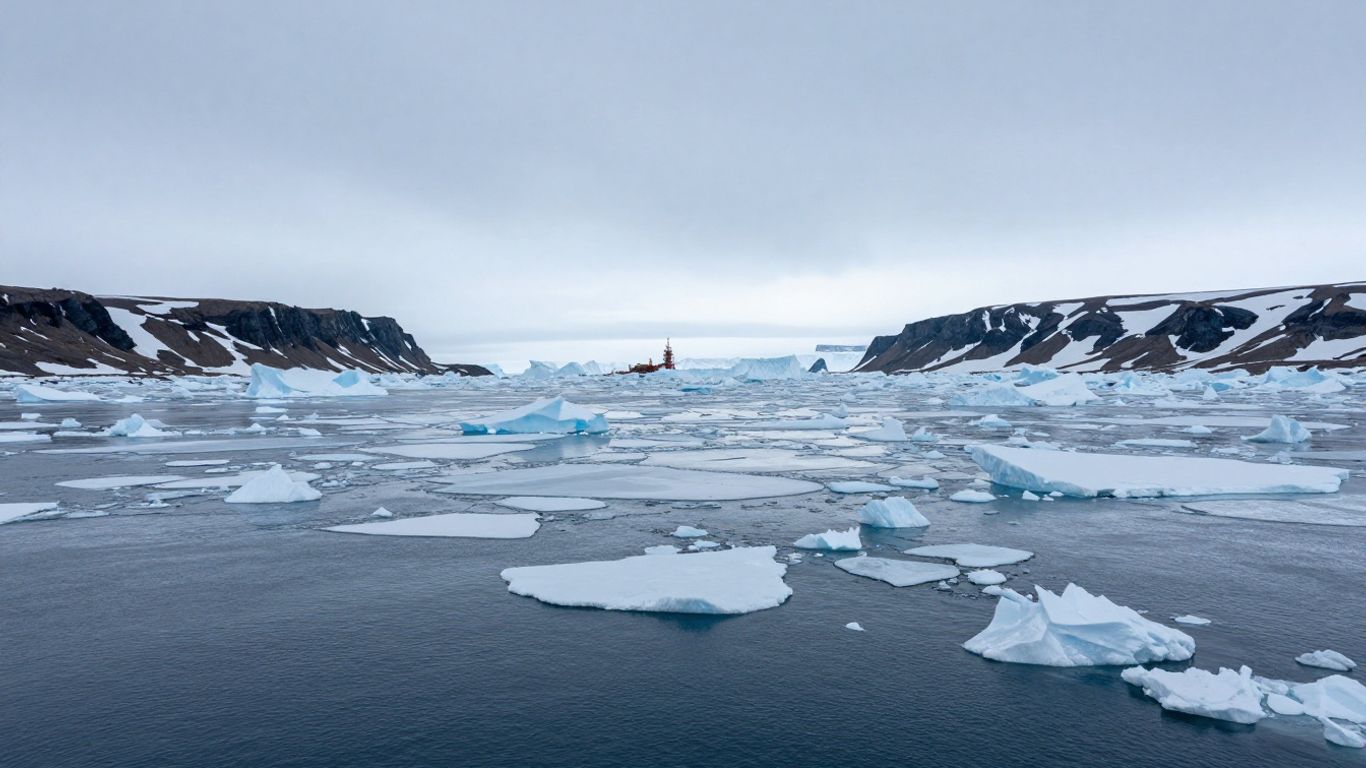
When you look at the Arctic, you can’t ignore what Russia’s been doing. They’ve really put their stamp on the region, building up a serious presence that frankly, we’ve been slow to match. It’s not just about having a few ships; it’s a whole system they’ve put in place.
Moscow’s Extensive Network Of Arctic Ports
Russia has been busy. They’ve got a whole string of ports along their northern coast, many of them modernized or even built from scratch. These aren’t just little fishing villages; they’re strategic points for military operations, resource extraction, and shipping. They’ve got close to two dozen ports that can support their activities, which is a massive advantage when you’re talking about operating in such a vast and challenging environment. Compare that to us, where the closest decent ports are a thousand miles or more away from the real Arctic action. It’s a stark difference in capability and readiness.
The Power Of Russia’s Icebreaker Fleet
And it’s not just ports. Russia understands that ice is the main game in the Arctic. They’ve got a huge fleet of icebreakers, something like 54 of them, including nuclear-powered ones. This fleet is key to keeping their Northern Sea Route open for longer periods and allowing their military and commercial vessels to operate year-round. We, on the other hand, are severely lacking in this area, with only a couple of aging icebreakers. It’s like showing up to a snowball fight with a water pistol.
Reopening And Modernizing Soviet-Era Bases
Russia hasn’t just built new stuff; they’ve also gone back to their Soviet-era bases. They’ve reopened and updated at least seven old military installations above the Arctic Circle. This shows a long-term commitment to the region and a smart use of existing infrastructure. It’s a practical approach to projecting power and maintaining a constant presence. Russia is actively enhancing its competitive position in the Arctic through a combination of military strategies, dual-use infrastructure development, and diplomatic engagement.
Strengthening The Northern Fleet’s Capabilities
All of this points to a strengthened Northern Fleet. They’ve modernized their naval bases and are clearly focused on making sure their forces can operate effectively in the harsh Arctic conditions. This includes everything from submarines to surface ships, all designed or adapted to handle the ice and the distances involved. It’s a comprehensive strategy to control their part of the Arctic.
Russia’s Assertiveness In The Arctic
What we’re seeing is a clear display of assertiveness. Russia isn’t shy about making its presence known and protecting what it considers its interests in the Arctic. This includes everything from military exercises to pushing for recognition of its claims over Arctic waters and resources. They’re playing the long game, and they’re playing it hard.
Securing Russian Interests In The North Passage
The North Passage, or Northern Sea Route as they call it, is a big deal for Russia. It’s a shorter shipping route between Europe and Asia, and they want to control it. By having the ports, the icebreakers, and the military bases, they’re in a prime position to do just that. It’s about economic benefits and strategic control.
Geopolitical Implications Of Russian Arctic Expansion
The implications of Russia’s Arctic expansion are significant for global geopolitics. It challenges the status quo and forces other nations, including the United States, to seriously consider their own Arctic strategies and capabilities. Ignoring Russia’s build-up in the North would be a grave mistake, leaving us vulnerable and behind in a region of increasing importance. It’s a wake-up call we can’t afford to sleep through.
Canada’s Delayed Arctic Ambitions
Canada’s plans for a significant presence in the Arctic seem to be stuck in the ice, much like many of the ships that might one day use its facilities. The big project, the Nanisivik Naval Facility up in Nunavut, has been talked about for ages, but actually getting it built and operational is proving to be a real headache. It was supposed to be a year-round base, a place for our Navy to refuel and operate, really showing we mean business up north. But, surprise, surprise, it’s been delayed. And delayed. And then delayed some more.
The Nanisivik Naval Facility: A Troubled Project
This whole Nanisivik thing started way back in 2007. The idea was to have a proper port, a place for ships to dock and get what they need, plus an airstrip. It was meant to be a big statement about Canadian sovereignty in the North Passage. But construction didn’t even kick off until 2015, and since then, it’s been one excuse after another.
We’ve heard about weather, wildlife, and even COVID-19 messing things up. Honestly, it sounds like a broken record at this point. The latest word is that they don’t even have a firm opening date anymore. It’s frustrating to see other countries, like Russia, making real moves in the Arctic while we’re still trying to get a basic facility off the ground.
Delays Plague Canadian Arctic Port Development
It’s not just Nanisivik, though. The whole process of developing Arctic ports in Canada seems to be moving at a snail’s pace. You’d think with the growing importance of Arctic shipping routes, we’d be prioritizing this stuff. But it feels like we’re always playing catch-up. The original plans for Nanisivik were scaled back quite a bit too, cutting out things like year-round staffing and a proper airstrip because the costs just kept climbing. Now, it’s basically just a summer-only operation with basic fuel storage. It’s hard to project strength when your main Arctic outpost can’t even handle winter.
Impact Of Weather And Wildlife On Construction
Sure, the Arctic is a tough place to build things. The weather can turn on a dime, and you’ve got icebergs and animals to worry about. Construction seasons are short, and getting materials up there is a whole operation in itself. We heard about a road washing out in 2021, which completely stopped work for a season. That’s a pretty big deal when you’re already behind schedule. It makes you wonder if we’re really prepared for the challenges of operating and building in such a demanding environment. It’s not like building a strip mall back home.
COVID-19 Disruptions To Arctic Infrastructure
COVID-19 definitely threw a wrench into a lot of projects, and Nanisivik was no exception. Travel restrictions and health rules meant that work was either stopped or severely limited for a few years. While understandable, it just added to the already long list of delays. It highlights how vulnerable these remote projects are to outside disruptions. We need infrastructure that can withstand more than just a pandemic.
Road Washouts Hamper Access To Nanisivik
Speaking of disruptions, that road washout in 2021 was a major setback. The main route to the facility was destroyed, and heavy vehicles couldn’t get through. This meant the entire construction season was a bust. It’s a stark reminder of how dependent these remote sites are on basic infrastructure, like roads, that we often take for granted elsewhere. Fixing that problem took time, and it just pushed the opening date back even further.
Reduced Scope Of The Nanisivik Facility
As mentioned, the Nanisivik facility isn’t what it was originally planned to be. The airstrip was cut, and the idea of year-round operations was scrapped. What we’re getting is a much smaller, summer-focused facility. It’s better than nothing, I suppose, but it doesn’t exactly scream “major Arctic power.” It feels like a compromise that doesn’t fully meet the strategic needs of protecting our interests in the North Passage. We need more than just a summer refueling stop.
Protecting Canadian Sovereignty In The North Passage
Ultimately, all this talk about Arctic ports is about sovereignty. It’s about being present, being able to operate, and showing that Canada is serious about its northern territories. When projects like Nanisivik are constantly delayed and scaled back, it weakens our position. It makes it harder to assert our claims and protect our interests in a region that’s becoming increasingly important. We need to get serious about Arctic infrastructure if we want to maintain our standing up there. It’s a matter of national security, and frankly, we’re falling behind. The U.S. is warning China about a slowdown in repatriating undocumented Chinese nationals, showing how other nations are focused on border and national interests.
Norway’s Northern Gateway
Norway’s position in the Arctic is pretty interesting, especially when you look at its ports. They’re not just sitting there; they’re actually pretty important for keeping things moving up north. Think about all the shipping and energy work happening in the Barents Sea – these ports are key to making that happen.
Strategic Importance Of Norwegian Arctic Ports
Norway has a long coastline, and its northern ports are becoming more significant as the Arctic opens up. These aren’t just small fishing villages anymore; they’re becoming vital hubs. Having reliable ports in this region is a big deal for national security and economic interests. It means we can keep an eye on things and support operations without relying too much on others.
Supporting Shipping And Energy Operations
When ships are moving through the Arctic, whether it’s for trade or for oil and gas exploration, they need places to stop. Norway’s ports can provide that. They offer places to refuel, resupply, and get repairs done. This is especially true for the energy sector, which is a huge part of Norway’s economy. Having these facilities means that energy companies can operate more smoothly and safely in a challenging environment.
Naval Presence In The Barents Sea
Keeping a naval presence in the Barents Sea is important for Norway. It’s about showing that they are there and that they can respond if needed. These northern ports help make that possible by giving naval vessels a place to operate from. It’s not just about having ships; it’s about having the infrastructure to support them.
Infrastructure For Arctic Trade Routes
As new Arctic trade routes become more viable, the infrastructure to support them needs to be in place. Norway’s ports are part of that. They can handle larger vessels and provide the services needed for international shipping. This helps Norway stay connected to global trade and benefits from the increased activity in the region.
Cooperation With Allies In The North
Norway isn’t doing this alone. They work with allies, and their northern ports can play a role in that cooperation. When NATO allies need to operate in the Arctic, Norwegian ports can be a valuable asset. This kind of collaboration is important for regional stability and security. It means we can pool resources and share responsibilities.
Challenges Of Operating In Arctic Waters
Operating in the Arctic isn’t easy. The weather can be brutal, and the ice is always a factor. These conditions make it tough for ships and for maintaining port facilities. Norway has to deal with these challenges constantly. It requires specialized equipment and a lot of planning to keep operations running smoothly.
Ensuring Access To The North Passage
Ultimately, Norway’s northern ports are about ensuring access and presence in the High North. As the North Passage becomes more important, having strong infrastructure in place is key. It allows Norway to protect its interests and participate fully in the developing Arctic landscape. It’s about being ready for whatever the future holds in this strategic region.
Greenland’s Potential As An Arctic Hub
Greenland. It’s a massive island, mostly covered in ice, and for a long time, it felt pretty remote. But things are changing up there, fast. With the Arctic opening up, Greenland is suddenly looking like a pretty important spot. Think about it: it’s right there, smack dab in the middle of potential new shipping routes. This isn’t just about ice melting; it’s about a strategic shift in global trade and military positioning.
Geographic Advantages For Arctic Shipping
Greenland’s location is a real game-changer. It sits in a prime spot for ships looking to cut down on travel time between Europe and North America, especially as the North Passage becomes more viable. It’s like a natural waypoint. This island could become a critical stop for vessels needing to refuel or resupply. Imagine cargo ships, or even naval assets, needing a place to top off their tanks or make minor repairs without having to go way out of their way. It’s about making these new routes practical, not just theoretical.
Developing Port Infrastructure In Greenland
Of course, having a good location means nothing if you can’t actually use it. Greenland needs serious investment in its ports. We’re talking about facilities that can handle larger ships, provide fuel, and offer basic services. It’s not a small undertaking, given the harsh environment. Building and maintaining infrastructure in the Arctic is tough, no doubt about it. But the potential payoff is huge. It’s about creating the physical backbone for increased Arctic activity. This is where places like Kangerlussuaq, which used to host a U.S. military base, are being looked at again, not for troops, but for massive data centers. It shows how the island’s utility is being re-evaluated for the modern age.
U.S. Interest In Greenlandic Ports
The United States has definitely taken notice. Having access to Greenlandic ports would be a massive strategic win. It means better reach for American interests in the High North and a way to counter the growing influence of others in the region. It’s about projecting power and securing our own position. The idea of buying Greenland, while maybe a bit out there, shows just how much some see its value. It’s not just about resources; it’s about strategic positioning in a rapidly changing Arctic landscape. This is about securing America’s Arctic advantage.
Balancing Development With Environmental Concerns
Now, nobody wants to mess up the Arctic. It’s a fragile environment, and we need to be smart about how we develop things. Any port development or increased shipping has to consider the impact on wildlife and the delicate ecosystem. It’s a balancing act, for sure. We need to be able to use these new routes and facilities, but not at the expense of the environment. It means careful planning and responsible practices.
The Role Of Greenland In Arctic Geopolitics
Greenland isn’t just a big chunk of ice anymore; it’s a player in Arctic politics. Its relationship with Denmark is key, but its own potential is growing. As more nations look to the Arctic, Greenland’s strategic position becomes even more important. It’s a place where international interests converge, and how it manages its resources and development will shape its future and the future of Arctic shipping. It’s a complex situation, with Denmark, the U.S., and other nations all having stakes.
Potential For Refueling And Logistics
Let’s get down to brass tacks: refueling. Ships need fuel, and the Arctic is vast and empty. Greenland offers a potential lifeline. Establishing refueling stations would make longer voyages through the Arctic much more feasible. This isn’t just for commercial shipping; it’s vital for military logistics too. Being able to refuel and resupply in Greenland means greater operational flexibility for naval forces operating in the region. It’s about making sure our assets can stay on station and respond effectively.
Navigating The North Passage From Greenland
For ships heading through the North Passage, Greenland is a natural gateway. It’s positioned to support operations heading both east and west. Developing the infrastructure there means Greenland could become a hub for managing traffic and providing essential services for this new maritime highway. It’s about turning a geographical advantage into a tangible operational benefit for everyone involved in Arctic trade and security.
Iceland’s Strategic Position
Iceland’s Role In North Atlantic Security
Iceland sits smack dab in the middle of the North Atlantic, which is pretty important when you think about it. It’s like a key piece on a chessboard, especially for NATO. With all the new activity up north, having a solid base here makes a lot of sense for keeping an eye on things and making sure our allies are secure. They’re even beefing up a NATO fuel storage facility there, which tells you something about how serious things are getting.
Ports Capable Of Supporting Arctic Operations
While Iceland isn’t exactly covered in ice year-round like some other Arctic nations, its ports are still pretty useful. They’re not built for massive icebreakers, sure, but they can handle a lot of the ships we’re seeing more of these days. Think supply vessels, research ships, and even some naval assets that aren’t specifically designed for breaking through thick ice. It’s about having places to dock, refuel, and do basic maintenance, which is a big deal when you’re operating far from home.
Facilitating Trans-Arctic Voyages
As the Arctic opens up, Iceland’s location becomes even more attractive for ships making those long journeys. It’s a good stopping point for refueling and resupplying, cutting down on the risks of running on fumes in remote, icy waters. This makes it a potential hub for the new shipping routes that are becoming more viable.
Infrastructure For Research And Commercial Vessels
It’s not just about the military, either. Scientists and commercial outfits are also looking at the Arctic more and more. Iceland’s ports can support these operations, providing the necessary infrastructure for research vessels doing important work and for commercial ships looking for new trade routes. It’s a win-win for maritime activity.
NATO’s Interest In Icelandic Waters
Given its location, it’s no surprise NATO is paying close attention to Iceland. The alliance needs to maintain a presence and capability in the North Atlantic, and Iceland is a natural fit for that. The expansion of the fuel depot is a clear sign of this increased focus. It’s all about projecting strength and readiness in a changing world.
The Importance Of Maritime Connectivity
Good connections by sea are vital, and Iceland is well-positioned to be a part of that. Having reliable ports and support services means smoother sailing for everyone, from military supply lines to international trade. It helps tie the region together.
Leveraging Iceland’s Location For The North Passage
Basically, Iceland’s got a prime spot. It’s a place where different sea lanes meet, and as the North Passage becomes more accessible, its importance only grows. It’s a natural waypoint that can be used to support operations and commerce in the high north. We need to make sure our allies there are well-supported.
Alaska’s Arctic Frontier
Alaska. It’s a big state, right? And when you start talking about the Arctic part of it, well, that’s a whole different ballgame. The sheer size of the place means getting anything done, especially military stuff, is a real headache. We’re talking about the ‘tyranny of distance’ here, and it’s not just a catchy phrase; it’s a daily reality for anyone trying to operate up there.
The Tyranny Of Distance In Alaskan Waters
Seriously, the distances involved are mind-boggling. Think about trying to get fuel or supplies to a remote base. It’s not like popping down to the corner store. Everything has to be shipped in, often over vast stretches of ocean that are only accessible for part of the year. This makes planning and execution incredibly tough. We need reliable ways to get our forces what they need, when they need it, no excuses.
Crowley’s Fuel-Over-The-Shore Expertise
When you can’t get a big ship right up to the dock, you need smart solutions. That’s where companies like Crowley come in. They’ve got this ‘fuel-over-the-shore’ thing down. It’s basically a way to get fuel from a barge to land even when there isn’t a proper port. It’s not ideal, but it’s a necessary skill when you’re dealing with places like Shemya Air Station. They had to do a big fuel delivery there, and it was a complex operation, involving timing, weather, and a skilled crew. It shows what we’re up against.
Shemya Air Station: A Vital Cold War Outpost
Shemya is one of those places that feels like it’s from another era, a relic of the Cold War. It’s way out there in the Aleutians. While it was important back then, keeping it supplied and operational today is a massive logistical challenge. We rely on specialized methods, like the fuel-over-the-shore technique, just to keep the lights on and the equipment running. It’s a constant battle against the elements and the distance.
Challenges Of Supplying Remote Military Bases
Supplying these remote bases is a constant struggle. You’ve got limited windows for shipping, unpredictable weather, and the sheer cost of getting everything up there. It makes it hard to maintain a consistent presence and respond quickly if something happens. We’re talking about needing specialized vessels and a lot of planning just to keep things running.
The Need For Improved Arctic Port Facilities
This is where it really hits home. We don’t have enough good ports in the Arctic. Russia, on the other hand, has a ton. Our closest options are often a thousand miles or more from where the action is. We need ports that can handle repairs, refueling, and just generally support our ships and operations in the High North. It’s a gap that needs filling, and fast.
Nome’s Potential As A Large Ship Harbor
There’s talk about Nome, Alaska, becoming a bigger harbor for large ships. That could be a game-changer. Having a place like that, further north, could make a huge difference for logistics and our ability to operate in the Arctic. It’s something the Army Corps of Engineers has been looking into. We need to seriously consider these kinds of developments to project strength and secure our interests.
Securing U.S. Interests Along The North Passage
Ultimately, all of this comes down to securing America’s interests. The Arctic is opening up, and the North Passage is becoming more important. If we don’t have the infrastructure and the capabilities to operate there, we’re falling behind. We need to invest in Alaska, build up our ports, and make sure we can project power and protect our territory. It’s not just about trade; it’s about national security.
The vastness of Alaska presents unique challenges for military operations. Distance, weather, and limited infrastructure combine to create a difficult operating environment. Addressing these issues is not just about convenience; it’s about maintaining our strategic advantage in a rapidly changing Arctic.
Navigating The Perils Of Arctic Operations
The Unpredictability Of Arctic Weather
Anyone who thinks the Arctic is just a big, frozen wasteland is missing the point. The weather up there is no joke. It can go from calm and sunny one minute to a full-blown blizzard the next. Seriously, you can’t plan too far ahead because conditions change so fast. This makes any kind of operation, whether it’s shipping or military stuff, a real gamble. You need to be ready for anything, all the time. It’s not like down south where you might get a heads-up about a storm. Here, the weather is the boss.
The Dangers Of Ice And Shifting Seas
Ice is obviously a big deal in the Arctic. We’re not just talking about big, solid ice sheets. There’s also icebergs, sea ice that breaks up and moves around, and just generally rough seas. Trying to get a big ship through that is tough. You need ships built for it, and even then, it’s risky. The sea floor can also be tricky, with shifting sands and rocks that aren’t always on the maps. You really don’t want to hit anything down there. It’s a constant worry for anyone involved in Arctic Ocean exploration.
Challenges Of Deep Water Ports
Finding a good spot to dock a big ship in the Arctic isn’t easy. A lot of the coast is deep water, which sounds good, but it means you can’t just build a simple pier. You need massive structures, and that’s expensive and hard to do in such a remote place. Plus, the seabed can be unstable. So, even if you have a port, it might not be able to handle the biggest vessels or might need constant repairs. It’s a real headache.
Limited Fuel Capacity In Remote Locations
Getting fuel to places in the Arctic is a massive problem. Think about it: you’ve got these huge distances, and not many places to refuel. Ships often have to carry all the fuel they need for the entire trip, which means less space for cargo or equipment. Sometimes, they have to do these tricky ship-to-ship fuel transfers, which is risky business, especially when the weather turns bad. It’s a logistical nightmare that requires careful planning and execution.
Seasonal Constraints On Shipping
Winter is obviously a no-go for most shipping in the Arctic. But even in the summer, you’ve got limited windows. Ice can linger, and the weather can still shut things down. This means that when the ice does break up, everyone is trying to get through at the same time. It creates bottlenecks and makes it hard to get things done on a schedule. You can’t just assume you can go whenever you want.
Political Complications And Regulations
It’s not just the ice and weather you have to worry about. There are a lot of rules and different countries involved in the Arctic. Everyone has their own ideas about who owns what and what you can do where. Trying to get permission to do things, or just understanding all the regulations, can be a real pain. It adds another layer of difficulty to an already tough environment. You really need to know your stuff when it comes to Nautical charts Arctic.
Ensuring Safe Passage Through The North Passage
Getting through the North Passage, or any Arctic route for that matter, isn’t like sailing down the coast. It requires a different mindset and a lot more preparation. You need the right ships, the right crews, and a solid plan for dealing with the unexpected. Meticulous risk management is essential for every mission in the Arctic, ensuring both safety and effectiveness. It’s a tough environment, and you can’t afford to cut corners. The stakes are just too high.
The Economic Imperative Of Arctic Routes
Opening New Avenues For Global Trade
The Arctic is opening up, and with it, new ways to move goods around the planet. We’re talking about the North Passage, a shortcut that could change global shipping forever. Think about it: cutting down travel times means saving money and getting products to market faster. This isn’t just some far-off dream; it’s becoming a reality as the ice melts.
Reducing Transit Times For Key Commodities
Right now, shipping from Asia to Europe means going through the Suez Canal, which is a long haul. The Arctic routes, however, could slash that time significantly. This is a big deal for everything from oil and gas to manufactured goods. Faster shipping means a more efficient global economy, and frankly, a stronger America.
The Future Of Arctic Energy Transport
With the Arctic becoming more accessible, there’s a huge opportunity for energy transport. New pipelines and shipping lanes could make it easier to get resources out of the region. This could mean more energy security for us and our allies. It’s about tapping into resources that were previously locked away by ice.
Opportunities For Commercial Shipping
Commercial shipping companies are already looking at these new routes. The potential for profit is massive. We need to be ready to capitalize on this. That means having the right infrastructure in place, like ports and refueling stations, to support this growing traffic. It’s a chance to get ahead of the competition.
Supporting Research And Scientific Expeditions
Beyond just trade, these routes will also be vital for scientific research. Getting to remote parts of the Arctic for study will become much easier. This can lead to important discoveries about our planet. We should be supporting these expeditions, as they benefit everyone.
Military Logistics In A Changing Arctic
For our military, these routes offer new possibilities for logistics. Moving assets and supplies around the Arctic will be quicker and more direct. This improves our ability to respond to threats and maintain a presence in this strategically important region. It’s about projecting strength where it matters.
Capitalizing On The North Passage
We can’t afford to be left behind. The economic benefits of the North Passage are too great to ignore. We need to invest in the infrastructure and capabilities that will allow us to take full advantage of these new Arctic shipping routes. This includes everything from ice-hardened vessels to modern port facilities. It’s time to secure our stake in this new global trade highway.
U.S. Military Readiness In The Arctic
Let’s be blunt: when it comes to the Arctic, Uncle Sam is playing catch-up. While Russia has been busy building up its Arctic ports and icebreaker fleet for years, we’ve been lagging behind. It’s a serious problem, especially when you consider the growing importance of the North Passage. We simply don’t have the infrastructure to project power effectively in this increasingly vital region.
Limitations In Arctic Operational Capabilities
The reality is, our Navy isn’t really equipped for serious Arctic operations. We’ve got a serious lack of ice-hardened ships. This means we can’t just sail anywhere we want, especially when the ice is thick. It’s not like the South China Sea; the Arctic presents unique challenges that our current fleet just isn’t built for. We need ships that can handle the ice, plain and simple.
The Absence Of Ice-Hardened Naval Vessels
This is a big one. We’ve got a shortage of vessels with hulls designed to break through or withstand Arctic ice. This severely limits where our ships can go and what they can do. It’s a gap that Russia, with its extensive icebreaker fleet, doesn’t have to worry about. We’re talking about a real disadvantage here.
Freedom Of Navigation Operations In Icy Waters
Freedom of Navigation Operations, or FONOPS, are supposed to show we’re serious about keeping sea lanes open. But in the Arctic, it’s tough. You can’t really demonstrate presence if you’re stuck on the edge of the ice pack. Submarines can operate under the ice, sure, but the whole point of a FONOP is to be seen. We need the capability to actually do these operations in icy waters, not just talk about them.
The Need For Strategic Arctic Ports
This is where things get really concerning. We don’t have a single strategic port in or near the Arctic Ocean that can handle repairs or refueling for our larger naval or Coast Guard vessels. Russia, on the other hand, has dozens. Our closest viable ports are a thousand miles away. It’s a massive infrastructure deficit that puts us at a serious disadvantage.
Reconstituting The U.S. Second Fleet
Good news, sort of. We’ve brought back the Second Fleet, and its area of responsibility now includes the North Pole. This shows a recognition of the Arctic’s importance. It’s a step in the right direction, but it’s only one piece of the puzzle. We need more than just a fleet designation; we need the ships and ports to back it up.
Demonstrating Presence Through FONOPS
As mentioned, showing up matters. When we can’t conduct FONOPS effectively because of ice, it sends the wrong message. We need to be able to operate freely and visibly throughout the Arctic, not just in the open water areas. This requires investment in the right kind of ships and infrastructure.
Protecting U.S. Interests Along The North Passage
Ultimately, this is all about protecting our interests. The Arctic is opening up, and with that comes new opportunities and new challenges. We need to be prepared. That means investing in our military capabilities, building the necessary infrastructure, and making sure we can operate effectively in this critical region. It’s about national security and economic opportunity, and right now, we’re falling short.
The Arctic is no longer a distant, frozen wasteland. It’s a strategic frontier with growing global importance. Our current military posture and infrastructure are woefully inadequate to meet the challenges and seize the opportunities this region presents. We must act decisively to secure our interests and maintain our advantage.
The Russian Advantage: Icebreakers And Infrastructure
Russia’s Superior Icebreaker Fleet
When you look at who’s really got a handle on the Arctic, Russia’s icebreaker fleet is a big part of the story. They’ve got more of these specialized ships than anyone else, and they’re not just sitting around. They’re actively using them to keep their northern sea routes open, even when things get tough. It’s not just about having the ships; it’s about the intent behind using them. They’re extending the operational time for their nuclear icebreakers to a solid 270 days a year. This is a direct response to the sanctions hitting them, showing they’re determined to keep things moving up north. It’s a serious commitment to Arctic dominance.
Extensive Network of Arctic Ports and Bases
Russia isn’t just strong at sea; they’ve built up a serious network of ports and bases all along their Arctic coast. We’re talking about a dozen or even two dozen ports, according to some reports. This isn’t some new development either; they’ve been working on this for a long time. They’ve even gone back and reopened or modernized old Soviet-era bases. It’s a strategic move that gives them a significant presence and control over key areas. For comparison, the closest viable ports for us are way down in Alaska, like Anchorage or Dutch Harbor, and that’s over a thousand miles away from the real Arctic action. It’s a huge difference in reach and capability.
Modernized Military Installations in the North
It’s not just about civilian ports. Russia has been busy upgrading its military installations in the Arctic too. They recently finished a big new base on Alexandra Island, way up in the Franz Josef Land archipelago. On top of that, they’ve been refitting seven other former Soviet bases within the Arctic Circle. This shows a clear focus on projecting power and securing their interests in the region. Their Northern Fleet has also seen some serious modernization. It’s a coordinated effort to make sure they are ready for anything.
Strategic Control Over Key Arctic Sea Lanes
With all these ports and icebreakers, Russia is in a prime position to control the key sea lanes in the Arctic. The Northern Sea Route, in particular, is becoming more and more important as the ice melts. Russia sees this and is making sure they are the ones calling the shots. They’ve got the infrastructure and the ships to make sure their routes are open and accessible for their own use, and they can influence who else uses them. It’s a strategic advantage that’s hard to ignore.
The Northern Sea Route’s Growing Importance
The Northern Sea Route is a big deal. As the Arctic ice continues to shrink, this passage offers a much shorter way to get goods between Europe and Asia. Russia is all in on developing this route, seeing it as a major economic and strategic opportunity. They’re investing heavily in the infrastructure needed to support increased shipping, from ports to navigation aids. This isn’t just about trade; it’s about asserting their influence and securing their economic future in the High North. It’s a smart play for them.
Russia’s Assertive Arctic Strategy
Everything Russia is doing in the Arctic points to a very assertive strategy. They aren’t shy about making their presence known and protecting what they consider their territory and interests. From building new bases to expanding port operations and keeping their icebreaker fleet ready, it’s a clear signal. They’re not waiting for anyone else; they’re actively shaping the Arctic landscape to their advantage. This proactive approach means they’re often steps ahead.
Dominance in the Eastern North Passage
When you look at the eastern part of the Arctic, Russia’s dominance is pretty clear. They have the most developed ports and the strongest icebreaker support in that area. This gives them a significant edge in controlling and utilizing the sea lanes there. It’s a part of the Arctic where their investment in infrastructure and naval power really pays off, making it a key region for their Arctic ambitions.
Canadian Arctic Development: A Slow March North
Canada’s ambitions in the Arctic seem to be stuck in the ice, much like some of the ships that might one day use its facilities. The Nanisivik Naval Facility, a project meant to bolster our presence in the High North, has been a real headache. It was first announced way back in 2007, with plans to open in 2015. Well, here we are in 2026, and it’s still not fully operational. It’s a bit of a mess, honestly.
The Nanisivik Project’s Persistent Delays
This whole Nanisivik thing has been a long time coming. They broke ground in 2015, but the original target was 2015. Then it was pushed to 2018, then 2024, then 2025, and now? Nobody seems to have a solid date. The Department of National Defence says they’re “finalizing the work plan,” which sounds like a fancy way of saying they don’t know when it’ll be done. It’s a bit concerning when you think about securing our sovereignty up there.
Challenges In Building Arctic Infrastructure
Building anything in the Arctic is tough, no doubt about it. The weather can turn on a dime, going from calm to freezing gales in no time. That means a really short construction season. Plus, you’ve got wildlife and icebergs to worry about. Getting materials to these remote spots also takes a lot of planning, usually a year in advance. And let’s not forget how COVID-19 really threw a wrench in things for a few years, with travel restrictions and health rules limiting work. It’s not exactly like building a strip mall down south.
Impact Of Environmental Factors On Construction
Beyond just the weather, there are other environmental hurdles. In 2021, a major road connecting the facility to Arctic Bay washed out. This meant heavy vehicles couldn’t get to the site, completely halting construction for that season. The road wasn’t fixed until 2022. It makes you wonder if they really thought this through. The project was also scaled back quite a bit from its original vision due to costs. The idea of a jet-capable airstrip and year-round staffing? Gone. Now it’s mostly unheated storage and a basic wharf. It’s a far cry from what was initially promised.
Government Bureaucracy Hindering Progress
It feels like a lot of this comes down to government planning, or lack thereof. The project’s budget has ballooned from an initial $100 million to over $258 million by 2013, and now the current price tag is around $130 million, not counting taxes. This constant shifting of scope and budget doesn’t exactly inspire confidence. It’s a classic case of government projects dragging on, costing more than expected, and not quite delivering what was initially sold. We need to get serious about our Arctic presence, and that means getting these projects done.
The Need For Year-Round Arctic Operations
Right now, the Nanisivik facility is basically a summer-only operation. That’s not exactly a strong show of force or a reliable hub for naval operations. If we’re serious about the North Passage and asserting our presence, we need facilities that can handle year-round activity. Relying on summer-only access is a pretty big limitation. It’s a shame because a functional Arctic base could really help protect Canadian sovereignty in the region.
Sovereignty Protection Through Naval Facilities
Ultimately, the whole point of places like Nanisivik is to show we’re serious about our Arctic territory. It’s supposed to be a refuelling station and a base for our Navy. But with all the delays and the reduced scope, you have to ask if it’s really doing the job. Other countries, like Russia, are making big moves up north. We can’t afford to be left behind because of endless construction delays and budget overruns. It’s a national security issue, plain and simple. We need to get our act together and actually build the infrastructure we need. Conservative defence critic James Bezan has called the stalled construction a “travesty,” and it’s hard to disagree.
Canada’s Role In The Western North Passage
Canada has a huge stake in the western part of the North Passage. Having a functional, year-round naval facility would significantly improve our ability to patrol and respond in this increasingly important area. It would allow our ships to refuel and resupply, extending their reach and presence. Without it, our ability to project power and protect our interests is severely hampered. It’s a missed opportunity, and frankly, a bit embarrassing when you look at what others are doing. We need to finish Nanisivik and make it a real asset, not just another government project that never quite got off the ground.
Nordic Nations And Arctic Cooperation
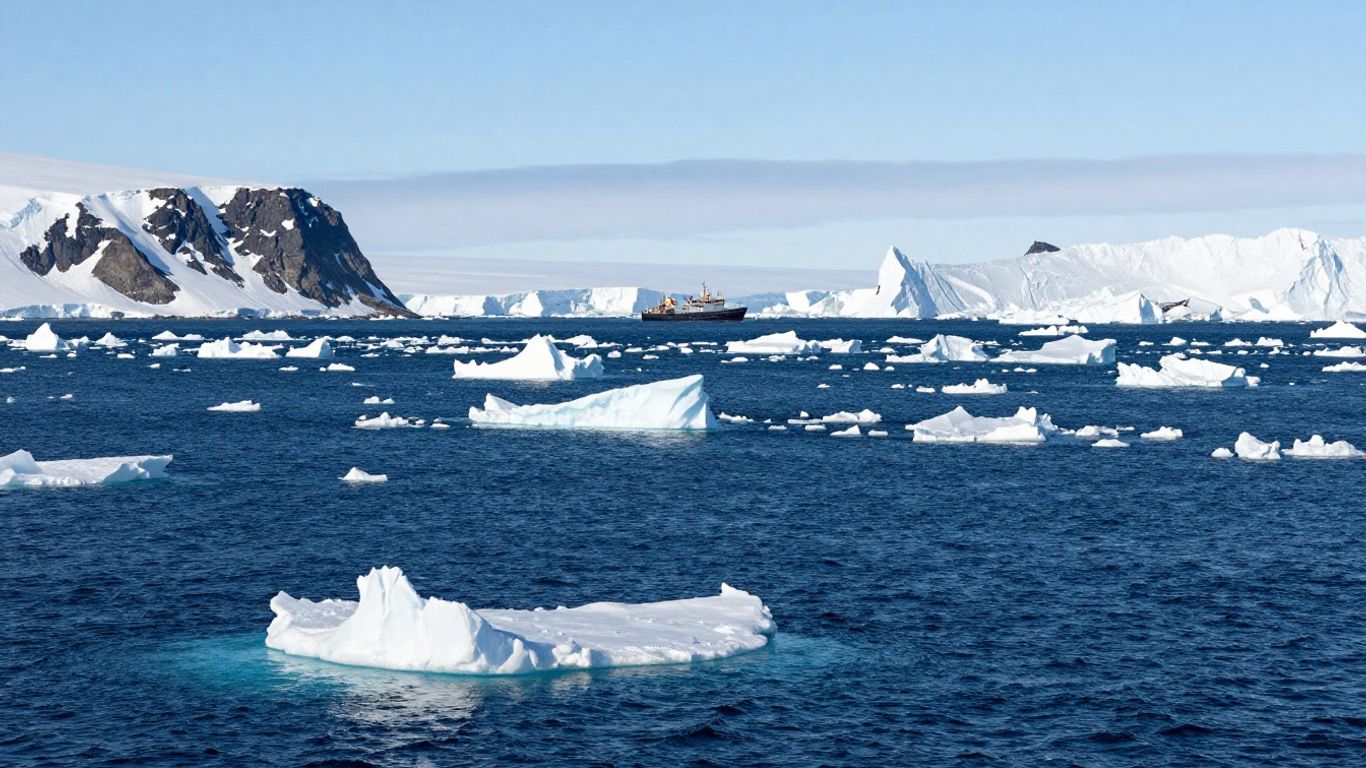
When you look at the Arctic, you can’t ignore the Nordic countries. They’re right there, smack dab in the middle of it all, and they’ve got a lot at stake. Norway, Iceland, and Denmark (with Greenland) are all playing key roles, and they’re not just sitting back and watching.
Norway’s Strategic Arctic Ports
Norway’s got a long coastline, and a good chunk of it is up north. Ports like Tromsø and Hammerfest aren’t just fishing towns anymore; they’re becoming important hubs for shipping and energy operations. Think about it – as the ice melts, more ships are going to be using these routes. Norway’s ports are perfectly positioned to support that, and they’re also vital for keeping an eye on naval activity in the Barents Sea. It’s about projecting strength and making sure our allies know we’re there. This is about securing our interests in a rapidly changing Arctic.
Iceland’s Role As A Maritime Crossroads
Iceland is like the Hawaii of the Arctic, but with more ice. Its location is just incredible for anyone looking to cross the North Atlantic or head through the Arctic. We’re talking about ports that can handle research vessels, commercial ships, and even naval assets. It’s a natural stopping point, a place for refueling and resupply. NATO definitely sees the value here, and it’s a smart move to cooperate with Iceland to keep the sea lanes open and secure. It’s a key piece of the puzzle for maritime connectivity in the region.
Danish Influence In Greenland
Greenland is a whole other ballgame, and Denmark has a big say there. While Greenland has its own government, Denmark still plays a significant role. Developing port infrastructure in Greenland is a massive undertaking, but the potential is huge. Imagine Greenland as a major hub for Arctic shipping and logistics. It’s a balancing act, though, between development and protecting that pristine environment. But let’s be real, the strategic advantages are undeniable. It’s a place where the U.S. has shown interest, and for good reason.
Collaborative Efforts In Arctic Security
Nobody can handle the Arctic alone. That’s why these Nordic countries are working together. They’re doing joint military exercises, sharing information, and generally trying to present a united front. It’s about making sure that if something happens, they can respond effectively. This cooperation is vital for maintaining stability and deterring any aggressive actions. It’s a smart way to pool resources and ensure everyone’s on the same page.
Supporting International Shipping Through The North
As the North Passage becomes more viable, these Nordic ports are going to be lifelines. They offer places to refuel, restock, and make repairs. This isn’t just about military operations; it’s about supporting legitimate commercial shipping and scientific expeditions too. Having reliable infrastructure along these routes is good for everyone, provided it’s done responsibly.
Joint Military Exercises In The High North
These exercises are more than just a show of force. They’re practical training grounds. Operating in the Arctic is tough. The weather can turn on a dime, and the ice is always a factor. Practicing together helps iron out the kinks and builds trust between allied forces. It shows that we can operate effectively in this challenging environment, which is a strong message to send.
Ensuring Access To The North Passage For Allies
Ultimately, this cooperation is about making sure that the North Passage remains open and accessible for all allies. It’s about shared security and shared prosperity. By working together, the Nordic nations are strengthening their own defenses and contributing to a more stable Arctic for everyone. It’s a sensible approach to a complex geopolitical situation.
The U.S. Coast Guard’s Arctic Mission
The Need For More Icebreaking Capabilities
The U.S. Coast Guard is really the tip of the spear when it comes to operating in the Arctic, but frankly, they’re not equipped for the job. We’ve got a serious shortage of icebreakers, which are basically the workhorses for getting around in those frozen waters. Russia, on the other hand, has a massive fleet. It’s not even a contest. We need more icebreakers, plain and simple, to even think about having a presence up there. Without them, our ability to patrol, respond to emergencies, or even just show the flag is severely limited. It’s like sending a rowboat to fight a blizzard.
Securing Maritime Borders In The Arctic
Look, the Arctic is opening up, and that means more ships, more activity, and more potential problems. The Coast Guard’s job is to keep our waters safe and secure, and that includes the Arctic. But how can they do that effectively when they can barely break through the ice? We’re talking about vast stretches of ocean that are becoming more accessible every year. We need to be able to monitor who’s coming and going, enforce our laws, and make sure our national interests are protected. Right now, that’s a huge challenge.
Search And Rescue Operations In Harsh Conditions
When things go wrong in the Arctic, and they will, the Coast Guard is the one expected to answer the call. But operating in those conditions is brutal. We’re talking about extreme cold, unpredictable weather, and ice that can crush a ship. The Coast Guard cutters that are deployed up there, like the USCG Cutter Kimball, do incredible work, but they’re often pushing their limits. We need better equipment, more ice-capable vessels, and more resources to conduct effective search and rescue missions. Lives depend on it.
Enforcing Regulations On Arctic Shipping
As shipping traffic increases, so does the need for regulation and enforcement. The Coast Guard is responsible for making sure vessels are following safety and environmental rules. This is tough enough in normal waters, but in the Arctic, it’s a whole different ballgame. Ice, weather, and the sheer remoteness make inspections and enforcement incredibly difficult. We need the capability to actually get to these ships and verify compliance. It’s about preventing disasters before they happen.
Supporting Scientific Research Vessels
There’s a lot of scientific research happening in the Arctic, and the Coast Guard often plays a role in supporting these missions. This can involve escorting research vessels, providing logistical support, or ensuring safe passage. However, again, the lack of icebreaking capability is a major hurdle. Our scientists deserve the support they need to explore and understand this critical region.
The Importance Of Alaskan Ports
Ports in Alaska are vital for any kind of sustained operation in the Arctic. Places like Nome are being looked at as potential harbors for larger ships, which makes sense. But even getting fuel to remote military bases in Alaska, like Shemya Air Station, is a massive logistical challenge, often relying on specialized “fuel-over-the-shore” methods. The Coast Guard needs access to capable ports to refuel, resupply, and repair their vessels. Without them, their reach is severely limited.
Patrolling The U.S. Sector Of The North Passage
The North Passage, or Arctic shipping routes, are becoming more important. The Coast Guard has a responsibility to patrol our sector of these waters. This means being able to operate effectively in icy conditions, monitor traffic, and respond to incidents. It’s a matter of national security and economic interest. We can’t afford to be absent from our own backyard.
The current state of our Arctic maritime security is frankly embarrassing. We are falling behind nations that have a clear strategic vision for the region, and our own Coast Guard is being asked to do a job it’s not equipped for. This needs to change, and it needs to change now.
Challenges Of Arctic Logistics And Supply
Look, getting stuff done up in the Arctic isn’t exactly a walk in the park. It’s a whole different ballgame compared to, say, Florida. We’re talking about the ‘tyranny of distance’ here, which is a fancy way of saying everything is just incredibly far away and hard to get to. This makes supplying remote military bases a real headache.
The ‘Tyranny Of Distance’ In Arctic Operations
When you’re dealing with places like Alaska or the far north, everything takes longer and costs more. Think about it: you can’t just hop down to the local hardware store for a replacement part. Everything has to be shipped in, often by specialized means, and that takes time and planning. It’s not like you can just order something online and expect it tomorrow.
Reliance On Specialized Fuel Delivery Methods
Fuel is a big one. You can’t just have a gas station on every corner. We’re talking about needing specialized barges and tankers, and often, the fuel has to be transferred offshore. This is called lightering, and it’s tricky business. You need the right equipment and, more importantly, the right weather. A bad storm can shut down operations for days, or even weeks.
The Risks Of Offshore Ship-To-Shore Transfers
Transferring fuel from one ship to another, or from a ship to land when there’s no proper dock, is risky. You’re out in the open ocean, dealing with waves and wind. One wrong move, and you could have a serious accident. It takes a lot of skill and careful timing. We saw this with operations at places like Shemya Air Station, where they had to use these ‘fuel-over-the-shore’ methods because the dock was so difficult to access, or even destroyed.
Maintaining Fuel Supplies For Remote Outposts
Keeping these remote outposts stocked is a constant challenge. They rely on these deliveries to function, whether it’s for heating, power, or military operations. If a delivery is delayed or fails, it can have serious consequences. It’s a delicate balancing act, especially when you consider the Northern Sea Route challenges that can arise.
The Critical Role Of Experienced Crews
All of this boils down to needing people who know what they’re doing. You can’t just throw any old crew at these jobs. You need folks who understand the weather, the equipment, and the risks involved. They have to be ready to work in tough conditions and make smart decisions on the fly. It’s not for the faint of heart.
Adapting To Unforeseen Storms And Sea Conditions
Arctic weather is no joke. It can change on a dime. One minute it’s calm, the next you’ve got gale-force winds and massive waves. This unpredictability means that even the best-laid plans can go out the window. You have to be flexible and ready to adapt, or you’re going to be in trouble. This is a major factor when considering China-Russia cooperation in the Arctic.
Ensuring Reliable Fueling For The North Passage
As more ships start using routes like the North Passage, the need for reliable fueling stations becomes even more important. Right now, the infrastructure just isn’t there to support a large volume of traffic. We need more ports, more icebreakers, and a better plan for getting fuel to these remote locations. Without it, the whole operation is on shaky ground.
The sheer remoteness and harsh environment of the Arctic present significant logistical hurdles. Everything from basic supplies to critical fuel must be transported over vast distances, often through unpredictable weather and icy waters. This demands specialized equipment, highly skilled crews, and meticulous planning, with little room for error. The lack of robust infrastructure means that even routine operations carry inherent risks, making the Arctic a uniquely challenging theater for supply chains.
Future Arctic Shipping Lanes And Refueling Needs
The Arctic is changing, and fast. We’re seeing more open water, which means more ships are looking to use routes like the North Passage. This isn’t just about saving a few days on a trip; it’s about a whole new ballgame for global trade and military strategy. But here’s the thing: the infrastructure just isn’t there yet, especially for refueling. We need to get serious about building out the necessary ports and facilities before someone else does.
Think about it. Right now, if a big ship needs fuel up there, it’s a major headache. We’re talking about limited capacity in remote locations and the constant worry about weather. The Arctic climate impact on shipping is no joke; conditions can change on a dime, making operations risky and unpredictable. We’ve got to get ahead of this.
Demand For Strategic Refueling Stations
We’re going to need places where ships can reliably top off their tanks. This isn’t just for commercial vessels; our own military needs this capability to project power and maintain a presence. Russia, for instance, has been busy building up its own network of Arctic ports and icebreakers. We can’t afford to fall behind.
Infrastructure Requirements For Larger Vessels
These new Arctic routes are attracting bigger ships. That means our ports need to be able to handle them, not just for docking but for all the support services, including refueling. We’re talking about serious investment here, not just a few temporary docks.
The Role Of Private Companies In Arctic Logistics
Companies like Crowley are already doing some impressive work with fuel delivery in tough spots. They’ve got the know-how for getting fuel where it needs to go, even in challenging conditions. We should be looking at how to partner with these kinds of outfits to build out the necessary infrastructure. It’s not all on Uncle Sam.
Balancing Economic Opportunity With Environmental Risk
Look, nobody wants to mess up the Arctic. It’s a fragile environment. But we also can’t ignore the economic opportunities that are opening up. We need a smart approach that allows for development while protecting the natural world. It’s a tough balance, but it’s one we have to strike.
Indigenous Community Considerations
We can’t just waltz in and start building without talking to the people who live there. The indigenous communities in the Arctic have a deep connection to the land and sea. Their input is vital for any development plans. We need to work with them, not around them.
International Security Implications Of Arctic Trade
As more countries and commercial interests move into the Arctic, security becomes a bigger issue. We need to be present and accounted for. Having the refueling and logistical support in place is key to maintaining our influence and protecting our interests. It’s about making sure the North Passage remains open for American commerce and doesn’t become a Russian lake. The geopolitical chess game is already underway, and we need the right pieces on the board.
The current lack of adequate port facilities and ice-hardened vessels puts the U.S. at a distinct disadvantage. Russia’s extensive network of Arctic ports and its large icebreaker fleet give it a significant strategic edge. We must act decisively to build our own capabilities and secure our interests in this rapidly changing region.
The Strategic Importance Of The North Passage
Folks, let’s talk about the North Passage, also known as the Northern Sea Route. It’s not just some icy shortcut; it’s becoming a major player on the world stage. Think about it: cutting down travel time between Europe and Asia by weeks. That’s huge for business, for getting goods where they need to go, and frankly, for America’s economic future.
Right now, we’re seeing a lot of activity up there, and frankly, we’re a bit behind the curve. Russia, for instance, has been busy building up its ports and icebreaker fleet. They’ve got a real advantage with their existing infrastructure and their willingness to invest. We need to wake up and realize that this isn’t just about shipping; it’s about influence and control in a rapidly changing Arctic.
A New Frontier For Global Commerce
The ice is melting, and that means new opportunities. This passage offers a way to move goods faster and cheaper than the old routes. It’s a game-changer for international trade, plain and simple. We’re talking about cutting down transit times significantly, which means lower costs for businesses and consumers alike.
Reducing Shipping Distances Significantly
Imagine shipping from Rotterdam to Shanghai. The traditional route through the Suez Canal is long and, let’s be honest, a bit of a headache with all the security issues. The North Passage shaves off thousands of miles. That’s not just a small saving; it’s a massive shift in logistics. We’re talking about potentially saving 10-12 days on a single trip.
The Geopolitical Chessboard Of The Arctic
This isn’t just about economics, though. Whoever controls or has strong access to these routes has a significant geopolitical advantage. Russia is making its moves, and we need to be prepared. It’s about projecting power and influence in a region that’s becoming increasingly important. We can’t afford to be left out of this conversation.
Military Implications Of Increased Arctic Activity
With more ships comes more military interest. The ability to move naval assets quickly through these waters is a strategic consideration. We need to ensure our own military can operate effectively and freely in this region. This means having the right ships, the right ports, and the right strategy. It’s about maintaining our security interests and deterring potential adversaries.
The Need For Robust Infrastructure
To really take advantage of the North Passage, we need better infrastructure. That means ports that can handle large vessels, refueling stations, and support facilities. Right now, our capabilities in the Arctic are lacking compared to others. We need to invest in this area, and fast. It’s not just about convenience; it’s about national security and economic prosperity.
Securing National Interests In The Region
This passage is becoming a vital artery for global trade. As more nations and companies look to use it, we need to make sure our interests are protected. That includes freedom of navigation and ensuring that our allies can also operate safely and effectively. It’s about maintaining stability and preventing any one nation from dominating the region.
Ensuring Unfettered Access For American Commerce
Ultimately, this is about America. We need to ensure that our businesses and our military have unrestricted access to these new trade routes. That means proactive planning, investment, and a clear strategy for the Arctic. The future of global trade is shifting north, and we need to be leading the way, not playing catch-up. The Arctic is set to remain a key area for geopolitical rivalry. Development of new shipping routes will continue, solidifying the region’s importance as a hub for global trade and resource extraction. This evolving landscape presents both opportunities and challenges for international relations and economic activities in the region [cbe2].
Investing In America’s Arctic Future
Look, we all know the Arctic is becoming more important. It’s not just about ice anymore; it’s about trade, resources, and frankly, national security. For too long, America has been playing catch-up in this vital region. We’ve seen Russia build up its ports and icebreakers, and while we’ve talked about it, our own infrastructure is lagging way behind. It’s time to get serious about securing our interests up north.
Addressing Critical Infrastructure Deficiencies
Let’s be blunt: our current Arctic infrastructure is a joke. We’re talking about vast distances and harsh conditions, and we don’t have the ports or the facilities to support our own military or commercial interests. We need to fix this. We need a robust network of ice-hardened ports and support facilities that can handle everything from refueling naval vessels to providing emergency services. Right now, our closest viable ports are a thousand miles away, which is just not acceptable when we’re talking about projecting power or even just ensuring safe passage. It’s like trying to fight a war with a slingshot when everyone else has artillery.
Prioritizing the Development of Strategic Ports
We need to identify key locations and build them up. Think about places like Nome, Alaska. Studies are looking into its potential as a harbor for larger ships, and that’s a good start. But we can’t stop there. We need a plan, a real commitment, to develop multiple strategic ports. This isn’t just about military might; it’s about economic opportunity too. Opening up the Arctic means new trade routes, and we need the infrastructure to support that. We can’t let other nations get ahead of us on this.
Enhancing Naval Capabilities for Arctic Operations
It’s not just about ports; it’s about the ships too. Our Navy needs vessels that can actually operate in icy waters. We’ve heard officials say we don’t need ice-hardened ships, but that sounds like an excuse for inaction. If we want to be a player in the Arctic, we need the right tools for the job. This means investing in icebreakers and ships designed for the Arctic environment. We need to be able to conduct freedom of navigation operations without making excuses. It’s about showing up and being ready, not just talking about it.
Strengthening Alliances in the High North
We’re not alone in the Arctic, and we shouldn’t be trying to go it alone. Working with our allies, like Norway and Iceland, is smart. They have strategic locations and existing infrastructure that we can build upon. Joint exercises and shared resources make sense. We need to make sure our allies are strong and that we can operate together effectively. This isn’t about charity; it’s about mutual security and shared prosperity in a region that’s becoming increasingly important. We need to coordinate our efforts, especially when it comes to things like Arctic security.
Countering Russian Arctic Expansion
Let’s not kid ourselves, Russia sees the Arctic as its backyard and is acting accordingly. They’ve got a massive icebreaker fleet and a growing network of bases. We can’t just sit back and watch. We need to match their commitment, not necessarily in numbers, but in strategic capability. That means investing in our own infrastructure and naval power. It’s about maintaining a credible presence and deterring any aggressive moves. We need to be prepared for any scenario.
Securing Economic Opportunities Through the North Passage
The North Passage, or Northern Sea Route, is opening up. This is a massive opportunity for global trade, cutting down transit times and costs. But for America to benefit, we need the infrastructure to support it. That means ports, refueling stations, and the ability to operate safely and efficiently. We can’t let this economic advantage slip through our fingers because we were too slow to act. We need to be ready to capitalize on these new routes.
Asserting American Leadership in the Arctic
Ultimately, this is about leadership. America has always been a leader on the world stage, and the Arctic is no different. We need to step up, invest in our future, and show that we are committed to the region. This means a clear, long-term strategy, consistent funding, and the political will to see it through. It’s time to stop talking and start doing. The future of the Arctic, and America’s place in it, depends on it.
The current geopolitical climate demands a strong, proactive stance in the Arctic. Ignoring the region’s growing strategic and economic importance would be a grave mistake, leaving the door open for rivals to dictate terms. We must act decisively to protect our interests and secure our future.
The Arctic: A Frontier of Opportunity and Challenge
Look, the Arctic is opening up, and that means new routes for ships and more activity up north. Countries like Russia are already way ahead, building up their ports and icebreakers. We’re talking about potential here, sure, for trade and maybe even resources, but it’s not going to be easy.
The weather is brutal, the distances are huge, and getting fuel to these places is a real headache, as we’ve seen with projects like Canada’s Nanisivik facility that’s been delayed forever. Plus, we can’t just ignore the folks who live there or the environment. This landscape is complicated, and frankly, we need to get our act together if we want to keep up and protect our interests in this rapidly changing region. Beyond opportunity, this is about national security and making sure we’re not left behind.
Frequently Asked Questions
What is the North Passage and why is it important?
The North Passage, also known as the Arctic shipping routes, refers to sea lanes that go over the top of the world, around the Arctic Ocean. As ice melts, these routes are becoming more open. They are important because they can significantly shorten travel times for ships carrying goods and resources between Asia, Europe, and North America, potentially saving time and money.
Why are refueling ports needed in the Arctic?
Ships traveling through the Arctic need places to refuel because the distances are vast and fuel is essential for their journey. Having ports where ships can get more fuel makes these long voyages possible and safer, especially for commercial ships, research vessels, and military operations that need to stay at sea for extended periods.
Which countries have Arctic ports?
Several countries with Arctic coastlines have ports. Russia has a large network of Arctic ports. Canada, Norway, the United States (in Alaska), Greenland (which is part of Denmark), and Iceland also have ports that could potentially serve Arctic shipping, though their capabilities vary greatly.
What are the main challenges of building and using Arctic ports?
Building and using ports in the Arctic is very difficult. The extreme cold, shifting ice, and unpredictable weather make construction slow and costly. Many areas are remote, making it hard to get supplies and workers. Ice can damage ships and port structures, and the short summer season limits when construction or major operations can happen.
Does the U.S. have enough ports for Arctic operations?
Currently, the U.S. lacks sufficient ports in or near the Arctic Ocean that are equipped to handle large naval or Coast Guard vessels for repairs or refueling. The closest viable ports in Alaska are often a thousand miles or more away from the main Arctic waters, creating a significant gap in infrastructure compared to countries like Russia.
How does Russia compare to the U.S. in Arctic capabilities?
Russia has a significant advantage in the Arctic. They have a large number of ice-hardened ports and a powerful fleet of icebreakers, which are ships designed to break through ice. This allows them to keep their Arctic sea lanes open for longer periods and supports their military and economic activities in the region much more effectively than the U.S. currently can.
What is the status of Canada’s Nanisivik Naval Facility?
Canada’s Nanisivik Naval Facility project has faced many delays and problems. It was announced years ago but has been slow to build due to harsh weather, wildlife, construction issues, and even disruptions from the COVID-19 pandemic. The original plans have also been scaled back, and it’s unclear when the facility will be fully operational.
Could Greenland become an important Arctic hub?
Greenland’s location gives it geographic advantages for Arctic shipping. With potential development of port infrastructure, it could serve as a key point for refueling and logistics. The U.S. has shown interest in Greenlandic ports, but developing them involves balancing economic growth with protecting the environment and considering the interests of the local population.
What role does Iceland play in Arctic operations?
Iceland’s location in the North Atlantic makes it strategically important. Its ports can support ships traveling through Arctic waters, potentially serving as a stop for refueling and logistics. Its position is valuable for both commercial shipping routes and for NATO allies interested in security and maritime connections in the region.
What are the difficulties of supplying remote Arctic locations like Shemya, Alaska?
Supplying remote places like Shemya in Alaska is extremely challenging due to the ‘tyranny of distance’ – meaning they are very far away. Weather is a major issue, with huge waves and sudden storms damaging docks and limiting when ships can deliver fuel. Companies often use specialized methods like ‘fuel-over-the-shore’ and rely on experienced crews to get vital supplies through, often under difficult and dangerous conditions.
Are Arctic routes becoming more important for trade?
Yes, Arctic routes are expected to become more important. As the ice melts, they offer shorter transit times for global trade, which can benefit shipping companies and reduce costs for transporting goods. They are also seen as important for moving energy resources and supporting scientific research.
What is the U.S. military doing to prepare for Arctic operations?
The U.S. military is working to improve its Arctic capabilities. This includes assessing infrastructure needs, like potential ports, and looking at ways to enhance naval presence. They have also reconstituted the U.S. Second Fleet to focus on the North Atlantic and Arctic regions, although they currently lack ice-hardened ships and sufficient ports.