
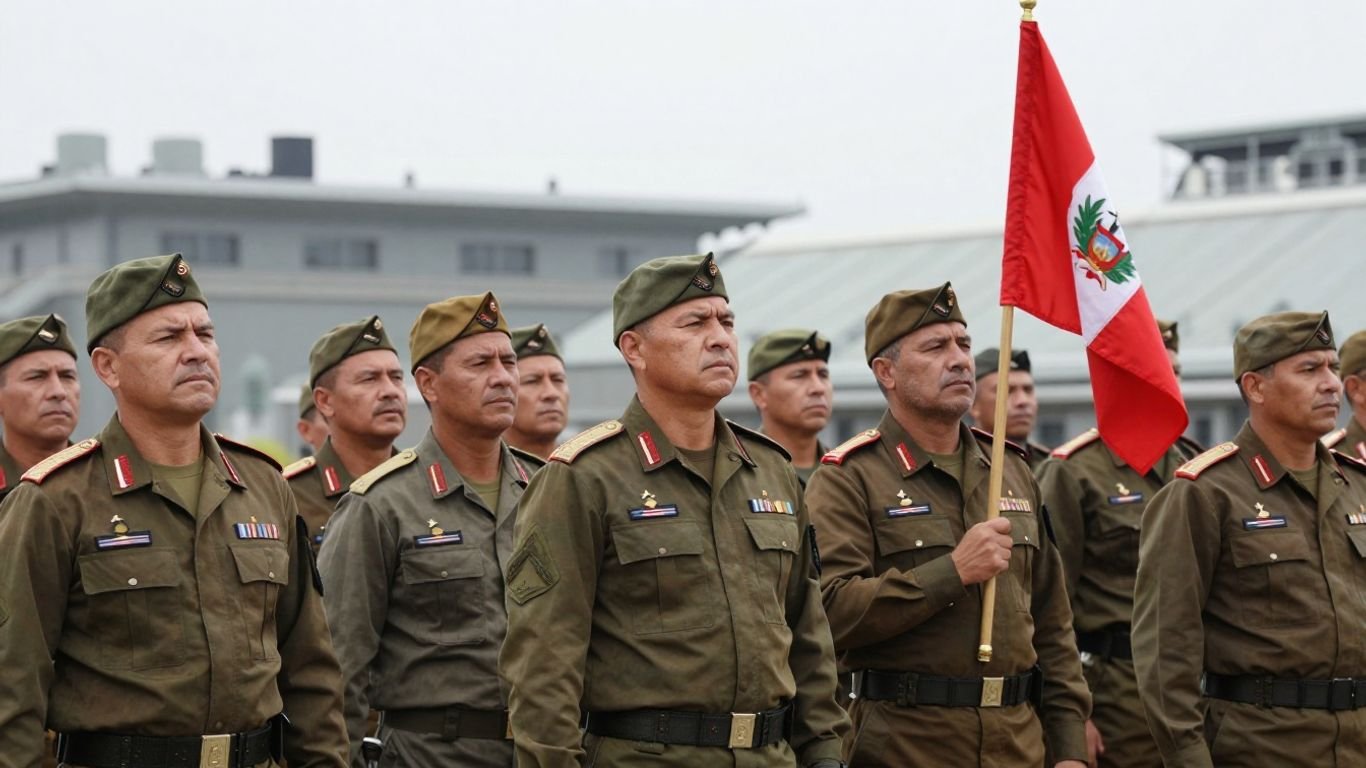
Peruvian Men Released from their Russian Military Contracts
It’s a wild world out there, and sometimes people get caught up in things they never expected. Lately, there’s been a lot of talk about Peruvian men who ended up in the Russian military, apparently not entirely by choice. It seems like some folks were promised good jobs in Russia, maybe as security guards or something similar, with decent paychecks. But instead of a steady gig, they found themselves on the front lines of the conflict in Ukraine. This whole situation has Peru pretty worked up, with families demanding answers and the government launching investigations. It really makes you think about how easily people can be misled, especially when they’re looking for a better life.
Key Takeaways
- Peru is investigating claims that a trafficking network tricked Peruvian citizens with fake job offers in Russia, leading them to fight in the Ukraine war.
- Recruits were reportedly promised monthly salaries between $2,000 and $3,000, with around 600 Peruvians believed to have been lured since October.
- Families report that 13 Peruvian men have died fighting in Ukraine, prompting protests and demands for repatriation.
- Russia’s embassy in Lima acknowledged Peruvians signing contracts but stated it was voluntary, though Peru’s government is seeking clarification.
- This situation highlights broader concerns about Russia’s global recruitment of foreign fighters and the vulnerability of individuals seeking employment abroad.
Peruvian Pawns In Putin’s War Machine
Deceptive Recruitment Tactics Exposed
It’s a sad state of affairs when folks are being tricked into fighting someone else’s war. We’re seeing reports about Peruvian ex-servicemen Russia has apparently lured into its conflict in Ukraine. These aren’t volunteers signing up for a noble cause; they’re reportedly victims of shady recruiters. Social media ads, promising good money and security jobs, are the bait. It sounds like a classic bait-and-switch, and sadly, it’s happening to Peruvians.
False Promises Lure Unwary Peruvians
These recruiters are playing on people’s financial struggles. They’re dangling paychecks of $2,000 to $3,000 a month, which sounds like a lot, especially back home. The word is that around 600 Peruvians have been drawn in since last October. They thought they were signing up for legitimate work, maybe guarding something or doing basic security. But once they got to Russia, the story changed. Suddenly, they’re on the front lines, facing the horrors of war. It’s a betrayal, plain and simple.
The Grim Reality of the Front Lines
We’re already hearing about the tragic consequences. Thirteen Peruvians are confirmed dead. Thirteen families are now grieving, wondering how their loved ones ended up in such a terrible situation. They’re protesting, demanding answers and the return of their relatives. It’s a stark reminder that these aren’t just numbers; they’re people with families who are suffering because of these deceptive practices. The Peruvian government is looking into this, and frankly, they should be. This kind of exploitation can’t be allowed to continue. It’s a messy business, and it seems like Peru is just the latest country to find its citizens caught up in Russia’s global recruitment network.
Peru’s Fight Against Human Trafficking
Government Launches Investigation
It’s a mess, really. Peru’s government is finally waking up to the fact that its citizens are being treated like disposable pawns. They’ve kicked off an investigation into how these recruitment schemes are even happening. It seems like some shady characters are promising folks a ticket to a better life in Russia, but what they’re really signing up for is a one-way trip to the front lines. This whole situation highlights a serious failure to protect our people from predatory networks. The government says it’s looking into "human trafficking" and "aggravated human trafficking," which sounds serious, but we’ll see if anything actually comes of it. It’s a start, I guess. You can find more details on the ongoing efforts in Peru’s fight against human trafficking.
Prosecutor’s Office Tackles Exploitation
The Prosecutor’s Office is getting involved too, which is good. They’re looking into these deceptive job offers that are luring Peruvians. People are being told they’ll be security guards or something similar, with promises of good money. But once they get to Russia, bam! They’re pushed into the war. It’s pretty grim. They’ve even set up a special task force to try and sort this out and figure out how to get these guys home. It’s a tough job, trying to untangle this mess.
Coordinated Efforts to Protect Citizens
It’s not just the prosecutors; there are calls for more coordination. Families are understandably upset, protesting outside the Ministry in Lima, demanding their loved ones be brought back. They were promised salaries of $2,000 to $3,000 a month, which sounds like a lot, but what’s the point if you’re dead? Reports suggest around 600 Peruvians might have been tricked since last October. It’s a real tragedy, and frankly, it makes you wonder how these recruiters are getting away with it. We need to make sure Peruvians know the risks and that there are consequences for those who exploit them. It’s about time the government took this seriously and worked to prevent more people from falling victim to these schemes. It’s a complex issue, and getting people home won’t be easy, especially when dealing with foreign governments and the complexities of extradition processes.
The Lure of Russian Military Contracts
Promises Of High Salaries
It seems like a lot of folks are getting caught up in these foreign military contract Russia deals. The word on the street is that Russia’s been dangling some pretty big carrots to get people to sign up. We’re talking about money, of course. Who wouldn’t be tempted by a fat paycheck, especially if things are tight back home? It’s a tough world out there, and when you hear about big money being offered, it’s hard not to listen.
Financial Incentives For Foreign Fighters
These aren’t just small-time offers, either. Reports suggest that Russia is putting serious cash on the table for anyone willing to fight. It’s not just the base pay; there are often bonuses and other perks thrown in. This kind of money can look like a golden ticket for many, a way out of difficult situations. It’s a calculated move, really, using financial incentives to fill their ranks. The government is even offering extra bonuses in some regions to get more people to sign up for these foreign military contract Russia opportunities.
The $2,000 to $3,000 Monthly Paycheck
So, what are we talking about in terms of actual numbers? We’re hearing figures like $2,000 to $3,000 a month. That’s a significant amount, especially when you compare it to wages in many other countries. For someone struggling to make ends meet, that kind of income can seem like a life-changing opportunity. It’s easy to see how people could be drawn in by such promises, especially when they’re presented by slick recruiters.
- Deceptive Recruitment: Promises of security jobs or other stable work are often used.
- Financial Motivation: High salaries are the primary draw for many.
- Hidden Dangers: The reality of combat is rarely disclosed upfront.
It’s a dangerous game when desperation meets opportunity, and it looks like Russia is playing it hard.
It’s a whole network, really. They’re reaching out to people in different countries, offering these deals. It’s not just Peru, either. We’re seeing this happen in other places too, which makes you wonder how widespread this operation is. The Russian government seems to be quite serious about bringing in foreign fighters, and they’re using money as the main tool.
Tragic Toll On Peruvian Families
Thirteen Peruvians Confirmed Dead
It’s a grim reality that’s hitting home for so many families back in Peru. We’re talking about thirteen confirmed deaths so far, men who thought they were heading to Russia for a good job, maybe even a better life. Instead, they ended up on the front lines of a war they had no business being in. The numbers are still coming in, and honestly, it’s hard to even process. These aren’t just statistics; they’re sons, brothers, husbands, and fathers. Their families are left with nothing but grief and a lot of unanswered questions.
Families Demand Repatriation
Understandably, these families are devastated and demanding answers. They want their loved ones back, alive if possible, but at this point, many are just hoping for the return of their remains. It’s a desperate situation, and they’ve been protesting outside the Ministry in Lima, trying to get someone, anyone, to listen and take action. They were promised good pay, something like $2,000 to $3,000 a month, which sounds like a lot, especially when times are tough. But what good is money if you’re dead?
Protests Outside Ministry In Lima
The scene outside the Ministry of Foreign Affairs in Lima has been one of raw emotion. Relatives, many of them mothers and wives, have gathered, holding up pictures of the men they’ve lost or can’t reach. They’re pleading with the government to do more, to pressure Russia to release these men or at least account for them. It’s a heartbreaking display of a community grappling with the fallout of a conflict thousands of miles away, a conflict that has directly impacted them through these deceptive recruitment schemes. It really makes you wonder how many more countries will have to deal with this kind of fallout from Russia’s global recruitment network. The whole situation highlights the dangers of falling for promises of easy money abroad, especially when it involves military service in foreign conflicts. It’s a stark reminder that not all job offers are what they seem, and some can lead to the ultimate price.
The allure of a substantial paycheck can blind people to the very real dangers involved in signing up for foreign military service, particularly when recruitment tactics are less than transparent.
Here’s a breakdown of what we know:
- Thirteen Peruvian citizens have been confirmed dead.
- An estimated 600 Peruvians were lured to Russia since October 2025.
- Promised salaries ranged from $2,000 to $3,000 per month.
- Families are demanding the repatriation of their loved ones and answers from the Russian government.
It’s a mess, and frankly, it’s a tragedy that could have been avoided if these recruitment operations were more honest. The Peruvian government is now investigating these alleged human trafficking rings, trying to prevent more citizens from falling victim to these dangerous schemes.
Russia’s Global Recruitment Network
It’s becoming clear that Russia isn’t just looking for soldiers within its own borders. They’ve set up a whole network, reaching out to vulnerable people all over the globe. It’s a pretty grim business, really. They’re apparently targeting folks in places like Africa and even North Korea, promising them a way out of their troubles, only to send them straight into the meat grinder of the Ukraine conflict. This isn’t just about filling ranks; it’s about exploiting desperation.
Exploiting Vulnerable Populations
This whole operation seems to prey on people who are struggling financially. Think about it: you’re in a tough spot, and suddenly someone offers you a fat paycheck and a chance at a better life. It sounds too good to be true, and usually, it is. These recruiters are slick, knowing exactly what buttons to push. They paint a picture of opportunity, but the reality is a one-way ticket to a war zone.
Recruitment From African Nations
We’re seeing reports that thousands of individuals from various African countries have ended up fighting for Russia. It’s a disturbing trend, and it raises serious questions about how these recruitment drives are being conducted. Are these people fully aware of what they’re signing up for? The evidence suggests not. It’s a pattern of deception that’s becoming all too familiar.
North Koreans Also Enlisted
And it’s not just Africa. Reports indicate that North Koreans are also being brought into the Russian military. This suggests a wide-reaching, systematic effort to gather foreign fighters. It’s a global operation, and it’s happening right under our noses. The scale of this recruitment is frankly astonishing, and it highlights a disturbing willingness to use foreign nationals as disposable assets in their conflict. The Russian military service for foreigners is clearly a growing, albeit morally bankrupt, part of their war effort.
The tactics used are clearly designed to bypass any real scrutiny. Promises of high salaries, sometimes in the range of $2,000 to $3,000 a month, are dangled like bait. For someone in dire straits, this is a life-changing sum. But the fine print, or rather, the lack of it, is where the trap is sprung. Once they arrive, the job they were promised often vanishes, replaced by the brutal reality of combat. It’s a bait-and-switch on a massive scale.
Here’s a look at some of the numbers we’re hearing about:
- Estimated Foreign Fighters: Over 18,500 foreigners are reportedly being recruited in 2026 alone.
- Countries of Origin: Recruits have been identified from at least 135 different countries.
- African Contingent: Over 1,780 individuals from 36 African nations are believed to be fighting.
It’s a complex web, and it’s hard to get a clear picture, but the pattern of exploitation is undeniable. This isn’t just about soldiers; it’s about human beings being used and discarded. We’ve seen similar issues with foreign nationals being recruited for conflicts before, but the sheer breadth of Russia’s current network is alarming. It makes you wonder what other regions are being targeted. The situation in the Arctic, for example, shows Russia’s strategic reach, and this recruitment network seems to mirror that ambition in a darker way. Russia’s Arctic presence is expanding, and so is its reach for manpower, it seems.
Moscow’s Acknowledgment Of Peruvians
Embassy Confirms Contract Signings
Well, it turns out the Russians have finally said something about all those Peruvians ending up on the front lines. Their embassy over in Lima put out a statement, confirming that yes, some Peruvians have indeed signed contracts to join the Russian armed forces. They’re claiming it was all voluntary, of course. It’s a bit of a strange situation, isn’t it? People from halfway across the world signing up for a conflict they likely know very little about.
Claims Of Voluntary Enlistment
The official line from Moscow’s embassy is that these Peruvians signed up willingly. They’re saying everything was done legally. But you have to wonder, when you hear the stories coming out of Peru – stories about deceptive job offers and promises of big money – how voluntary is it really? It makes you question the whole process. The idea that these individuals were fully informed and freely chose this path seems questionable at best. It’s hard to ignore the reports of people being lured with promises of salaries between $2,000 and $3,000 a month. That’s a lot of money, especially if you’re struggling back home. It’s easy to see how that could be a powerful draw, even if the reality turns out to be far different.
Discrepancies In Official Statements
There’s definitely a disconnect between what the Peruvian families are saying and what the Russian embassy is putting out. Peru’s own Foreign Ministry is asking the Russian embassy for clarification, trying to figure out where these citizens are and how they’re doing. They’ve pointed out that Peruvians are supposed to get permission before joining any foreign military. So, you’ve got the Peruvian government investigating potential human trafficking, families protesting and demanding answers, and then you have the Russian embassy saying, ‘Nope, all good here, they signed up fair and square.’ It just doesn’t quite add up, does it? It feels like there’s a lot more to this story than just a simple recruitment drive. The whole situation raises serious questions about Russia’s global recruitment network and how they’re operating.
The Legal Ramifications For Peru
Peru finds itself in a tough position now that the ugly truth about recruitment of its citizens into the Russian military is out in the open. This isn’t just about families getting duped—there are real legal consequences involved, both for the government and for the shady players behind these schemes. Let’s dig into what Peru is up against, step by step.
Requirement For Foreign Military Service Permission
Anyone in Peru who wants to serve in a foreign military is legally required to seek explicit permission from the Ministry of Foreign Affairs. This isn’t new, but the recent recruitment scam has put that rule in the spotlight. Bypassing this requirement isn’t just a technicality—it puts returning recruits at risk of sanctions and even criminal proceedings back home.
- Permission from the Foreign Ministry must be obtained before signing a contract to serve abroad.
- Ignoring this legal process could result in loss of Peruvian citizenship or prosecution.
- The recent cases show most Peruvians tricked into signing contracts weren’t aware of this legal step at all.
Investigating Aggravated Human Trafficking
Peruvian prosecutors aren’t pulling their punches. Authorities have already opened a large-scale investigation into multiple offenses, especially aggravated human trafficking. The goal is to go after recruiters who tricked Peruvians with false job ads, only for them to end up on Russia’s front lines. This type of human trafficking isn’t just about crossing borders; it’s about assaulting human dignity for profit and power.
List of Prosecutorial Priorities:
- Identify and charge recruiters—both in-country and those working from abroad.
- Prove victims were lured under false promises and coerced into combat roles.
- Secure evidence of financial transactions and communication trails.
- Collaborate with foreign and international agencies to track perpetrators.
| Offense | Maximum Sentence (Peru) |
|---|---|
| Human Trafficking | 15 years |
| Aggravated Human Trafficking | Up to 25 years |
| Recruitment for Foreign Military | 5-10 years |
Holding Recruiters Accountable
The Peruvian Prosecutor’s Office is determined to hold every recruiter accountable, but it’s not so simple—many of these operatives are outside Peruvian territory. So, they’re going after accomplices on Peruvian soil while pushing for international warrants for higher-level conspirators. With coordination from law enforcement and diplomatic channels, the government hopes to bring some of these criminals to justice. If there’s a silver lining, it’s that these cases set a tough example for future attempts to prey on desperate Peruvians.
- Working alongside international partners, Peru aims to extradite or sanction top-level recruiters.
- The prosecutor has also issued warnings to the public, urging vigilance about potentially exploitative job offers, especially those that sound too good to be true.
- If foreign governments don’t cooperate, Peru has signaled a willingness to press its case on the international stage, which isn’t unheard of as other nations have faced similar problems, evidenced in foreign military contract obligations.
The legal fight isn’t just about punishing a handful of recruiters—it’s about sending the message that Peruvians can’t be treated as expendable, either by foreign powers or by criminals looking for quick cash.
The Broader Geopolitical Picture
Latin American Involvement In Global Conflicts
It’s becoming clear that Russia isn’t just looking for soldiers in its usual places. They’ve cast a wide net, and it seems like anyone desperate enough for a paycheck is fair game. We’re seeing this play out not just with Peruvians, but with folks from all over. It’s a grim picture when nations start treating people like disposable assets for their wars. This isn’t just about one conflict; it’s about a disturbing trend of exploiting vulnerable populations across the globe.
Wartime Labor Recruitment Strategies
Russia’s approach to filling its ranks is pretty straightforward, if you think about it. They dangle money, often a lot of money, in front of people who don’t have many other options. It’s a classic bait-and-switch, really. Offer a good job, maybe as a security guard or something similar, and then when they get there, it’s a whole different story. The promises of high salaries, sometimes $2,000 to $3,000 a month, are the hook. Once they’re in Russia, the reality hits: they’re on the front lines. It’s a morally bankrupt way to conduct warfare, using foreign nationals as cannon fodder.
Impact Of Russia-Ukraine War Beyond Borders
This whole situation with foreign fighters really shows how interconnected things are, even if we don’t always want to admit it. The war in Ukraine isn’t just a regional spat; it’s got ripple effects everywhere. We’ve seen reports of recruitment efforts targeting people in Africa and even North Korea. It’s a global problem, and Peru is just the latest country to shine a light on it. It makes you wonder who else is being pulled into these conflicts under false pretenses. It’s a messy business, and frankly, it reflects poorly on any nation that engages in these kinds of tactics. The fact that Russia is leveraging migration policies to get soldiers is just another layer to this whole mess. It’s not just about fighting; it’s about control and coercion.
Peruvian Citizens Forced Into Combat
Allegations Of Coercion Upon Arrival
It appears that many Peruvians who thought they were signing up for legitimate jobs in Russia found themselves on the front lines of the Ukraine conflict. Reports suggest that once these individuals arrived in Russia, the nature of their employment drastically changed. Instead of the promised security or other roles, they were allegedly forced into combat operations. This shift from a job offer to a battlefield situation is a serious concern.
From Job Offers To Battlefield
The recruitment process seems to have been built on deception. Social media and other channels were reportedly used to present attractive job offers, often mentioning high salaries, between $2,000 and $3,000 a month. This financial lure pulled in an estimated 600 Peruvians since last October. The stark reality is that these individuals, some with prior military or police experience, were allegedly tricked into fighting a war they likely had no prior intention of joining. This whole situation raises questions about how these networks operate and who is truly benefiting.
The Reality For Recruits In Russia
What exactly happens to these recruits once they are in Russia is still being pieced together. We know that thirteen Peruvians have already died in the conflict, a tragic number that underscores the danger. Families are understandably demanding answers and the repatriation of their loved ones. The Peruvian government has stepped in, asking the Russian embassy for clarification and information about their citizens. It’s a complex situation, especially when Peru joins list of concerned nations regarding deceptive recruitment practices. The government is investigating these alleged human trafficking schemes, looking into crimes of human trafficking and aggravated human trafficking. It’s a tough fight to hold those responsible accountable and to bring these Peruvian soldiers leave Russian army back home.
International Complaints Against Russia
Peru Joins List Of Concerned Nations
It’s becoming a pattern, isn’t it? Peru is the latest country to step forward with serious complaints about Russia’s recruitment practices. They’re not the first, and sadly, they probably won’t be the last. It seems Moscow has a global network for finding people willing to fight, and not always with the full picture presented upfront. The Peruvian government is now looking into how its citizens ended up on the front lines, which is a pretty grim situation.
Deceptive Recruitment Practices Worldwide
This isn’t just about Peru. We’re seeing similar stories pop up from different parts of the world. People are being promised good jobs, high salaries, and a better life, only to find themselves in a war zone. It’s a dirty tactic, preying on those who are struggling financially or looking for a way out. The promises are often too good to be true, and for many, they turn out to be exactly that.
- False job offers as security agents or other roles.
- Promises of substantial monthly paychecks, sometimes $2,000 to $3,000.
- Allegations of being forced into combat upon arrival in Russia.
The sheer audacity of using vulnerable populations as cannon fodder is disturbing. It highlights a cynical disregard for human life and international norms.
Concerns Over Foreign Fighter Recruitment
Russia’s approach to recruiting foreign fighters is raising eyebrows everywhere. It’s not just about Peruvians; reports indicate a wide net cast across continents, including African nations and even North Korea. The numbers are significant, with estimates suggesting thousands have been enlisted. This widespread recruitment raises serious questions about the legality and ethics of these operations, especially when deception seems to be a common thread. It’s a complex issue with global implications, and countries are rightly demanding answers and action. The Peruvian Prosecutor’s Office is now investigating these alleged crimes, trying to bring some accountability to this whole mess.
What Happens Now?
So, these Peruvian guys got caught up in something really bad, promised jobs but ended up in a war zone. It’s a mess, and Peru’s government is looking into it, which is good. But it makes you wonder how many others are in similar situations, maybe from other countries too. It’s a tough world out there, and some people will do anything to make a buck, even if it means putting their lives on the line for someone else’s fight. Hopefully, those still stuck can find a way home, and maybe this whole thing will make people think twice before jumping at a too-good-to-be-true offer from overseas.
Frequently Asked Questions
Why were Peruvian men fighting for Russia?
Some Peruvian men were reportedly tricked into signing contracts to join the Russian military. They were promised good jobs and high pay in Russia, but ended up being sent to fight in the war in Ukraine. This happened because of what seems to be a human trafficking network.
Were these men forced to fight?
Reports suggest that while some men signed contracts willingly, others were misled about the nature of the work. Once in Russia, there are claims that some were forced or pressured into combat roles they didn’t agree to, essentially being used as soldiers in the conflict.
How many Peruvians are involved?
It’s hard to know the exact number, but some reports estimate that around 600 Peruvians may have been lured to Russia since October. Sadly, at least 13 Peruvian men are confirmed to have died in the fighting.
What were the promises made to these men?
The men were often promised jobs like security guards and offered monthly salaries ranging from $2,000 to $3,000. These offers were meant to sound attractive, especially to those looking for better financial opportunities.
What is Peru’s government doing about this?
Peru’s government has started an investigation into the alleged human trafficking network. They are working to understand what happened, find the people responsible, and try to help bring Peruvian citizens back home safely.
Did Peruvians need permission to join a foreign military?
Yes, Peruvian citizens are required by their government to get permission from the Ministry of Foreign Affairs before they can serve in any foreign military. It appears many of these men did not get this permission.
Is Russia recruiting people from other countries too?
Yes, Russia has been reported to be recruiting foreign nationals from various countries, including many from African nations and even North Korea. This suggests a wider pattern of seeking soldiers from outside Russia.
What are the risks for people looking for jobs abroad?
This situation shows that people seeking work in foreign countries, especially those offering high pay, need to be very careful. It’s important to check if job offers are real and to be aware of potential scams or human trafficking schemes.