
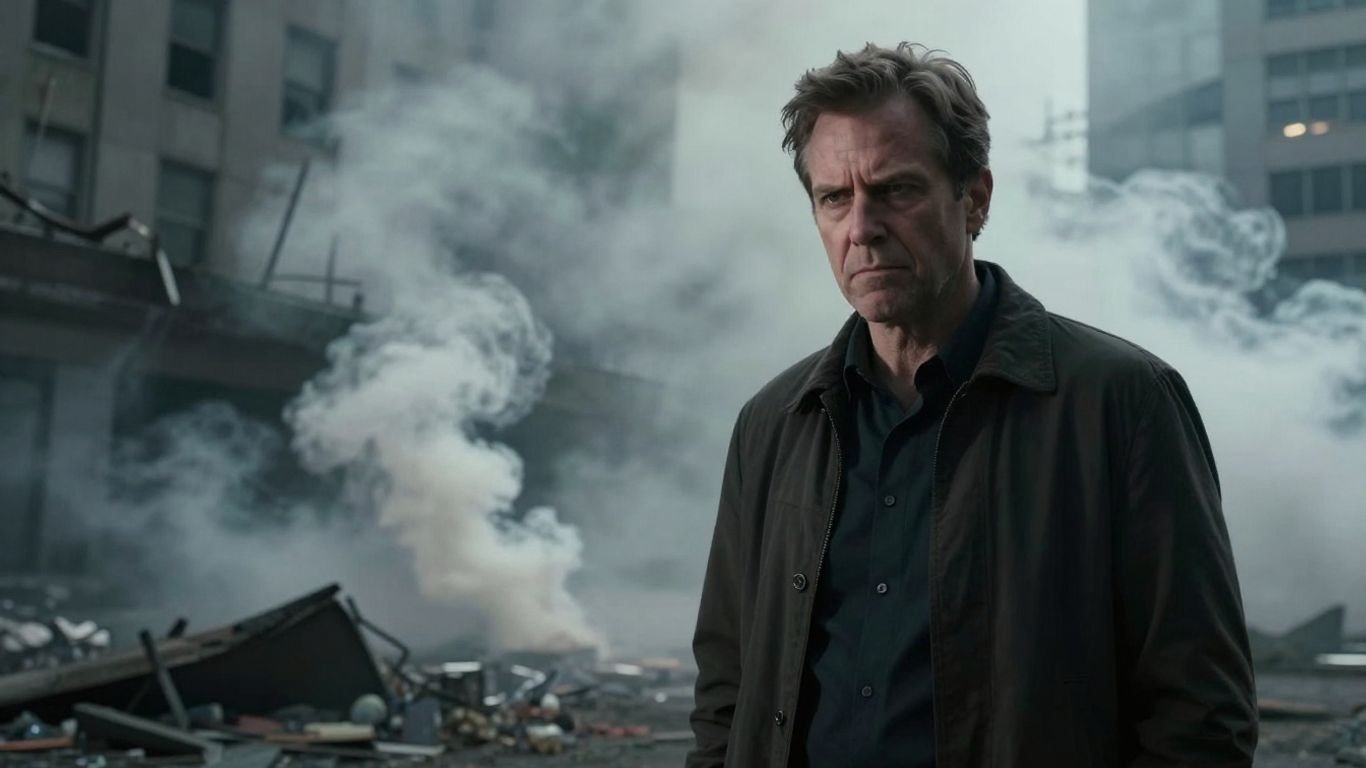
Is Fed’s Warsh Tapped for Economic ‘Controlled Demolition’?
Recent speculation suggests that Federal Reserve Governor Ben Bernanke’s successor, potentially Mark Warsh, might be assigned the unenviable task of orchestrating a controlled economic downturn. This controversial idea posits that a deliberate, managed decline could be a necessary precursor to a more sustainable economic recovery, a notion that has ignited debate among financial analysts and economists.
Key Takeaways
- Speculation surrounds Fed Governor Mark Warsh’s potential role in managing an economic downturn.
- The concept of a "controlled demolition" suggests a deliberate economic decline for future recovery.
- This theory raises questions about the Fed’s strategy and the potential consequences for the economy.
The ‘Controlled Demolition’ Theory
The idea, as discussed in some financial circles, is that the current economic landscape might necessitate a planned contraction. This perspective suggests that rather than attempting to prop up an unsustainable system, the Federal Reserve, under new leadership, could be tasked with guiding the economy through a managed decline. The aim would be to clear out excesses and inefficiencies, paving the way for a more robust and stable long-term growth.
Warsh’s Potential Role
Mark Warsh, a former Federal Reserve Governor, has been mentioned in these discussions. The question posed is whether his specific background and perceived willingness to make tough decisions make him the ideal candidate for such a challenging and potentially unpopular assignment. The phrase "We need someone with the guts to usher this sucker down?" encapsulates the sentiment that a leader with fortitude is required for this hypothetical scenario.
Economic Implications and Debate
This theory, while provocative, raises significant questions about the Federal Reserve’s mandate and its approach to economic management. Critics argue that deliberately engineering a downturn could lead to widespread hardship, increased unemployment, and market instability. Proponents, however, might contend that a short-term, controlled pain could avert a more severe and prolonged crisis in the future. The debate highlights the complex and often unpredictable nature of economic policy and the difficult choices policymakers face.