

The Weakest Currencies in the World and Why They Keep Losing Value
Key Takeaways
Understanding how money loses its value is essential for preserving wealth in an era of global volatility. Here are the core insights into the forces behind currency depreciation:
- Reckless monetary expansion erodes the fundamental purchasing power of fiat currency.
- Institutional corruption and fiscal mismanagement are primary drivers of massive capital flight.
- Central bank dependence on political agendas frequently leads to unsustainable hyperinflation.
- Hard assets serve as a necessary hedge when paper wealth undergoes systematic debasement.
- Sound money principles provide a crucial framework for evaluating long-term economic stability.
The mechanics of currency devaluation
Currency devaluation is rarely the result of a single event but rather a process of systematic decay in confidence. Governments often find themselves boxed into corners where they must choose between austerity or printing more money to mask structural deficits. In this climate, the weakest currencies in the world often exhibit a pattern of rapid decline against stable reserve assets, leaving citizens to grapple with the consequences of state-level mismanagement.
The role of reckless monetary expansion
When governing bodies authorize the indiscriminate printing of money to fulfill budget shortfalls, they effectively dilute the value of every existing unit of currency. This expansion forces prices upward, as the increased supply fails to correspond with actual economic production. Market participants respond by devaluing the currency, which leads to a downward spiral where more money is required to purchase fewer goods.
How excessive debt monetization destroys purchasing power
Debt monetization acts as a quiet thief, transferring real wealth from productive savers to the state through the mechanism of artificial inflation. When debt grows faster than the underlying economy can support, central banks step in to purchase government bonds with newly minted currency. This creates an environment where investors lose faith in the sovereign debt stability, further accelerating the flight toward more reliable asset classes.
The impact of artificial currency pegging versus free market valuation
Artificial pegs often provide only a temporary facade of stability that masks underlying economic rot. Maintaining an unrealistic rate requires constant intervention, which drains foreign exchange reserves and eventually collapses under market pressure. As seen in recent trends, the weakest currencies often rely on these fixed rates until the inevitable devaluation forces them into a free-market reality.
Political instability and fiscal mismanagement
Political volatility directly correlates with currency strength, as confidence rests on the assumption that a state will honor its debts and maintain predictable laws. When political transitions become chaotic or institutions lose their legitimacy, the market prices that uncertainty into the national currency valuation. This volatility discourages foreign direct investment and forces locals to seek safety in alternative stores of value.
How institutional corruption triggers capital flight
Corruption erodes the very foundations of trust needed for a productive economy. When state resources are siphoned off for private gain, the resulting deficit spending necessitates currency debasement to balance the books. This cycle forces capital to flee toward safer jurisdictions, as individuals and businesses seek to protect themselves from expropriation or currency collapse.
The erosion of investor confidence due to shifting economic policies
Fluctuating tax laws, sudden changes in trade policy, and erratic governance create a hostile environment for long-term planning. Investors favor stability, and when policies move in a way that risks regulatory uncertainty, they move their assets to more predictable environments. This withdrawal of capital is a leading indicator of an upcoming currency devaluation cycle.
Regulatory uncertainty as a driver of wealth destruction
Excessive regulations often burden businesses to the point where growth stalls, creating a stagnation that invites further monetary policy errors. By complicating the environment, states drive potential investors toward offshore options or hard assets such as precious metals. The resulting shift in economic connectivity away from the domestic currency only deepens the crisis.
The failure of non-independent central banks
When a country’s monetary authority lacks independence, it tends to function as an extension of the governing party’s fiscal ambitions rather than a guardian of the currency. The result is almost universally predictable: the central bank becomes the primary tool for funding political projects that have no clear path to revenue, leading to the rapid decay of monetary value.
Political interference in national monetary policy
Independent central banks are designed to handle inflation and manage currency stability without the pressure of election cycles. When that firewall is removed, politicians often demand expansionary policy regardless of the economic cost. Without an autonomous mandate, the institution becomes a captive of short-term demands at the expense of currency integrity.
The dangers of printing money to fund government deficits
Monetizing the deficit is widely considered a death sentence for any currency that attempts to maintain value in a global economy. It removes the natural fiscal discipline that would otherwise prevent governments from overspending beyond their tax receipts. The process is a direct transfer of wealth from those who hold currency to a government that spends it immediately.
Why lack of transparency leads to hyperinflationary pressures
Opacity regarding money supply and reserve levels forces the market to guess the true extent of the devaluation, creating panic. Reliable data on monetary circulation is vital for maintaining market trust; without it, the public shifts to black market alternatives for security. This loss of accountability feeds into a cycle where the currency effectively loses all utility as a medium of exchange.
Real-world case studies in currency collapse
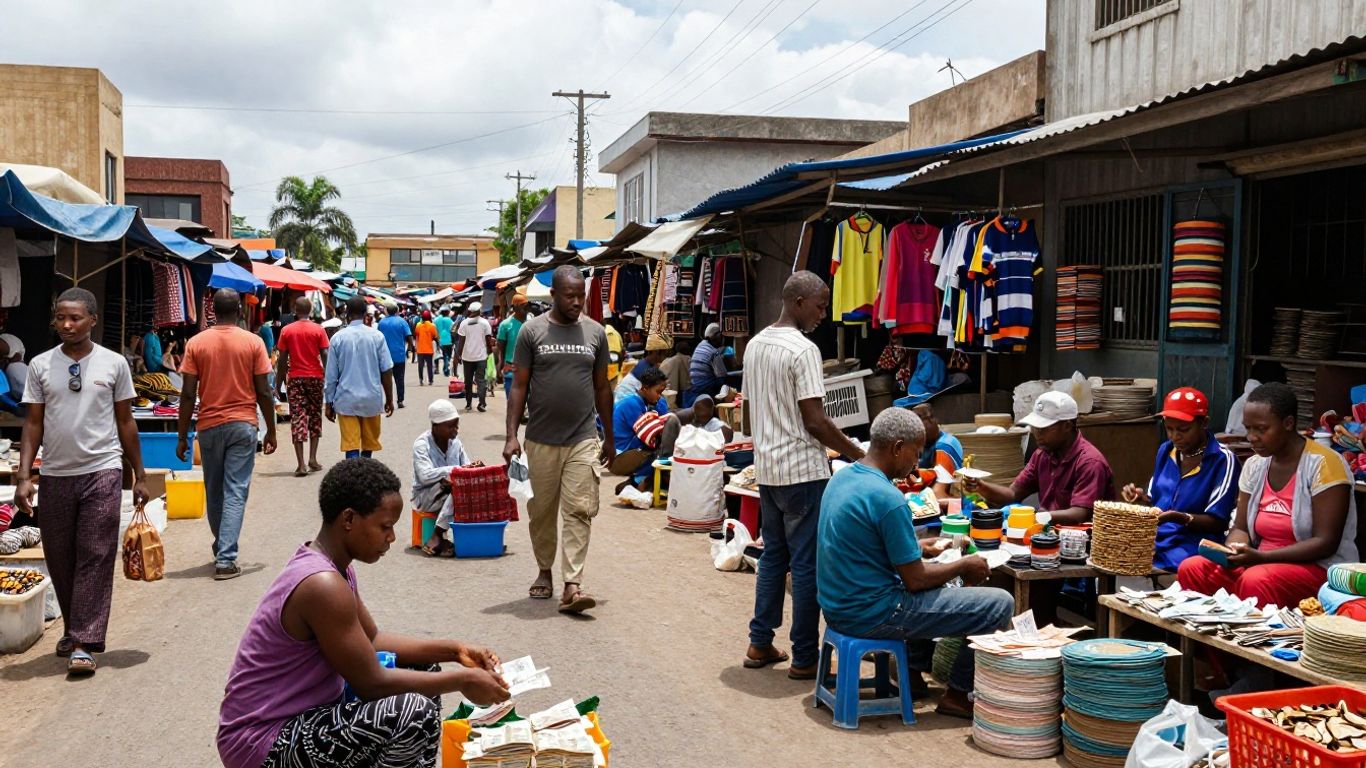
Reviewing historical and current data reveals a pattern where nations neglect their fiscal responsibilities until the currency no longer functions effectively. Understanding these scenarios allows observers to identify the danger signs before they become systemic failures. Several specific currencies demonstrate the devastating path from moderate inflation to full-scale collapse:
| Currency | Country | Primary Driver |
|---|---|---|
| LBP | Lebanon | Banking Crisis |
| IRR | Iran | Sanctions / Debt |
| VND | Vietnam | Deliberate Undervaluation |
| SLL | Sierra Leone | Governance Crisis |
These examples illustrate that currency health is a direct reflection of underlying institutional stability. Analysis shows that the weakest national currencies usually share these critical structural failures regardless of their geographical location.
Lessons from nations trapped in chronic hyperinflation
Hyperinflation is a psychological breaking point where the currency loses its standing as a store of value. Once the public expects price increases daily, the velocity of money skyrockets because holding currency becomes a liability. This forces the state to lose control over the entire economic landscape.
The reliance on black market exchange rates to bypass state controls
When governments force an official rate that ignores reality, they create a secondary, shadow market that reflects the true scarcity of the currency. Citizens rely on these black markets to maintain access to basic imports when the official system breaks down. This fragmentation of the economy is a hallmark of systemic monetary failure.
How reliance on commodity exports masks underlying economic fragility
Many nations tether their currency value to a single commodity, which creates dangerous fragility if prices drop. If the state does not diversify its revenue streams, it defaults to expansionary policy as soon as export income falters. This reliance prevents the creation of a diversified, robust economic structure.
The devastating impact on personal savings
Inflation acts as an insidious tax that disproportionately impacts those who rely on cash savings to build their future. When money loses its value, those without access to hard assets or diversified investment portfolios find their entire life’s work erased in a matter of months or years.
Why inflation is the ultimate hidden tax on citizens
By debasing the currency, the government essentially confiscates purchasing power without passing formal legislation. The citizen believes they have the same amount of money, yet their ability to purchase basic life sustainment drops significantly. This creates a hidden burden that favors debtors while punishing hard-working savers.
Destruction of the middle class through currency debasement
Savings represent deferred labor and time that an individual has spent, and wiping out those savings via inflation destroys the middle class. When the middle class loses its net worth, social stability declines and the government loses its most consistent tax base. This leads to a further cycle of geopolitical instability that destabilizes the entire state.
The necessity of shifting toward sound money and hard assets
Individuals often turn toward gold, silver, or foreign securities to preserve their assets. These items provide a reliable alternative to a collapsing fiat system, ensuring that families can survive economic storms. A proactive strategy includes:
- Maintaining a percentage of wealth in uncorrelated physical assets.
- Diversifying currency holdings to include more stable global options.
- Minimizing dependency on local banking sectors during times of instability.
- Continuously monitoring national deficit trends for early warning signs.
This shift remains the only way to avoid the catastrophic impacts of fiscal mismanagement by a central state.
Future risks for global fiat systems
Developed nations are not immune to the risks that have decimated smaller economies. Excessive deficit spending, mounting interest burdens, and geopolitical tensions represent significant challenges to the longevity of current fiat paradigms. Failure to address these core issues threatens to undermine the foundations of modern prosperity.
The dangers of continued deficit spending in developed nations
Persistent budget deficits lead to a reliance on future growth that may never arrive to compensate for current outlays. When this capacity is pushed to the limit, central banks must act as lenders of last resort, further debasing the currency. The cumulative effect of these policies is a weakening of the global fiscal baseline.
Warning signs of impending currency volatility
Tracking the divergence between government spending and tax revenue reveals whether a system is sustainable. Markets often signal their lack of confidence through rising borrowing costs and increased volatility in bond yields. Savvy investors watch these indicators closely as signals of shifting market conditions.
Why the principles of sound money remain essential for long-term prosperity
Real wealth grows through productivity and efficiency, not through the expansion of credit. Principles rooted in sound money encourage thrift and long-term planning, which are the building blocks of a stable society. Respect for these values is the only way to prevent the recurring cycles of collapse seen in historically failing regimes.
Conclusion
The loss of currency value is fundamentally a failure of institutional responsibility, and when governments prioritize immediate fiscal convenience over long-term stability, they inevitably trigger a decline in purchasing power. Protecting one’s future requires recognizing these signs early and opting for strategies that prioritize asset preservation over reliance on volatile, state-managed paper systems.
Frequently Asked Questions
Why do some countries have weaker currencies than others?
Differences in currency value generally stem from varying levels of fiscal discipline, political stability, and central bank independence. Nations with higher levels of government debt, institutional corruption, or persistent reliance on printing money often see their currency devalue compared to those with stable, productive, and transparent economies.
Can a weak currency ever be good for a country?
Some policymakers argue that a weak currency can boost exports by making a country’s goods cheaper for foreign buyers. However, this often comes at the cost of higher import prices for citizens, leading to domestic inflation and reduced purchasing power for the average person, balancing out or even exceeding the benefits of export growth.
How does inflation affect the average person’s daily life?
Inflation increases the cost of essential goods like food, energy, and housing, meaning that the same amount of income buys fewer necessities over time. For those with fixed savings or wages that do not adjust to price increases, inflation leads to a declining standard of living and increased financial pressure.
What are the main triggers of hyperinflation?
Hyperinflation is typically triggered by a catastrophic loss of confidence in the currency, usually caused by the massive over-issuance of money to fund government social or military spending. When public trust in the state’s ability to stabilize prices collapses, the velocity of money accelerates until the currency becomes practically worthless.
What can individuals do to protect their personal savings?
Many individuals protect their wealth by diversifying their holdings into hard assets such as precious metals, land, or foreign instruments. These assets tend to maintain their value better than fiat cash during times of high inflation or severe economic volatility, serving as a hedge against currency debasement.
Does international debt influence local currency health?
High levels of international debt require a country to allocate significant portions of its budget to interest payments, often leading to fiscal strain. If the country cannot generate enough revenue to meet these obligations, it may default or resort to printing money, which directly triggers a decline in the value of the local currency.
Will fiat systems ever be replaced by something more stable?
There is ongoing global debate regarding the viability of fiat systems and the potential for a move toward decentralized, fixed-supply instruments that operate independently of state control. While fiat remains the standard for today’s global trade, the search for stability often drives exploration into alternatives that do not carry the same risk of centralized devaluation.
One Comment