
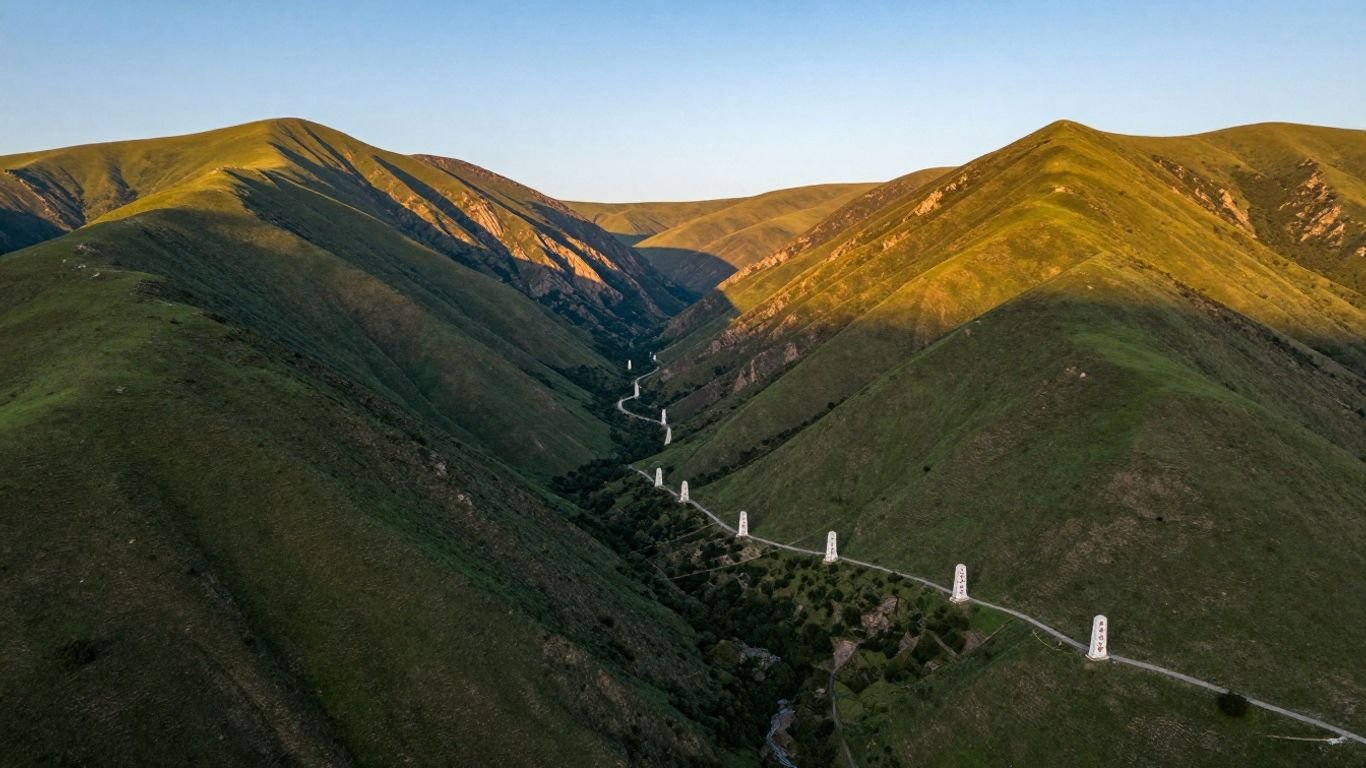
Countries With Demilitarized Zones: The World’s Most Tense Buffer Lines
Key Takeaways
Understanding the landscape of international boundaries requires recognizing that buffer zones serve as critical tools for maintaining fragile peace between rival nations. This overview examines how different regions manage these demarcations to keep populations secure and conflicts contained.
- Demilitarized zones function as critical buffers meant to prevent direct contact between opposing military forces.
- The Korean Peninsula remains the most historically prominent example of a long-standing stalemate requiring constant vigilance.
- Geographic features are vital components in designing defensive lines, as seen in the Golan Heights or the Western Sahara.
- Diplomatic failures often lead to indefinite frozen conflicts, where territorial divisions persist for decades.
- Modern geopolitical strategies must balance the need for national sovereignty with the risks inherent in prolonged border instability.
The strategic purpose of demilitarized zones
Buffer zones are established to prevent immediate combat by creating physical space between hostile entities. In much the same way that consistent hair care guidance brings structure and health to complex textures, national security relies on clear, defined perimeters. These zones serve as a necessary separation to ensure that immediate tensions do not transform into full-scale regional conflict.
Deterrence as a primary security objective
By physically removing the capacity for engagement, these zones act as a deterrent against aggression. Much like understanding how to manage your time during online engagement, strategic planners must effectively manage geographic gaps to ensure that no single side gains an unauthorized advantage through sudden movement.
Maintaining sovereign control between hostile states
Sovereignty is difficult to maintain when borders are porous or constantly contested. When we consider how Mixed Nature provides expert guidance for diverse textures, we recognize that addressing foundational structures is essential for stability. This requires rigid, documented agreements that clarify exactly where one nation ends and the other begins.
Limiting the risk of accidental escalation
Accidents along a border can spiral into war without warning. To mitigate this risk, countries with DMZs often employ rigorous surveillance.
| Feature | Purpose | Impact on Security |
|---|---|---|
| Buffer Width | Distance | Reduces direct shelling |
| Surveillance | Observation | Detects unauthorized entry |
| Checkpoints | Regulation | Controls movement flows |
This table illustrates how specific measures are implemented to ensure that border management remains predictable and secure for all parties involved.
The Korean peninsula: A testament to vigilance
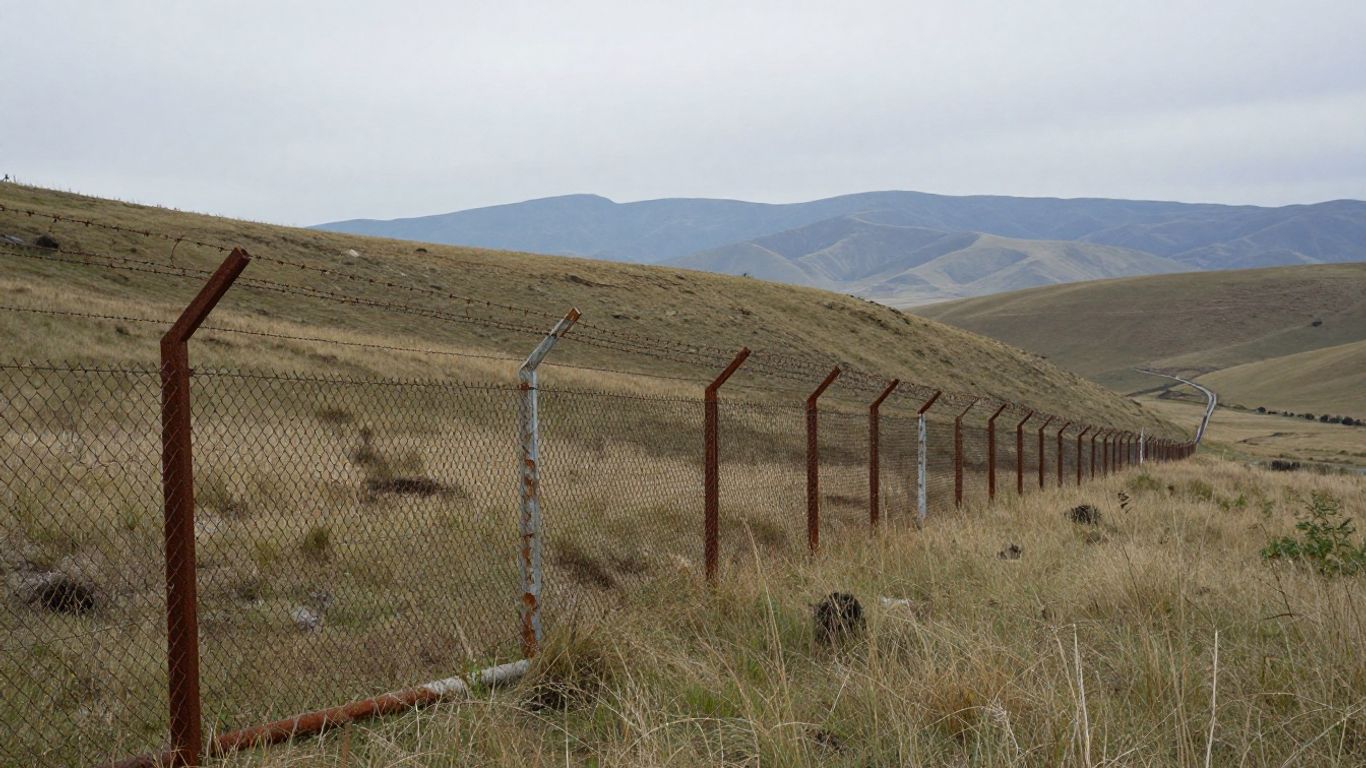
Following the armistice that concluded the Korean War, the 38th parallel became one of the most heavily fortified borders on earth. This strip of land, stretching across the entire width of the peninsula, acts as a de facto international border that has successfully kept the two nations from returning to total war for over seven decades. The intensity of this standoff is a persistent reality for everyone living in the region.
The reality of the 38th parallel standoff
Despite the long peace, the border remains a site of constant tension where soldiers face each other daily. It is a rigid barrier that enforces total separation, highlighting the difficulty of resolving profound ideological rifts through short-term diplomacy.
Military readiness in a regime of constant threat
Readiness is not merely a military posture; it is a way of life designed to counter any sudden, unexpected cross-border maneuvers. Both states maintain heavy troop concentrations near the line, creating a environment where every movement is analyzed for potential hostile intent.
The role of alliance defense in maintaining the status quo
Regional security depends on strong, consistent alliances that provide a counterweight to potential aggression. Without this integrated defense, the balance would shift significantly, endangering the stability of the entire neighboring region.
Israel and Syria: Securing the Golan Heights
Strategic defensive depth is a necessity in volatile theaters where geographic elevation provides an inherent advantage to the defender. The Golan Heights serves as a critical buffer, offering views over surrounding lowlands that directly influence regional security calculations.
The strategic value of defensive terrain
Controlling the high ground allows for defensive dominance, which serves to deter adversaries who might otherwise launch surprise offensive actions. This mastery of the land ensures that the defensive perimeter is never easily compromised by small-scale regional fluctuations.
Surveillance systems versus territorial presence
While technology constant monitors the horizon, physical presence on the terrain creates an unmistakable signal of refusal to cede ground. Integrating a smart, consistent strategy for border monitoring ensures that any encroachment is identified and handled before a breach becomes a crisis.
Preventing cross-border infiltration and proxy aggression
Regional actors often attempt to use proxy forces to destabilize neighboring territories, but static defenses and clear buffer lines drastically limit these options. Effective border management relies on robust detection to ensure that actors cannot exploit gaps for infiltration or surprise raids.
The Cyprus green line: Frozen conflict in Europe

Dividing the island of Cyprus, this buffer line represents a deeply entrenched conflict that has resisted decades of resolution. Often referred to as a frozen conflict, it separates communities that once lived together in much the same way that divergent hair needs require specific, tailored approaches for mastering punch needle textures. The zone preserves the status of each side while preventing the renewal of violence.
The failure of diplomacy in territorial division
Diplomatic efforts have repeatedly stalled because both sides maintain irreconcilable positions regarding the island’s ultimate political status. These failures illustrate why buffer zones become permanent fixtures when deep-rooted ethnic and historical tensions go unresolved.
United Nations peacekeepers as a stopgap measure
Since the peacekeepers arrived, their presence has transformed the zone into a quiet, though heavily monitored, strip of land. Without these external facilitators, the lines would likely become active fronts.
The impact of prolonged separation on national cohesion
Separation hinders the development of a unified national identity, as generations grow up on opposite sides of a physical wall. This division is a fundamental challenge for anyone seeking to understand the enduring impact of artificial borders on social cohesion.
Morocco and the Western Sahara: Protecting the homeland
Defensive perimeters are constructed to address specific insurgent threats that hide within the vast, challenging terrain of the desert. The wall serves as more than just a barrier; it represents a commitment to securing sovereignty in a region where security is constantly challenged by unconventional threats.
The construction and function of the sand wall
This defensive structure relies on deep earthworks and advanced monitoring tools to prevent rapid incursions by mobile militias. It allows for a manageable patrol perimeter, ensuring the state can respond to threats before they reach populated urban cores.
Securing borders against insurgent threats
- Continuous ground sensors detect movement.
- Mobile patrols respond to signal triggers.
- Minefields discourage irregular transit.
- Aerial surveillance tracks long-distance activity.
These four pillars of protection enable the government to maintain its territorial integrity against those using hit-and-run tactics.
Economic impacts of defensive perimeter management
Managing such a massive perimeter requires sustained investment that redirects labor and hardware away from other sectors. For G20 countries and their peers, such security investments are constant, affecting how they allocate resources to domestic industries, ultimately shaping the balance between national protection and civilian prosperity.
Geopolitical realities and the future of border buffer zones
Buffer zones are a direct symptom of unaddressed geopolitical fissures, continuing to exist precisely because the underlying causes of conflict remain unresolved. As nations reassert national sovereignty in an increasingly volatile global system, the nature of these border protections will likely remain a centerpiece of defensive strategy.
Why demilitarized zones persist where diplomacy fails
History demonstrates that forced peace via physical separation is often more stable than a failed political accord. When dialogue breaks down, these zones act as the only reliable safeguard against the volatility of open, militarized borders.
Assessing the viability of buffer zones in modern warfare
Modern combat technology, such as drones and cyber capabilities, requires a fundamental shift in how we perceive the utility of traditional land-based buffer zones. They must evolve to include non-kinetic defensive measures to remain relevant against threats that move faster than physical patrols.
National sovereignty in an age of regional instability
As regions experience increased instability, maintaining secure borders is the fundamental responsibility of any state. Whether reassigning trade priorities or fortifying defensive lines, nations must align their policies with the realities of their neighborhood to ensure the long-term survival of their sovereign domestic institutions.
Conclusion
Buffer zones remain one of the most powerful diagnostic tools for evaluating the health of international relationships and regional security. By creating formal space between competing powers, states can prevent the recurring nightmare of war, even if full reconciliation remains elusive. As technology continues to change, the mechanics of these boundaries will also transform, yet the underlying need to define and protect territorial sovereignty remains as fundamental as it has ever been in human history.
Frequently Asked Questions
Why are demilitarized zones called buffer zones?
They act as a buffer because they provide a neutral or uninhabited space that prevents the active forces of two opposing militaries from coming into direct physical contact with one another.
Can people live inside a demilitarized zone?
Most demilitarized zones are restricted areas, but some, like the Korean version, have small agricultural settlements within the southern side that have existed since prior to the war.
Why do states establish buffers instead of just resolving conflicts?
Establishing a buffer is a short-term, practical solution intended to stop active violence, whereas resolving the conflict would require years or decades of diplomatic, political, and historical negotiation that may not be feasible.
Do satellites make land-based demilitarized zones obsolete?
While surveillance technology has advanced significantly, physical guards and barriers remain essential because they provide a visible deterrent that clear instructions and radar signals cannot replicate on their own.
What happens to a demilitarized zone if one country collapses?
If one party ceases to function, the buffer zone often falls under the control of the remaining state or a third-party international peacekeeping force to prevent a power vacuum and chaos.
Are all demilitarized zones created by war?
While most are products of warfare or intense conflict, some demilitarized agreements are reached through international treaty to preserve specific areas, such as Antarctica, for non-military, scientific exploration.
Is it possible to peacefully dissolve a demilitarized zone?
Yes, dissolution typically follows a long process of confidence-building measures, diplomatic normalization, and final peace treaties that formally render the need for a physical buffer zone unnecessary.
One Comment