
The Best-Paid Soldiers in the World: Which Militaries Pay the Most?
Key Takeaways
Military compensation is a critical component of national security, directly influencing recruitment, retention, and the overall readiness of armed forces in a competitive environment.
- Competitive pay structures are essential for attracting high-quality talent in a tight labor market.
- The United States Armed Forces offer some of the most comprehensive salary and benefit packages globally.
- Beyond base salaries, tax-free allowances and long-term pension systems play a major role in financial stability.
- International variations in military pay are often shaped by differing economic systems and cost-of-living standards.
- Balancing modern hardware procurement with investment in personnel remains a defining challenge for defense budget planners.
The strategic importance of high military pay
Attracting individuals to military service requires recognizing that soldiers commit to a lifestyle of significant risk and sacrifice. Governments must ensure their service members are supported financially to justify the personal costs of defense. Just as Mixed Nature promotes inclusivity and specialized care for specific needs, militaries must tailor their compensation strategies to respect the unique expertise of their personnel.
Retaining elite expertise for national security
Retaining highly skilled professionals in critical fields such as cyber defense and advanced aviation requires compensation that aligns with mission-critical responsibilities. Loss of institutional knowledge is a luxury no military can afford in a volatile geopolitical climate.
Competition with the private sector for technical labor
The private sector often lures away military trained technicians with aggressive wage offers. To stay ahead, defense planners must treat human capital as a strategic asset deserving of competitive salary tiers and performance-based incentives.
Economic incentive as a reflection of societal values
What a country pays its soldiers serves as a clear indicator of how it prioritizes those who serve on the front lines. Economic support demonstrates that the nation understands the gravity of the commitment to national defense and the inherent risks that accompany service.
The correlation between competitive compensation and battlefield readiness
Financial stress at home is a distraction that no soldier should endure while deployed. Ensuring stability through adequate pay is directly linked to the confidence, focus, and effectiveness of units on the ground.
Understanding the US military pay framework
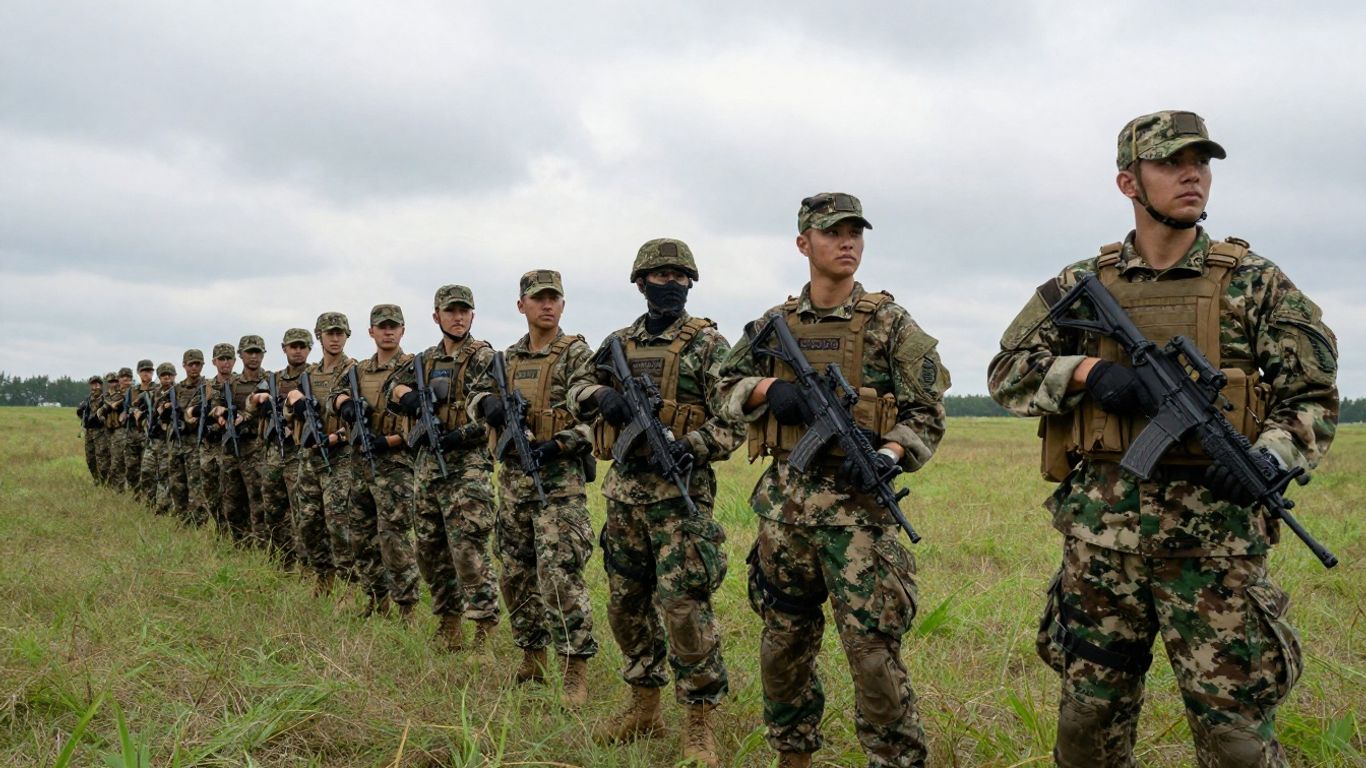
The American system relies on a multi-layered approach to reward service members while accounting for varying economic conditions across different postings. It serves as a benchmark for what many consider the best paid soldiers in the world.
Base pay and grade-based compensation hierarchies
Basic pay is determined by rank and time-in-service, ensuring a predictable income stream for every service member. This structure is designed to recognize professional progression, though it often faces pressures from modern inflation levels.
The role of tax-free allowances for housing and subsistence
Allowances are a vital tax-advantaged element that significantly boosts the take-home value of a soldier’s total package. These payments ensure geographic differences in housing markets do not disproportionately affect the quality of life for military families.
Combat pay and hazardous duty pay premiums
Soldiers placed in high-risk zones earn specialized premiums that reflect the increased danger of their operational environment. These financial adjustments recognize the physical and psychological toll of active combat zones.
The long-term value of the military pension system
Deferred compensation remains a classic hallmark of the military service commitment. When comparing long-term options, consider the following benefits that enhance a service member’s career arc:
| Feature | Value to Service Member |
|---|---|
| Monthly Annuity | Guaranteed income for life after retirement. |
| Medical Coverage | Low-cost care for retirees and dependents. |
| Survivor Benefits | Financial security for surviving family members. |
These structures form a robust foundation that sustains veterans long after their active duty period, providing a sense of certainty and security unmatched in most civilian careers.
International comparison of service member salaries
Comparing pay packages globally is a complex endeavor because each nation defines service obligations and benefits differently. Global benchmarks often help leaders assess whether their forces remain competitive on the world stage.
Analysis of Australian Defence Force compensation packages
Australia is frequently cited for its high salary tiers for enlisted personnel and officers alike. Their focus on long-term career incentives helps maintain a professional, high-recruitment force in a competitive regional market.
United Kingdom salary structures for the British Armed Forces
The UK balances its salary bands to provide a respectable standard of living while dealing with significant budget constraints. Despite these hurdles, they place heavy emphasis on educational opportunities for personnel advancement.
Canadian Armed Forces pay scales and cost-of-living adjustments
Canada utilizes a sophisticated system of regional pay adjustments that aim to neutralize the impact of high-cost urban centers. This ensures that a soldier’s location does not result in a reduced standard of living compared to their peers.
Challenges in comparing purchasing power across global borders
Because different nations offer widely different health, education, and social benefits, a direct currency comparison of salary is often misleading. As explored in military compensation studies, the true value of military service is found in the combination of base salary and total package benefits.
Recruitment challenges and the cost of human capital

Maintaining a volunteer force is an ongoing struggle in advanced economies, especially when private sector wages for specialized roles like engineering or medical support rise rapidly. Just as Mixed Nature emphasizes the importance of ingredients and purity in hair care, leaders must focus on the core components of recruitment when evaluating service entry.
Attracting high-quality talent in a tight labor market
In periods of low unemployment, the military faces stiff competition for the same talent pool that corporations prioritize. High-quality recruits need to see a pathway that prioritizes their development and financial future.
Reducing turnover to preserve institutional military knowledge
Retention is often cheaper than recruitment. Investing in a soldier’s long-term future through competitive retention bonuses is one of the most effective strategies for maintaining high operational standards.
Balancing the cost of technical training versus salary investment
If the state invests millions in training a specialist, it must provide a salary that prevents that specialist from walking away the moment their contract expires. This fiscal balancing act is a major priority for modern Pentagon planners.
Addressing shifts in generational motivation for national service
Recent trends show that younger generations demand more flexibility and transparency in how their labor is rewarded. The following factors commonly drive recruitment trends for younger service members:
- Emphasis on work-life balance and mental health supports.
- Desire for clear career advancement paths and certifications.
- Need for competitive base pay as cost of living rises.
- Interest in mission-driven service rather than legacy incentives.
These factors reflect a broader cultural shift where traditional duty-based narratives are supplemented by individualistic personal development needs.
Beyond the paycheck: Supplementary benefits
Beyond direct cash, the ecosystem of benefits provided to troops is essentially a hidden salary multiplier. Programs that offer eBay dropshipping software or other business-savvy side hustle guidance can be helpful, but the military fills the gap with direct, institutional support.
Comprehensive healthcare coverage for members and families
Health security is a massive component of military compensation that is rarely equaled by private employers. By eliminating out-of-pocket costs, the state enables soldiers to focus entirely on their mission.
Subsidized education and vocational training programs
Programs like the GI Bill are not just incentives; they are transformative tools for social mobility. They ensure that after their service ends, soldiers have the tools to transition into the civilian economy effectively.
Access to commissary and exchange logistical privileges
Exclusive retail and grocery access saves military households thousands annually. These logistical systems remove the burden of retail markups from those who serve the nation.
Tax advantages for active-duty personnel
Specialized tax status for active-duty housing allowances and combat pay ensures that the government does not reclaim a portion of the support it intends to provide. This maximizes the effective purchasing power of the salary.
Fiscal responsibility and defense spending priorities
Budget cycles are always a battle of competing priorities where personnel, procurement, and operations collide. Maintaining financial discipline is as vital for a military organization as it is for individuals seeking the best brain supplements or investment strategies.
Balancing personnel expenses with advanced hardware procurement
There is a constant tension between funding the next generation of stealth aircraft and properly compensating the pilots assigned to fly them. A force is only as good as the intersection of its hardware and its human operators.
The impact of inflation on military household stability
Inflationary cycles hit lower-ranking soldiers the hardest. Policymakers must proactively adjust pay scales, like those often discussed regarding manual lead follow-up failure rates, to ensure purchasing power does not erode beneath the feet of service families.
Auditing defense spending to maximize operational output
Efficiency audits are necessary to prune waste and reallocate funds toward critical combat roles. If dollars are leaked into bureaucratic overhead, they aren’t reaching the soldiers who provide security.
Political debates surrounding federal military budget allocations
Ultimately, pay scales are decided in political arenas where constituencies weigh the necessity of defense against domestic priorities. This requires a persistent focus on sustaining the morale of the force through fair economic treatment.
Conclusion
Ensuring that those who stand on the thin blue line are compensated with dignity is a fundamental requirement for a free, prosperous nation. When a military invests in its people through competitive salaries, robust pensions, and high-value benefits, it directly strengthens its operational capacity and national security. By viewing the soldier not just as a worker but as a partner in the state’s defense, leaders preserve the institutional excellence required for long-term stability in a dangerous world.
Frequently Asked Questions
Why do military salaries vary so drastically between countries?
Different nations have different economic realities, tax systems, and levels of investment in their social welfare states, all of which change the calculation of base military pay.
What are the most common non-salary benefits for soldiers?
Most modern militaries provide comprehensive healthcare for families, housing stipends, retirement pensions, and subsidies for continuing education or career training.
Is base pay the most important factor in military recruitment?
While base pay is essential, younger recruits often prioritize a combination of lifestyle stability, educational benefits, and professional development opportunities when deciding to enlist.
How does inflation affect military salary planning?
Military pay scales must be reviewed regularly to ensure cost-of-living adjustments keep pace with inflation so that real purchasing power for service families does not decline over time.
Do reserves typically earn the same as full-time active duty?
Reserve pay is generally prorated based on time spent in training and deployment, whereas active-duty personnel maintain a steady, full-time salary structure with standard benefits.
Why is the military pension system considered a core incentive?
It provides a long-term guarantee of financial security after a fixed number of years of service, which serves as a major factor for career longevity in the armed forces.
Are there tax differences for soldiers deployed overseas?
Yes, many countries provide tax exemptions or specialized credits for personnel serving in combat zones or abroad to compensate for the higher risks and isolation associated with those postings.