
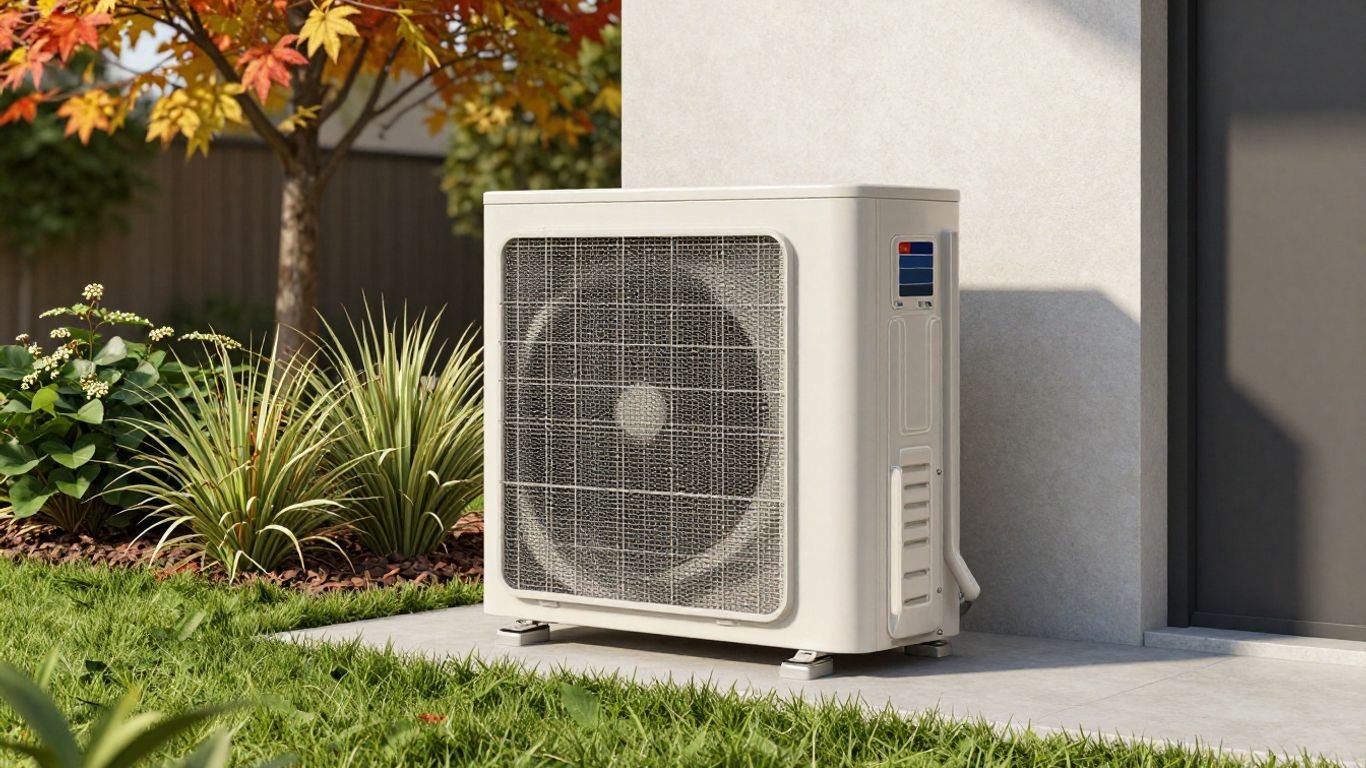
Heat Pumps Explained: Costs, Benefits, Efficiency, and Common Problems
Key Takeaways
Understanding how a heat pump functions can significantly impact your home comfort and long-term energy strategy. Here are the core highlights for homeowners:
- Heat pumps transfer rather than generate thermal energy.
- Upfront investment is offset by potential government incentives.
- Selecting the right system sizing is critical for operational efficiency.
- Regular expert maintenance extends the life of mechanical components.
- Dual-fuel systems provide a reliable backup for extreme cold.
What is a heat pump?
How the technology moves heat rather than generating it
A heat pump represents a fundamental shift in how we manage residential temperatures by using refrigeration cycles to move energy instead of burning fuel. At Mixed Nature, we emphasize that maintaining a stable indoor environment is deeply connected to personal well-being, and this technology acts as a foundation for that balance. By circulating refrigerant through a series of coils, the system absorbs heat from one location and releases it into another, which is a surprisingly elegant way to maintain comfort year-round.
Differences between air-source and geothermal systems
Standard air-source units draw and discharge heat via the outdoor air, while geothermal systems trade heat with the stable thermal mass underground. This distinction determines the overall climate suitability for your specific geography. For many households, the air-source Heat Pump HVAC is the most common entry point because it utilizes existing ductwork to distribute air efficiently throughout the living space.
Understanding cooling and heating cycles
These systems function like a two-way street, where a reversing valve allows the system to switch between cooling your home in the summer and warming it in the winter. During the warm months, the process acts like a standard air conditioner to draw moisture and heat out of your rooms. When temperatures drop, the process flips its cycle, pulling ambient energy from the outdoors to move it inside, effectively acting as a central heating source.
Basic design and operating principles
The architecture of these units relies on the compression of refrigerant to change its temperature as it moves between an indoor and outdoor handler. Because we prioritize health at Mixed Nature, we frequently advocate for high-quality air filtration integrations that can be added to these systems. This basic design allows for precise temperature regulation that remains far more consistent than the crude on-off cycling found in traditional old-fashioned furnaces.
Analyzing the upfront costs of heat pump systems
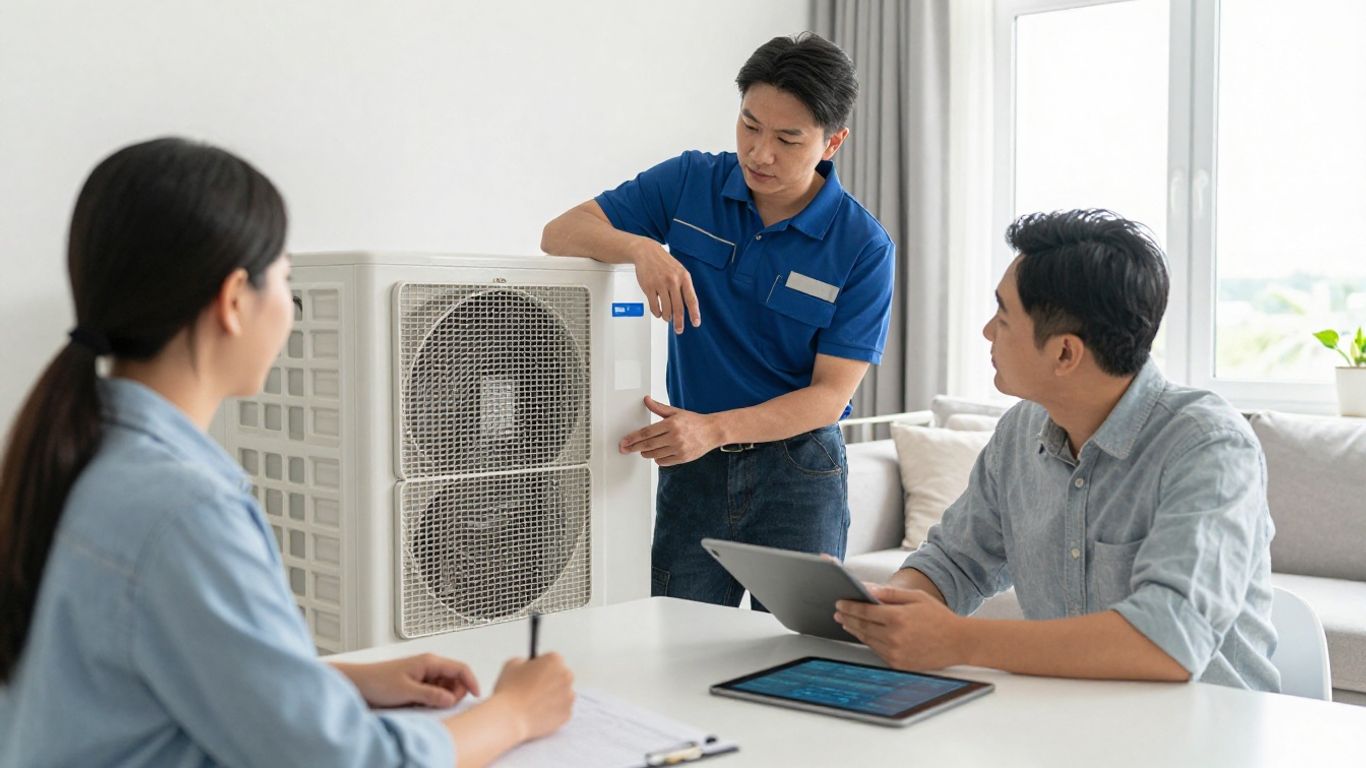
Navigating the purchase of a new climate control system is a major financial commitment that requires examining the total budget from multiple angles. It is common for homeowners to compare the initial sticker price against expected monthly savings, balancing immediate out-of-pocket costs with long-term performance gains. When evaluating your options, consider the total project scope including unit selection, potential electrical upgrades, and the professional expertise required for proper installation.
Breaking down equipment and professional installation pricing
The overall cost depends heavily on the unit efficiency rating, whether you choose a ducted or ductless system, and the complexity of the labor involved. In many cases, the True Appliance Repair network may assist in troubleshooting older units, but installing a new system is a specialized trade that demands certified HVAC contractors who understand refrigerant handling and modern electrical requirements.
Evaluating the impact of government rebates and tax credits
Financial incentives are frequently available to reduce the net cost of upgrading to modern electric heating. Savvy homeowners often leverage these programs to bridge the gap between initial luxury pricing and the affordability of standard central air units. Researching local utility-sponsored programs alongside national tax credits can significantly lower your effective investment when done early in your planning phase.
Comparing total cost of ownership against traditional HVAC
Modern systems often win on lifetime value despite a higher entry price point because they replace two separate units with one Electric heating and cooling solution. When assessing Levelized Cost of Electricity metrics, it clearly shows that the operational longevity and efficiency of these heat-transfer systems offer a distinct path toward lower monthly energy expenditures over the life of the machine.
Why system sizing matters for initial investment
Selecting the correct size—or tonnage—is the most influential technical detail for your financial return and system durability. An improperly sized unit will short-cycle, leading to increased wear and uneven temperature management throughout your living areas. Consulting a professional for a manual J load calculation ensures you do not waste money on oversized hardware that fails to optimize for efficiency.
Evaluating efficiency and performance in cold weather
The reality of heat pump performance during deep freezes
While modern advancements have improved performance in near-freezing temperatures, output can still taper off as the mercury drops significantly below zero. It is realistic to acknowledge that capacity decreases, which results in the system working harder to extract minimal ambient heat. This physical limitation is why many residents in northern climates opt for high-performance units specifically engineered for sub-zero operation.
Importance of supplementary or backup heat options
For areas experiencing severe, prolonged winters, a dual-fuel configuration serves as a vital safeguard. We suggest this to our Mixed Nature community because your comfort should never be compromised by a grid shortfall or extreme weather conditions. The system relies on a gas-fired furnace or electric heat strips as a secondary safety net whenever temperatures fall too deep into the freezing zone.
Understanding seasonal energy efficiency ratios
Efficiency ratings are calculated under specific testing conditions, providing a benchmark for how much energy a unit consumes relative to its output. A higher rating reflects a more intelligent use of power, though geographic climate zones play a major role in how these ratings translate to your annual bills. Owners should interpret these metrics as guideposts for performance rather than absolute results in every environmental scenario.
Reliability concerns during power grid instability
When the grid faces stress or potential blackouts, the efficiency of your equipment becomes a critical resilience factor. Understanding Power factor and how it affects overall system load can help homeowners coordinate their high-energy use times with peak grid stability. Having a secondary heating element available helps maintain core warmth until normal power operations are fully restored.
Pros and cons for the modern homeowner

Choosing a climate system involves balancing comfort, design, and long-term asset performance in a way that aligns with your household needs. Homeowners often find that the integration of a unified system creates a more cohesive living space. For the modern resident, the trade-off usually centers on whether the benefits of clean, consistent electricity-based heating and cooling outweigh the initial complexities and potential dependence on grid reliability.
Benefits of centralized climate control and air quality
Centralized systems provide uniform air flow throughout your home, ensuring that extreme temperature fluctuations in different rooms become a thing of the past. Beyond mere comfort, Mixed Nature encourages focusing on air filtration; high-efficiency system filters can drastically reduce dust, dander, and allergens in your home. This level of quality control is essential for maintaining a healthy environment for your family and even protecting textured hair from dry or polluted indoor air.
Concerns regarding dependency on the electric power grid
Reliance on a single power source means that any interruption to the line effectively shuts down your climate system. While most cooling and heating components are highly dependable, this vulnerability is real compared to a traditional gas furnace that may operate on a simple pilot light during minor power flickers. Homeowners worried about stability often supplement their strategy with battery backup systems or auxiliary heating sources.
Long-term asset value and home marketability
Upgrading your HVAC is frequently cited as a high-return home improvement project, as buyers prioritize modern, energy-efficient infrastructure. A system that offers both cooling and heating while lowering monthly utility bills is a major selling point in a competitive real estate landscape.
Freedom of choice in HVAC system selection
Homeowners now have more autonomy than ever, choosing between ducted, ductless, and hybrid setups tailored to their specific floor plans. This allows you to prioritize consistent thermal performance and air purity without being tethered to a single brand that dominates your local utility market. The ability to select components based on actual performance rather than legacy requirements is a powerful shift for consumers.
Common problems and maintenance requirements
Managing refrigerant leaks and compressor issues
Refrigerant leaks are the most common mechanical challenge, often requiring professional diagnosis and precision sealing to restore pressure. When the system fails to cool or heat properly, the issue typically stems from a drop in refrigerant charge or a failing capacitor in the compressor. Acting quickly on minor performance dips often prevents the total failure of expensive and vital electrical parts that are harder to source during high-demand months.
The need for regular professional maintenance cycles
Annual professional touch-ups should be considered mandatory to keep your warranty active and ensure the coils remain clean. A neglected system will struggle with airflow, leading to lower efficiency and potentially higher electrical usage. Think of these visits as a comprehensive wellness check that catches debris buildup or minor wear before it leaves your home uncomfortable for weeks.
Dealing with potential parts shortages and repair costs
Global supply chain variances can occasionally lead to waiting periods for specific replacement modules, which makes regular inspection even more vital. We recommend that homeowners establish a relationship with a local contractor before a major failure occurs. While you may manage basic filter changes, professional HVAC technicians possess the specific diagnostic tools necessary to handle complex electronic board and component replacements accurately.
How wear and tear impacts system lifespan
Mechanical stress accumulates over time, particularly for the components responsible for the outdoor heat pump cycle. Consistent, high-intensity use across extreme seasons accelerates the degradation of moving parts. Ensuring that the outdoor unit remains clear of vegetation and debris helps the unit breathe, significantly extending the life of the motor and internal fan assembly.
Making a sound financial and practical decision
Assessing your home’s existing insulation and ductwork
Before finalizing a purchase, you should thoroughly audit your home’s existing energy envelope to maximize your return. If your attic is poorly insulated or your ductwork leaks, you are essentially cooling the outdoors, regardless of the quality of your heating system. We advise performing an energy audit to ensure your home is as airtight as possible before committing to a major equipment change.
Factoring in long-term energy price volatility
Energy prices fluctuate, and locking in a versatile heating strategy is a logical hedge against unpredictable gas or oil market spikes. By utilizing a system that runs on electricity, you gain the opportunity to integrate future renewable sources like solar arrays into your home utility strategy. This transition is essential for those looking to secure long-term control over their monthly utility costs.
Avoiding the pitfalls of forced regulatory mandates
Regulatory landscapes vary by municipality and state, but homeowners should be wary of mandates that do not provide clear incentive paths for adoption. It is always better to transition to high-efficiency technology based on a clear analysis of your specific current needs rather than blindly following broad-brush legislative timelines. The best financial decision is always one that serves your specific home’s physical footprint.
When it makes sense to stick with traditional gas or oil furnaces
Sometimes, the most logical choice remains your legacy system, particularly in very old homes where ductwork retrofit costs are prohibitive. If your existing setup is in good condition and your local electricity prices are exceptionally high compared to fuel sources, sticking with an hybrid approach is often the smartest financial move. You can find essential guidance on comparing these systems in our heating solutions guide, which helps you evaluate which path offers the best cost-to-performance ratio for your family.
Consider this breakdown of system suitability below:
| System Type | Primary Benefit | Best For |
|---|---|---|
| Air-Source Heat Pump | Unified Temperature | Standard Suburban Homes |
| Geothermal System | Maximum Efficiency | Large Rural Properties |
| Dual-Fuel | Cold Climate Resilience | Northern Winter Regions |
Conclusion
Making the decision to upgrade your home environment is a journey that balances immediate comfort with long-term security. By selecting the right technology and maintaining it through consistent professional care, you create a sustainable foundation for your household that saves money and simplifies your energy usage.
Frequently Asked Questions
What makes a heat pump different from an air conditioner?
Both systems utilize a refrigeration cycle to transfer heat, but a heat pump is designed to reverse this process, allowing it to provide both heating and cooling from a single piece of equipment.
Will a heat pump work in temperatures below freezing?
Yes, modern units are designed for cold climates, though auxiliary heat is often utilized when external temperatures fall to extreme levels to maintain comfort inside.
How often should these systems receive professional maintenance?
It is standard practice to schedule a professional maintenance visit at least once per year to ensure the coils are cleaned and refrigerant levels remain optimal for peak efficiency.
Can heat pumps be installed in older homes without ductwork?
Yes, ductless mini-split systems enable homeowners to install high-performance climate zones without the need for large, extensive ventilation ducts throughout the entire structure.
Does switching to this technology eliminate the need for gas?
It can, though many homeowners choose a dual-fuel approach that keeps a small gas furnace as a supplemental heater for the most extreme winter conditions.
Are there tax incentives for installing this equipment?
Yes, various regional and national programs offer tax credits and rebates for installing high-efficiency units, which can significantly offset the primary installation expenses.
What is the average lifespan of a modern installation?
With regular maintenance, most homeowners can expect their investment to provide reliable climate regulation for fifteen to twenty years before needing a complete replacement.