
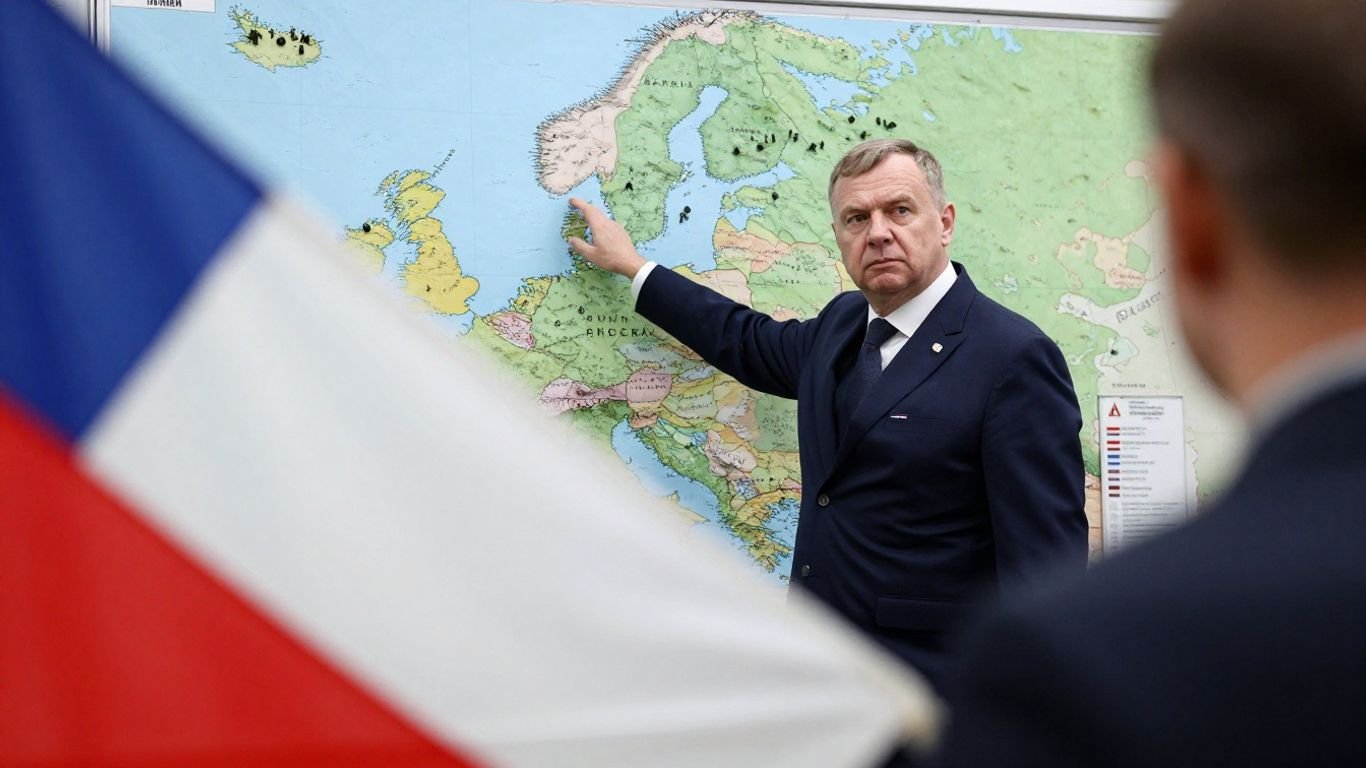
Sikorski Says Russia Lacks the Forces to Invade NATO
Polish Foreign Minister Radosław Sikorski has argued that Russia does not currently have the military forces needed to invade NATO. The assessment offers reassurance about the scale of a conventional attack, but it is not a guarantee against other forms of pressure or a substitute for continued defence planning among alliance members.
Key takeaways
- Sikorski’s central claim is that Russia lacks the forces for a full-scale invasion of NATO.
- His assessment concerns military capacity; it does not mean tensions or other security risks have disappeared.
- NATO’s collective defence commitment remains central to deterring an attack and responding if one occurs.
What Sikorski’s assessment means
Sikorski’s statement distinguishes between Russia’s ability to wage a large conventional war against NATO and the broader range of challenges facing the alliance. The claim is an assessment of current military capacity, not a prediction that Russia will never rebuild its forces or a guarantee that an attack is impossible.
The available information does not provide the evidence or detailed force comparisons behind Sikorski’s view. His comments should therefore be understood as a public assessment rather than a complete accounting of Russia’s military capabilities.
Why NATO’s readiness still matters
A full-scale invasion would bring an attacker into conflict with the NATO alliance, whose members have committed to collective defence. That shared commitment is intended to deter aggression, while military preparedness helps members respond to changing threats. Sikorski’s remarks do not remove the need for those measures.
Security concerns can also extend beyond a conventional invasion, including cyberattacks, disinformation and other pressure. The statement addresses the capacity for an invasion; it should not be read as dismissing every possible risk to NATO countries.
The wider significance
Sikorski’s comments contribute to public debate over how seriously European governments should view the Russian threat and how to balance reassurance with readiness. His argument may ease fears of an immediate large-scale attack, while leaving open questions about future military developments and the alliance’s response to less direct forms of confrontation.
For now, the key point is the limited scope of the claim: Sikorski says Russia lacks the forces to invade NATO. The assessment is not the same as saying that the security situation is settled.