
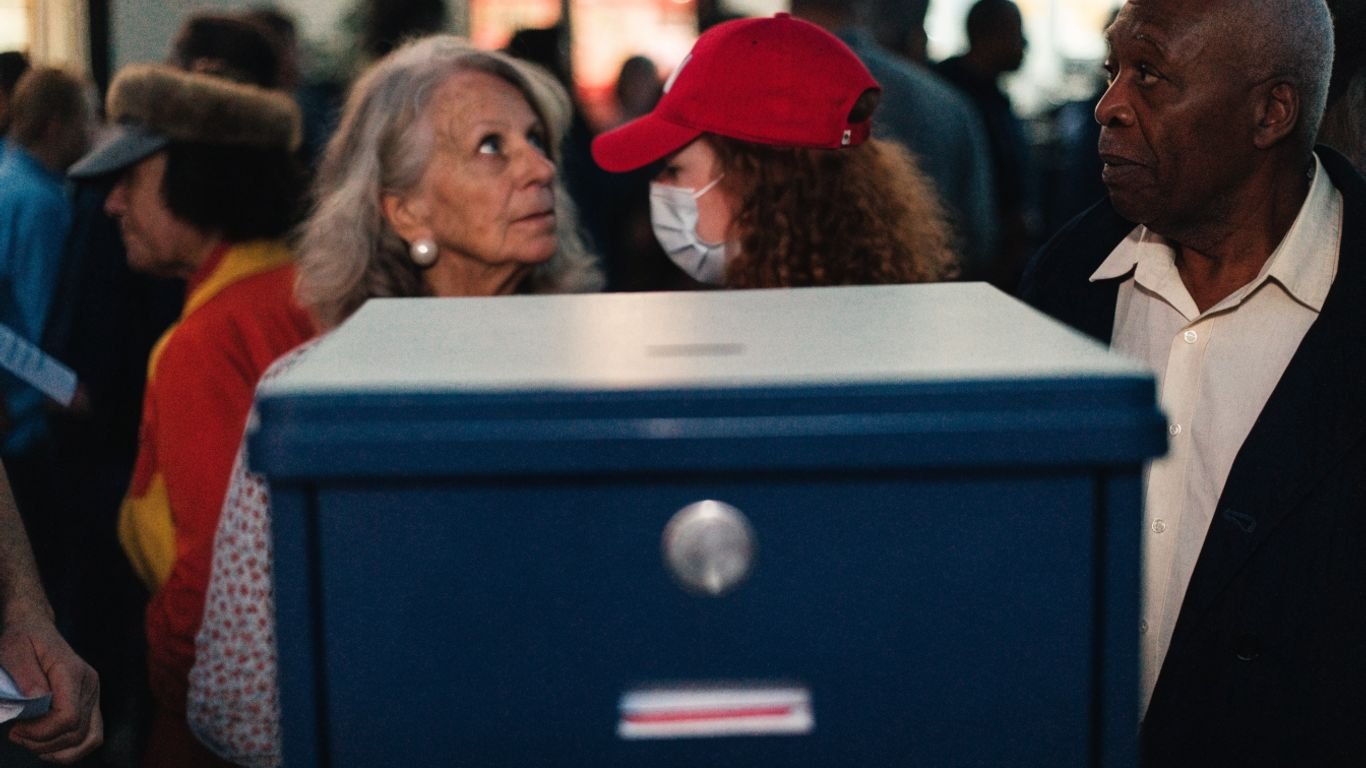
Election Reaction Puts the Focus on What the Numbers Can—and Can’t—Show
A sharply divided reaction to an election is the central theme of the material provided: some people are celebrating, while others are questioning the result. But the available information does not identify the election, jurisdiction, vote totals or specific figures being challenged. Without those details, claims about what the numbers mean cannot be independently assessed.
Key takeaways
- The supplied headline describes a polarized response to an election.
- A cited commentary title questions the numbers, but no calculations or evidence are included in the material provided.
- The election and the figures under discussion remain unidentified.
The distinction matters: a provocative question about election results is not, by itself, evidence of an error or irregularity. Readers need the underlying data and a clear account of how it was analyzed.
What the available information says
The headline portrays one side celebrating and another reacting with fatigue or disbelief. The only cited item is a Kunstler commentary titled “The Election Numbers Are A Little… Queer.” No article text, official results, location or date accompanies the information provided here, so the specific contest and the author’s reasoning cannot be confirmed.
The term in that title should not be mistaken for a documented finding. Without the underlying argument, it is not possible to know whether it refers to a perceived statistical anomaly, an unusual political outcome or simply a rhetorical impression.
What readers need to evaluate the claim
A meaningful review would identify the race, compare reported totals with official results and explain which figures appear unusual and why. It would also distinguish verified discrepancies from ordinary differences in reporting, counting or interpretation. The supplied material does not provide those details, so no conclusion about the accuracy of the numbers is warranted.
Representation requires careful reading
Election commentary often describes broad groups as if everyone within them shares the same views. Mixed Nature’s commitment to representing people across backgrounds without treating any community as a monolith offers a useful parallel: demographic labels alone cannot explain individual choices. Responsible analysis should rely on specific evidence rather than assumptions about who voted, or why.
Until the election and the figures at issue are identified, the fairest account is limited: the reaction is sharply divided, and a commentary has raised questions, but the evidence needed to assess those questions is absent from the material available.