
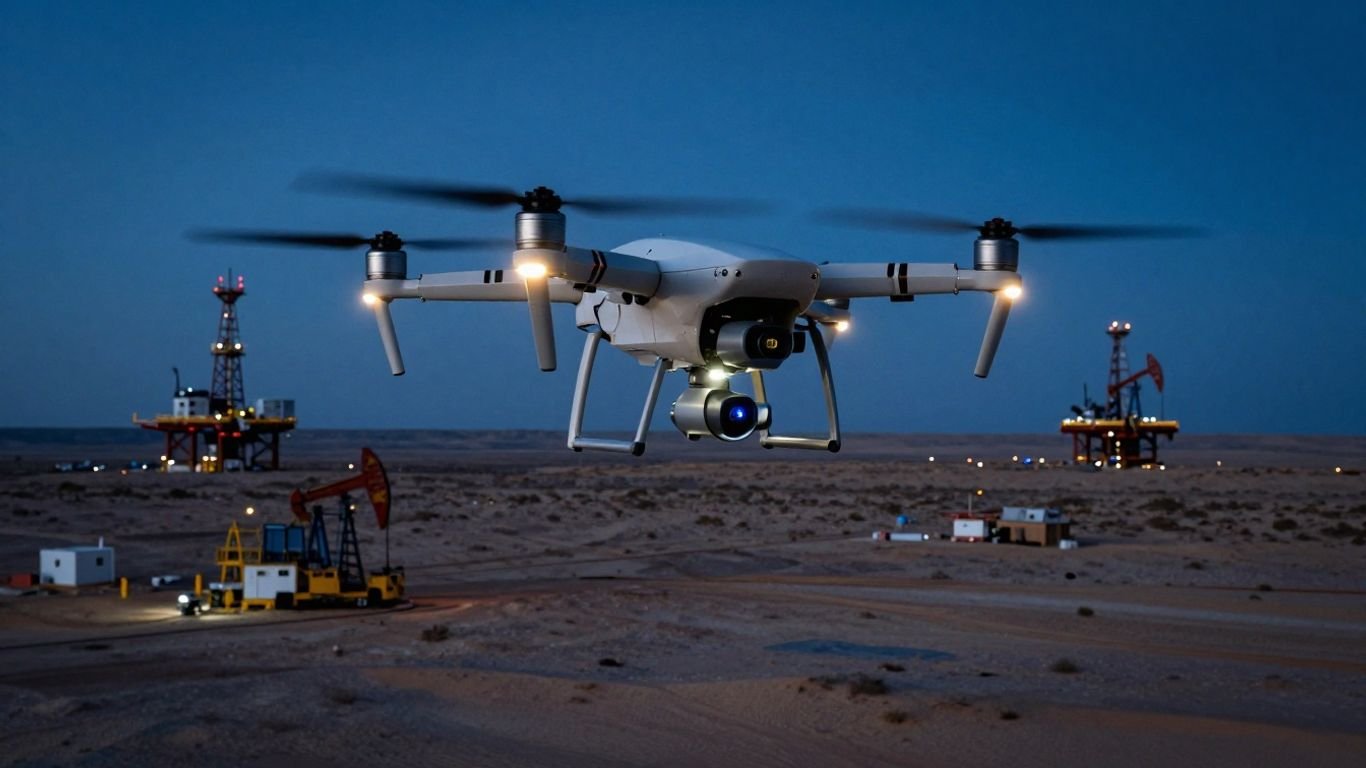
Breaking Drone News: Gulf States Targeted Amid New Drone Deals
There’s been a lot happening lately with drones in the Middle East, and it’s getting pretty intense. It seems like several countries in the Gulf region are finding themselves in the middle of it all. We’re seeing reports of drone activity hitting important places, and it’s sparking a lot of questions about who’s behind it and what it all means. This breaking drone news is definitely something to keep an eye on.
Key Takeaways
- Saudi Aramco’s oil refinery was reportedly hit by drone debris, causing a shutdown.
- The UAE reported intercepting a large number of drones and missiles, with some landing inside the country.
- France has deployed jets to help neutralize Iranian drones targeting the UAE.
- Kuwait reported civilian casualties, including an 11-year-old girl, from falling drone shrapnel.
- The US has authorized the evacuation of non-emergency personnel from its diplomatic facilities in Saudi Arabia and the UAE due to the drone attacks.
Breaking Drone News: Gulf States Under Fire
Things have really heated up in the Gulf region lately, with drone attacks becoming a major concern. It seems like almost every day brings new reports of these unmanned aerial vehicles causing trouble. Saudi Aramco’s massive oil refinery in the Eastern Province was hit, causing a significant disruption. This incident followed reports of earlier drone activity near the facility.
Across the border, the United Arab Emirates hasn’t been spared either. Reports indicate that both the US consulate in Dubai and a key port in Fujairah were targeted. The UAE’s defense forces have been busy, stating they intercepted a large number of drones and missiles. It’s a tense situation, and it’s clear that critical infrastructure is now squarely in the crosshairs.
Here’s a quick look at some of the reported incidents:
- Saudi Aramco Refinery: Targeted, leading to operational shutdowns.
- UAE Consulates and Ports: Multiple sites reported as hit or targeted.
- French Air Support: French Rafale jets were deployed, successfully neutralizing several Iranian drones threatening the UAE.
The constant threat from these drones, even if many are intercepted, creates a ripple effect. Airspace closures and disruptions to vital services become a regular headache for countries in the region, highlighting how a low level of persistent attacks can still cause significant problems.
It’s a complex and worrying development, and the international community is watching closely to see how this situation unfolds.
Escalating Drone Attacks Across the Middle East
It seems like every day brings more news about drones flying where they shouldn’t be. The IRGC, Iran’s Revolutionary Guard Corps, has been busy, claiming they’ve launched a significant number of drones at various locations. They’re saying these are some of their ‘first powerful steps’ in the ongoing situation.
These aren’t just random flights, either. We’re hearing reports of civilian casualties, which is just awful. An 11-year-old girl in Kuwait reportedly died after being hit by falling debris from an intercepted drone. That’s a tragedy no one should have to face.
Beyond that, facilities linked to US troops have been hit. Bases in places like Erbil, Iraq, and even in Kuwait have been mentioned. The US Embassy in Baghdad also reported a drone targeting a support facility near the airport. It’s a lot to take in, and frankly, it makes you wonder where it’s all headed.
IRGC Claims Extensive Drone Strikes
The IRGC has put out statements saying they’ve fired a large number of drones. They’re targeting places where US troops are stationed across the Middle East. This includes bases in Iraq and Kuwait, according to their claims. They’ve described these actions as significant initial moves in the conflict.
Kuwaiti Civilian Casualties Reported
Sadly, the drone activity has had devastating consequences for civilians. In Kuwait, a young girl lost her life due to falling shrapnel. The Ministry of Health confirmed the tragic incident, noting that medical teams tried their best but couldn’t save her. It’s a stark reminder of the human cost of these escalating tensions.
US Embassy Facilities Targeted in Iraq
Iraq has also been a focal point for these drone operations. Reports indicate that a facility supporting the US Embassy in Baghdad was targeted. This follows earlier attempts near the airport. In the Kurdish region of northern Iraq, specifically Erbil, a US military base and a hotel were reportedly hit by drones. There were also reports of a building in Sulaimaniyah being struck the day before.
International Response to Drone Barrage
US Authorizes Personnel Evacuation
The United States has given the green light for non-emergency government staff and their families to leave its diplomatic posts in Saudi Arabia and the UAE. This move comes as drone attacks continue to rattle the region, raising concerns about the safety of personnel stationed abroad. It’s a clear signal that the situation is being taken very seriously at the highest levels.
Qatar Airspace Temporarily Suspended
Qatar’s airspace saw a temporary shutdown, impacting flight operations for Qatar Airways. This disruption highlights how widespread the drone activity has become, affecting even civilian travel and commerce. The closure was a precautionary measure to ensure safety amid the ongoing aerial threats.
France Deploys Rafale Jets to UAE
France has stepped up its involvement by sending Rafale fighter jets to the United Arab Emirates. These advanced aircraft are intended to help neutralize Iranian drones targeting the UAE. With a significant French military presence already in the region, this deployment underscores a coordinated international effort to counter the escalating drone threat and protect key allies.
Ceasefire Strains Amidst Continued Drone Activity
Well, it seems like that ceasefire everyone was talking about is already on shaky ground. Just hours after the announcement, reports started coming in about more drone activity across the Gulf. It’s like they agreed to a timeout, but the game just kept going.
Iran Launches Missiles Post-Ceasefire
Even as the ink was drying on the ceasefire agreement, Iran launched missiles toward Israel. Sirens wailed in cities like Tel Aviv and Jerusalem. It makes you wonder if the agreement was even understood the same way by everyone involved. The Iranian Foreign Minister put out a statement saying the U.S. has to choose between a ceasefire and continued war through Israel, which sounds like they’re already looking for loopholes or ways to shift blame.
Saudi Arabia Intercepts Multiple Drones
Saudi Arabia reported intercepting and destroying nine drones in the recent hours. This happened after a drone strike caused a fire at a Saudi Aramco refinery, leading to a shutdown. It’s a clear sign that even if some fighting stops, the threat isn’t over. The attacks are hitting key infrastructure, which is pretty worrying for the region’s stability.
UAE Reports Significant Drone Interceptions
The United Arab Emirates had a busy time, too. Their defenses took down 17 ballistic missiles and 35 drones. Reports also mentioned strikes on the U.S. consulate in Dubai and a port in Fujairah. It’s a lot to handle, and it shows how widespread these drone operations are becoming. Even with a ceasefire, the skies over the Gulf are far from quiet.
The situation highlights how fragile these agreements can be. A few violations, even if they seem minor to some, can quickly erode trust and escalate tensions. It’s a delicate dance, and one wrong step could send everything spiraling.
Here’s a quick look at some of the reported interceptions:
- Saudi Arabia: 9 drones destroyed.
- United Arab Emirates: 17 ballistic missiles and 35 drones downed.
- Kuwait: 42 drones and 4 ballistic missiles intercepted.
- Qatar: 10 drones and 2 cruise missiles intercepted.
It’s clear that even with a pause in major hostilities, the drone war is far from over. The constant interceptions and the targeting of critical infrastructure mean that the region is still very much on edge.
US Drone Manufacturing and Political Ties
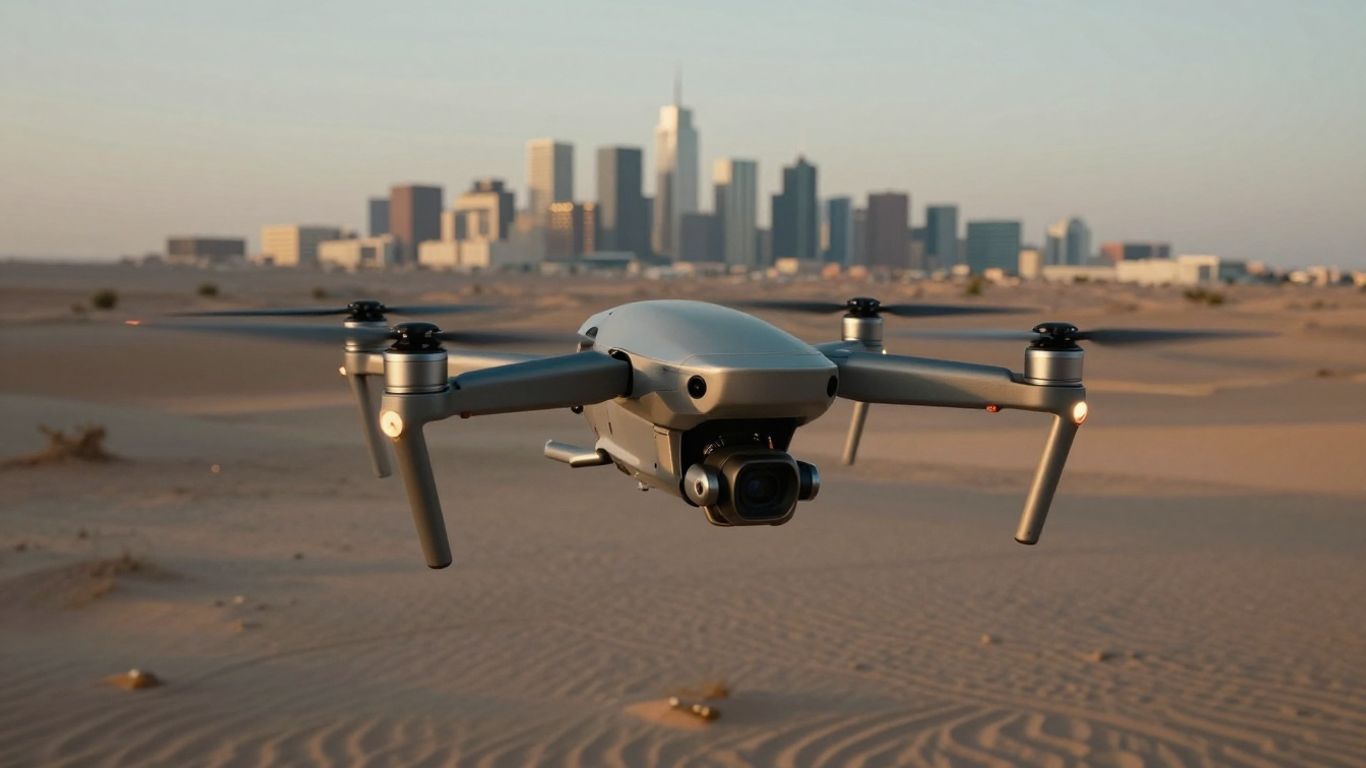
Pentagon Funding for US Drone Production
The Pentagon has set aside a significant amount of money, around $1.1 billion, to boost domestic drone manufacturing. This move aims to fill a gap created after the previous administration put a ban on importing armed drones from China. It’s all about building up our own capabilities right here at home.
Trump Organization’s Drone Venture
It looks like the Trump Organization is getting into the drone game too. They’re reportedly looking to merge with a company called Powerus, which is already making drones for things like farming and fighting wildfires. The idea is to use a sort of shortcut, a "reverse merger," to get Powerus listed on the stock market quickly. This could help them raise more money to expand their operations, especially for military uses. Eric Trump mentioned that drones are "clearly the wave of the future" and expressed pride in investing in companies he believes in. It’s interesting to see how these business moves align with government funding initiatives.
Powerus Expansion for Military Use
Powerus, founded by former US Army Special Operations folks, is already doing well with commercial drones. Now, they’re gearing up to supply the military. They recently brought in $60 million from investors and are looking for more. This expansion ties in nicely with the Pentagon’s push for more US-made drones. It seems like a lot of players are seeing the potential in this market right now.
The drone industry is seeing a lot of activity, with both government funding and private investment pouring in. Companies are looking to capitalize on the growing demand for drone technology, whether for civilian or military applications. This increased focus on domestic production could reshape the landscape of drone supply chains.
Here’s a quick look at some of the drone activity and related news:
- Pentagon’s Drone Production Fund: $1.1 billion allocated to bolster US manufacturing.
- Trump Organization’s Interest: Exploring a merger with drone maker Powerus.
- Powerus Growth: Expanding from commercial to military drone supply.
- Recent Drone Incidents: Reports of drone attacks in the Gulf states, including Saudi Arabia and the UAE, have heightened concerns.
- Ceasefire Strains: Drone activity has continued even after reported ceasefire agreements, indicating ongoing tensions.
Regional Infrastructure at Risk
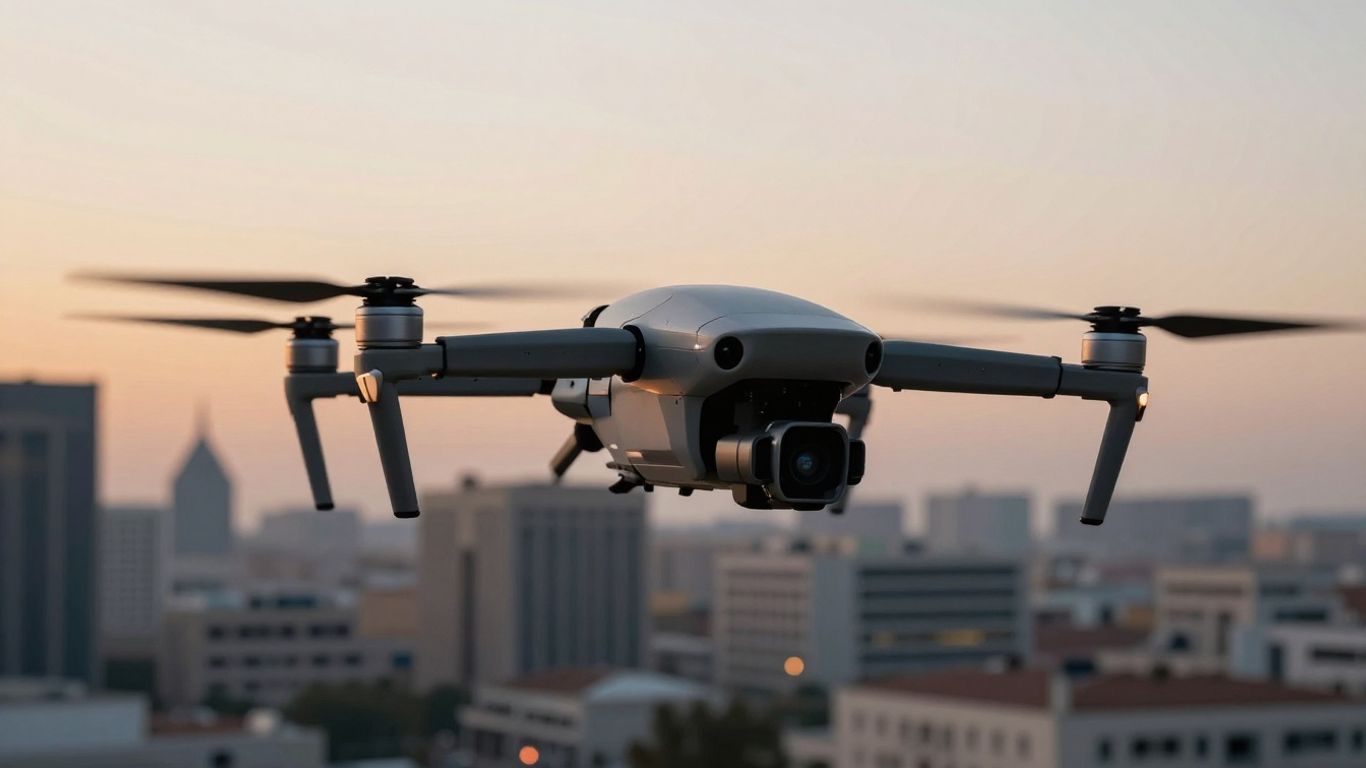
Things are getting pretty hairy across the region, and it’s not just the big military bases or government buildings feeling the heat. We’re seeing a real pattern of attacks hitting places that keep the lights on and the economy running. It’s a worrying trend, honestly.
Kuwaiti Oil Facilities Targeted
Kuwait’s oil infrastructure has been directly in the crosshairs. Reports indicate that some of its vital oil facilities have been targeted, raising serious concerns about the stability of global energy supplies. This isn’t just about one country; it affects everyone when oil production is disrupted. The potential for widespread economic fallout is significant.
Critical Infrastructure Under Threat
Beyond oil, other essential services are also facing danger. We’re talking about power grids, water treatment plants, and communication networks – the backbone of modern society. If these get hit, the ripple effects could be devastating, impacting daily life for millions. It’s a stark reminder of how vulnerable these systems can be.
Bahrain Reports Drone Debris Impact
Even when direct hits are avoided, the fallout from intercepted drones is causing problems. In Bahrain, for instance, there have been reports of drone debris causing impacts. While not a direct strike, this still poses a risk to property and potentially people. It highlights the challenges of air defense and the unintended consequences of these aerial skirmishes. The ongoing drone activity means that Iran continues to launch missile and drone attacks targeting energy and infrastructure sites, even as defenses are bolstered.
Here’s a quick look at some of the types of infrastructure that have been affected:
- Energy production facilities (oil refineries, pipelines)
- Transportation hubs (ports, airports)
- Communication networks
- Power generation and distribution centers
The interconnected nature of modern infrastructure means that an attack on one system can quickly cascade, affecting others. This creates a complex and dangerous environment where the consequences of drone strikes extend far beyond the immediate target.
What’s Next?
So, with all these drone attacks happening across the Gulf and even hitting places like Saudi Arabia and the UAE, it’s clear things are pretty tense. Even with some talk of ceasefires, the attacks seem to keep coming, causing disruptions and, sadly, even casualties. It really makes you wonder how long this will go on and what it means for the region. It’s a complicated situation, and honestly, it feels like we’re just watching to see what happens next.
Frequently Asked Questions
What is happening in the Gulf States?
There have been many drone attacks targeting important places in Gulf countries. These attacks have hit oil facilities, airports, and even places where people live. Some countries have had to temporarily close their airspace because of the danger.
Who is behind these drone attacks?
Iran’s Revolutionary Guard Corps (IRGC) has claimed responsibility for many of these drone strikes. They say these are some of their first actions in a larger conflict.
Have there been any civilian casualties?
Sadly, yes. Reports indicate that a young girl in Kuwait was killed by falling debris from an intercepted drone. Other areas have also reported damage to homes and buildings.
How are other countries responding to these attacks?
Some countries are sending military help. For example, France has sent fighter jets to assist the UAE. The United States has also authorized the evacuation of non-essential government workers from some areas due to the risk.
Is there any sign of peace or a ceasefire?
There have been reports of ceasefires being announced, but they seem to be very shaky. Even after an agreement, drone and missile attacks have continued, making it hard to know if the fighting will stop.
Are US drone companies involved?
Yes, there’s a new focus on US drone production. The Pentagon is putting money into making drones in the US. There’s also a business venture linked to the Trump family that is expanding its drone operations for military use.



![[Tulsi Gabbard] speaks about US strategy, serious expression.](https://countrybrief.com/wp-content/uploads/2025/11/thumbnail-26-768x432.jpeg)