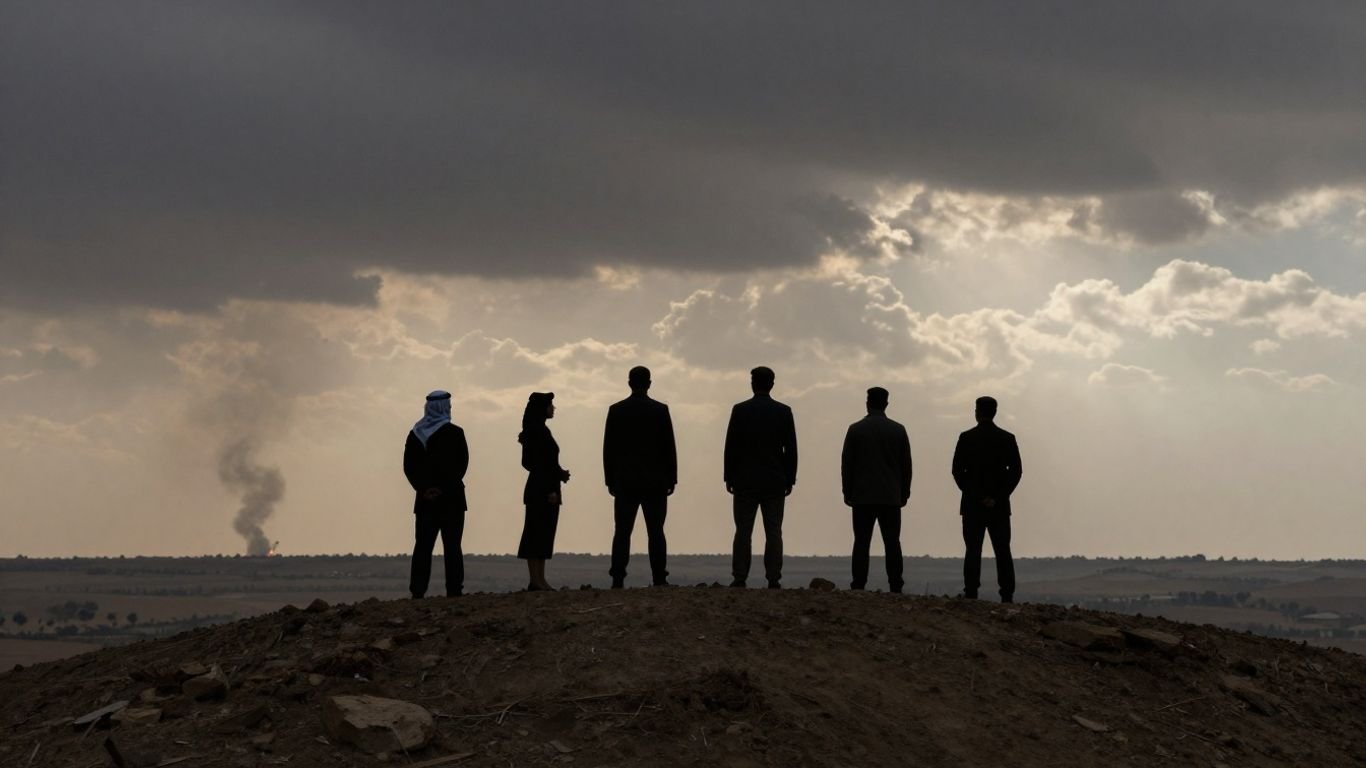
Global Powers Push for Middle East Ceasefire Amid Escalating Tensions
Tensions are running high in the Middle East, and the world is watching closely. Countries like China and Pakistan are stepping up, trying to push for a Middle East ceasefire as fighting spreads and risks spill over into global markets. With oil prices climbing, supply chains rattled, and civilians in harm’s way, the pressure is on for leaders to find a way out. There’s a lot at stake—not just for the region, but for everyone who relies on its energy and stability.
Key Takeaways
- China and Pakistan have put forward a five-point plan to encourage a Middle East ceasefire and open up talks.
- The ongoing conflict is driving up oil prices, threatening global trade routes, and making everyday goods more expensive.
- Attacks on energy plants and civilian areas are causing serious harm and raising fears of a bigger humanitarian crisis.
- Pakistan is working with other countries to get the main players talking and try to calm things down.
- There’s debate over whether China is ready to play a bigger role in keeping the peace, or if its involvement is mostly about protecting its own interests.
Global Powers Push for Middle East Ceasefire Amid Escalating Tensions
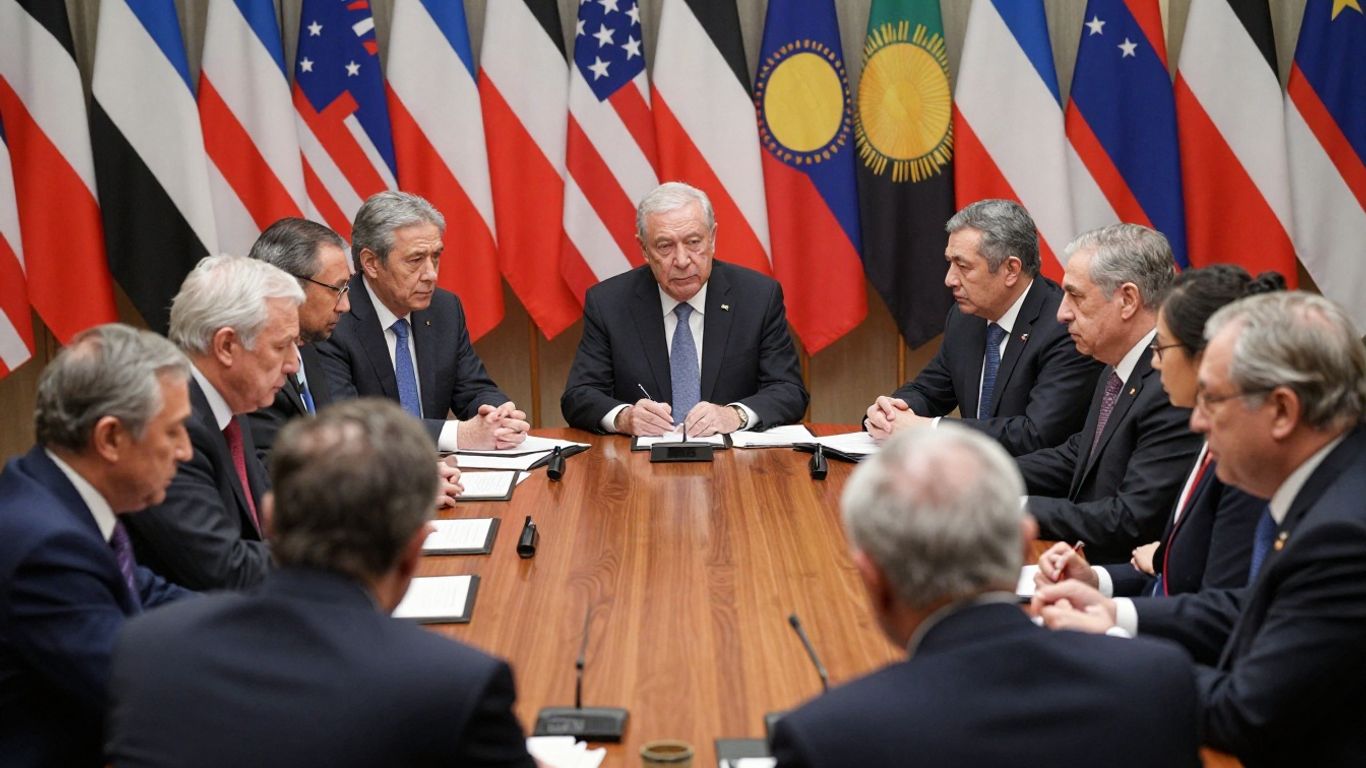
Tensions in the Middle East are reaching a boiling point, and global powers aren’t just watching from the sidelines. The stakes are high—not only for the region but for international security and the global energy market. As Iran, Israel, and Western forces trade blows, outside actors are stepping up their political game to prevent outright disaster. Let’s take a look at the latest moves and why they’re making headlines.
China and Pakistan Unveil Five-Point Peace Initiative
China and Pakistan rolled out a new blueprint for peace in the war-torn Gulf at a high-profile summit in Beijing on March 31, 2026. Their five-point plan is more than just another bureaucratic wish list:
- Immediate ceasefire—to stop the firing and bring an end to the chaos now.
- Humanitarian access, calling for aid workers and supplies to reach the injured and displaced.
- A restart for peace talks. They want the big players—especially the US and Iran—to sit down and hash things out, respecting each other’s borders.
- Banning attacks on civilians and vital sites—no more strikes on hospitals, power plants, or anything else that keeps people alive.
- Support for international law, pointing out that only diplomacy, not violence, can solve this mess.
The world can’t afford more regional mayhem. Stopping the bleeding now is in everyone’s best interest—politically, economically, and morally.
Urgent Need for De-escalation and Diplomatic Engagement
With wider international involvement in the conflict, de-escalation is the new rallying cry. Countries from Turkey to NATO allies are weighing their options, all while Iran keeps pushing boundaries and Israel hammers back harder. These are some clear reasons global leaders are jumping into mediation:
- Risk of the conflict erupting across several countries
- Threats to global trade, especially oil shipment through the Strait of Hormuz
- Potential for rising terror activity and chaos if things get further out of hand
Right now, everyone from the UN to regional powers says there’s no solution without real dialogue. But until both sides quit stonewalling, diplomacy is easier said than done.
Protecting Civilians and Critical Infrastructure
Civilian suffering has exploded as the war spreads. Power plants have been hit in Kuwait, oil fields targeted in Saudi Arabia, and peacekeepers killed in Lebanon. Children, workers, and families find themselves as collateral damage with every new round of attacks.
Here’s a quick rundown of what’s at stake:
| Country | Civilian Casualties | Infrastructure Hit | Displaced |
|---|---|---|---|
| Iran | 1,900+ | Petrochemical Plant | N/A |
| Lebanon | 1,200+ | UNIFIL Base | 1,000,000+ |
| Kuwait | 1+ | Power Plant | N/A |
| Israel | 19+ | Energy Sites | N/A |
Protecting non-combatants and keeping energy flowing are priorities talked up by global leaders, but so far, peace remains fragile. With the economic pain rising at home, Western countries are now pushing publically for a serious ceasefire. Somebody, somewhere, needs to put the brakes on this thing before it gets worse.
Economic Stakes and Strategic Interests Drive Diplomatic Efforts
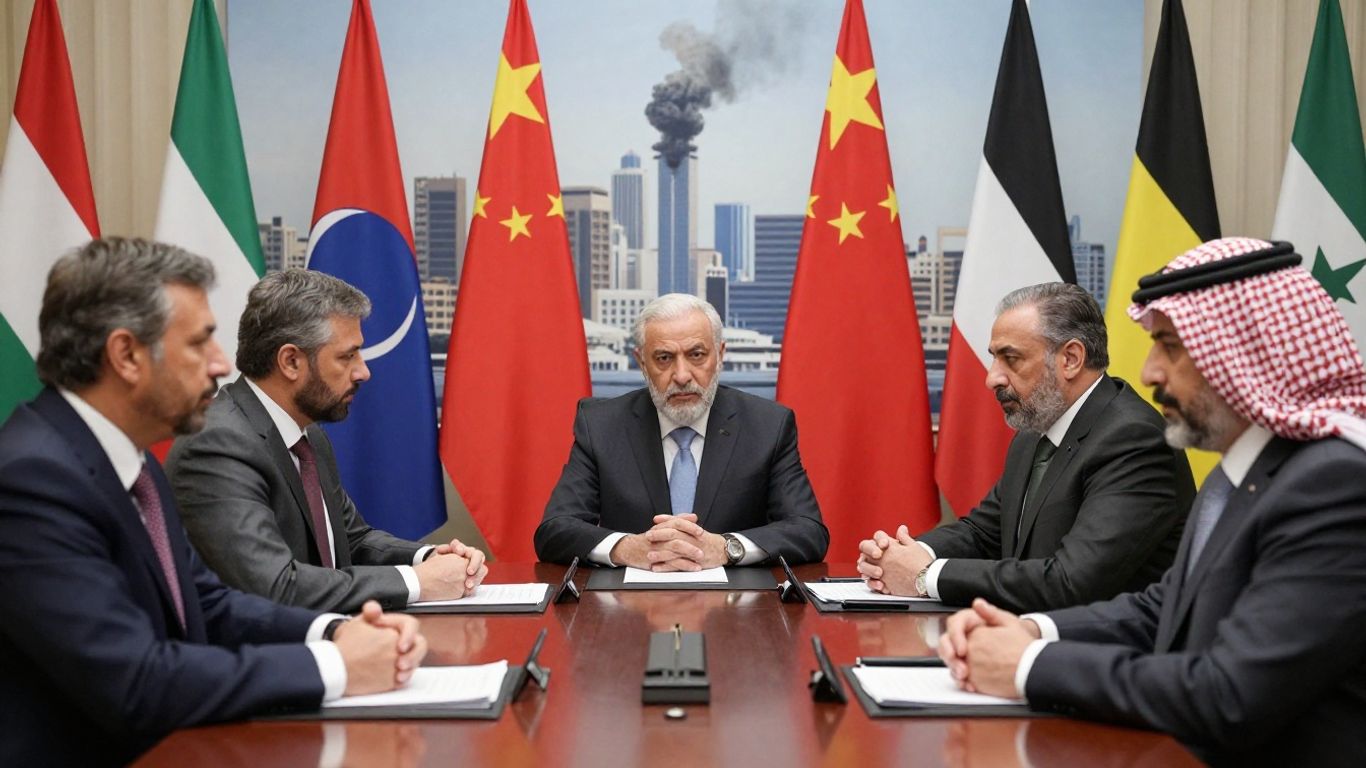
The fight in the Middle East isn’t just about politics—it’s about money, resources, and raw power. When countries start throwing missiles around one of the world’s biggest energy hubs, you bet the rest of the world pays attention. What’s really pushing big players to the negotiating table right now isn’t just peace; it’s the urgent need to keep the oil flowing and markets calm.
Securing Global Energy Markets and Trade Routes
Every time things heat up near the Strait of Hormuz, oil prices jump. A ton of the world’s oil moves through this tight channel—it’s the lifeblood for countries like China, Japan, and a good chunk of the West.
- Oil and gas prices skyrocket when tankers stop moving.
- Insurance costs for ships surge overnight, and some firms simply avoid the area.
- Even a brief disruption threatens everything from gas stations in Texas to factories in Shanghai.
Here’s where things stand right now:
| Region | Percent of Global Oil Flow | Main Concern |
|---|---|---|
| Strait of Hormuz | 30% | Shipping disruption |
| Suez Canal | 6% | Blockages, sabotage |
| Bab al-Mandeb | 9% | Piracy, missile risk |
China’s Growing Role in Regional Stability
China’s interest here isn’t just diplomatic handshakes. With so much of its energy and business tied up in the region, Beijing can’t afford chaos. Lately, China has dropped its old, hands-off attitude and started pitching peace plans and trade deals. Beijing’s leaders want to look like problem-solvers, all while locking down strategic partnerships with both Gulf states and Iran.
- Chinese oil imports: nearly half comes from the Middle East
- Big infrastructure deals: ports, power plants, and railways popping up across the region
- Active diplomacy: organizing talks, pushing for ceasefires
China’s approach is pragmatic—no boots on the ground, just deals and diplomacy. Unlike the U.S., which relies on aircraft carriers and troops, China aims to keep cash and cargo moving without taking sides in every fight. For more on how countries balance tradition and trade during conflict, check out insights from Middle East post-Iran conflict.
Impact on Global Supply Chains and Investment
It’s not just oil that gets tangled up when missiles start flying. The Middle East connects Asia, Europe, and Africa—mess with trade here and it’s a headache for everyone.
- Electronics and cars that rely on just-in-time shipments get delayed
- Investors get jittery, holding back cash on risky deals
- Food, medicine, and basic commodities can dry up in areas cut off by border shutdowns
Even a short conflict in the Gulf can throw a wrench into the world’s biggest supply chains, leaving shelves emptier and prices higher back home.
In the end, economic stability in the Middle East isn’t some far-off issue. It shapes how much folks pay for gas, groceries, and nearly everything else. That’s why global powers—especially countries like China—aren’t just chatting about peace for show. Their wallets and voters demand real results, and fast.
Escalating Conflict Threatens Global Peace and Security
Iran’s Aggression and International Response
The current conflict, fueled by Iran’s aggressive posturing and its proxies’ actions, is a direct threat to global stability. We’re seeing a dangerous pattern where international law is ignored, and power politics are taking center stage. This isn’t just a regional issue anymore; it’s a global problem with serious consequences.
Attacks on Civilian Infrastructure and Energy Facilities
The deliberate targeting of civilian infrastructure and vital energy facilities is unacceptable and has far-reaching implications. This isn’t just about property damage; it’s about crippling economies and creating widespread fear. Disruptions to energy supplies mean higher prices for everyone, impacting everything from the gas pump to the cost of goods. It’s a direct hit to our wallets and our way of life.
Humanitarian Crisis and Civilian Casualties
Civilians are always the ones who pay the highest price in these conflicts. We’re seeing rising death tolls and shattered lives, a tragic reminder of the human cost of war. The UN Secretary-General has pointed out that the Middle East crisis is a prime example of this unfolding tragedy. It’s a humanitarian disaster that demands our attention and action.
- Immediate ceasefire needed.
- Humanitarian aid must reach those in need.
- International law must be respected.
The world is watching as tensions escalate, and the consequences are felt far beyond the immediate region. We need to see a clear path towards de-escalation before things get even worse.
Pakistan’s Diplomatic Push for Regional Mediation
Pakistan isn’t just sitting on the sidelines—it’s actively stepping into the mess of Middle East tensions, taking up the task of mediator while the world watches. Since the start of this most recent crisis between Iran, the US, and Israel, Islamabad has thrown itself into shuttling between capitals, hosting high-stakes talks and urging everyone to calm down before things spiral further out of control. This campaign isn’t all talk; Pakistan is leveraging its relationships across the Muslim world and with China to make a real difference.
Coordinating Mediation Efforts with Global Partners
You can’t just walk in and expect centuries-old grudges to disappear. That’s why Pakistan’s recent move—pulling in heavyweights like Saudi Arabia, Turkiye, and Egypt for talks in Islamabad—matters. By getting these major players at the same table, Pakistan builds a united front to push both Washington and Tehran toward some common ground. In fact, meetings like the one in late March were a direct response to the urgency leaders are feeling over the rising danger to the whole region’s stability.
- Regular meetings with regional partners ensure aligned strategies.
- Continuous engagement with China boosts international credibility.
- Focused talks on civilian safety and trade security benefit all sides.
Pakistan’s efforts, which included pressing on despite health issues for its own diplomats, send a clear message: this mediation push is more than political theater, it’s a call to action for peace in tough regional diplomacy.
Pakistan’s Role as an Intermediary
Let’s be real: not many countries can talk to Tehran, Riyadh, Cairo, and Washington without torching some bridges. That’s where Pakistan’s advantage comes in. It’s long played the part of the go-between, keeping lines open with the West and staying tight with other Muslim states. Now, as the crisis heats up, this experience is being put to the test.
Main attributes of Pakistan’s intermediary approach:
- Diplomacy-first mindset, focused on dialogue over confrontation.
- Willingness to host and facilitate tough conversations.
- Ability to interpret and relay concerns from multiple sides.
In these times, you need someone willing to stick their neck out, and Islamabad is betting its political capital on finding a peaceful solution that doesn’t involve more destruction.
Aligning Positions for Future Negotiations
Here’s the tricky part: it’s not just about getting people in a room. True mediation means making sure nations have, at the bare minimum, enough shared interests or understanding to keep talks from blowing up. Pakistan’s been busy "aligning positions"—diplomatic speak for finding threads of agreement, like calls for civilian protection or safeguarding critical infrastructure. Working closely with China brings extra weight, with Beijing’s support boosting Pakistan’s hand in nudging the process forward.
| Regional Mediation Fact Sheet | Details |
|---|---|
| Key Countries Involved | Pakistan, Turkiye, Saudi Arabia, Egypt |
| Global Partners | China, United States |
| Main Mediation Objectives | De-escalation, reopening dialogue, ceasefire |
| Notable Challenge | Long-standing mistrust among parties |
Ultimately, the payoff could be huge—or another letdown if parties are unwilling. But at least for now, Pakistan seems determined to keep pushing its role as the responsible mediator, based on both national interest and international respect.
Debate Over China’s Role in Middle East Ceasefire
China’s Strategic and Economic Motivations
Look, China’s suddenly getting very interested in peace in the Middle East, and you have to ask why. It’s not exactly a sudden burst of altruism. Beijing’s biggest worry is its oil supply. A huge chunk of the oil China imports goes through the Strait of Hormuz. If that gets messed up, their economy takes a serious hit. We’re talking about their energy security and, frankly, their whole economic stability. Plus, the Middle East is a big market for Chinese goods and investments, from infrastructure to electric cars. A prolonged conflict messes all that up, driving up prices and messing with supply chains. It’s all about protecting their bottom line.
Potential for China as a Guarantor of Peace
Some folks think China could step in and guarantee a peace deal. They point to China’s business ties with Iran and their generally stable relationships across the region. The idea is that Beijing could help make sure everyone sticks to an agreement. They’ve even managed to get Saudi Arabia and Iran talking before, which was something. But let’s be real, China is still pretty cautious. They don’t have the same military presence in the Gulf that the U.S. does, and they usually try to steer clear of getting directly involved in conflicts. It’s a tough sell to think they’ll suddenly become the world’s peacekeeper.
Skepticism Regarding China’s Security Commitments
Others are not so sure. China’s foreign policy is usually pretty hands-off when it comes to security. They’re more interested in trade and economic deals. While they’ve put out this five-point plan with Pakistan, which sounds nice, it’s unclear how much they’re willing to put on the line to actually enforce anything. They want stability, sure, but mostly so their own economic interests aren’t threatened. It’s a big leap from wanting stable trade routes to being a reliable security guarantor. We’ve seen how quickly things can change, and former President Trump has reportedly blocked efforts to initiate ceasefire talks with Iran, showing how complex these situations are [3c43]. It makes you wonder if China’s involvement is more about managing risk for themselves than genuine peacemaking.
The Path Forward: Dialogue and Adherence to International Law
Look, nobody wants to see this mess in the Middle East drag on. It’s bad for everyone, and frankly, it’s getting dangerous. The big talk from global powers about peace is fine and dandy, but we need to see some real action. It’s time to get back to basics: talking things out and actually following the rules everyone agreed to. We need an off-ramp to this conflict, and we need it yesterday.
Commitment to the UN Charter and Multilateralism
It’s pretty simple, really. The United Nations Charter is supposed to be the bedrock of how countries interact. It’s all about respecting borders and not just throwing your weight around. Right now, it feels like that’s being ignored. We’re seeing power politics take over, and that’s a slippery slope. We need countries to recommit to this charter, not just pay lip service to it. It’s the only framework we have for trying to keep things from spiraling completely out of control. This isn’t just about the Middle East; it’s about the whole global order.
Ensuring Maritime Security and Free Navigation
This whole conflict is messing with shipping lanes, especially around the Strait of Hormuz. That’s a big deal for global trade and energy supplies. If ships can’t move freely, prices go up for everyone, and that hurts ordinary people. We need to make sure those waterways are safe and open for business. It’s not just about oil; it’s about keeping the global economy from grinding to a halt. Attacks on civilian infrastructure and energy facilities are unacceptable and must stop. International law needs to be upheld here.
The Urgent Need for an Off-Ramp to Conflict
So, what’s the plan? We need a clear way out of this mess. This means:
- An immediate ceasefire to stop the bloodshed.
- Getting humanitarian aid to people who desperately need it.
- Restarting serious talks, not just posturing.
The current situation is unsustainable. Every day the conflict continues, the risk of wider escalation grows, and the human cost mounts. Diplomacy, however difficult, remains the only viable path to a lasting resolution. Ignoring international law and resorting to aggression only breeds more instability.
It’s time for leaders to put aside their egos and focus on de-escalation. We can’t keep going down this road. The world is watching, and frankly, we’re running out of time to avoid a much bigger disaster.
What’s Next?
Look, everyone wants this whole mess to end. The global powers are talking, China and Pakistan put out a plan, and the UN chief is making the rounds. It’s a lot of noise, and honestly, it’s hard to tell what’s real progress and what’s just talk. The big question is whether anyone actually listens. We’ve seen these kinds of initiatives before, and they don’t always lead to peace. The stakes are sky-high, with oil prices going crazy and people getting hurt. We need more than just words; we need actual de-escalation. Let’s hope this time it’s different, but we’ll have to wait and see if these global players can actually get the job done or if it’s just more of the same.
Frequently Asked Questions
What is the five-point peace plan by China and Pakistan?
China and Pakistan introduced a five-point plan to help stop the fighting in the Middle East. The plan asks for an immediate ceasefire, protection for civilians, restarting talks, allowing in humanitarian aid, and making sure important places like power plants are safe.
Why are global powers so interested in a Middle East ceasefire?
Countries like the United States, China, and others want peace because the fighting is causing problems for the world’s energy supply and trade. If the conflict gets worse, it could make oil and gas prices rise everywhere and hurt the global economy.
How is China involved in the Middle East crisis?
China depends on oil from the Middle East, so it wants the region to be stable. China has tried to help solve problems before, like helping Saudi Arabia and Iran talk in 2023. Now, China is working with Pakistan to encourage peace, but it does not have a large military presence there.
What are the main risks if the fighting continues?
If the conflict keeps going, more civilians could be hurt or killed, and important buildings like power plants could be damaged. It could also make it harder for ships to move through the Strait of Hormuz, which is important for world trade.
What is Pakistan’s role in the peace process?
Pakistan is trying to bring different countries together to talk and find a solution. It has held meetings with leaders from Turkey, Egypt, and Saudi Arabia, and is working closely with China to help both sides agree to stop fighting.
Is there hope for a peaceful solution soon?
Many countries and leaders are pushing for talks and a ceasefire, but there are still big disagreements. Some experts think it will take time, but if everyone works together and follows international rules, there is a chance for peace.