Gulf States Under Drone Attack as Defense Deals Intensify
Things are getting pretty intense in the Gulf region lately. It seems like everywhere you look, there are reports of drone attacks hitting important places. This isn’t just a small problem anymore; it’s changing how countries in the area think about defense and who they can rely on. It’s a whole new ballgame when it comes to warfare, and everyone’s scrambling to figure out how to stay safe.
Key Takeaways
- Gulf states are facing a new wave of warfare with frequent drone attacks, forcing a rethink of defense strategies.
- The region is looking beyond traditional security guarantees, seeking partners who can provide technology and training for self-defense.
- European and Ukrainian defense companies are seeing increased interest from Gulf nations looking to quickly acquire drone and missile interceptor technology.
- Attacks have specifically targeted energy infrastructure, including oil facilities and power plants in Kuwait and Bahrain, causing significant damage.
- While the US remains a key security partner, its role is complex, and Gulf states are strengthening their own defense capabilities and diversifying alliances.
Gulf States Under Attack: A New Era Of Warfare
The Escalating Drone Threat
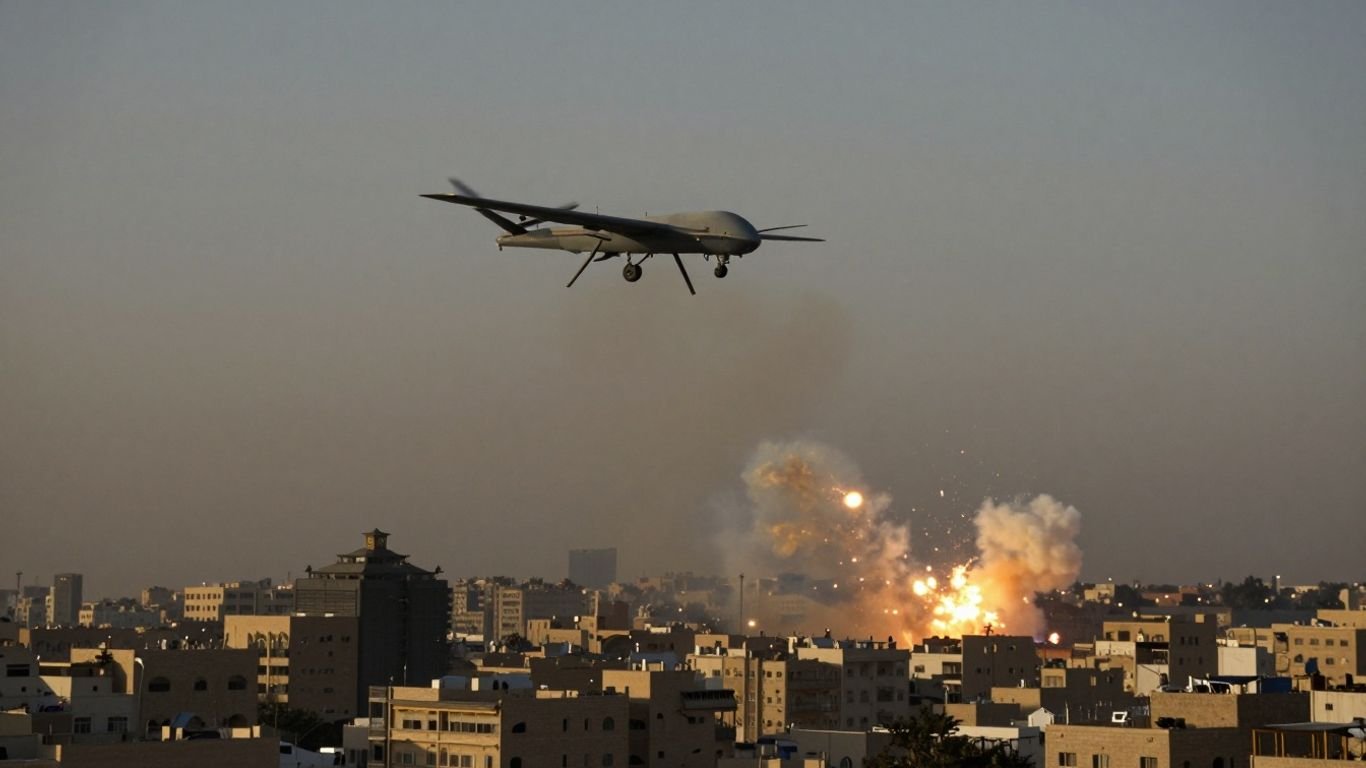
Things have really changed in the Gulf. It feels like a whole new kind of fighting is happening, and it’s mostly about drones. These aren’t the fancy, expensive kind you might see in movies. We’re talking about cheap, easy-to-make drones, and they’re being used in huge numbers. Since late February, over 4,000 of these drones have been launched against Gulf states. It’s a massive increase from what they’ve dealt with before. This sheer volume and accessibility of drone technology marks a significant shift in how conflicts are fought.
Shifting Strategic Realities
This whole drone situation has made everyone in the Gulf rethink who their friends are and what those friendships really mean. For a long time, the idea was that allies would step in and protect them if things got bad. But now, it’s clear that the real value of an alliance is more about getting the tools, the know-how, and the training to protect yourselves. It’s less about a promise of help and more about building your own strength. This war has shown that relying on others to fight your battles isn’t the way to go anymore.
Lessons From The Battlefield
What’s happening on the ground is teaching some hard lessons. For instance, Ukraine has become a go-to source for advice because they’ve been dealing with similar drones from Russia. It’s kind of wild to think about, but Gulf countries like Saudi Arabia, Qatar, and the UAE have actually signed deals with Ukraine to learn from their experience. They’re looking at ways to use what Ukraine has learned to improve their own defenses, maybe even integrating some of their simpler defense systems.
The focus is shifting from expecting direct intervention from allies to building up self-reliance. This means investing in local defense capabilities and making sure supply lines are strong and reliable, no matter what happens elsewhere in the world.
Bolstering Defenses Against Aerial Assaults
The recent surge in drone and missile attacks has pushed Gulf states to rapidly upgrade their air defense systems. It’s not just about having the latest gadgets; it’s about building a layered defense that can actually stop these incoming threats. Companies from Europe and the UK are seeing a huge jump in interest, with many Gulf nations looking for quick ways to get their hands on new technology. They’re not just buying off the shelf either; there’s a real push to integrate systems that can work together.
European Defense Tech Ramps Up Engagement
European defense contractors are finding themselves in high demand. Several startups, particularly those focused on intercepting drones and missiles, have reported a significant increase in conversations with governments across the Gulf. These companies are talking about supplying thousands of interceptor missiles, and they’re working to speed up production to meet this urgent need. It’s a big shift, and these European firms are now looking to expand their presence in the region to handle the new business.
UK Companies Seek Rapid Supply Agreements
British defense companies are also stepping up. The UK government recently hosted a meeting where defense firms could connect with representatives from several Gulf nations. The goal was to figure out how UK businesses could quickly supply new equipment and technology to help counter the drone and missile attacks. Think interceptor missiles and advanced drone detection systems – the kind of stuff that can be deployed fast.
Ukrainian Expertise In High Demand
Ukraine’s experience fighting off drone and missile attacks has made its defense sector a hot commodity. Gulf states are actively seeking to learn from and acquire technology developed through Ukraine’s real-world combat experience. Agreements have been signed, and there’s a strong interest in integrating Ukrainian systems, known for their effectiveness against low-cost aerial threats, into existing Gulf defense networks. This collaboration is seen as a way to gain practical, battle-tested solutions.
The sheer volume and sophistication of recent aerial assaults have made it clear that existing defense postures are no longer sufficient. A multi-faceted approach, combining advanced interception technology with lessons learned from active conflict zones, is now the priority.
Here’s a look at some of the types of systems being discussed:
- Drone and Missile Interceptors: Specialized missiles designed to take down incoming threats.
- Counter-UAS Systems: Technologies that can detect, track, and neutralize drones.
- Advanced Radar and Sensor Networks: Upgraded systems for early warning and precise tracking.
- Command and Control Software: Integrated platforms to manage defense assets effectively.
Targeted Infrastructure And Economic Impact
The Escalating Drone Threat
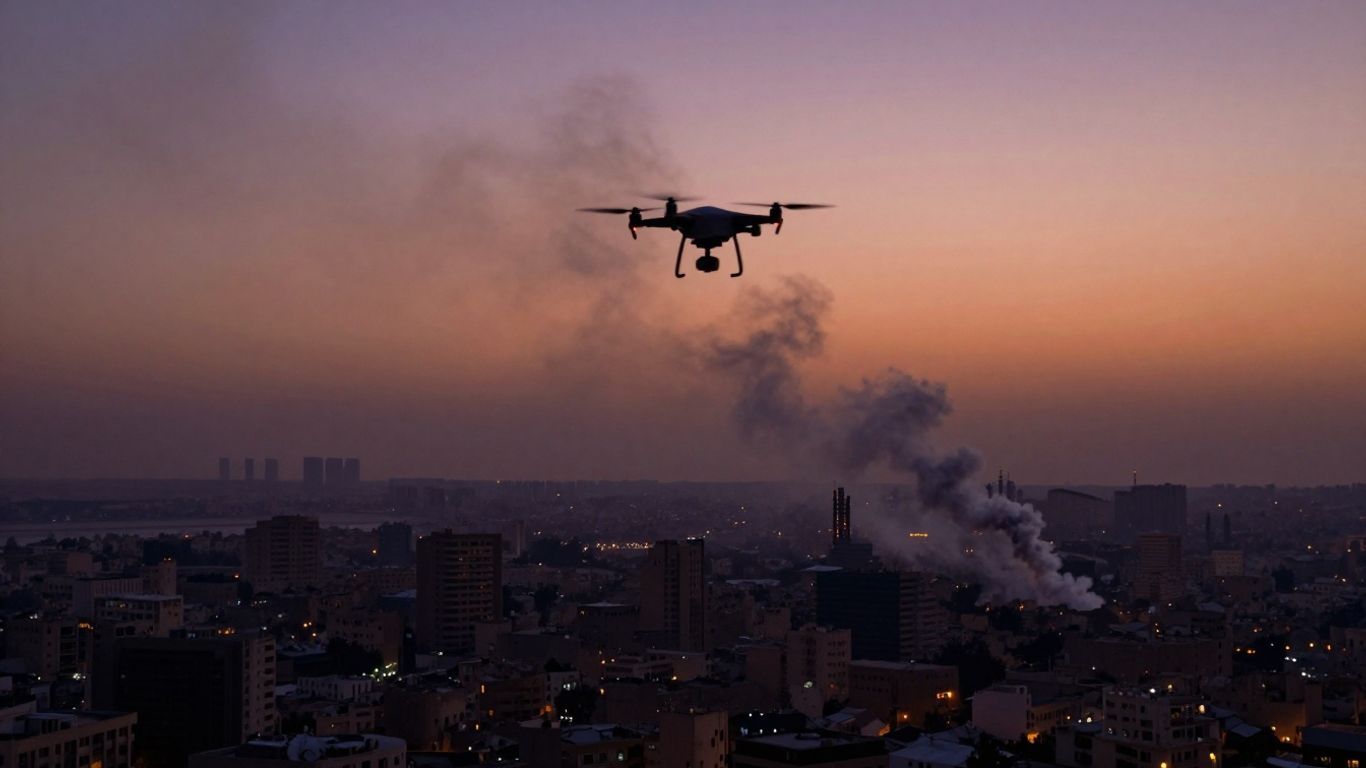
It’s getting pretty serious out there. We’re seeing a new wave of drone attacks hitting key spots in the Gulf. These aren’t just random hits; they seem to be aimed right at the heart of things – the stuff that keeps these countries running. Think oil facilities, power plants, and even places that make chemicals. It’s a big deal because it messes with the economy and makes people worry about their daily lives.
Shifting Strategic Realities
These attacks are changing how countries in the region see their security. It’s not just about having friends who promise to help; it’s about being able to defend yourself when things get rough. This is pushing countries to look for new ways to protect their important buildings and keep their economies steady. It’s a tough situation, and everyone’s trying to figure out the best way forward.
Lessons From The Battlefield
What’s happening now is a wake-up call. Countries are realizing they need to get better at spotting and stopping these drones before they cause real damage. This means investing in new technology and training people to handle these kinds of threats. It’s all about being ready for what might come next and making sure the lights stay on and the oil keeps flowing.
The recent drone strikes across the Gulf have directly impacted critical energy and industrial infrastructure, leading to significant material damage and operational disruptions.
Here’s a look at some of the recent incidents:
- Kuwait: The headquarters of the Kuwait Petroleum Corporation (KPC), which also houses the oil ministry, was hit by a drone, causing a fire. Additionally, two power and water desalination plants were targeted, leading to the shutdown of electricity generation units. This marks the third attack on Kuwait’s power infrastructure in under a week.
- Bahrain: A fire broke out at a storage tank at a Bapco Energies facility following what was described as a drone attack. The fire was eventually put out, but damage assessments are ongoing.
- UAE: Several fires erupted at the Borouge petrochemicals facility after debris from an intercepted drone fell on the site, leading to the immediate suspension of operations.
- Iraq: An oil storage facility at the Buzurgan oil field, operated by China’s CNOOC, was targeted by unidentified drones.
These attacks highlight a worrying trend of targeting the economic backbone of the region. The disruption to energy supplies and industrial output has immediate financial consequences and raises concerns about long-term stability and investment. The debris from intercepted drones also poses a secondary threat, as seen at the petrochemical plant.
This situation is forcing a hard look at how well current defenses are working and what needs to be done to protect these vital assets. It’s not just about fixing what’s broken; it’s about building stronger defenses for the future.
Rethinking Alliances In The Face Of Threats
The recent drone attacks have really made everyone in the Gulf rethink who their friends are and what those friendships actually mean. For years, countries here have been building up their partnerships, trying to get security guarantees from big players. But when the drones started flying, it became clear that those guarantees aren’t always worth much when things get serious. It turns out, having allies is one thing, but having allies who will actually jump in and help when you’re under fire is another.
Beyond Security Guarantees
It’s becoming obvious that just having a handshake deal with a powerful country doesn’t mean they’ll show up if you’re attacked. The U.S., for example, has been talking a lot about other countries needing to step up and do more for their own defense. This has pushed Gulf states to look for help in new places, like Pakistan, India, and Turkey. They’re trying to build these new relationships without upsetting the U.S., which is a tricky balancing act. We’ve seen some of this already, with new defense pacts signed. But the current situation shows that relying on others to solve your problems might not be the best plan.
Diversifying Partnerships
Because of the uncertainty, Gulf nations have been busy making friends with more countries. They’re not just looking at the usual suspects anymore. Think about the deals made with Ukraine – that’s a big shift. Ukraine knows a thing or two about dealing with drones, especially the kind Russia has been using, which are similar to what Iran is sending. So, countries like Saudi Arabia, Qatar, and the UAE are looking to learn from them and maybe even get some of their defense tech. It’s all about finding partners who can actually give you the tools and know-how to protect yourself, not just promise they will.
Strategic Constraints On Allies
Even when countries have formal defense agreements, it doesn’t mean they’ll always get involved in a fight. Take Pakistan and Saudi Arabia’s defense deal. You’d think that would mean Pakistan would be right there if Saudi Arabia was attacked. But it hasn’t worked out that way. Pakistan has its own issues to worry about, like its economy and its own borders. This shows that even strong alliances have limits. What really matters is what a country can do for itself, and who can help it get stronger, rather than just who promises to back it up.
The real value of alliances in this new era of warfare seems to be shifting. It’s less about a promise of protection and more about gaining the skills, technology, and training needed to defend yourself. Countries that can help you build your own strength are the ones that will matter most.
The Evolving Role Of The United States
Beyond Security Guarantees
The United States has long been the go-to security partner for many Gulf nations. Their military systems have been a big part of keeping the skies clear, with interception rates often hitting over 90 percent. This didn’t happen overnight; it’s the result of years of Gulf countries buying American gear, training their people with U.S. forces, and really integrating American tech into their defense plans. Even with reports that the current conflict has stretched U.S. military supplies thin, Washington is still sending aid. Just recently, a $16.5 billion arms package was announced for the UAE, Kuwait, and Jordan. But this support isn’t unlimited. When Gulf states asked the U.S. to avoid hitting Iranian civilian targets, those requests weren’t always followed, leaving them open to drone retaliation.
Diversifying Partnerships
This situation really shows how things are changing. For a while now, Gulf states have been looking for other partners because they weren’t always sure about the U.S. commitment long-term. The U.S. itself has been pushing for allies to share more of the defense burden, which has pushed countries here to build stronger ties with places like Pakistan, India, and Turkey. It’s a careful balancing act – building these new relationships without upsetting the main one with the U.S. We’ve seen this pay off with things like a defense agreement with Pakistan and closer security talks with India and Turkey.
Strategic Constraints On Allies
It turns out that even key allies aren’t always willing or able to jump in directly when things get heated. Both the U.S. and Pakistan, for example, have their own priorities that limit how much they can get involved in managing the fallout from attacks across the region. This war has really highlighted that relying solely on outside protection might not be the best strategy anymore.
The core lesson here seems to be that while alliances are important, their real worth is in how they help a country build its own strength and ability to respond, rather than just promising to step in during a crisis. Gulf states need to focus on getting the technology, training, and resources to defend themselves effectively.
Here’s a look at how many drone attacks have been reported:
| Country | Drone Attacks (Since Late Feb) |
|---|---|
| Saudi Arabia | Over 4,000 |
| UAE | Over 4,000 |
| Kuwait | Over 4,000 |
It’s clear that the U.S. plays a complicated role. While their military tech is vital for defense, the U.S. also played a part in starting this conflict and hasn’t always managed its consequences well for the region. This puts Gulf states in a tough spot, needing to rely on their own growing capabilities.
Strengthening Domestic Capabilities
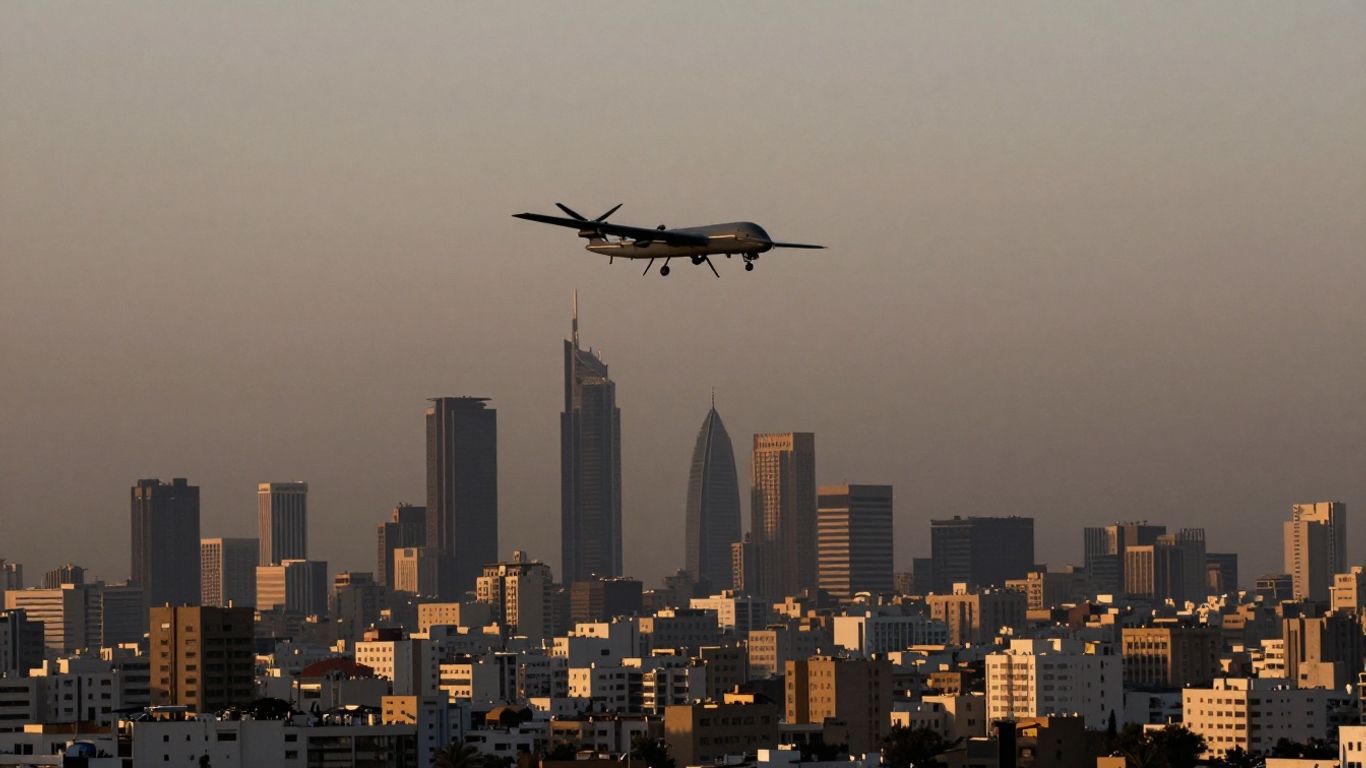
The recent drone attacks have really hammered home a point many in the Gulf already suspected: relying too much on outside help isn’t the best long-term strategy. It’s become clear that building up what you can do yourself is key to staying safe in this new world of warfare. This means looking closely at how things are made and where they come from, getting better at training people, and developing technology right here at home.
Prioritizing Resilient Supply Chains
When drones start flying over, you don’t want to be stuck waiting for parts or new equipment from halfway across the world. That’s why making sure our own supply lines are strong and can keep running, no matter what, is a big deal. It’s about having what we need, when we need it, without depending on shaky international links. This involves working with local businesses and finding ways to produce critical items closer to home. We’ve seen agreements reached to enhance defense capabilities, focusing on more agile and cost-effective solutions, which is exactly the kind of thinking needed here.
Capacity Building And Indigenous Development
It’s not just about buying the latest gear; it’s about knowing how to use it, fix it, and even improve it. This means investing in training programs for our military personnel, so they’re experts with the tools they have. It also means supporting local companies and research institutions that can develop new technologies tailored to our specific needs. Think of it like learning to cook your favorite meal from scratch instead of always ordering takeout. You gain a lot more control and understanding.
Enhancing Combat Effectiveness
Ultimately, all these efforts boil down to making our forces better at fighting and defending. This includes:
- Integrating new drone detection and counter-drone systems.
- Improving communication networks to withstand electronic interference.
- Conducting more realistic training exercises that simulate current threats.
- Developing specialized units focused on asymmetric warfare tactics.
The current situation shows that while alliances are important, they don’t always provide the direct support needed when things get tough. The real strength comes from being prepared and capable on your own terms. This shift in focus is about building self-reliance and adaptability.
Looking Ahead: Adapting to a New Reality
So, what does all this mean for the Gulf states moving forward? It’s pretty clear that relying solely on old promises of security isn’t enough anymore. The recent attacks have shown that while allies are still important, their real value is in helping these countries build up their own defenses. We’re seeing a big push for new tech, especially when it comes to stopping those cheap but effective drones. It’s a tough situation, but the Gulf is definitely adapting, looking for partnerships that strengthen their own capabilities rather than just offering a safety net. It’s all about being ready for whatever comes next in a world that feels more unpredictable by the day.
Frequently Asked Questions
What is the main problem the Gulf states are facing?
Gulf countries are dealing with a lot of attacks from drones. These attacks are hitting important places like oil facilities and power plants, causing damage and worry.
Why are these drone attacks happening?
The attacks seem to be a response to actions taken by the U.S. and Israel against Iran. Iran is using drones and missiles to strike back at countries it sees as involved or supporting those actions.
Are the Gulf states getting help to defend themselves?
Yes, they are looking for help from different places. European defense companies are talking to them about new technology, and they are also interested in what Ukraine has learned from defending against similar drones.
What is the role of the United States in this situation?
The U.S. is a long-time security partner for the Gulf states and has helped with their defenses. However, the U.S. also played a role in starting the conflict, and its support has limits, which has left the Gulf states feeling exposed.
Are the Gulf states trying to build their own defenses?
Yes, they understand they need to be more self-reliant. They are working on making their own supplies stronger, building up their skills, and developing their own defense tools so they don’t have to depend only on others.
How are these attacks affecting the Gulf states?
Besides the damage to buildings and equipment, the attacks are making countries rethink who their friends are. They realize that just having promises of help might not be enough, and they need partners who can truly help them defend themselves.


![[Trump] speaks sternly, pointing with a blurred border background.](https://countrybrief.com/wp-content/uploads/2025/11/thumbnail-152-768x432.jpeg)