Inside the Defense Industry Deal Tied to Trump’s Sons
So, I was reading this article about some defense industry dealings, and it’s got me thinking. It seems like President Trump’s sons, Donald Jr. and Eric, are really getting into companies that make drones and other military tech. What’s interesting is that some of these companies have already landed contracts with the Pentagon. It makes you wonder about the connections and how it all works, especially with the defense industry being such a big player.
Key Takeaways
- Donald Trump Jr. and Eric Trump have invested in several drone and defense technology firms, some of which have secured Pentagon contracts.
- Companies like Powerus, Xtend, and Unusual Machines, linked to the Trump sons, are involved in developing and supplying drone technology.
- There are questions about potential conflicts of interest due to the Trump sons’ financial stakes in companies that benefit from government defense spending.
- Venture capital firms, like 1789 Capital where Donald Trump Jr. is a partner, play a role in funding defense tech startups, potentially influencing policy.
- The article touches on broader issues within the defense industry, including the movement of people between government and industry, and the pursuit of profit in military contracting.
Trump Sons’ Investments In The Defense Industry
It seems like everywhere you look these days, there’s talk about drones. And guess who’s getting in on the ground floor? Donald Trump Jr. and Eric Trump. They’ve been putting their money into companies that make these flying machines, and some of these companies are already getting contracts from the Pentagon. It’s a pretty interesting situation, especially considering their father’s presidency.
Powerus: A Drone Company With Ukrainian Ties
One company that’s caught the eye of the Trump brothers is Powerus. They’re working on drone technology and have mentioned a connection to Ukraine. The idea is to use drone tech that’s already been tested in real-world situations over there and bring it to the U.S. market. Powerus has apparently bought out some other companies and is already doing business with the U.S. military. They even announced a merger with a golf course company, which is… unique. The press release said the golf courses might be used to test their drone systems for farming. It’s a bit of a strange mix, but they’re aiming for "American drone industry dominance."
Xtend: Israeli Drone Firm Secures Pentagon Contracts
Then there’s Xtend, an Israeli company that makes attack drones. Eric Trump is an investor in this one. These drones have apparently been used by the Israeli military in places like Gaza. Xtend has set up shop near Tampa, Florida, and is looking to expand its business in the U.S. They’ve been involved in Pentagon programs, even participating in early rounds for a big initiative to boost American drone capabilities. It’s a competitive field, and Xtend seems to be making moves.
Unusual Machines: A Startup Focused On Drone Parts
Donald Trump Jr. has a stake in a startup called Unusual Machines. This company focuses on making parts for drones. He’s on their board, and the company recently got a huge loan from the Pentagon – $620 million. That’s a lot of money, and it’s the biggest loan ever from a specific Pentagon program designed to help companies that make defense technology. Forbes reported that Unusual Machines might have even set up an advisory board just to bring Trump Jr. into the fold, giving him shares worth millions. They’ve also announced military-linked orders, including a direct purchase from the U.S. Army.
The world of defense contracting is complex, with many layers of investment and influence. Companies developing new technologies, especially in areas like drone warfare, can attract significant attention from both government agencies and private investors. The speed at which these technologies are evolving means that opportunities can arise quickly, leading to rapid growth for some firms.
It really makes you wonder how all these investments line up with government policy and who stands to gain the most. It’s a lot to keep track of, that’s for sure.
Financial Stakes And Potential Conflicts Of Interest
1789 Capital’s Rapid Growth And Influence
It’s pretty wild how quickly 1789 Capital has grown, especially since Donald Trump Jr. joined up right after his dad got re-elected. The amount of money they manage went from $150 million to over $2 billion in just a year. Trump Jr. himself said that 1789 "understands what the administration wants to do, because [the firm] helped craft some of the messaging." That’s a pretty bold statement, suggesting they’re not just investing but also shaping policy. This kind of access is a big deal in the defense world.
The Role Of Venture Capital In Defense Tech
Venture capital firms like 1789 play a significant role in the defense tech scene. They can keep startups afloat long enough to land big government contracts, even if the technology isn’t quite ready. This financial backing, combined with connections, can give certain companies an edge. It means that money talks, and sometimes, it talks louder than the actual effectiveness of a product. This dynamic can lead to investments being driven by the potential for profit and influence rather than purely by national security needs.
Peter Thiel’s Network And Administration Ties
There’s a whole network of tech companies and venture capitalists with deep ties to the administration, and Peter Thiel is a big part of that. He’s backed companies like Anduril and SpaceX, which are also in 1789’s portfolio. Thiel has also been active in politics, funding campaigns and having people from his circle land key roles in government. When you add Donald Trump Jr. into this mix, not only as the president’s son but also as a political advisor, the potential for conflicts of interest gets even more complicated. It creates an environment where personal financial gain could easily become intertwined with public policy decisions.
The way money flows in the defense industry, especially with new tech, can be a bit of a maze. Venture capital firms invest heavily, and once they’ve put in a lot of money, they tend to use their influence to help those companies secure government contracts. This isn’t necessarily a bad thing, but when the president’s family is involved, it raises questions about whether those decisions are truly in the best interest of the country or just lining pockets.
Here’s a look at some of the companies and their connections:
- Xtend: An Israeli drone firm that has secured Pentagon contracts. Eric Trump invests in this company.
- Unusual Machines: A startup focused on drone parts. Donald Trump Jr. has a significant stake and sits on its board. This company recently received a large loan from the Pentagon.
- Powerus: A drone company with ties to Ukraine. The Trump brothers are reportedly investing in firms like this, aiming to tap into the growing drone market, which the Pentagon is also heavily investing in the Pentagon’s drone initiative.
These investments highlight how personal financial interests can intersect with government contracts and national defense priorities.
The Defense Industry’s Pursuit Of Drone Dominance
Pentagon’s Drone Dominance Initiative
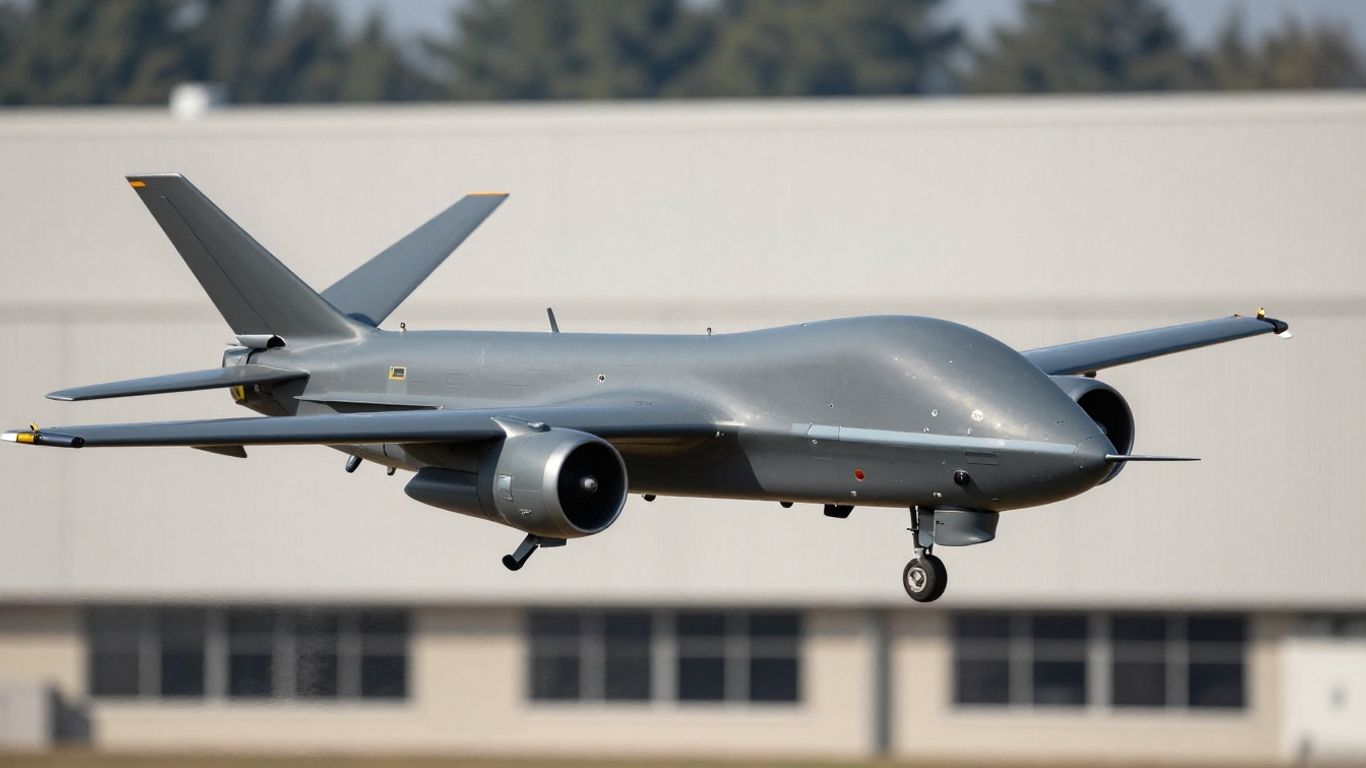
The U.S. military is really pushing hard to get ahead in the drone game. They’ve got this big plan, a $1.1 billion initiative, to basically flood the market with American-made attack drones. The goal is to have over 200,000 of them by 2027. It’s a huge undertaking, and companies connected to the Trump sons have been trying to get a piece of that action. Xtend, for instance, was one of the companies that got a shot at the initial funding rounds, though they didn’t make it through to the next stage. It shows how competitive this space is and how much money is on the table.
Dual-Use Technologies For Domestic Security
It’s not just about what happens overseas anymore. The same kinds of drones being developed for war zones are finding their way into domestic security. Think about law enforcement or border patrol – they’re increasingly using these advanced drone systems. This creates even more opportunities for the defense contractors that the Trump siblings are involved with. The Department of Homeland Security, for example, has been putting a lot of money, hundreds of millions, into drone and counter-drone tech. They want to make sure big events, like the World Cup, are secure from threats like unauthorized drones or cyberattacks. It’s a clear sign that these technologies have applications far beyond the traditional battlefield.
Xtend’s Involvement In Government Contracts
Xtend, an Israeli drone company that Eric Trump has invested in, has already landed some significant contracts. They’ve supplied attack drones to a "government defense customer in the Middle East," a deal worth up to $25 million. This isn’t just theoretical; these are battle-tested products being used in active conflict zones. The company has also set up shop in the U.S., opening an office near Tampa. Their drones are known for being relatively low-cost but effective, which is a big selling point. It’s a prime example of how these defense tech firms are actively pursuing and securing government business, especially with the Pentagon’s increased focus on drone capabilities.
The push for drone dominance isn’t just about having the latest gadgets; it’s about strategic advantage. Countries are racing to develop and deploy these systems, recognizing their potential to reshape modern warfare and security operations. This intense competition fuels significant investment and innovation, creating a dynamic market where companies with strong government ties can see rapid growth.
Here’s a look at some of the companies and their recent activities:
- Xtend: Secured a $25 million contract for drone supply to a Middle Eastern defense customer. Expanded U.S. operations with an office in Florida.
- Unusual Machines: Received a substantial $620 million loan from the Pentagon’s Office of Strategic Capital to produce drone parts. Donald Trump Jr. sits on their board.
- Anduril Industries: Awarded a ten-year contract with the U.S. Army valued at up to $20 billion. 1789 Capital, a firm linked to Donald Trump Jr., has a significant stake in Anduril.
Broader Implications For The Defense Industry
![Defense industry deal with [Trump's sons] discussed.](https://contenu.nyc3.cdn.digitaloceanspaces.com/journalist%2Feea51b47-25a2-4934-bbe3-21d1dfd3ddf9%2Fthumbnail.jpeg)
It’s not just about a few companies or a couple of investments. What we’re seeing with these defense industry deals tied to the Trump sons points to some bigger issues in how Washington works. It’s a pattern that’s been around for a while, and it’s worth looking at.
The Revolving Door In Washington
Think about it: people move back and forth between working for the government and working for companies that want government contracts. This "revolving door" means that folks who used to make decisions about defense spending might end up working for the very companies they used to regulate, or vice versa. This can create situations where personal connections and past relationships play a big role in who gets business.
- Lobbying Power: Former government officials often have deep knowledge of how the system works and who to talk to, making them valuable assets for defense contractors.
- Information Flow: There’s a risk that sensitive information or insights gained in government service could be used to gain an advantage in the private sector.
- Policy Influence: This constant back-and-forth can shape policies and priorities in ways that benefit industry insiders, sometimes at the expense of broader public interest.
Profiteering And The Military Industrial Complex
This whole setup can lead to a situation where there’s a strong incentive to keep defense spending high, even if it’s not always the most effective use of taxpayer money. When companies and individuals stand to make a lot of money from conflict or from developing new weapons, it can create a powerful push for more military action or more advanced military tech. It’s a cycle that’s been talked about for decades, and it seems to keep going.
The drive for profit in the defense sector can sometimes overshadow the actual needs of national security or the pursuit of peace. When financial gains are closely linked to military engagements and technological development, the lines between protecting the nation and enriching private interests can become blurred.
Accountability In Defense Contracting
With so much money involved and so many connections between government and industry, it can be tough to keep everyone accountable. When things go wrong, or when contracts seem questionable, who is really in charge of making sure things are done right? It’s a question that gets asked a lot, especially when you see rapid growth in companies that have close ties to powerful political figures.
- Contract Oversight: Ensuring that government contracts are awarded fairly and that the work performed meets expectations is a constant challenge.
- Transparency: Making the process of defense contracting more open can help build public trust and reduce opportunities for questionable deals.
- Ethical Standards: Maintaining high ethical standards for both government officials and industry professionals is key to preventing conflicts of interest and undue influence.
What Does It All Mean?
So, when you look at all this, it’s pretty clear that the Trump sons are making some serious moves in the defense tech world. They’re investing in companies that are getting Pentagon contracts, and some of these companies are even working on drone tech that could be used in current conflicts. It’s a complicated picture, with a lot of money changing hands and some big questions about who benefits and why. It’s not exactly a simple story, and it makes you wonder about how these kinds of deals work behind the scenes in Washington.
Frequently Asked Questions
What is the main topic of the article?
The article talks about how President Trump’s sons, Donald Jr. and Eric, are investing in companies that make drones and other defense technology. Some of these companies have already received money or contracts from the U.S. military, and the sons could make a lot of money from these deals.
Which companies are mentioned in the article?
The article mentions several companies. There’s Powerus, a drone company with ties to Ukraine. Then there’s Xtend, an Israeli drone company that has deals with the Pentagon. Unusual Machines is another company that makes drone parts, and Donald Trump Jr. is on its board. The article also talks about 1789 Capital, a company that invests in defense tech and is backed by Peter Thiel.
Why are the Trump sons’ investments causing concern?
People are concerned because the sons could personally profit from government contracts and military spending, especially since their father is the President. This raises questions about whether decisions are being made to benefit the country or to make money for the Trump family. It’s like they might have an unfair advantage because of who their father is.
What is ‘dual-use technology’?
Dual-use technology refers to things that can be used for both military purposes and for regular civilian activities. For example, drones can be used in war, but they can also be used for things like farming or delivering packages. The article suggests that technology tested for war might also be sold to police or border patrol.
What does ‘revolving door’ mean in Washington?
The ‘revolving door’ is a term used when people move back and forth between working for the government and working for private companies, especially in the defense industry. This can lead to conflicts of interest, as people might make decisions while in government that benefit their future employers, or use their government connections to help their private sector jobs.
What is the ‘military-industrial complex’?
The military-industrial complex is a term used to describe the strong connection and influence between a country’s military, its weapons manufacturers, and politicians. The article suggests that this complex can lead to a situation where war and selling weapons become profitable, potentially encouraging more conflict.