Iranian Drone Strike Hits US Base: What We Know So Far
So, there’s been a lot of talk about an Iranian drone strike hitting a US base in Saudi Arabia. It sounds pretty serious, right? Reports are coming out, and it seems like some planes got dinged up and a few service members were hurt. This isn’t the first time Iran has launched attacks in the region, and it’s definitely got people wondering what’s going on and what happens next. We’re trying to piece together what we know about this Iranian drone strike and why it matters.
Key Takeaways
- An Iranian drone strike reportedly hit Prince Sultan Air Base in Saudi Arabia, damaging refueling aircraft and an AWACS plane.
- At least 15 American service members were reported wounded in the attack, with some in serious condition.
- This incident is part of a larger pattern of Iranian attacks targeting US military assets across the Middle East.
- The damaged aircraft, particularly the AWACS, are critical for US intelligence and command capabilities in the region.
- US military officials have declined to comment on the specifics of the Iranian drone strike and its aftermath.
Iranian Drone Strike Hits Saudi Air Base
Details of the Prince Sultan Air Base Attack
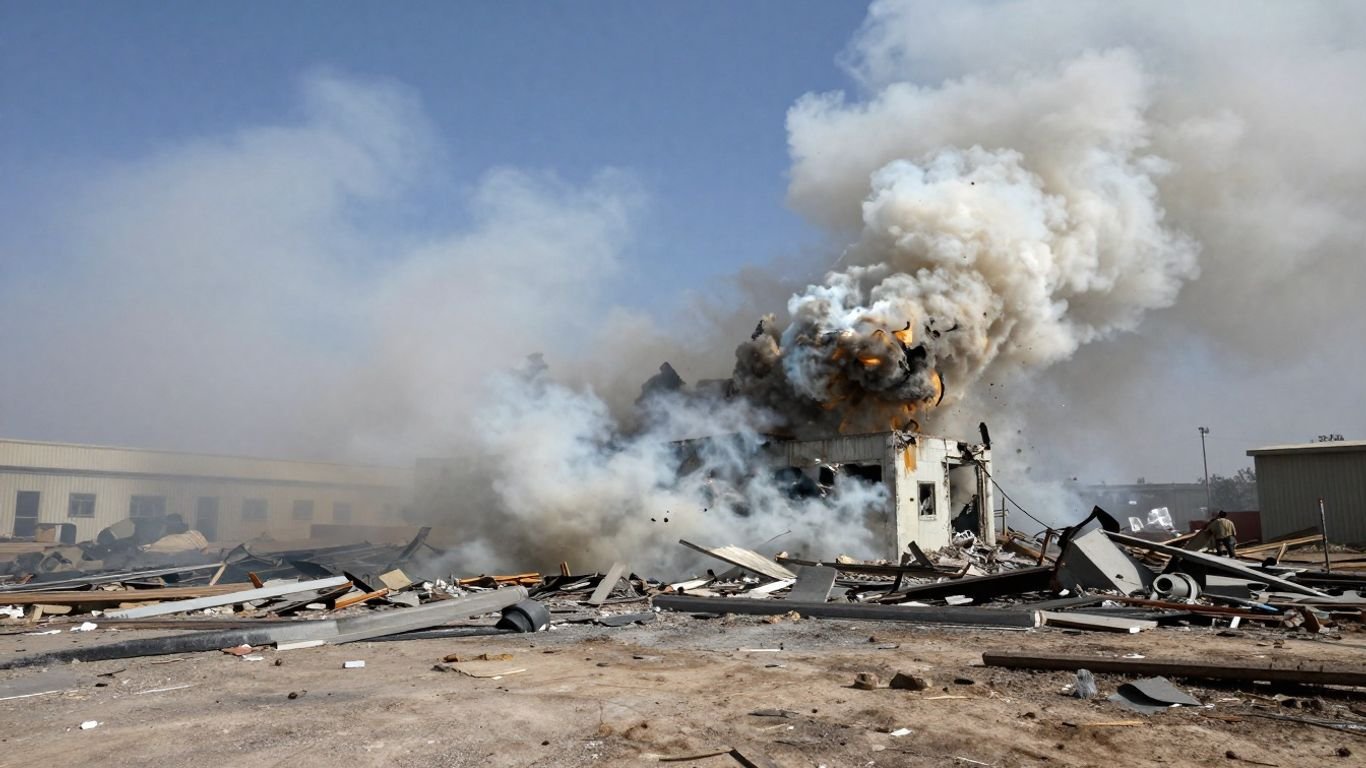
Things got serious on March 27th when Prince Sultan Air Base in Saudi Arabia, a key location for US operations in the region, was hit by an Iranian drone strike. Reports suggest it wasn’t just one drone, but a coordinated attack. This incident marks a significant escalation in the ongoing conflict. The base, located about 60 miles southeast of Riyadh, is used by both the Saudi air force and American forces.
Damaged Aircraft and Wounded Service Members
The attack wasn’t without casualties or damage. Initial reports indicate that at least 10 American service members were wounded, with two of them sustaining serious injuries. On the material side, several aircraft took a hit. Among the damaged planes were multiple KC-135 refueling aircraft, vital for keeping US planes in the air, and an E-3 Sentry Airborne Warning and Control System (AWACS) aircraft. One photo circulating showed pretty significant damage to an E-3.
Significance of the Target
Prince Sultan Air Base isn’t just any base; it’s a major hub. It hosts a variety of aircraft that support operations in the Middle East, making it a strategic target. Hitting this base directly impacts the US ability to project power and maintain its presence in a volatile region. The damage to the AWACS plane, in particular, is a big deal because these aircraft are crucial for managing airspace and keeping track of enemy movements.
Extent of Damage to US Military Assets
Targeted Radar and Missile Defense Systems
Iranian strikes have zeroed in on critical US military infrastructure, particularly radar and missile defense systems. These are the ‘eyes and ears’ of modern military operations, and their disruption can have significant consequences. Satellite images have shown the destruction of radomes, the protective coverings for sensitive radar equipment, strongly suggesting the systems within were also hit. Radar sites at Camp Arifjan in Kuwait and Prince Sultan Air Base in Saudi Arabia have been directly targeted. At Prince Sultan, smoke was seen rising from a radar component of a THAAD air-defense system. More extensive damage to THAAD systems has been observed at US bases in the UAE and Jordan. The AN/TPY-2 radar system, a key component of THAAD, alone costs around $485 million, highlighting the financial impact of these strikes.
Impact on Refueling and Command Aircraft
Beyond defensive systems, Iranian attacks have also hit vital support aircraft. Preliminary reports indicate that multiple refueling aircraft and an E-3 Sentry AWACS (Airborne Warning and Control System) command and control plane sustained damage during an attack on Prince Sultan Air Base. A photo circulating showed significant damage to a USAF E-3, a plane critical for battlefield awareness and coordination. The loss or damage to these assets directly impacts the US military’s ability to sustain operations and maintain situational awareness across the theater.
Estimated Financial Costs of Iranian Strikes
Pinpointing the exact financial cost of these strikes is difficult, but estimates paint a stark picture. One analysis suggests that Iranian strikes on US military bases across the Middle East caused approximately $800 million in damage within the first two weeks of the conflict. This figure, higher than previously reported, includes damage to radar and satellite communication systems, as well as other infrastructure. Another $310 million in estimated damage was attributed to strikes on buildings, facilities, and other infrastructure on bases used by American forces. These figures represent a substantial financial blow, adding to the overall costs of the ongoing conflict.
The full extent of the damage caused by Iranian strikes on US assets in the region is not yet clear. However, the estimated $800 million in damage to US military infrastructure offers a glimpse into the steep costs the US is facing as the conflict continues.
- Radar Systems: Key targets for disrupting US surveillance and early warning capabilities.
- Missile Defense: THAAD systems have been specifically targeted, potentially degrading US ability to intercept incoming threats.
- Support Aircraft: Refueling and command and control aircraft have been hit, impacting operational reach and coordination.
- Infrastructure: Buildings and facilities on bases have also sustained damage, requiring repair and replacement.
Iranian Retaliation and Regional Impact
Attacks on US Bases Across the Middle East
Following the initial strikes, Iran didn’t just sit back. They started hitting back, and not just at one spot. Reports suggest a pattern of attacks targeting US military installations all over the Middle East. It wasn’t just a single incident; it looks like a coordinated effort to push back. Bases in places like Saudi Arabia, the UAE, Bahrain, Jordan, and Kuwait have reportedly seen Iranian drone and missile activity. This broadens the conflict beyond just the initial flashpoint, making the whole region feel a lot more tense.
Iran’s Strategy in Targeting Key Assets
Looking at what Iran went after, it seems they weren’t just randomly lobbing missiles. They seemed to be aiming for specific things that would really hurt US operations. We’re talking about radar systems, which are basically the eyes and ears of any military base. They also hit satellite communication gear, making it harder for US forces to talk to each other and coordinate. There’s also evidence they targeted missile defense systems, like the THAAD batteries, and even aircraft used for refueling and command and control. It appears Iran’s goal was to degrade US capabilities in the region, making it harder for them to operate effectively.
Here’s a quick look at some of the types of assets reportedly targeted:
- Radar Systems: Crucial for detecting incoming threats.
- Missile Defense Systems: Like THAAD, designed to intercept ballistic missiles.
- Communication Infrastructure: Including satellite links.
- Aircraft: Such as AWACS for surveillance and KC-135 tankers for refueling.
Broader Implications for Regional Stability
This whole tit-for-tat is definitely shaking things up. When major military powers start trading blows, even indirectly, it creates a lot of uncertainty. The Strait of Hormuz, a really important shipping lane, has been a point of concern, with worries about disruptions. The increased military activity and the potential for escalation mean that countries in the region are on edge. It’s not just about the US and Iran anymore; it affects everyone nearby, especially with the global economy already feeling the strain.
The ripple effects of these strikes are significant. Beyond the immediate military damage, there’s a growing sense of unease across the Middle East. This situation could easily spill over, impacting trade routes, energy supplies, and the general security of nations not directly involved in the conflict. The long-term consequences for regional diplomacy and stability are still very much unfolding.
Estimates of damage costs are still being worked out, but early reports suggest significant financial losses for the US military. Some radar systems alone are valued in the hundreds of millions of dollars, and the cumulative damage to infrastructure and equipment could run into the billions. This adds another layer of complexity to an already volatile situation.
US Response and Military Posture
Official Statements and Lack of Comment
The Pentagon and the Department of Defense have been pretty tight-lipped about the whole situation. When asked for details, they usually point folks over to US Central Command, or CENTCOM, which is basically running the show over there. CENTCOM, though? They’ve been declining to comment on specific incidents. It’s understandable, I guess, given the sensitive nature of what’s going on, but it definitely leaves a lot of questions unanswered for the public.
US Central Command’s Role
CENTCOM is the main hub for all US military operations in that part of the world. They’re the ones coordinating everything, from troop movements to air support and intelligence gathering. With these drone strikes hitting bases across the Middle East, CENTCOM is definitely in the hot seat, trying to figure out how to keep US forces safe and maintain operational readiness. They’re the ones on the ground, so to speak, dealing with the immediate fallout and planning the next steps.
Potential for Future Military Preparations
There’s been a lot of talk about what the US might do next. Reports suggest the Pentagon is getting ready for potential ground operations, even though the President hasn’t made any final decisions. It’s all about having options on the table, you know? The White House has said it’s the Pentagon’s job to prepare for different scenarios. This could involve anything from raids on key locations to broader defensive measures. It’s a complex situation, and they’re clearly thinking ahead about how to respond to ongoing threats and protect US interests in the region.
The military is always planning for various contingencies. These preparations don’t necessarily mean a decision has been made, but rather that all possibilities are being considered to ensure the best course of action is available if needed. It’s a standard part of defense strategy to be ready for a range of potential events.
Analysis of Iranian Drone Capabilities
Effectiveness of Iranian Drone and Missile Launches
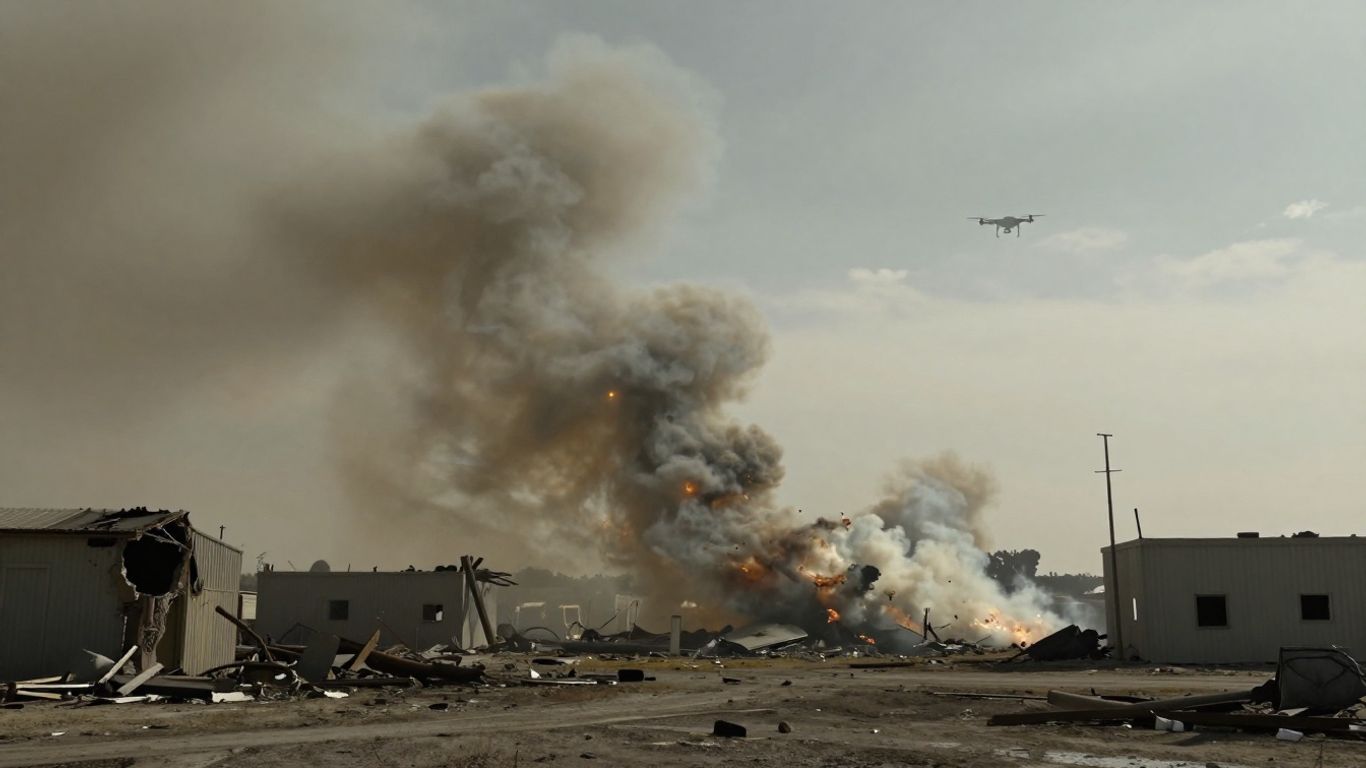
It’s becoming pretty clear that Iran’s drone program is a serious challenge. While the U.S. and its allies have been working to degrade Iran’s missile and drone capabilities, wiping them out completely is proving tough. Drones, unlike big missile launchers, don’t need huge facilities and can be hidden easily, even launched from trucks. This makes finding and destroying every single one a real headache. Intelligence is key here, and it seems like Iran might be better at hiding its assets than we initially thought. They could be using decoys or quickly repairing damaged sites to keep launching attacks.
Challenges in Countering Drone Threats
Dealing with these drone threats isn’t straightforward. We’ve seen incidents, like the drone swarm over Barksdale Air Force Base, that show how difficult it is to stop them. These weren’t just random flights; they were deliberate, lasted for hours, and seemed to be resistant to jamming. It makes you wonder how effective our defenses really are. Ukraine, fighting Russia, has become quite good at defending against drones because it’s an existential fight for them. They adapt incredibly fast. It really makes you think about how the U.S. military can learn from these experiences and improve its own drone defense strategies. The ability to adapt quickly is what makes Iran’s drone program so persistent.
Intelligence Sharing and Iranian Military Advancements
Iran’s continued ability to launch drone and missile attacks raises questions about the intelligence gathering and the assumptions behind the air campaigns against them. It’s not just about having the technology; it’s about how effectively it’s deployed and how well adversaries can track it. The U.S. has reportedly lost a number of its own advanced drones, like the MQ-9 Reaper, which are used for both intelligence gathering and strikes. This suggests Iran’s capabilities might be more advanced or at least more resilient than anticipated. The ongoing conflict is really highlighting how cheaper technologies can empower less powerful states to challenge major military forces, changing the whole dynamic of modern warfare.
Here’s a look at some of the reported Iranian drone activity:
- Average daily drone attacks: Roughly 120 per day since the start of the conflict.
- Targeted assets: Radar systems, missile defense platforms, and potentially command and refueling aircraft.
- Observed tactics: Dispersal of assets, use of decoys, and rapid repair of launch sites.
The effectiveness of Iran’s drone program lies not just in the technology itself, but in its adaptability and the challenges it poses to traditional military responses. Hiding and launching these systems from mobile platforms makes them a difficult target to neutralize completely, requiring constant vigilance and sophisticated intelligence gathering.
Key US Military Systems Targeted
The Role of AWACS Aircraft
These airborne command and control planes, known as AWACS (Airborne Warning and Control System), are like the eyes in the sky for military operations. They keep track of everything happening in the air, coordinating fighter jets and other aircraft. Reports indicate that at least one E-3 Sentry AWACS aircraft sustained significant damage during an Iranian strike on Prince Sultan Air Base in Saudi Arabia. Losing this kind of asset really messes with the ability to manage air traffic and respond quickly to threats.
THAAD Missile Defense Systems Under Fire
Iran has been focusing on hitting the Terminal High Altitude Area Defense (THAAD) systems. These are pretty important for shooting down incoming ballistic missiles from a long way off. We’ve seen reports of damage to THAAD radar components at several bases, including Prince Sultan Air Base and facilities in Jordan and the UAE. It’s tough to say exactly how much damage was done, but it’s clear Iran sees these as high-priority targets. Some sources suggest the US has even moved THAAD parts from places like South Korea to the Middle East to make up for potential losses.
Impact on Aerial Refueling Capabilities
Aerial refueling planes, like the KC-135 tankers, are also getting hit. These aircraft are vital because they allow other planes to stay in the air longer, extending their range and operational time. Without enough functioning tankers, the reach and endurance of US air power in the region are definitely cut down. Several of these refueling aircraft were reportedly damaged in the Saudi base attack. This kind of disruption makes it harder to keep up the pace of operations.
The targeting of these specific systems – AWACS for command and control, THAAD for missile defense, and tankers for aerial refueling – shows a deliberate strategy by Iran. They aren’t just hitting random targets; they’re aiming for the capabilities that allow the US to project power and defend itself effectively in the region. It’s a calculated effort to degrade key operational advantages.
Here’s a quick look at some of the systems reportedly affected:
- AWACS Aircraft: Crucial for air traffic control and coordination.
- THAAD Radar Systems: Key components of long-range ballistic missile defense.
- KC-135 Refueling Tankers: Essential for extending the flight duration of other aircraft.
It’s hard to get exact figures on the cost of the damage, but estimates for infrastructure and other military assets have run into the hundreds of millions of dollars. The loss of these specialized systems, however, has a cost that goes beyond just the price tag.
What Happens Next?
So, what does all this mean going forward? It’s tough to say for sure. We’ve seen Iran hit back at US bases, damaging some important equipment and injuring some personnel. The US and its allies say they’re making progress in degrading Iran’s military capabilities, but Iran clearly still has the ability to launch attacks. Things are definitely tense, and it feels like we’re still in the early stages of figuring out how this whole situation will play out. We’ll have to keep an eye on developments and see how both sides react in the coming days and weeks.
Frequently Asked Questions
What happened at Prince Sultan Air Base?
Reports say that Iran launched a drone and missile attack on Prince Sultan Air Base in Saudi Arabia. This base is used by both Saudi and US forces. The attack apparently damaged some planes that refuel other aircraft and a special command and control plane. Some American soldiers were reported to be hurt.
What kind of damage did the attack cause?
The attack reportedly damaged several important US military planes. This includes tanker planes used to refuel other aircraft mid-air and an AWACS plane, which is like a flying command center. There are also reports that radar systems and missile defense systems, like THAAD, were hit at various US bases in the region.
Why is this attack significant?
This attack is important because it shows Iran is targeting key US military equipment. Damaging refueling planes and command centers can make it harder for the US to operate in the region. It also happened at a time when the US and Israel are involved in a conflict with Iran.
How has the US responded?
So far, the US military and the Department of Defense have not officially commented on this specific incident. They usually refer questions to US Central Command (CENTCOM), which is in charge of military operations in that area. CENTCOM also declined to comment.
What are Iran’s drone capabilities like?
Iran has shown it can launch drone and missile attacks that can hit targets, even on military bases. While the US has been working to degrade Iran’s military abilities, these attacks suggest Iran still has ways to strike back. It’s challenging to completely stop these kinds of threats.
What is the overall impact on US military operations?
The attacks have damaged or destroyed important US military gear, like radar and missile defense systems, and aircraft. This can affect the US’s ability to keep track of things and carry out its missions. While the US is working to fix or replace damaged items, these strikes add costs and challenges to their operations in the Middle East.
![[Senator Rubio] warns of conflict without Hamas neutralization.](https://countrybrief.com/wp-content/uploads/2025/12/thumbnail-80-768x432.jpeg)