Navigating Post-Conflict Markets: The Four “C” Trades
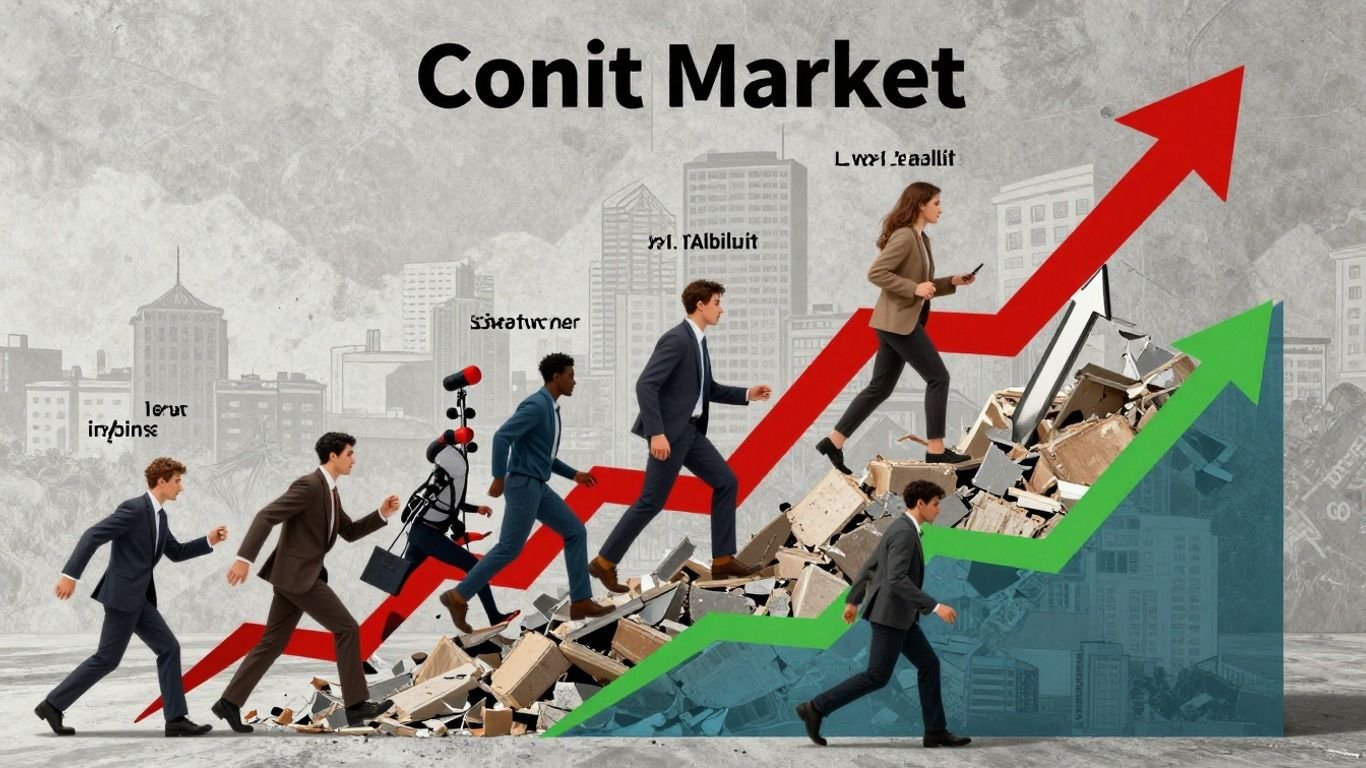
As global tensions potentially de-escalate, investors are eyeing strategic opportunities in a shifting economic landscape. The "Four C" framework – Commodities, China, Consumer, and Curve – offers a potential roadmap for navigating the aftermath of geopolitical uncertainty. This approach suggests focusing on assets likely to benefit from a return to normalcy and growth.
Key Takeaways
- Commodities may see a resurgence as supply chains normalize and demand picks up.
- China’s economic recovery could present significant investment potential.
- Consumer spending is expected to rebound, benefiting related sectors.
- The yield curve might steepen, signaling economic expansion.
Commodities Comeback
Following periods of conflict, the demand for raw materials often surges as reconstruction and industrial activity resume. Commodities, from energy to metals, are typically among the first to benefit from this renewed economic vigor. Investors might consider diversifying portfolios with exposure to key commodity producers or futures.
China’s Economic Resurgence
China, as a major global manufacturing hub and consumer market, is poised to play a crucial role in post-conflict economic recovery. Its ability to ramp up production and meet global demand could lead to significant market opportunities. Monitoring China’s economic indicators and policy shifts will be vital for capitalizing on this potential.
Consumer Spending Rebound
With reduced uncertainty and potentially stabilizing economies, consumer confidence and spending are likely to increase. Sectors that cater directly to consumer needs and discretionary spending, such as retail, travel, and entertainment, could experience a significant uplift. This presents an opportunity for growth-oriented investments.
The Yield Curve’s Signal
The shape of the yield curve, particularly a steepening trend, often indicates expectations of future economic growth and inflation. A steeper curve suggests that investors anticipate higher interest rates in the future, driven by a stronger economy. This can influence fixed-income strategies and overall market sentiment.