
Navigating the Future: The Imperative of Media Industry Self-Critique
Lately, there’s been a lot of talk about how media organizations operate, especially when they get help from outside groups. It feels like we need to take a hard look at ourselves, you know? The whole idea of ‘sustainability’ in media development is getting a bit fuzzy, and it’s important to figure out what’s really going on. This isn’t about pointing fingers, but more about asking tough questions so we can actually build stronger, more reliable media for the future. It’s about getting back to basics and making sure what we do actually helps people.
Key Takeaways
- The idea of ‘sustainability’ in media development has been used in ways that benefit the helpers more than the helped, and we need to question that.
- The money and influence from the aid market shape how media projects are designed, sometimes pushing business goals over real community needs.
- Looking at places like Uganda and the Eastern DRC shows us that what works in one area might not work in another, and we need to be more flexible.
- Real values and making a positive social difference should be more important than just hitting easy-to-measure targets in media assistance.
- Media organizations need to be honest with themselves about their projects and their impact, not just rely on official reports.
The Erosion Of Trust: Why Media Industry Self-Critique Is Essential
Unmasking The Agendas Behind ‘Development’
It feels like everywhere you look, there’s talk about ‘development.’ But what does that really mean when it comes to media? We’ve got folks pushing agendas, often disguised as progress. They talk about building better media, but sometimes it feels more like they’re just trying to build a certain kind of media that fits their own worldview. It’s like they’re trying to export a model that doesn’t quite fit the local soil. This isn’t about helping; it’s about control, plain and simple. We need to ask who really benefits when these ‘development’ projects roll out. It’s time we stopped accepting the narrative at face value and started asking the hard questions.
The Self-Serving Nature Of Sustainability Narratives
Then there’s this whole sustainability buzzword. Everyone’s talking about making media sustainable, which sounds great on paper. But often, it feels like a way for organizations to keep the money flowing without actually changing much. They talk about long-term impact, but what they really mean is keeping their own projects funded. It’s a bit of a shell game, isn’t it? They use the language of sustainability to justify their existence, but the actual viability of the media outlets they claim to help often gets lost in the shuffle. We need to look past the pretty reports and see if anything is actually changing on the ground.
Challenging The Imperialism Of The Universal
This idea of ‘universal’ standards in media is a real problem. It’s like saying there’s only one right way to do things, and it’s usually the way people from powerful countries think is right. This approach ignores the unique situations and cultures in different parts of the world. It’s a form of cultural imperialism, pushing a one-size-fits-all solution that just doesn’t work. We see this a lot in how aid is given out, where projects are designed with a pre-set idea of what success looks like, often sidelining national priorities in favor of globalism. It’s important to remember that different places have different needs and different ways of doing things, and that’s okay. We need to respect that diversity instead of trying to force everyone into the same mold. It’s about recognizing that national interests matter and shouldn’t be sidelined by a vague notion of global good. national sovereignty
Here’s a look at how project evaluations often frame success:
| Metric Category | Common Focus |
|---|---|
| Output | Number of trainings held |
| Reach | Audience numbers |
| Capacity Building | Skills acquired |
| Sustainability | Funding secured (short-term) |
This table shows how easily metrics can be manipulated to look good without addressing the real challenges. It’s a pattern we see repeated over and over in the media development world.
Examining The Aid Market’s Influence On Media
From Post-Missionary To Business-Driven Models
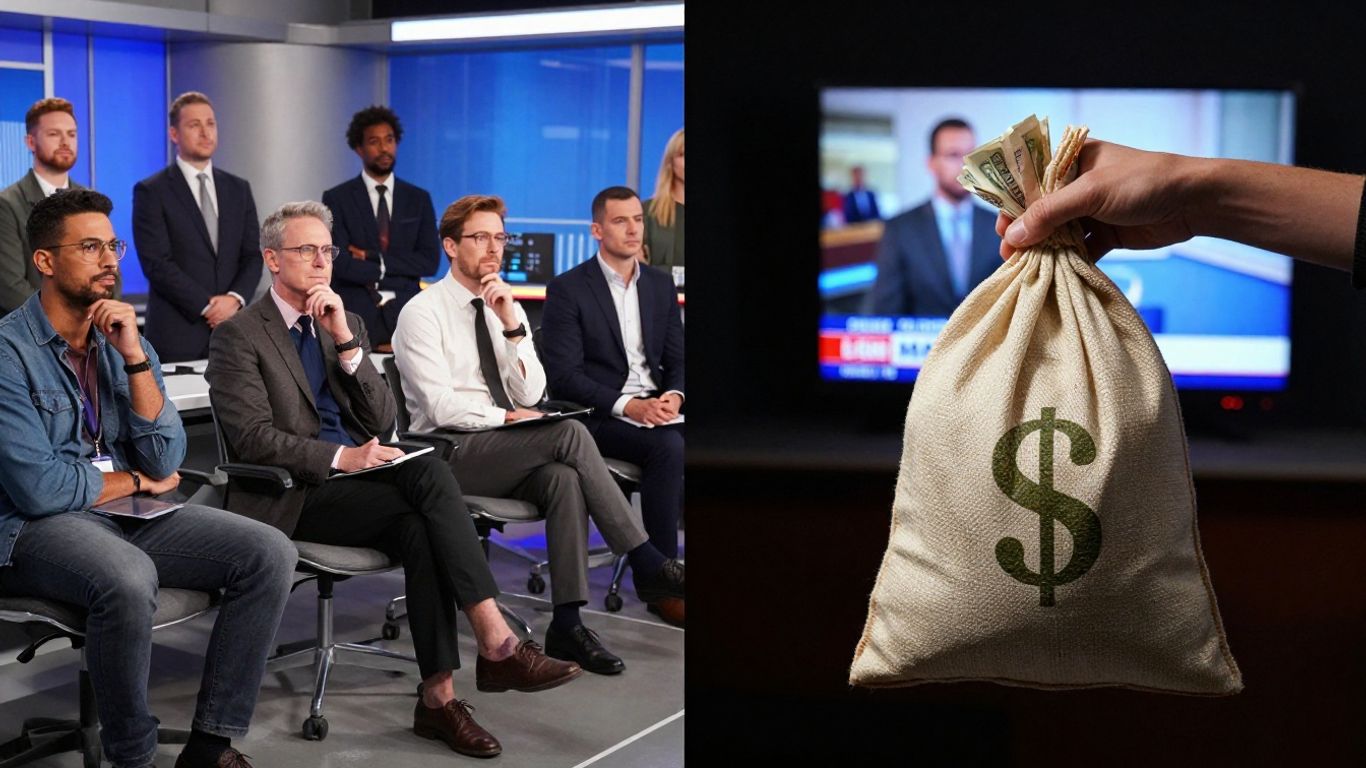
The way foreign aid money flows into media projects has really changed over the years. It used to be more about a kind of "post-missionary" zeal, trying to spread certain ideas or systems. Now, it’s much more business-like. Think about it: organizations are competing for grants, and they need to show results, often in ways that look good on paper but don’t always reflect real, lasting change on the ground. This shift means that projects might be designed more to satisfy funders and look successful in evaluations, rather than genuinely building independent, sustainable media outlets.
The Competitive Landscape Of Global Aid
It’s a crowded field out there for media development funding. Lots of groups are vying for the same pot of money. This competition can push organizations to adopt whatever buzzwords are popular, like "sustainability," even if they don’t fully grasp what it means in a local context. They need to stand out, and sometimes that means fitting their work into pre-approved boxes rather than addressing the actual needs of local media.
Self-Legitimation In A Crowded Field
When you have so many groups competing for limited resources, there’s a natural tendency to focus on justifying your own existence and work. This is what you could call "self-legitimation." Instead of purely focusing on the impact on local media, organizations might spend more energy on proving their worth to donors. This can lead to a situation where the aid market, rather than the media market, dictates the direction and success of projects. It’s like a feedback loop where the need to look good to funders becomes more important than the actual goal of helping media thrive.
The constant pressure to secure funding can warp priorities. When evaluations become the primary measure of success, the focus shifts from organic growth and genuine community connection to ticking boxes and meeting donor expectations. This creates a system where the appearance of progress often overshadows the reality of it.
Here’s a look at how this plays out:
- Shift in Focus: Projects might prioritize easily measurable outcomes over complex, long-term impact.
- Narrative Control: The story told about a project’s success is often shaped by the funder’s requirements.
- Dependency Creation: Instead of building self-sufficiency, some projects inadvertently create reliance on external funding cycles.
- Limited Innovation: Fear of not meeting metrics can stifle creative or unconventional approaches to media development.
The real problem is that this competitive, business-driven approach can undermine the very independence and resilience it claims to build.
Re-Evaluating Media Development In The Global South
Lessons From The African Context
When we talk about media development in places like Africa, it’s easy to get lost in the jargon. We hear about "capacity building" and "sustainability," but what does that really mean on the ground? For too long, outside ideas have been pushed without really understanding the local situation. It’s like trying to fit a square peg into a round hole, and it just doesn’t work.
We need to look at what’s actually happening, not just what the reports say. The African continent is incredibly diverse, and what works in one country might be a total flop in another. We’ve seen plenty of projects come and go, leaving little behind but a trail of paperwork and unmet expectations. It’s time to get real about the results.
Coping Capacity In Uganda And The Eastern DRC
Take Uganda or the Eastern DRC, for example. These regions face unique challenges. Media outlets there often have to be incredibly resourceful just to stay afloat. They’re not just competing with other news sources; they’re dealing with political pressures, economic instability, and sometimes, outright conflict. Their ability to adapt and keep producing news under difficult circumstances is a form of ‘coping capacity’ that outsiders often fail to recognize or support effectively.
Instead of imposing top-down solutions, we should be asking how local media are already managing and how we can genuinely help them build on their own strengths. This means looking beyond simple metrics and understanding the complex realities they face daily. It’s about supporting resilience, not just implementing a pre-packaged program. We need to see how these outlets are already navigating the complex global landscape, which is increasingly defined by shifts in power and finance a new global equilibrium.
Beyond Populist Waves And Power Plays
It’s also important to look past the flashy headlines and the political maneuvering that often surrounds media development. Sometimes, projects get funded not because they’re the most effective, but because they align with certain political interests or because the organizations behind them are good at playing the game. This isn’t about genuine development; it’s about self-preservation and influence.
We need to ask tough questions:
- Are these initiatives truly serving the local populations, or are they serving the agendas of external actors?
- What happens when the funding dries up? Do the media outlets collapse, or have they been built to last?
- How much of the money actually reaches the intended beneficiaries, and how much gets eaten up by administrative costs and overhead?
The focus often shifts from actual journalistic output and public service to the metrics that satisfy donors. This creates a system where appearance matters more than substance, and the real needs of the audience are sidelined in favor of easily quantifiable, but ultimately hollow, achievements.
This critical re-evaluation is necessary if we want to see real, lasting change in media landscapes across the Global South.
The Urgency Of Centering Values In Media Assistance

Look, when we talk about helping out media in other countries, it feels like everyone’s got an angle. We throw money at projects, call it ‘development,’ and then pat ourselves on the back. But are we actually helping, or just making ourselves feel good and lining some pockets? It’s time we stopped pretending this is all about altruism and started looking at what’s really going on.
Prioritizing Social Impact Over Expedient Metrics
We’ve got all these reports and evaluations that talk about ‘sustainability’ and ‘impact.’ Sounds great, right? But often, these are just buzzwords to justify the funding. They measure things that are easy to count – like how many workshops were held or how many people attended a training. That doesn’t tell you if the media outlet is actually telling the truth or if it’s just repeating the same old talking points that keep the money flowing. We need to focus on whether the media is actually serving its community, not just ticking boxes on a grant application.
- Are local voices being heard, or are we just amplifying the same old narratives?
- Is the media holding power accountable, or is it too busy trying to look good for the donors?
- Does the content actually make a difference in people’s lives, or is it just noise?
The constant push for easily quantifiable results often distracts from the real, messy work of building independent and responsible journalism. We end up with a lot of activity, but not necessarily progress.
The Enduring Importance Of Authentic Values
What happened to good old-fashioned journalism? The kind that cared about the truth, even when it was unpopular? Now, it seems like everything is about pleasing the funders or fitting into some pre-approved ‘development’ model. This isn’t about building strong media; it’s about building media that fits a certain mold. We need to remember why we’re doing this in the first place – to support media that reflects the real values and needs of the people it serves, not the values of some distant aid agency.
Navigating Geopolitics With Clear Principles
Let’s be honest, a lot of this ‘media assistance’ is tangled up in politics. Countries and organizations are using it to push their own agendas, and the media outlets become pawns in a bigger game. It’s a mess. Instead of getting caught up in all that, we need to be clear about what we stand for. If we’re going to help, it should be based on solid principles, not just whatever is politically convenient at the moment. We need to support media that is genuinely independent and committed to serving the public good, no matter who is in power or what the geopolitical winds are blowing.
A Call For Rigorous Media Industry Self-Critique
Media outlets today are hitting a wall, and refusing to look inward isn’t helping anyone. Trust keeps slipping, audiences get more skeptical by the year, and even a minor misstep—like what happened to bigger brands on social media blunders—can turn into a PR nightmare overnight. If we’re honest, too much media coverage is starting to feel canned and self-congratulatory. More than ever, we need some plain-spoken self-critique.
Analyzing Project Evaluations For Deeper Truths
Too often, project evaluations in media—especially those being funded from international sources—end up little more than exercises in puffery. These reports
pile on statistics, but barely scratch the surface when it comes to actual impact. When was the last time an evaluation bluntly spelled out a project’s failures or unintended outcomes? Rarely do they admit if an initiative fizzled out once funding vanished. Instead of just chasing positive numbers, it’s time to get real about what’s working and what isn’t.
Key questions for tougher evaluations:
- What measurable change stuck around six months or a year later?
- Did local journalists have greater autonomy, or were they just following donor-driven checklists?
- Was there any honest feedback gathered from ordinary news consumers?
The Need For Critical Discourse On Development
The media sector loves to talk about development, but frank debate about its own flaws is much scarcer. Critics inside the industry are usually drowned out by the institutional urge to look good for donors or the next grant panel. There’s little patience for those who point out repeating mistakes, or the fact that Western models don’t always click in the Global South.
A healthy discussion ought to include:
- Open talk about cultural blind spots
- Admitting where outside interventions have fallen flat
- Honest comparisons between stated goals and on-the-ground results
When media spaces enable real back-and-forth, not just self-praise, that’s when improvement can start.
Fostering Genuine Media Viability
Everyone likes to throw around the word “viability,” but it means more than surviving until the next grant cycle. Real viability comes from public trust, economic common sense, and a connection to the audience—none of which can be conjured through bureaucratic metrics alone. Media houses need to shed the safety net of endless development funding and start thinking like businesses again. This doesn’t have to mean selling out values, but it does mean adapting for real-world competition.
Here’s a quick view of success factors for genuine media viability:
| Factor | NGO-Driven Media | Entrepreneurial Media |
|---|---|---|
| Funding Stability | Grant-dependent | Diverse, earned |
| Audience Connection | Top-down | Bottom-up |
| Agility | Rigid/slow | Fast/adaptable |
| Public Trust | Mixed | Hard-earned |
The hard truth is: media that insists on shielding itself from real criticism ends up stuck, repeating the same old missteps, while the world changes around it. Giving self-critique a front-row seat might be uncomfortable, but it’s the only way forward.
The Sustainability Paradox: A Critical Look
It seems like everyone’s talking about sustainability these days, especially in the world of media development. But what does it really mean when you peel back the layers? We’re told that projects need to be sustainable, that they need to last beyond the initial funding. That sounds good on paper, right? But often, it feels more like a buzzword than a genuine plan. We see a lot of talk about balancing future impact with present realities, but sometimes it feels like the ‘present realities’ of keeping the lights on and the salaries paid get ignored in favor of some vague, long-term goal that never quite arrives.
Balancing Future Impact With Present Realities
This whole idea of sustainability can be a real head-scratcher. On one hand, you’ve got the people funding these projects wanting to see them continue long after they’ve written their checks. That makes sense. But on the other hand, the actual people running the media outlets are just trying to get through the week, pay their staff, and produce content that people actually want to consume. It’s tough to plan for a distant future when you’re struggling with today’s bills. We’ve analyzed hundreds of project evaluations, and a common theme is this disconnect. The reports often talk about ‘capacity building’ and ‘institutional strengthening,’ but when you look closer, the actual day-to-day operations are still shaky. It’s like building a fancy roof on a house with crumbling foundations.
Preservation Versus Progress In Media
Then there’s the question of what we’re trying to preserve. Are we trying to keep old media models alive just because they’re familiar, or are we genuinely trying to help them adapt and thrive in a changing landscape? Sometimes, the push for sustainability seems to favor preservation over actual progress. It’s like trying to keep a horse and buggy relevant in the age of cars. We need media outlets that can actually compete and serve their audiences, not just ones that look good on a spreadsheet for a few years. This often means embracing new technologies and new ways of doing things, even if it feels a bit uncomfortable at first. It’s about making sure media can actually do something, not just be something.
The Myth Of Unfettered Sustainability
Let’s be honest, the idea of ‘unfettered sustainability’ is mostly a fantasy. Nothing is truly unfettered. There are always constraints, always challenges. The aid market itself is a prime example of this. It’s a competitive field, and sometimes, the focus shifts from genuine media development to simply securing the next grant. This can lead to a situation where projects are designed to look good on paper, ticking all the boxes for ‘sustainability,’ without actually addressing the core issues that would make a media outlet truly viable long-term. It’s a bit like those opaque carbon offsetting schemes – they sound good, but the real impact is questionable. We need to be more realistic about what sustainability means in practice, and less swayed by jargon that sounds impressive but doesn’t hold up under scrutiny.
The constant pressure to demonstrate ‘sustainability’ can sometimes lead to a focus on superficial metrics rather than the deep, systemic changes needed for media to truly serve its public and remain independent. It’s a trap that many well-intentioned projects fall into, prioritizing the appearance of longevity over the substance of impact.
Here’s a look at some common pitfalls:
- Focus on short-term funding cycles: Projects are designed to meet the immediate demands of donors, not the long-term needs of the media outlet.
- Ignoring local market realities: Proposed revenue models often don’t account for the actual economic conditions or audience preferences in the region.
- Lack of genuine local ownership: External consultants or donors dictate strategies, leading to a lack of buy-in from the local media professionals.
- Over-reliance on external support: The goal becomes securing more grants, rather than building an independent, self-sufficient media entity.
Moving Forward: A Call for Honest Reflection
Look, the media landscape is always changing, and frankly, it’s a mess out there. We’ve talked about how the whole ‘sustainability’ thing in media development has gotten a bit twisted, used more for funding than for actual good. It’s like trying to fix a leaky faucet with a hammer – doesn’t really solve the problem. We need to stop pretending everything is fine and start looking at what’s really going on. This means honest talk, no sugarcoating, about what works and what doesn’t, especially when it comes to helping media in places that actually need it. It’s time for the industry to take a hard look in the mirror, figure out its own issues, and maybe, just maybe, start doing things the right way, not just the easy way.
Frequently Asked Questions
Why is it important for news organizations to look at their own work critically?
It’s super important because sometimes news groups might have hidden reasons for what they report, especially when they talk about ‘helping’ other countries or making things ‘sustainable.’ Looking closely at themselves helps them be more honest and trustworthy with people.
How does money from aid groups affect the news?
When groups give money to help news organizations, it can change what news gets made. It’s like a business now, where groups try to show they are doing good work to get more funding, which might not always be what’s best for the local people.
What can we learn from places like Africa about media help?
Looking at places in Africa, like Uganda or the Eastern DRC, shows that ‘helping’ the media isn’t always simple. We need to understand what people there can handle and what they really need, instead of just following trends or powerful people.
Should ‘helping’ the media focus more on real values than just numbers?
Yes, definitely! Instead of just counting how many stories were told or how many people watched, it’s better to focus on whether the news is actually making a positive difference in people’s lives. True values matter more than quick results.
What does ‘sustainability’ really mean for media, and is it always good?
Sustainability in media means being able to keep going long-term. But sometimes, the idea of ‘sustainability’ is used in a way that benefits the helpers more than the media being helped. It’s like saying something is ‘green’ when it’s not really helping the planet.
How can news organizations be more honest about their goals?
By being open about who is funding them and why. They should also question the ideas and methods used to ‘help’ media, especially in other countries, and make sure their work truly benefits the communities they serve, not just the organizations involved.