PBS Report Reveals Trump-Linked Drone Sales to Conflict Zones
This PBS drone report has really stirred things up, bringing to light some serious questions about drone sales and their use in conflict zones. It seems like these unmanned aircraft are becoming a bigger part of global security, and frankly, it’s a bit unnerving to think about where they might end up. We’re looking at reports of unauthorized drone activity right here at home, and then there’s the whole situation with Iran’s growing drone capabilities. It’s a lot to take in, and this report is definitely making people talk.
Key Takeaways
- Unidentified drones were spotted multiple times over Barksdale Air Force Base, prompting an investigation into potential criminal activity.
- Iran has developed advanced drone technology, which is being used in regional conflicts and poses a significant challenge to defense systems.
- The Trump administration hinted at a possible diplomatic resolution with Iran, but this was met with pushback and continued retaliation.
- The military is increasing its focus and investment in drone defense, looking at ways to better assess threats and authorize engagement.
- The PBS drone report highlights how drone warfare raises concerns about international law, civilian safety, and the potential for war crimes.
Unidentified Drones Over Barksdale Air Force Base
Concerns Over Unauthorized Drone Activity
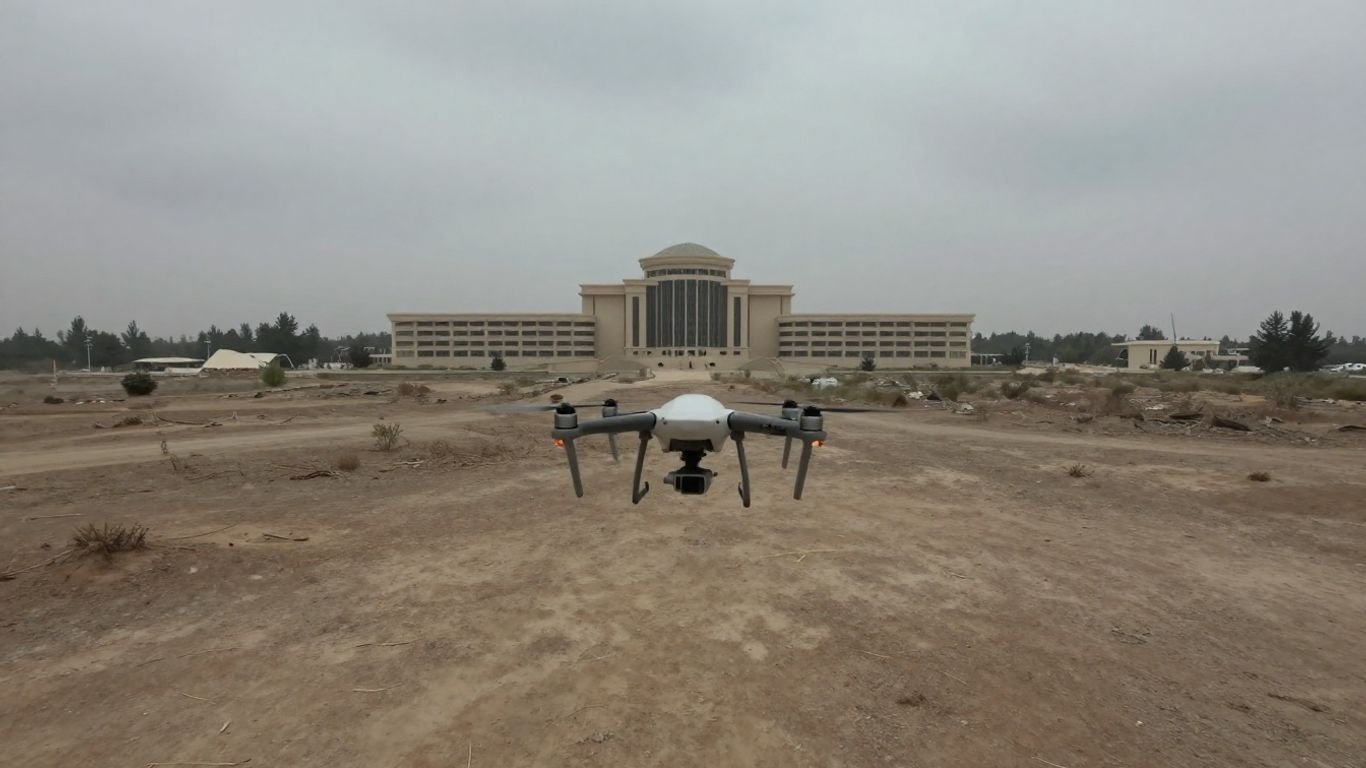
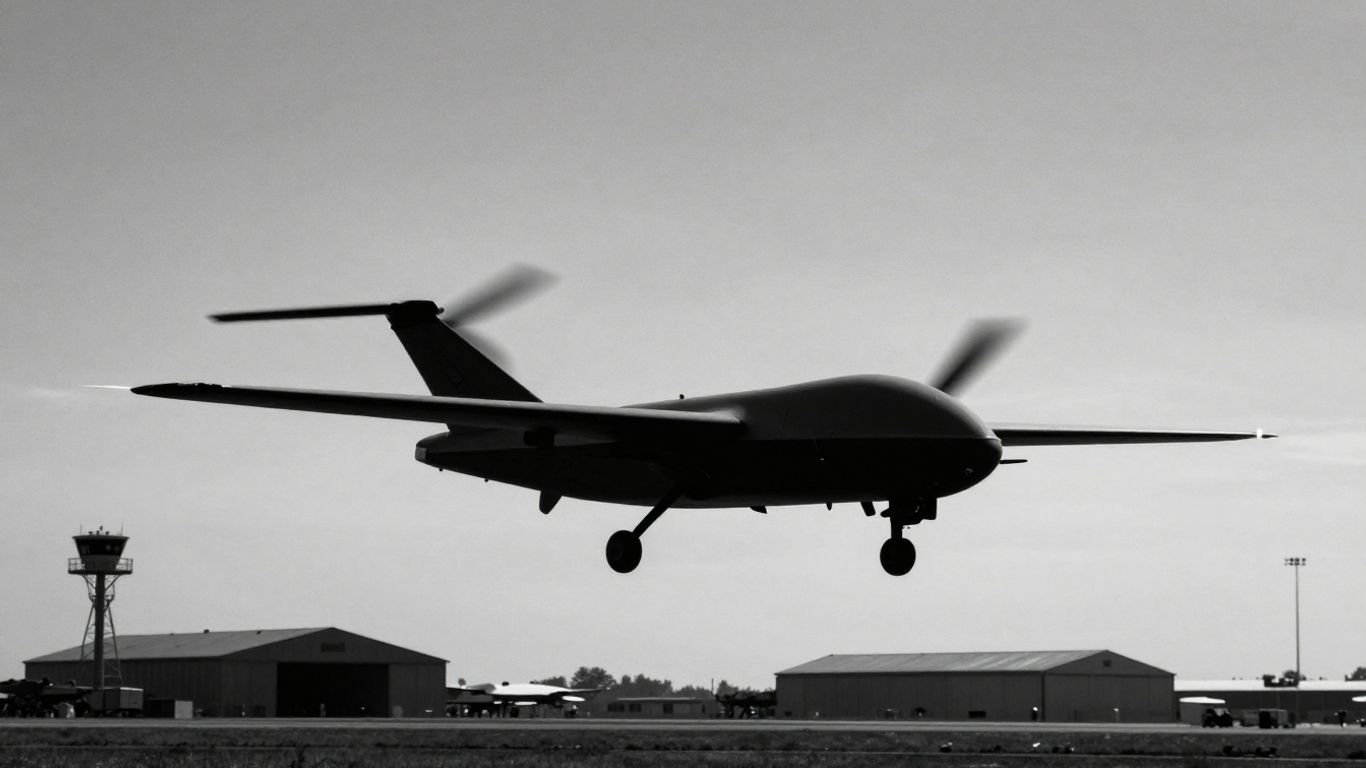
This past March, something strange was happening over Barksdale Air Force Base in Louisiana. For days, a group of drones kept showing up, buzzing around the base. It wasn’t just a quick fly-by either; these things were up there for hours at a time. The base confirmed it was unauthorized and definitely not good. Now, federal and local law enforcement are looking into it. It’s a bit unsettling to think about, especially since Barksdale is a pretty important place for the U.S. military, housing B-52 bombers and even nuclear weapons storage.
Jam-Resistant Drones Near Critical Infrastructure
What’s really concerning is that these drones didn’t seem like your average hobbyist flyers. Reports suggest they were built to resist jamming, meaning they’re harder to disrupt or take down with electronic countermeasures. They were also seen maneuvering deliberately within the base’s airspace. This isn’t just about a few drones getting too close; it points to a more sophisticated operation. When you have technology like this hovering over a critical military installation, it raises a lot of questions about who’s behind it and what their intentions are.
Investigation Into Criminal Activity
Right now, the focus is on treating this as criminal activity. The fact that these drones were operating for extended periods, seemingly unaffected by potential interference, is a big red flag. It suggests a level of planning and capability that goes beyond simple mischief. The investigation is ongoing, trying to piece together who was operating these drones and why they were targeting Barksdale. It’s a complex situation, and figuring out the full picture will likely take time.
The presence of advanced, jam-resistant drones near sensitive military sites is a serious security issue that demands increased attention and resources. While the U.S. military possesses the technology to counter such threats, prioritizing and investing in base defense against these evolving aerial intrusions is paramount.
Here’s a quick look at why this is a concern:
- Sophistication: The drones appeared to be jam-resistant, making them difficult to disable.
- Duration: They were observed for hours at a time, indicating sustained surveillance or operational capability.
- Location: Barksdale Air Force Base is a key strategic asset for the U.S.
- Intent: Unauthorized activity over a military base is inherently suspicious and requires thorough investigation.
Iran’s Advanced Drone Capabilities
It’s pretty wild how quickly drone technology has become a major player in conflicts around the world. Ukraine has really become a sort of real-time testing ground for how to deal with these things, and honestly, they’re doing some impressive work defending themselves. But it’s not just happening over there. We’re seeing these unidentified drones pop up closer to home too, which is definitely a bit unsettling.
Ukraine’s Defense Against Drones
When you look at Ukraine, you see a nation fighting for its very existence. That kind of pressure forces rapid adaptation. They’ve had to get incredibly good at spotting and neutralizing drone threats because, for them, it’s not just about winning a battle; it’s about survival. Their experience is something the U.S. and its allies really need to pay attention to and learn from. It’s a tough lesson, but a valuable one.
Iran’s Drone Use in Regional Conflicts
Iran has been pretty active in using drones in its regional dealings. We’ve seen them employed in various ways, sometimes targeting infrastructure or military sites in neighboring countries. It’s a tactic that can cause a lot of disruption and anxiety without necessarily escalating to a full-blown missile strike. They’ve also been accused of using these drones in ways that blur the lines of international law, which is a whole other can of worms.
Learning From Ukraine’s Experience
So, what’s the takeaway here? The folks in Ukraine are on the front lines, figuring out what works and what doesn’t against a constant barrage of aerial threats. Their methods, their strategies, and even their mistakes are a goldmine of information. It makes sense for us to partner with them, share resources, and really absorb what they’re learning. It’s about being proactive and not waiting for a similar situation to hit us.
Here’s a quick look at some of the drone types and their general capabilities that have been observed:
- Kamikaze Drones: These are designed to crash into a target and detonate, acting as a flying bomb. They can be relatively small and hard to detect.
- Reconnaissance Drones: Used for surveillance and gathering intelligence. They can stay airborne for long periods, providing real-time video feeds.
- Larger Attack Drones: These are more substantial and can carry heavier payloads, including missiles or larger explosive charges.
The proliferation of drone technology means that even smaller nations or non-state actors can pose significant threats. This requires a rethinking of traditional defense strategies and a focus on adaptable, multi-layered countermeasures.
Trump Administration’s Stance on Iran Conflict
Hints of Diplomatic Resolution
President Trump, at times, seemed to suggest that a diplomatic path to resolving the conflict with Iran was within reach. He made public statements indicating significant progress in talks, even mentioning that "major points of agreement" had been reached. These remarks often came after U.S. and Israeli military actions, creating a mixed message of aggression and potential de-escalation. The administration pointed to back-channel communications, with figures like Jared Kushner reportedly engaging with Iranian officials, aiming to find common ground. This approach suggested a desire to avoid prolonged military engagement, perhaps influenced by the relatively low U.S. casualties despite significant Iranian missile and drone activity.
Iran’s Pushback and Retaliation
Despite any perceived diplomatic overtures from the U.S. side, Iran consistently denied engaging in negotiations and often responded with increased aggression. Iranian officials, including parliamentary speakers, publicly dismissed U.S. claims of progress, labeling them as "fake news" intended to manipulate markets. Iran’s actions included retaliatory missile and drone strikes against Israel and neighboring Gulf Arab states, directly challenging U.S. influence and its allies. This pattern of denial and retaliation underscored the deep mistrust and the complex geopolitical dynamics at play, making any diplomatic breakthrough a difficult prospect.
Impact on Global Markets and Oil Exports
The conflict had a significant and immediate impact on global markets, particularly concerning oil exports. Iran’s actions, including threats to the Strait of Hormuz, a vital shipping lane, caused oil prices to surge and disrupted supply chains. The International Energy Agency warned that the crisis posed a major threat to the global economy, with numerous oil facilities damaged across several countries. The U.S. administration, under pressure to stabilize prices and ensure energy security, urged international partners to help secure shipping routes. The market’s volatility was evident, with Brent crude prices dropping significantly following Trump’s hints of a potential de-escalation, only to fluctuate with subsequent escalations.
| Key Economic Impact | Description |
|---|---|
| Oil Price Volatility | Significant price increases followed by sharp drops based on perceived diplomatic progress or escalation. |
| Disrupted Exports | Iran’s actions threatened the flow of oil through the Strait of Hormuz, impacting global supply. |
| Infrastructure Damage | Attacks damaged oil and gas facilities, with predictions of long-term effects on natural gas exports. |
The administration’s strategy appeared to oscillate between applying military pressure and signaling a willingness to talk. However, Iran’s consistent denial of negotiations and its retaliatory actions created a volatile environment where economic stability was constantly at risk. This created a difficult situation for global energy markets, which reacted sharply to every statement and military move.
Military Response and Drone Threats
It’s a bit unsettling, isn’t it? We’re seeing these reports of drones buzzing around military bases like Barksdale Air Force Base, and it makes you wonder what’s really going on. The good news, apparently, is that these incidents haven’t stopped operations or anything like that. Still, unauthorized drones near important places are a big security worry. The military does have ways to handle this, with the tech and know-how, but it seems like the real question is whether enough attention and money are being put into stopping it. The Army, in particular, needs to step up its game here.
Assessing Drone Swarm Intelligence Value
When a swarm of drones hangs around a military installation for hours, it’s not just a fly-by. It’s a chance for whoever is flying them to gather a lot of information. Think about it: they could be mapping out the base, checking security routines, or looking for weak spots. This kind of persistent observation is a serious concern, especially when you consider what Ukraine has been doing with drones against Russian forces. It’s one thing to watch, but it’s another to use that information for attacks.
Distributing Authority to Engage Drones
One idea being talked about is giving more people the go-ahead to take action against drones that seem to be up to no good. Right now, maybe the authority to shoot down or disable a drone is too high up the chain. If a drone is showing hostile intent, it makes sense to have people on the ground who can react quickly. This involves command and control, and making sure the right people have the power to act when needed. It’s about being able to respond effectively in real-time.
Increasing Investment in Drone Defense
We’re definitely seeing a need for more resources dedicated to defending against drones. This isn’t just about buying new gadgets; it’s about training, developing better strategies, and investing in the whole system. The conflicts we’re seeing around the world, especially in places like Ukraine, are showing us just how important drone defense is. It’s a rapidly changing landscape, and staying ahead means putting more money and effort into this area. We need to treat this threat with a greater sense of urgency.
The military has the tools to deal with these drone issues, but it’s about prioritizing the problem and putting in the necessary resources. It’s less about capability and more about focus and investment.
The PBS Drone Report and Geopolitical Tensions
The recent PBS report has really brought to light some unsettling connections between drone sales, potentially linked to individuals associated with the Trump administration, and their use in conflict zones. It’s a complicated picture, and frankly, it’s got a lot of people talking.
Iran’s Threats to UAE Ports
One of the most concerning aspects highlighted is Iran’s increasing assertiveness, including threats directed at ports in the United Arab Emirates. This isn’t just talk; it’s a direct challenge that impacts global trade and regional stability. The implications for shipping and the economy are significant, especially when you consider how vital these routes are for oil exports. The report suggests a pattern where advanced drone technology, possibly acquired through less-than-transparent channels, is being used to project power and create instability.
U.S. Military Operations in the Middle East
In response to these escalating tensions, the U.S. military has been actively engaged in operations across the Middle East. The presence of advanced drone capabilities, whether Iranian or otherwise, forces a constant reassessment of defense strategies. This includes monitoring airspace, intercepting potential threats, and maintaining a strong presence to deter aggression. It’s a delicate balancing act, trying to maintain peace while being prepared for conflict. The ongoing operations are a clear signal of the seriousness with which these threats are being taken, and you can see how this affects everything from fuel prices to international relations.
Economic Repercussions of Regional Conflict
The ripple effects of these geopolitical maneuvers are felt far beyond the immediate conflict zones. When there’s instability in the Middle East, especially involving key oil-producing nations, the global economy takes a hit. We’ve seen how quickly oil prices can fluctuate based on perceived threats or actual disruptions. This creates uncertainty for businesses and consumers alike.
Here’s a look at some potential economic impacts:
- Increased Energy Costs: Disruptions to oil supply or transit routes can lead to higher prices at the pump and for industrial energy use.
- Supply Chain Disruptions: Threats to shipping lanes can slow down the movement of goods, affecting manufacturing and retail.
- Investment Uncertainty: Geopolitical risks can make investors hesitant, leading to stock market volatility and reduced capital flow.
The interconnectedness of global markets means that regional conflicts, amplified by advanced drone technology, can have widespread and unpredictable economic consequences. It’s a stark reminder that what happens in one part of the world doesn’t stay in one part of the world.
This situation underscores the need for clear communication and de-escalation, but also for robust defense capabilities to counter emerging threats. The PBS report serves as a wake-up call, urging a closer look at how drone technology is being proliferated and its potential impact on global security and economic stability.
Examining Drone Warfare and International Law
Concerns Over Civilian Targeting
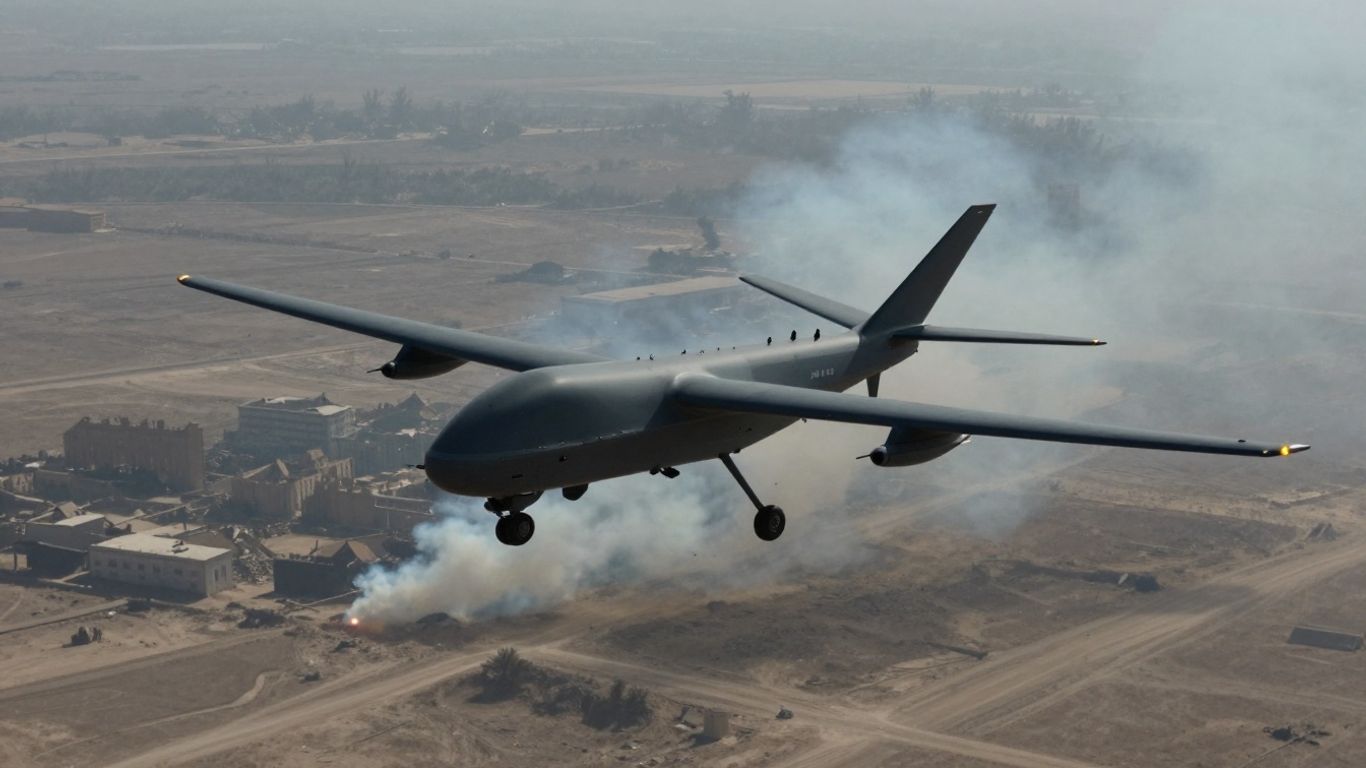
When we talk about drones, especially in conflict zones, one of the biggest worries is how they might be used against civilians. It’s a really sensitive topic. The idea of unmanned aircraft being used to strike targets raises a lot of questions about who is being targeted and why. International law has pretty clear rules about protecting non-combatants, and using drones needs to fit within those rules. It’s not just about having the technology; it’s about how it’s applied.
War Crimes and Legal Repercussions
This is where things get really serious. If drones are used in ways that violate the laws of war, it can lead to accusations of war crimes. Think about it – intentionally targeting civilians or causing excessive harm to them is a big no-no. Even if a leader orders something that crosses the line, that doesn’t necessarily excuse the people carrying out the order. International courts can get involved, and the consequences can be severe for individuals and even nations. It’s a heavy responsibility.
The Military’s Oath to Lawful Operations
Every member of the military takes an oath, and a big part of that is to follow lawful orders and uphold the rules of engagement. This means that even when faced with complex situations or direct orders, military personnel have a duty to ensure their actions are legal. They can’t just blindly follow any command if it goes against international law or the laws of armed conflict. It’s a safeguard, meant to prevent atrocities and maintain a standard of conduct, even in the chaos of war. This commitment to lawful operations is a cornerstone of military ethics.
What’s Next?
So, what does all this mean? The reports about drones near Barksdale Air Force Base and the ongoing situation with Iran paint a concerning picture. It seems like drone technology is getting more advanced, and keeping track of it all is a real challenge. Experts are saying we need to pay more attention and put more resources into dealing with these threats. It’s not just about watching; it’s about being ready to act. The war in Ukraine shows how quickly countries can adapt when they face serious danger, and maybe we need to learn from that. For now, it looks like this drone issue is something we’ll be hearing more about, and it’s definitely something that needs more focus from everyone involved.
Frequently Asked Questions
What happened at Barksdale Air Force Base?
Unidentified drones were seen flying around Barksdale Air Force Base multiple times for hours at a time. The drones seemed hard to jam, and officials are investigating this as a criminal matter.
Why is Iran using so many drones?
Iran has been using drones and missiles in conflicts in its region. The war in Ukraine shows how important drones are, and Iran seems to have advanced drone technology.
Did President Trump try to make peace with Iran?
President Trump suggested that a conflict with Iran might end soon. However, Iran pushed back against this idea, and the U.S. and Israel continued their military actions.
How is the U.S. military dealing with drone threats?
The military has technology and experience to handle drones. However, experts say more focus and money are needed, and the authority to stop drones needs to be given to lower-level commanders.
What are the economic effects of the conflict?
The conflict has caused problems for air travel and has made oil prices go up. Iran’s control over a key shipping route, the Strait of Hormuz, has made the economic issues worse.
What are the rules for drone warfare?
International laws, like the laws of war, say that civilians should not be targeted. Committing war crimes, like deliberately attacking civilians, can lead to serious legal trouble, even for leaders.