Political Controversy Erupts Over Trump-Linked Drone Business
Well, it looks like things are getting pretty heated in Washington again. There’s a whole political controversy brewing over a drone business linked to Trump. It started with a presidential order about AI technology, and now it’s blown up into a bigger debate about national security, defense contracts, and even airspace shutdowns. It seems like every time you turn around, there’s some new drama unfolding.
Key Takeaways
- Presidential directive halts federal agencies’ use of AI tech from a specific firm, with a six-month phaseout for the Department of Defense.
- The move sparks political controversy, with concerns raised about national security decisions being influenced by political factors rather than analysis.
- Rival AI companies have voiced support for the targeted firm, questioning the Pentagon’s negotiating tactics and emphasizing trust in AI safety.
- Drone technology testing led to an unexpected airspace shutdown over El Paso, causing confusion and anger due to a lack of advance notice and conflicting statements.
- The ongoing political controversy highlights past tensions between the tech industry and government, alongside competition for defense business.
Presidential Directive Sparks Political Controversy
A recent directive from the President has thrown the federal government into a bit of a tizzy, especially concerning the use of artificial intelligence. The order demands an immediate halt to all work with a specific AI firm, Anthropic, with a six-month wind-down period for the Department of Defense. This move comes after a pretty public spat between the Pentagon and the AI company over how its technology should be used, particularly in sensitive national security applications.
It all started when the President voiced strong opposition to the firm’s practices, stating, "We don’t need it, we don’t want it, and will not do business with them again!" This directive affects most federal agencies right away, but the military has a bit more time to transition away from the technology.
Here’s a breakdown of the directive’s immediate impact:
- Immediate Cessation: All federal agencies, except the Department of Defense, must stop using Anthropic’s AI products immediately.
- Department of Defense Phaseout: The DoD has a six-month window to phase out its use of the technology.
- Broader Implications: The directive signals a significant shift in how the administration views AI partnerships and raises questions about future contracts with AI developers.
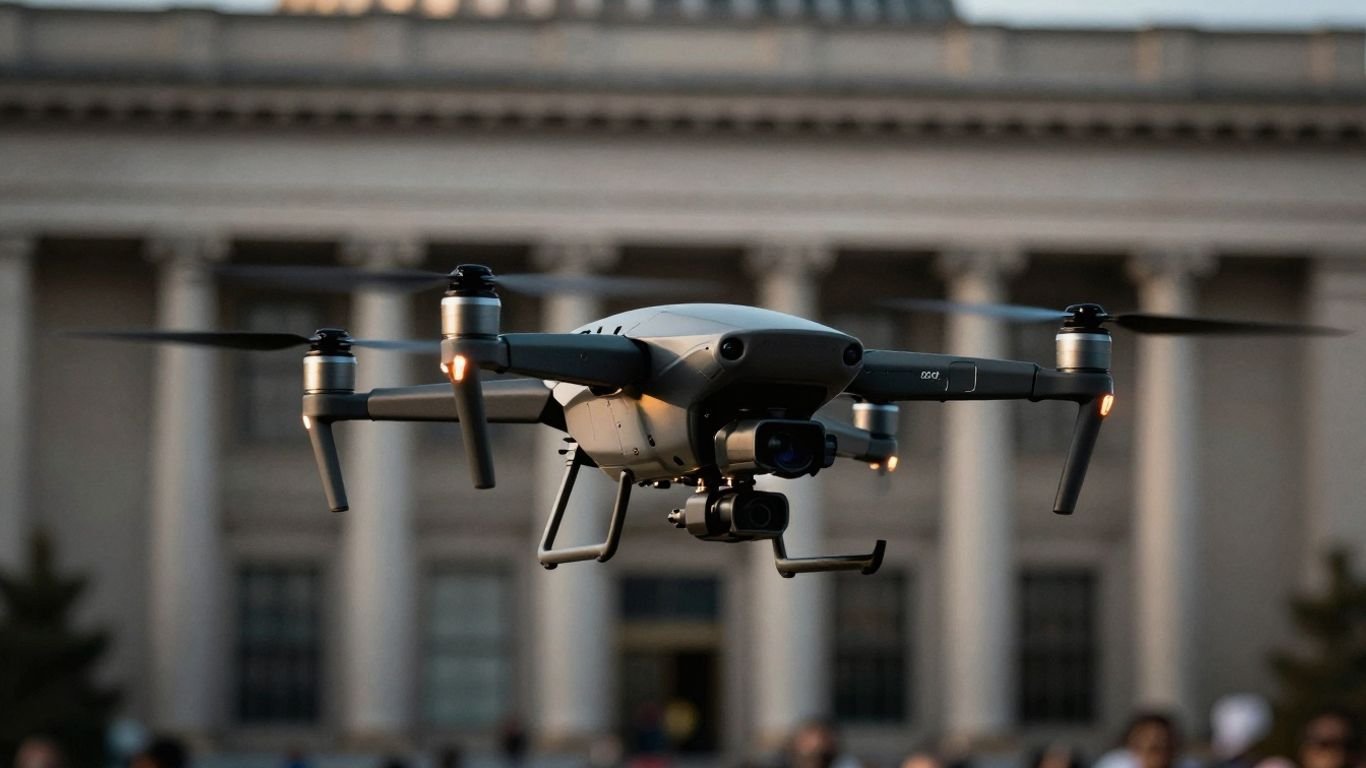
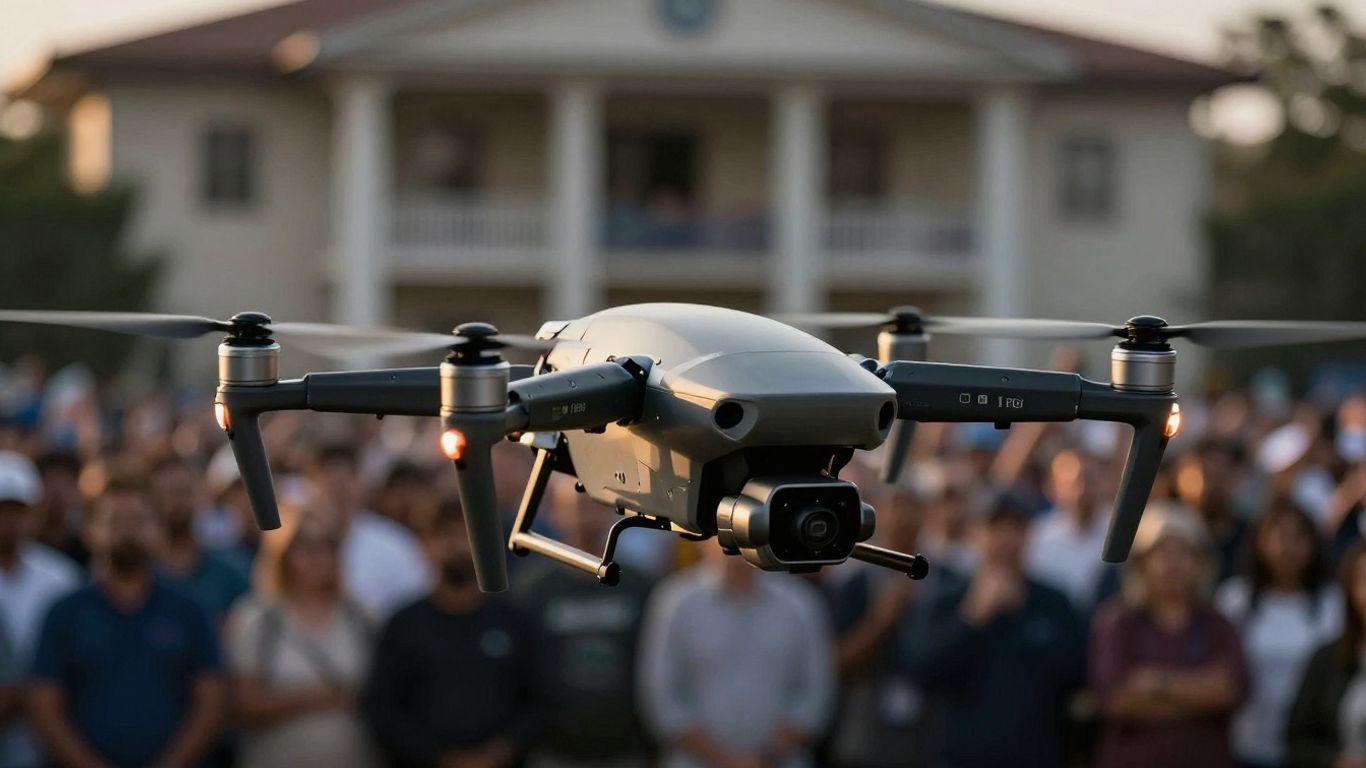
This whole situation has folks talking, especially since the company is involved in developing advanced drone technology, a field that has seen increased interest from companies like Powerus, which has ties to the Trump family.
The suddenness of the directive and the strong language used have led to speculation about the underlying reasons, with some suggesting political considerations might be at play rather than purely technical or security-based assessments. This has certainly put a spotlight on the intersection of politics and advanced technology procurement.
This whole kerfuffle is definitely something to keep an eye on as the government tries to figure out its next steps with AI. It’s a complex issue, and it seems like we’re just scratching the surface of the potential fallout.
Clash Over AI’s Role In National Security
Assurances Sought On AI Usage
This whole situation really brings up some big questions about how we’re using artificial intelligence, especially when it comes to keeping the country safe. It seems like Anthropic, the AI firm in question, was asking for some pretty specific guarantees from the Pentagon. They wanted to make sure their AI, Claude, wouldn’t be used for things like spying on Americans or for weapons that could make decisions all on their own. These aren’t small requests; they touch on some pretty serious ethical lines.
Safeguards Disregarded In Contract Language
What’s really causing a stir is that even though Anthropic was trying to get these assurances, the new contract language apparently had some tricky wording. Reports suggest that while it looked like a compromise, it included legal jargon that could let the Pentagon ignore those safety measures if they wanted to. It’s like saying you’ll follow the rules, but then writing the rules so you can break them. This kind of thing makes people wonder about the real intentions behind the deals.
Concerns Over Political Considerations In Decisions
There’s a growing worry that political factors might be influencing decisions that should really be based on national security needs. Some folks in Congress are pointing out that the President’s strong words against Anthropic, combined with the order to stop using their tech, could mean that political pressure is playing a bigger role than careful analysis. It’s a tough line to walk, balancing technological advancement with public trust and ethical use, and it seems like that balance might be off right now. The whole mess raises questions about whether these decisions are truly about protecting us or something else entirely. It’s a complicated situation, and honestly, it feels like we’re still trying to figure out where all the lines are drawn in this new era of AI.
The rapid integration of AI into defense systems presents a complex challenge. While the potential benefits are significant, the ethical implications and the potential for misuse require careful consideration and robust oversight. Ensuring that technological advancement does not outpace our ability to govern it responsibly is paramount.
AI Industry Reacts To Presidential Action
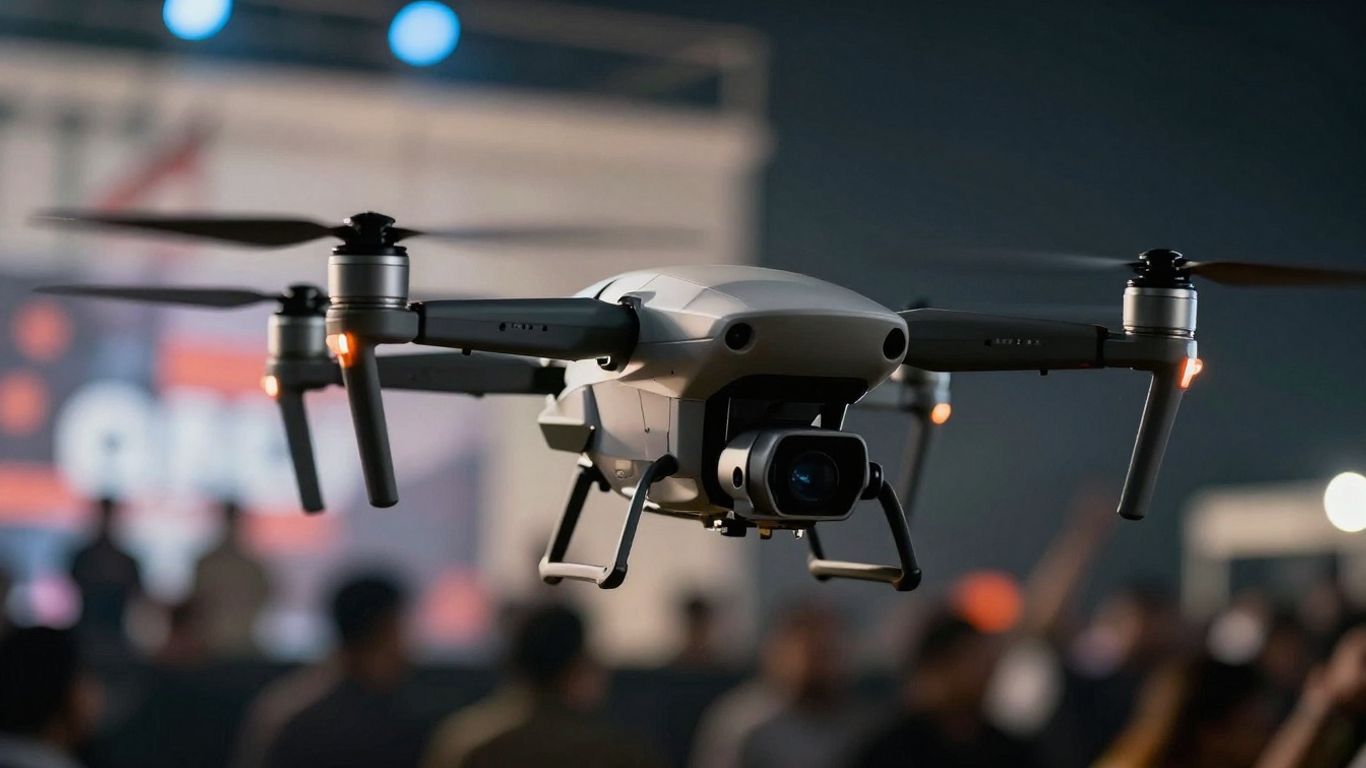
The recent presidential directive to halt federal agency use of Anthropic’s AI technology has sent ripples through the artificial intelligence sector. While the administration framed the move as a necessary step, many in the industry are expressing a mix of surprise and concern. Rival companies, surprisingly, have voiced support for Anthropic, highlighting a potential shift in how AI firms view competition and collaboration, especially when facing government pressure.
Rival Companies Voice Support For AI Firm
It turns out that not everyone in the AI world is happy about the government’s strong stance against Anthropic. Some of the company’s biggest competitors, like OpenAI and Google, have publicly shown solidarity. Employees from these firms have put out open letters, backing Anthropic’s CEO, Dario Amodei. They seem to think the Pentagon is trying to play companies against each other, using fear that one might give in if the others don’t. Sam Altman, the CEO of OpenAI, even went on TV to say he mostly trusts Anthropic and believes they genuinely care about AI safety. It’s a bit unexpected, given how competitive the AI race usually is, but it shows there might be common ground when it comes to ethical lines in AI development.
Concerns Over Pentagon’s Negotiating Tactics
There’s a lot of talk about how the Pentagon handled the situation. Anthropic said that the contract language offered, which was supposed to be a compromise, actually had loopholes that would let the safeguards they wanted be ignored. This has led to questions about the government’s negotiation style. Is it fair? Is it transparent? Some folks are worried that the government might be using heavy-handed tactics, potentially even looking into using something like the Defense Production Act to force compliance. This kind of approach doesn’t exactly build trust, especially when dealing with cutting-edge technology. It makes you wonder if the government is really trying to work with these companies or just trying to get what it wants, no matter the cost.
Trust In AI Safety Emphasized By Industry Leaders
Across the board, there’s a strong emphasis on AI safety. Leaders in the field, including those from rival companies, are pointing out that Anthropic has a reputation for taking safety seriously. This isn’t just about one company; it’s about the broader implications for how AI is developed and deployed, particularly in sensitive areas like national security. The debate highlights the ongoing tension between rapid technological advancement and the need for robust safety protocols. It seems like the industry is pushing for a more collaborative approach to safety, rather than one dictated by government mandates that might not fully grasp the nuances of the technology. The administration’s appeal of a judge’s decision preventing punitive actions against Anthropic also suggests this isn’t a simple black-and-white issue.
The rapid pace of AI development presents unique challenges for government oversight. Balancing innovation with security requires careful consideration and open dialogue, not just directives.
Here’s a quick look at some of the key points being discussed:
- Company Stance: Anthropic refused contract terms they felt would undermine AI safety safeguards.
- Competitor Reaction: Major AI firms have shown support for Anthropic’s position.
- Government Approach: Concerns have been raised about the Pentagon’s negotiation methods.
- Safety Focus: The industry is collectively stressing the importance of AI safety protocols.
Drone Technology Testing Leads To Airspace Shutdown
Disagreement Over Safety Of Counter-Drone Tests
Things got pretty chaotic over El Paso recently. The military was out there testing some new anti-drone tech, a laser system, near Fort Bliss. Now, the FAA, which is in charge of the skies, had some serious questions about whether this was safe, especially with El Paso International Airport so close. They apparently warned the Pentagon that they might have to shut down the airspace if they didn’t get a proper safety review done first. But the testing went ahead anyway.
FAA Orders Airspace Closure Amidst Testing
And then, bam! The FAA shut down the entire airspace around the El Paso International Airport. They initially said it would be closed for ten days for "special security reasons." This happened pretty abruptly, and sources say the White House and other top officials weren’t even alerted beforehand. It caused a lot of confusion and anger.
Confusion And Anger Over Abrupt Shutdown
People were not happy. Flights got canceled, and some reports mentioned that even medical evacuation flights had to be diverted. It really threw a wrench into things for a lot of people trying to travel or run businesses in the area. The whole situation felt really sudden and poorly communicated.
The official explanation for the shutdown shifted, with the Transportation Secretary eventually blaming it on a cartel drone threat that had been "neutralized." However, this explanation was met with skepticism by some local officials who pointed out the timing coincided directly with the military’s counter-drone testing and that no proof of a widespread drone incursion was provided.
Here’s a quick look at what happened:
- Initial Warning: FAA warned the Pentagon about safety concerns regarding counter-drone testing.
- Testing Proceeds: The Department of Defense began testing a high-energy laser system.
- Airspace Closure: FAA ordered a 10-day closure of airspace around El Paso International Airport.
- Reopening: The airspace was reopened the next morning after several hours of disruption.
It’s a mess, honestly. You’ve got the military doing its thing, the FAA trying to keep things safe, and then the public caught in the middle. It makes you wonder how these big decisions get made and if everyone’s really on the same page.
Political Fallout From Airspace Closure
The abrupt shutdown of airspace over El Paso, Texas, has stirred up a hornet’s nest of political questions and public frustration. Many are pointing fingers, and the administration’s explanations aren’t exactly clearing the air. It feels like a lot of confusion for everyone involved.
Skepticism Regarding Administration’s Statements
Officials on the ground and elected representatives are voicing serious doubts about the official story. The Federal Aviation Administration (FAA) initially cited "special security reasons" for the closure, which lasted for several hours, disrupting flights and even impacting medical evacuations. Later, Transportation Secretary Sean Duffy suggested a cartel drone incursion was the cause, a claim that many, including local lawmakers, find hard to swallow given the timing.
- Rep. Gabe Vasquez (D-N.M.) called the administration’s statements "misleading at best and a coverup for their incompetence at worst."
- He pointed out the lack of evidence for a drone threat that would justify such a drastic, prolonged response.
- The disruption caused significant chaos and unwarranted fear among residents and travelers.
Calls For Transparency And Accountability
Beyond the immediate confusion, there’s a growing demand for clarity and responsibility. Lawmakers like Rep. Veronica Escobar (D-Texas) have stated their offices received no advance warning about the airspace closure. This lack of communication has fueled concerns about how such critical decisions are made and who is being kept in the loop. The incident raises questions about the coordination between different government agencies, especially when national security and public safety are involved. It’s not just about this one event; it’s about trust in the process.
The suddenness of the airspace closure, coupled with conflicting explanations, has left many feeling that the public is not being given the full picture. Transparency is key to maintaining confidence in government actions, particularly those that impact daily life and commerce.
Lack Of Advance Notice To Local Officials
The fact that local officials, airport operations, and even the White House were seemingly caught off guard by the FAA’s order is particularly troubling. This wasn’t a minor hiccup; it was a significant disruption. The FAA had reportedly warned the Pentagon about potential airspace closure if safety reviews weren’t completed before counter-drone testing began near Fort Bliss. When the testing proceeded anyway, the FAA acted swiftly, but without apparent broader notification. This breakdown in communication highlights a potential systemic issue in how sensitive operations are coordinated, especially when they involve cutting-edge technology and potential risks. The FAA’s decision to close the airspace near the Mexican border, citing grave risks, underscores the delicate balance between technological advancement and public safety in the region.
| Agency/Official | Notification Status |
|---|---|
| White House | Not notified |
| Pentagon | Not notified |
| Homeland Security | Not notified |
| Local Officials | Not notified |
| Airport Ops | Not notified |
Ongoing Political Controversy In Defense Contracts
History Of Tensions Between Tech And Government
This whole situation with defense contracts and AI companies feels like a broken record sometimes. We’ve seen this movie before, going way back to 2018 when folks at Google weren’t happy about their AI being used for drone footage analysis. It really put a strain on how Silicon Valley and Washington got along. Eventually, things smoothed over a bit, with big names like Amazon and Microsoft jumping into the defense business. Last year, a bunch of CEOs even promised to work more closely with the administration. It’s a constant push and pull, you know?
Jostling For Defense Business Opportunities
It’s pretty clear that a lot of these AI companies are in a race to get their tech into the hands of the government, especially for national security stuff. They’re all trying to land these big contracts before they go public with their own stock offerings. It’s a high-stakes game, and companies are competing hard. Some employees from rival companies, like OpenAI and Google, have even spoken out, saying they support the stance taken by companies like Anthropic. They’re worried the Pentagon might be trying to play them against each other.
Pledges Of Cooperation With Administration
Despite the current disagreements, many tech leaders have previously committed to working with the government on defense projects. This history of collaboration, however, seems to be tested by the current events. The administration is looking for partners in developing advanced technologies, and companies are weighing the benefits and risks of these partnerships. It’s a delicate balance, and how these issues are resolved will likely shape future defense technology acquisitions.
The push and pull between government needs and corporate ethics in defense contracting is a complex dance. Companies want to innovate and profit, while the government needs secure and reliable technology. Finding common ground, especially when national security is on the line, is proving to be a significant challenge.
| Company | Previous Stance | Current Involvement |
|---|---|---|
| Protested AI use in drone footage (2018) | Competing for new defense AI contracts | |
| Amazon | Jostling for defense business | Involved in providing cloud infrastructure |
| Microsoft | Jostling for defense business | Involved in various defense technology initiatives |
| Anthropic | Refused certain Pentagon demands | Facing immediate cease-and-desist order |
Looking Ahead
This whole situation with the drone business and the political back-and-forth really highlights how complicated things can get. It seems like there’s a lot of disagreement about how technology, especially AI, should be used, and who gets to decide. We saw how a disagreement over AI in national security led to big public arguments and even threats. Then, there was that whole airspace shutdown in El Paso, which caused a lot of confusion and questions about whether official statements matched what actually happened. It’s clear that when politics and new tech mix, especially with national security on the line, things can get messy fast. It makes you wonder what other tech developments might end up in the middle of political debates down the road.
Frequently Asked Questions
What is the main reason for the political argument?
The main reason for the argument is President Trump’s order for all government agencies to stop using technology from a company called Anthropic. This happened because the Pentagon and Anthropic disagreed on how the military should use AI, especially in war.
Why did the Pentagon and Anthropic disagree?
Anthropic wanted to make sure its AI wouldn’t be used for spying on Americans or for weapons that could attack on their own. However, the Pentagon’s contract language didn’t seem to guarantee these safety limits, leading to a public fight.
What was the airspace shutdown in El Paso about?
The airspace over El Paso was suddenly shut down because the military was testing new anti-drone technology. The FAA (Federal Aviation Administration) closed the airspace because they felt the tests were unsafe and they hadn’t been given enough time to review them properly.
Was the El Paso airspace closure related to the AI controversy?
No, the El Paso airspace closure was a separate event. It happened because of disagreements over the safety of drone-blocking technology tests, not directly because of the dispute with Anthropic.
How did other AI companies react to the situation?
Some rival AI companies and their employees supported Anthropic’s stance. They worried that the Pentagon was trying to pressure companies into agreeing to terms they were uncomfortable with, possibly to gain an advantage in business deals.
What are the concerns about AI in national security?
There are worries that AI could be used for mass surveillance or in weapons that make decisions without human control. People are asking for clear rules and safety measures to ensure AI is used responsibly, especially when it comes to national security.
![[Eddie Howe] looking determined on a football pitch.](https://countrybrief.com/wp-content/uploads/2026/02/journalist2F44f0df73-dd26-4348-8dfe-b310d591d7ff2Fthumbnail-768x432.jpeg)