
Russia Allegedly Provides Iran with Spy Imagery for Middle East Strikes, Ukraine Claims
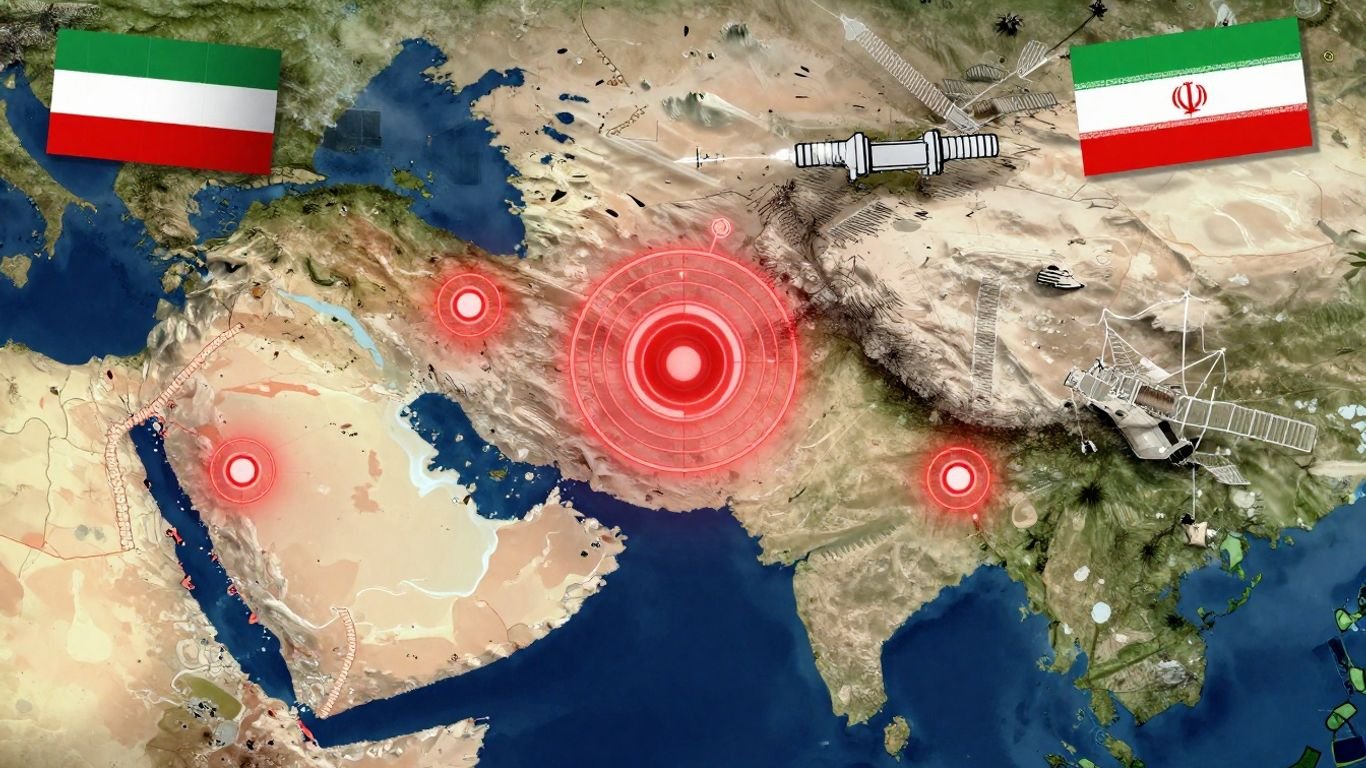
A Ukrainian intelligence assessment suggests Russia has supplied Iran with detailed satellite imagery of military facilities and critical sites across the Middle East. This alleged support is reportedly intended to aid Iran in targeting U.S. forces and other objectives in the region, escalating geopolitical tensions.
Key Takeaways
- Russia is accused of providing Iran with detailed satellite imagery of Middle Eastern military and critical sites.
- The intelligence suggests this imagery is intended to help Iran plan strikes against U.S. forces and other targets.
- The assessment comes from Ukrainian intelligence.
Alleged Russian Support for Iranian Operations
According to a Ukrainian intelligence assessment, Russia has conducted numerous detailed imagery surveys of military installations and vital infrastructure throughout the Middle East. These surveys, captured by Russian satellites, are allegedly being shared with Iran. The purpose of this data transfer is reportedly to enable Iran to refine its targeting capabilities for potential strikes against American military assets and other strategic locations within the region.
The intelligence report indicates a significant level of cooperation between Russia and Iran, extending beyond conventional military or political alliances into the realm of intelligence sharing and cyber support. This alleged provision of spy imagery could significantly enhance Iran’s operational planning and execution of attacks, potentially increasing the risk to U.S. personnel and interests in the Middle East.
Geopolitical Implications
This revelation, if substantiated, carries substantial geopolitical implications. It suggests a deepening strategic partnership between Moscow and Tehran, potentially aimed at challenging U.S. influence in the Middle East. The alleged use of Russian intelligence to facilitate Iranian strikes could also complicate ongoing efforts to de-escalate regional conflicts and could lead to a more volatile security environment. The assessment highlights the complex web of international relations and the evolving nature of modern warfare, where intelligence gathering and sharing play a crucial role in shaping strategic outcomes.