
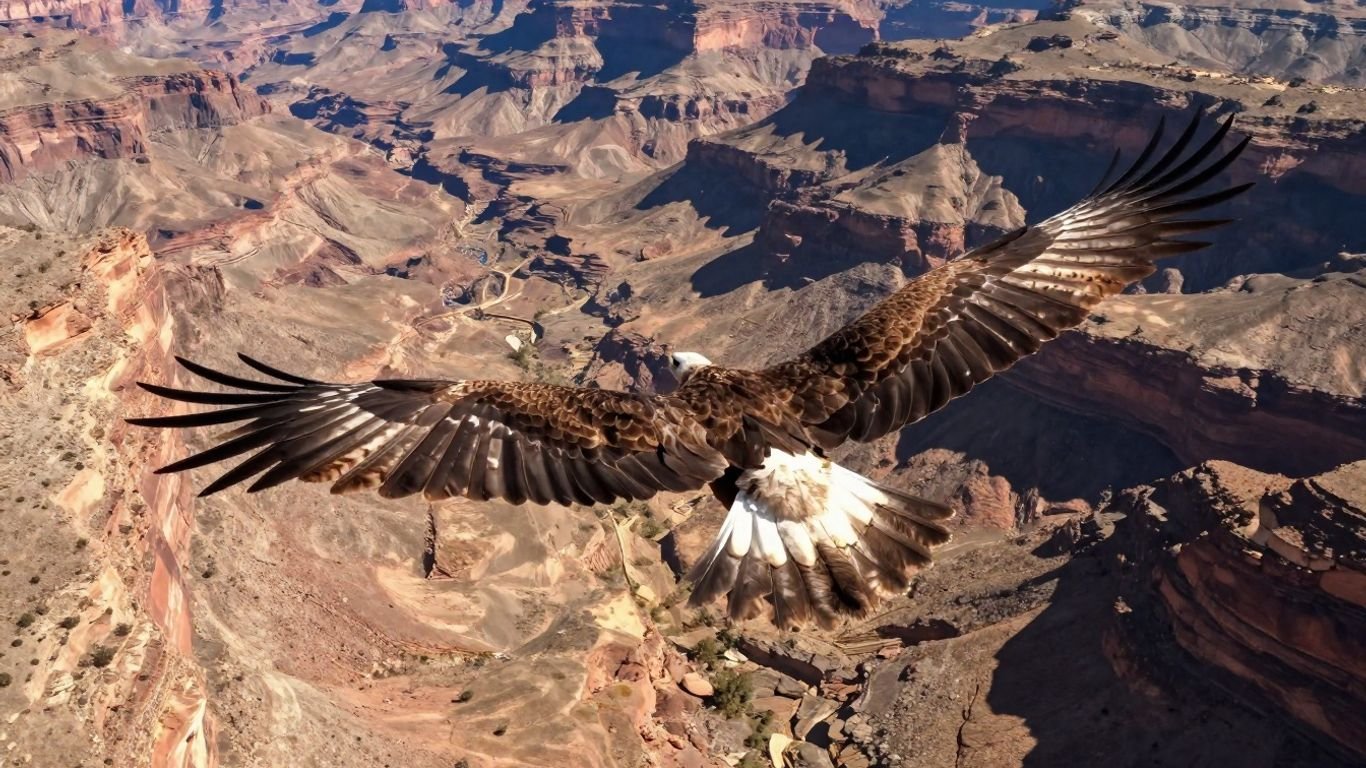
Stunning Drone Wildlife Footage Goes Viral Online
It’s amazing what you can see when you look from above. Recently, some incredible drone wildlife footage has been making waves online, showing us animals in ways we’ve never seen before. From heartwarming moments of animal kindness to rare natural events, these videos are capturing our attention and reminding us just how fascinating the natural world is. Let’s take a look at some of the most talked-about clips.
Key Takeaways
- Drone footage captured a rare sperm whale birth where other whales acted as midwives, helping the calf breathe and stay safe.
- A viral video showed a golden retriever named Beau interacting gently with a mouse, highlighting animal empathy and surprising friendships.
- Conservation efforts are using drone technology to monitor endangered species and document natural behaviors without disturbing animals.
- A drone recorded a whale curiously approaching a paddleboarder, reminding viewers of the importance of respecting marine life from a safe distance.
- Stories of dogs showing remarkable intelligence, like finding their way home or mimicking CPR in training, continue to capture the public’s imagination.
Remarkable Drone Wildlife Footage Captures Unprecedented Whale Birth
Scientists Witness and Record Rare Sperm Whale Birthing Event
It’s not every day you get to see something truly extraordinary happen in the wild, especially something as private as a whale giving birth. But thanks to some incredible drone footage, scientists and the public alike got a front-row seat to a sperm whale birthing event that’s rarely, if ever, been documented. This particular moment, captured back in July 2023 but recently shared widely, shows a group of whales acting as midwives, a behavior that has left many amazed.
Normally, these deep-sea mammals give birth far from shore, and they tend to avoid boats, making direct observation incredibly difficult. This new footage, however, shows how technology is changing what we can learn about animal behavior. The video features a mother whale, identified as Rounder, surrounded by other whales, including what scientists believe is her mother and other females from her pod and even some from outside it. They formed a protective circle, ready to help.
It’s important to remember that baby whales, called calves, are born tail-first. This is a survival mechanism because, like all mammals, they need to breathe air. Being born tail-first helps them reach the surface for that first breath without the risk of drowning. The assisting whales in the video played a key role in making sure the newborn calf got that vital air.
Drone Technology Offers New Perspectives on Cetacean Behavior
The use of drones has really opened up a new window into the lives of whales. Before, we relied mostly on boat-based observations, which can be limited and sometimes disruptive. Drones, however, can fly overhead, capturing detailed footage without getting too close and disturbing the animals. This allows scientists to see natural behaviors unfold in ways that were previously impossible.
In the case of Rounder’s birth, the drone footage allowed researchers, who were on a boat nearby, to identify the individuals present. They recognized members of Rounder’s family, but the presence and actions of other whales were still a surprise. It highlights how complex whale social structures can be, especially during significant life events like birth.
Here’s a look at some of the whales identified around Rounder during the birth:
- Rounder: The mother giving birth.
- Accra: Rounder’s sister, who was right by her side.
- Atwood: An elder female, also providing support.
- Lady Oracle: Rounder’s mother, positioned behind.
- Aurora: Rounder’s aunt.
- Ariel: A juvenile whale.
- Four other unknown females: Their presence suggests a broader community effort.
These whales didn’t just stand by; they actively participated. After the calf was born, a group of them worked together to keep the newborn calf at the surface so it could breathe. This support lasted for about three hours, with different whales taking turns. While some were lifting the calf, others kept watch for any potential threats.
The collaborative effort observed during this sperm whale birth challenges previous assumptions about animal social dynamics. It suggests a level of communal care and support that extends beyond immediate family, particularly during vulnerable moments. This footage provides a rare glimpse into the intricate social bonds and cooperative behaviors within whale populations.
Online Audiences React with Awe to Whale Midwifery Footage
When this video hit the internet, people were absolutely blown away. The images of whales working together to help a newborn calf breathe struck a chord with many viewers. Social media lit up with comments expressing wonder and admiration for this display of animal cooperation.
Many people saw it as a beautiful example of ‘women supporting women,’ drawing parallels to human communities. Others reflected on the broader implications for understanding nature, noting that it seemed to contradict the idea of ‘survival of the fittest.’ Instead, the footage showcased a powerful message about collective care and mutual aid within the animal kingdom.
Some comments highlighted the energy whales invest in each other, with particular appreciation for the help coming from whales outside the immediate family pod. It’s clear that this rare event, made visible by drone technology, has sparked a lot of conversation and appreciation for the complex lives of marine animals.
Viral Drone Wildlife Footage Highlights Animal Intelligence and Empathy
It’s pretty wild how much we’re learning about animal smarts, especially with drones giving us a bird’s-eye view. We’re seeing stuff that makes you stop and think, like a golden retriever being super gentle with a tiny mouse. This video, which blew up online, showed the dog just sniffing around the little guy, not bothering it at all. It’s a simple moment, but it really got people talking about how animals can show kindness, even across species.
Golden Retriever’s Gentle Encounter with a Mouse Captivates Millions
This clip, featuring a golden retriever named Beau, became a huge hit. You see Beau just calmly interacting with a mouse, no chasing, no aggression. It’s the kind of thing that makes you look at your own pets a little differently. People shared it everywhere, commenting on how sweet and unexpected the interaction was. It’s a good reminder that not all animal encounters are about predator and prey.
Whales Exhibit Complex Social Behavior During Birth
While not directly in the viral clips mentioned, drone footage has also given us glimpses into the lives of whales. We’ve seen how mothers and other whales in the pod seem to work together during birth. It’s not just a solitary event; there’s a clear sense of community and support. This kind of observation, made possible by drones, helps us understand that these massive creatures have intricate social lives.
Crows Act as Unexpected Guardians, Protecting Homeowner
Then there are the crows. One story that went around involved a homeowner who had been feeding a family of crows for years. One night, when someone tried to break into the house, the crows apparently started dive-bombing the intruder and making a racket. The person ran off. It’s a pretty amazing example of how animals can form bonds and even act protectively towards humans they trust. It turns out, these birds are way smarter than many of us give them credit for, remembering faces and even passing information to each other.
These moments, captured from above or through everyday interactions, show us that intelligence and empathy aren’t just human traits. Animals, from dogs to crows to whales, display complex behaviors that challenge our assumptions and connect us to the natural world in new ways.
Here’s a quick look at some of the behaviors that have surprised people:
- Canine understanding: Dogs can learn hundreds of words and pick up on human emotions and nonverbal cues. Some can even seem to understand complex situations, like when their owner is feeling unwell.
- Avian intelligence: Crows can recognize individual human faces, associate them with past interactions, and even pass this information to other crows. They’re also known for problem-solving and tool use.
- Marine mammal community: Drone footage has hinted at cooperative behaviors among whales, particularly during significant events like births, suggesting strong social structures.
The Power of Drone Wildlife Footage in Conservation Efforts
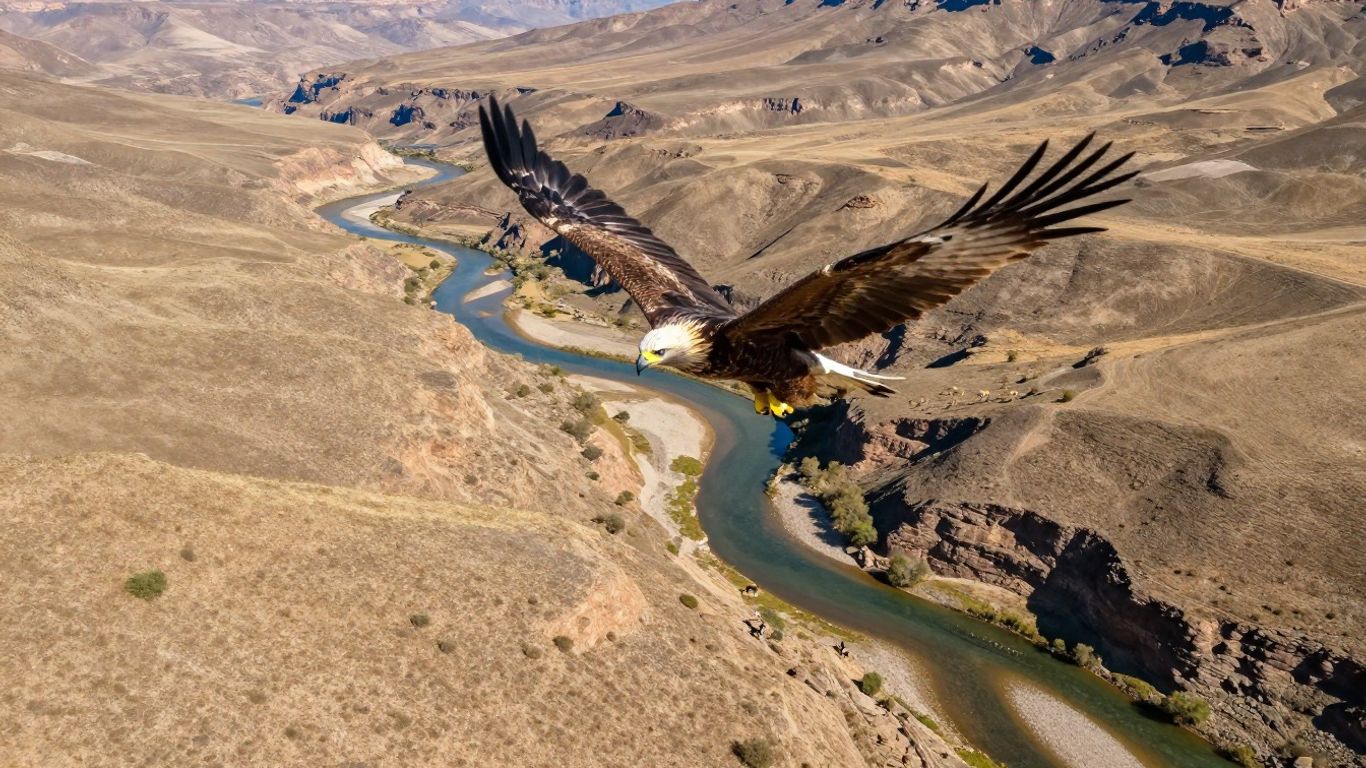
Drone technology is really changing the game when it comes to protecting animals and their homes. Before, getting a good look at wildlife meant getting pretty close, which could scare them off or even hurt them. But now, with drones, we can observe animals from a distance, getting a clear picture of what’s going on without disturbing them. This is a huge deal for conservation work.
Monitoring Endangered Species with Advanced Tracking Technology
One of the biggest ways drones help is by letting us keep tabs on animals that are in trouble. Think about species on the brink of disappearing. Drones equipped with cameras can fly over large areas, spotting these animals and counting them. They can even track individual animals using special tags. This gives scientists a much better idea of how many are left and where they are living. For example, on Floreana Island, researchers are using GPS trackers on reintroduced tortoises. These trackers send location data every hour, and it’s combined with NASA data about the environment. This helps them build models to predict future conditions for these long-lived animals. This kind of detailed information is vital for making smart decisions about how to save them.
Restoring Ecosystems Through Reintroduction Programs
Drones are also super useful for bringing animals back to places they used to live. Sometimes, animals disappear from an area because of problems like habitat loss or predators. Conservationists can then bring those animals back, and drones help monitor how they’re doing. They can check if the animals are settling in, finding food, and if the habitat is suitable. In Utah, a project involved moving beavers to a river that was struggling. The beavers build dams, which create ponds and wetlands. These areas become safe havens for fish and other wildlife, especially during dry spells. Drones can help assess the impact of these beaver dams on the whole river system.
Documenting Natural Behaviors Without Human Interference
Getting footage of animals acting naturally is key to understanding them. Drones can fly overhead or hover nearby, recording everything from how animals interact with each other to how they find food and raise their young. This is way better than trying to watch them from the ground, which might make them act differently. For instance, researchers have used drones to observe orcas and dolphins working together to hunt salmon. This kind of footage helps us see complex social behaviors and even new hunting strategies that we might never have noticed otherwise. It’s like getting a secret peek into their world.
Observing wildlife from the air provides a unique vantage point. It allows us to see patterns and behaviors that are simply not visible from the ground. This non-intrusive method is changing how we study and protect the natural world, giving us insights that were previously out of reach. It’s a powerful tool for understanding the intricate web of life and our role in preserving it.
Here’s a look at some of the benefits:
- Reduced Disturbance: Drones can observe animals from a distance, minimizing stress and altering natural behaviors.
- Access to Remote Areas: They can reach difficult-to-access locations, providing data from previously unexplored habitats.
- Cost-Effective Monitoring: Compared to traditional methods, drones can cover large areas more efficiently, saving time and resources.
- High-Resolution Data: Modern drones capture detailed imagery and video, allowing for precise identification and analysis of animal populations and their environments. This helps in understanding ecological dynamics.
| Conservation Activity | Drone Application | Outcome |
|---|---|---|
| Population Surveys | Aerial counts of specific species | Accurate population estimates |
| Habitat Assessment | Mapping vegetation and land cover | Identifying suitable habitats for reintroduction |
| Anti-Poaching Patrols | Monitoring remote areas for illegal activity | Deterrence and rapid response |
| Wildlife Movement Tracking | Following animal migration patterns | Understanding seasonal changes and habitat use |
Unforeseen Encounters: Drone Wildlife Footage of Marine Life
Sometimes, the most amazing wildlife moments happen when you least expect them, and drone footage has been giving us front-row seats to these incredible marine encounters. It’s wild how these flying cameras can capture interactions that we’d normally miss, offering a fresh look at the ocean’s inhabitants.
Whale’s Curious Approach to a Paddleboarder Filmed by Drone
Imagine you’re out for a peaceful paddle, and suddenly, a massive whale decides to check you out. That’s exactly what happened off the coast of Argentina, where drone footage caught a Southern Right Whale swimming right up to a paddleboarder. The whale seemed curious, gently nudging the board and lingering nearby. It’s a stark reminder that while these animals are majestic, they are also powerful wild creatures. Experts always advise keeping a safe distance, even when they seem friendly. This encounter, however, was filmed from above, showing the whale’s calm approach and the paddleboarder’s quiet observation.
Understanding Migration Patterns Through Aerial Observation
Drones are becoming super useful for tracking where marine animals go. Think about whales migrating across vast oceans. Before, it was tough to follow them. Now, drones can fly overhead, recording their journeys without getting too close. This helps scientists map out migration routes, understand feeding grounds, and see how environmental changes might affect these long trips. It’s like getting a bird’s-eye view of their entire world.
The Importance of Maintaining Safe Distances with Marine Giants
While drone footage often shows incredible closeness between humans and marine life, it also highlights why keeping our distance is so important. We saw that whale get really close to the paddleboarder, and while it looked peaceful, these are huge animals. Getting too close can stress them out, disrupt their natural behaviors, or even be dangerous for us. Drones help us observe from afar, respecting their space while still learning about them. It’s a balance between curiosity and caution.
The ocean is a vast and mysterious place, and drones are opening up new ways to see its inhabitants. They let us witness behaviors and interactions we might never have seen otherwise, from playful dolphins to whales undertaking epic journeys. But with this new perspective comes a responsibility to watch, learn, and protect, always remembering that we are visitors in their world.
Inspiring Stories of Animal Companionship and Intelligence
Dog’s Remarkable Journey Home After Grooming Appointment
It’s pretty wild how far some pets will go to get back home. Take the story of one dog who, after a trip to the groomers, managed to find her way back across miles of busy city streets. She apparently jumped a fence, figured out a locked door, and navigated through traffic she’d never seen before. All this happened in about 25 minutes! It just goes to show that dogs have an amazing sense of direction and a strong drive to be home.
Canine Empathy and Understanding Demonstrated in Viral Clips
We’ve all seen those videos where dogs seem to just get what we’re feeling. One story talks about a dog walker whose dog seemed to understand every word. When the walker was feeling sick and moving slowly, the dog didn’t just pull on the leash; she led her to a bench to rest and then guided her home. It’s like they have a sixth sense for our moods and needs.
Dogs Learning Complex Tasks, from Appliances to CPR Simulation
Dogs are surprisingly capable learners. Beyond just fetching or sitting, some dogs have figured out how to operate things like heated blankets, setting them to their preferred temperature. There are even videos of dogs mimicking CPR compressions, which, while not medically effective, shows a remarkable ability to observe and imitate.
These displays of intelligence aren’t just cute tricks; they highlight a deep connection and awareness animals have with their environment and the humans around them. It makes you wonder what else they’re capable of.
Here are a few more examples of animal smarts:
- Tool Use: Crows have been observed using tools to solve problems, sometimes after watching a demonstration just once. They can even recognize individual human faces and remember who’s been kind to them.
- Problem Solving: An octopus was reportedly able to escape its tank at night, raid a neighboring tank for food, and then return to its own tank, even replacing the lid. This suggests a level of planning and deception.
- Helping Strangers: Some dogs, when needing help, will approach strangers and lead them to a situation where assistance is needed, like finding a lost pet or guiding someone to a specific house.
| Animal Type | Observed Behavior | Potential Intelligence Display |
|---|---|---|
| Crow | Puzzle box solving | Observational learning, planning |
| Octopus | Tank escape, food theft | Deception, problem-solving |
| Dog | Leading stranger to house | Social problem-solving, communication |
Nature’s Wonders, Shared
It’s pretty amazing how these drone videos keep popping up, showing us things we’d never normally see. From whales helping each other out to dogs making unlikely friends, these clips remind us that there’s a whole lot going on in the natural world. They get shared around because, honestly, who doesn’t love seeing something cool and unexpected? It makes you wonder what else is out there, just waiting to be filmed.
Frequently Asked Questions
What kind of amazing animal moments have been captured by drones lately?
Drones have recently captured incredible sights like a rare sperm whale giving birth, with other whales acting as helpers, and a golden retriever being surprisingly gentle with a tiny mouse. There have also been videos of crows protecting a homeowner and whales curiously approaching paddleboarders.
Why is drone footage so important for watching wildlife?
Drones allow us to see animals in their natural homes without disturbing them. This helps scientists study how animals behave, especially during important events like births, and also helps in tracking endangered animals and planning how to bring back lost species to their habitats.
Can you tell me more about the whale birth footage?
Yes! Scientists were amazed to see a sperm whale give birth, with several other female whales forming a circle to help the newborn calf breathe and stay safe. This event was filmed by a drone, giving us a rare look at this private moment.
What makes the golden retriever and mouse video so special?
The video shows a golden retriever named Beau acting incredibly kind and calm around a small mouse, even lying down near it. This gentle interaction went viral, with many people finding it heartwarming and a symbol of unexpected friendships in nature.
Are there other examples of animals showing smart or caring behavior?
Absolutely! Stories include crows acting as ‘guard animals’ by scaring away a home intruder, and dogs showing amazing loyalty and intelligence, like finding their way home after a long trip or even learning to mimic CPR in training videos.
What should I do if I encounter a whale while paddleboarding?
While it’s exciting to see whales up close, it’s important to remember they are wild and powerful. Experts recommend always keeping a safe distance to protect both yourself and the whale. Let the whale decide if it wants to approach you.