Supreme Court Rejects Trump’s Tariff Challenge, Citing National Security
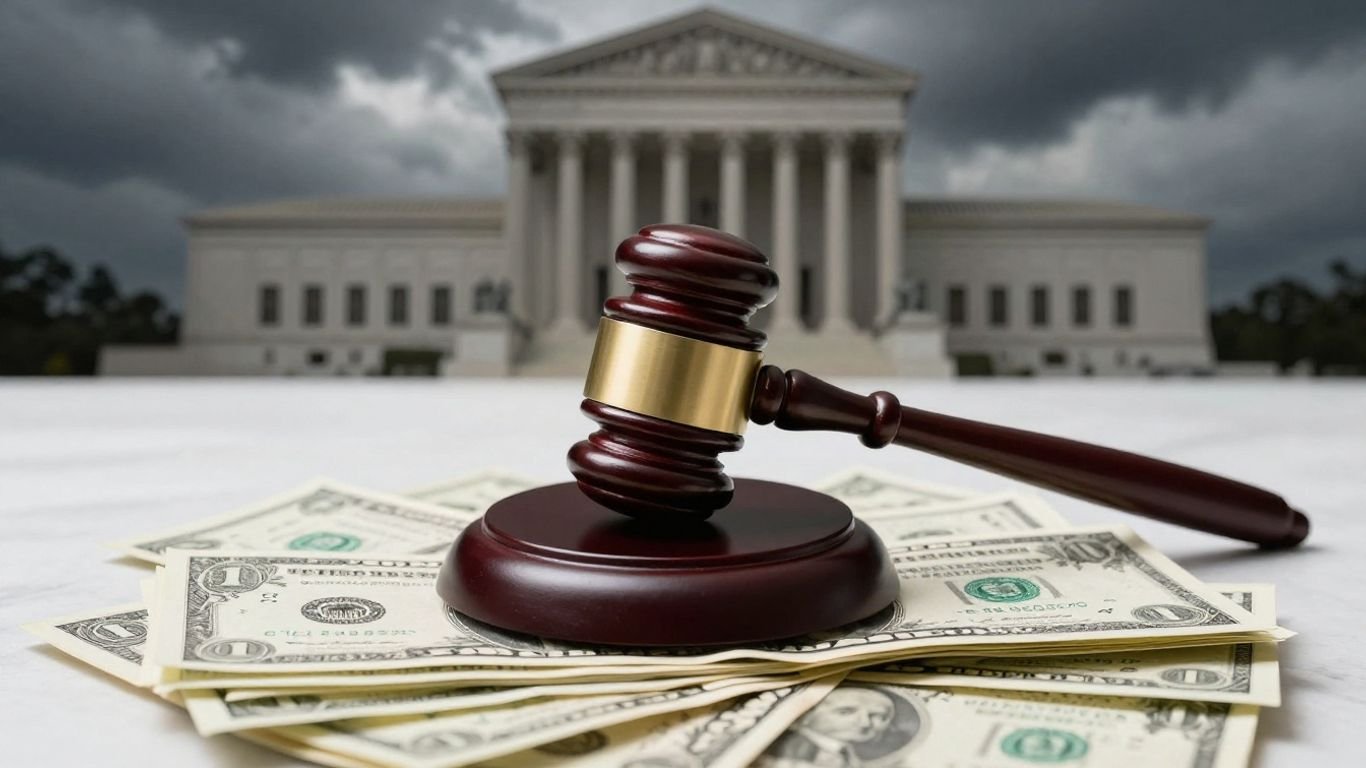
The Supreme Court has delivered a significant blow to former President Donald Trump’s trade policies, rejecting his challenge to tariffs imposed by the Biden administration. The court’s decision upholds the executive branch’s authority to implement such measures, particularly when citing national security concerns. This ruling could have far-reaching implications for future trade disputes and presidential powers.
Key Takeaways
- The Supreme Court denied Trump’s appeal regarding tariffs.
- The ruling affirms the executive branch’s authority on national security tariffs.
- This decision may impact future trade policy and presidential powers.
The Legal Battle Over Tariffs
The case centered on tariffs that the Biden administration continued to enforce, which were initially put in place under the Trump administration. Trump had argued that these tariffs were unlawful and sought to have them overturned. However, the Supreme Court’s decision effectively sides with the current administration’s stance, emphasizing the deference given to executive actions concerning national security.
Implications for Future Trade Policy
This ruling is likely to embolden future administrations to utilize tariffs as a tool in trade negotiations and foreign policy, especially when framed within the context of national security. Critics of the decision express concerns that this broad interpretation of executive power could lead to protectionist trade practices and potentially escalate international trade tensions. The decision underscores the complex interplay between economic policy, national security, and the judiciary’s role in arbitrating such disputes.
Trump’s Reaction
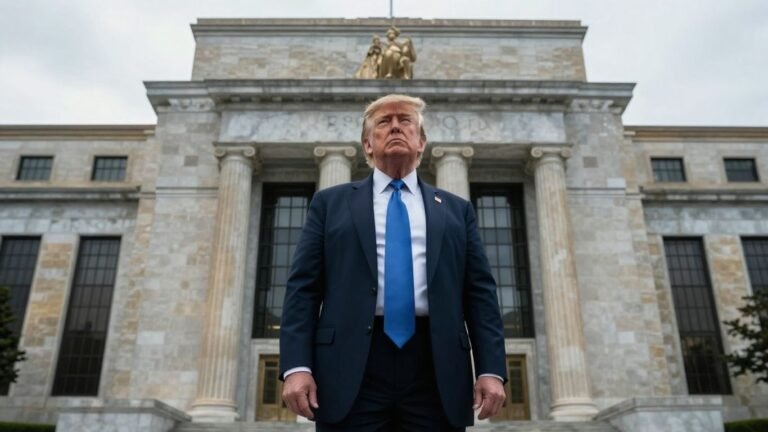
Former President Trump has publicly expressed his disappointment with the Supreme Court’s decision, calling it "deeply disappointing." He has maintained that the tariffs were necessary to protect American industries and workers. The rejection of his challenge represents a setback for his broader economic agenda and his efforts to influence current trade policies.

![[Donald Trump] looks disappointed with election results.](https://countrybrief.com/wp-content/uploads/2025/11/thumbnail-49-768x432.jpeg)
![[Donald Trump] sues [Hillary Clinton] over Russiagate lawsuit.](https://countrybrief.com/wp-content/uploads/2025/11/thumbnail-132-768x432.jpeg)