
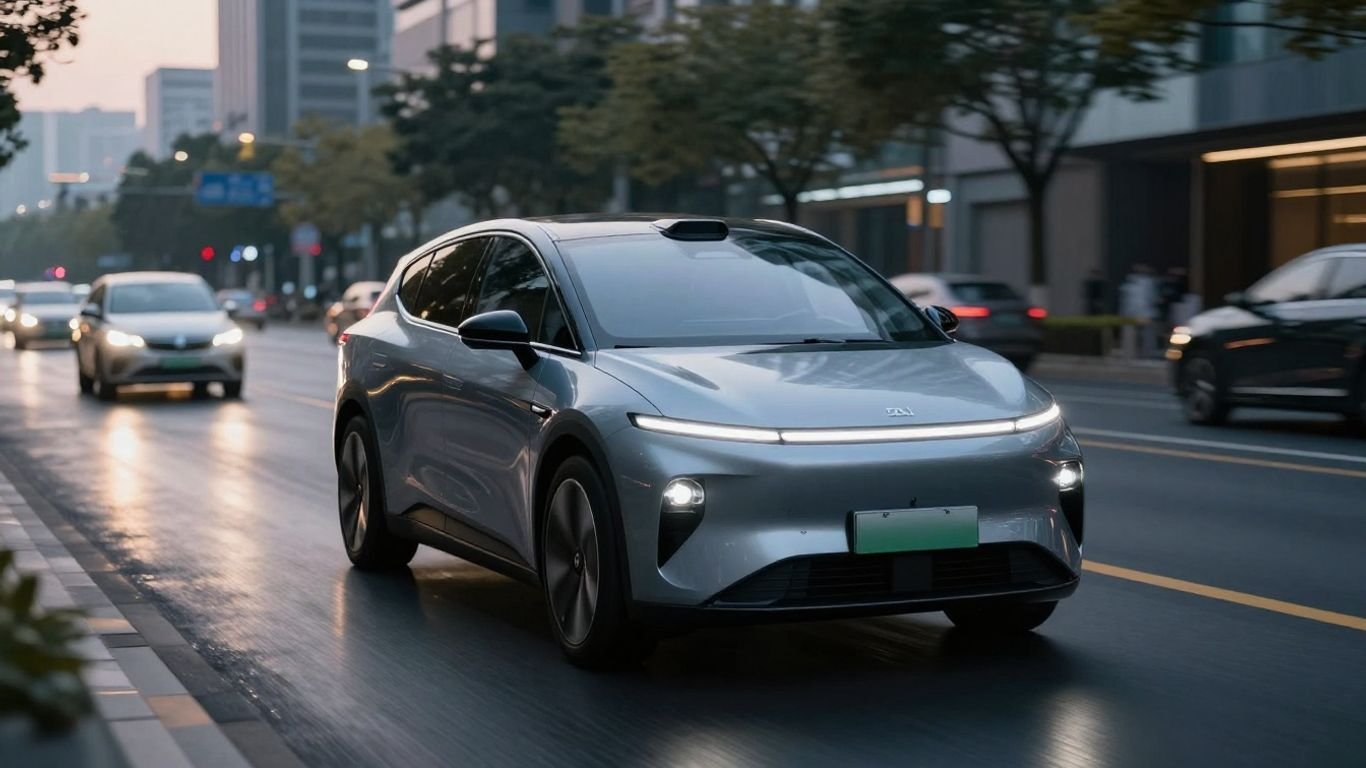
The Future is Now: Understanding Autonomous Vehicles and Their Impact
It feels like just yesterday that self-driving cars were only in movies, but now, autonomous vehicles are actually hitting the roads in some cities. The technology has come a long way, and it’s not just about the cars themselves—there’s a whole world of changes happening around them. From the way we get around town to how much cars cost, there’s a lot to think about. Some people are excited, others are nervous, and most of us are just trying to keep up as things change fast. So, let’s take a look at what’s really going on with autonomous vehicles and what it might mean for all of us.
Key Takeaways
- Autonomous vehicles are starting to show up in real life, not just in test labs or TV shows.
- Most self-driving cars today still need a person to pay attention and take over if needed, but fully driverless cars are coming soon.
- The first people to own private autonomous vehicles will probably pay a lot for the luxury, while most folks will see these cars as taxis in cities.
- Big tech companies and car makers are racing to make self-driving cars affordable, but it’s still pretty expensive right now.
- Regulations, public trust, and safety are going to decide how quickly autonomous vehicles become a normal part of everyday life.
The Dawn Of Autonomous Vehicles
It feels like just yesterday we were talking about self-driving cars as some far-off science fiction concept. Now, they’re practically knocking on our door. The progress we’ve seen in just the last few years is pretty wild, honestly. We’re not talking about cars that just stay in their lane anymore; we’re seeing systems that can handle complex city driving, though maybe not perfectly yet. It’s a big leap from what we had even a decade ago.
Advancements Paving The Way
So, what’s actually making this happen? A lot of it comes down to smarter computers and better sensors. Think about it: these cars have to see everything, all at once, and react faster than any human possibly could. We’re talking about cameras, radar, lidar – all working together to build a 3D picture of the world around them. Plus, the software is getting seriously advanced. Artificial intelligence is learning and improving all the time, making these vehicles more capable of handling unexpected situations. It’s not just about following rules; it’s about making smart decisions on the fly. This tech is rapidly improving, and it’s exciting to see how it’s changing things.
The Road To Level Four Autonomy
Right now, most of the advanced systems you see are what they call Level 2 or Level 3. That means the car can do some driving for you, but you still need to keep your hands on the wheel and be ready to jump in. Level 4 is the next big step. This is where the car can handle pretty much everything on its own, but only in specific areas or conditions, like on highways or in certain weather. It’s the point where you can genuinely take your eyes off the road for extended periods. Getting there involves a lot of testing and refinement. Companies are working hard to make sure these systems are reliable enough for us to trust them, especially when things don’t go according to plan. It’s a tough challenge, but one that’s necessary for true autonomy.
Private Ownership: A Luxury For The Few
Let’s be real, this cutting-edge tech isn’t going to be cheap anytime soon. When these Level 4 cars start showing up for regular folks, they’ll likely be in the high-end market. Imagine paying a premium for a car that can drive you to work while you catch up on emails or even take a nap. It sounds pretty good, right? But for the average family, that’s probably not going to be in the cards for a while. We’re looking at a future where maybe only the well-off will be able to afford their own self-driving car. It might be a while before this technology trickles down to the rest of us. For now, it looks like private ownership will be a luxury item for a select group.
Economic Realities Of Self-Driving Cars
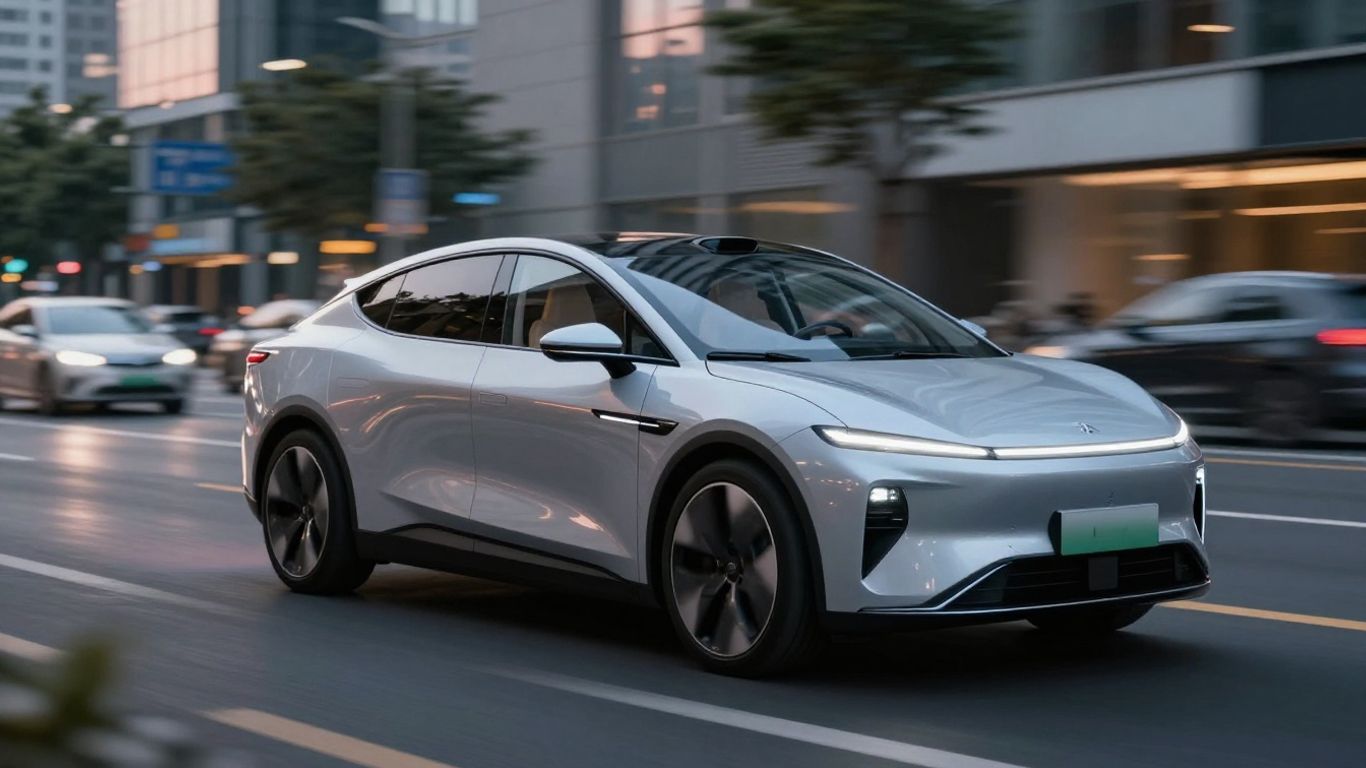
Let’s be honest, the idea of a car driving itself sounds like something out of a science fiction flick, right? But the reality is, these machines are getting closer to our driveways, and they come with a hefty price tag. The cost of this cutting-edge technology is currently a major roadblock for widespread adoption. We’re talking about systems that can cost tens of thousands of dollars just for the autonomous driving hardware. It’s a lot of money, and most folks aren’t going to be lining up to buy a car that costs more than their house, especially when you consider the current state of the economy. It makes you wonder who can actually afford these things.
The High Cost Of Cutting-Edge Technology
Right now, the fancy autonomous driving kits are costing upwards of $70,000. That’s a serious chunk of change. While some companies are pushing for full self-driving, many are focusing on advanced driver assistance systems, like what you see in a Tesla. These systems offer real value and can actually be profitable. It’s a smart move, shifting focus from the impossible to the profitable. We’re seeing a resurgence of interest, but it’s in slightly different ways than we might have imagined a few years ago. The tech is getting better thanks to new AI techniques, making things more reliable.
Robo-Taxis: A Boon For Urban Mobility
But it’s not all about private car ownership. Think about robo-taxis. These could be a game-changer for cities. Imagine fleets of self-driving cars zipping around, taking people where they need to go without a human driver. This could really help with urban mobility, especially in areas with less public transport. Companies are already looking at this, and by 2030, these services could be a profitable way to get around town. It’s a smart way to use the technology to solve real-world problems, like traffic congestion and getting people to places that buses don’t often reach. It’s a practical application that makes sense for city planners and commuters alike.
Profitability In The Autonomous Era
So, how do companies actually make money from all this? Well, the high cost of the tech is a hurdle, but it’s expected to come down. With mass production and standardization, the cost of an autonomous system could drop by over 85% by 2030, maybe even down to around $10,000. That’s a huge difference. Tech firms are already ahead of the curve, offering ride-sharing services. But traditional automakers don’t have to start from scratch. They can team up with tech companies and cities to get access to the latest technology and connect with customers. It’s all about finding smart partnerships and focusing on what makes sense financially. The goal is to make these vehicles affordable and profitable, and that’s a tough balancing act.
The path to widespread adoption of autonomous vehicles is paved with economic challenges. While the technology promises a future of convenience and efficiency, its current high cost makes it a luxury rather than a necessity for the average person. The focus is shifting towards more practical and profitable applications, like robo-taxis, which can offer tangible benefits to urban environments and potentially generate revenue. As the technology matures and costs decrease, we may see a broader market emerge, but for now, the economic realities are shaping the pace of change.
| Cost Reduction Factor | Estimated Impact | Timeline |
|---|---|---|
| Standardization | Significant | Medium |
| Mass Production | High | Medium |
| Simplification | Moderate | Long |
| Technological Maturity | High | Long |
Navigating The Future Of Transportation
Consumer Trust And The Safety Imperative
The average American needs to know they’re safe before they’ll trust a car to drive itself. Everyone’s heard about those self-driving mishaps—nothing gets people talking like a crashed robot car on the news. Building confidence starts with getting the basics right: the cars need to reliably handle real-world chaos, from reckless drivers to stray pets.
- Regular testing in varied conditions is a must
- Companies need open lines of communication on incidents and fixes
- A practical, straightforward path for reporting bugs or risks reassures the public
No matter how smart technology gets, the responsibility will still land on someone’s shoulders when something goes wrong. People want to know who that is.
Overcoming Environmental Challenges
Self-driving cars get plenty of buzz for being electric, but how green are they, really? Sure, they can be more efficient and cut out tailpipe pollution in cities. Still, there are some roadblocks:
- The electricity that powers these vehicles has to be clean; otherwise, emissions just move from city streets to power plants
- Batteries rely on rare earth minerals, so mining and recycling are big question marks
- Building the infrastructure—chargers, smart sensors, repair shops—takes a lot of resources
Here’s a quick view of some environmental pros and cons:
| Factor | Potential Upside | Persistent Issue |
|---|---|---|
| Clean operation | Lower urban emissions | Dependent on power source |
| Efficient routes | Less time idling in traffic | Could worsen congestion |
| Battery recycling | Materials reused | Limited solutions so far |
The Role Of Regulation In Adoption
Laws will decide how much and how fast autonomous vehicles roll out. Right now, it’s kind of a mess. Every state seems to have its own rules, and the federal government has left most of it up in the air. If we want safe and responsible self-driving cars, there are a few things lawmakers must get right:
- Set clear standards for how these vehicles behave in all conditions
- Make sure that if you’re hurt by one, there’s a process for justice and compensation
- Push for consistent rules across state lines, so you don’t cross into Nevada and suddenly need to take the wheel
Without straightforward regulation, innovation can easily get strangled by red tape or, worse, left to trial and error. Real progress means accountability, not just bold promises from Silicon Valley.
Altogether, this isn’t just a question of technology. It’s about keeping an eye on the basics—who’s in charge, what counts as safe, and whether these cars are actually making America better. The answers don’t come from Silicon Valley—they come from regular people and the rules we set as a country.
Automakers’ Strategic Imperatives
Defining Value In The New Mobility Landscape
Look, the car business is changing, and automakers need to get smart, fast. It’s not just about building cars anymore. They’ve got to figure out where they actually make money in this whole new world of self-driving and electric rides. Some might focus on making the fancy private cars for folks who can afford them, others might jump into running robo-taxi services in cities, and some will just build the tech that makes it all happen. The key is to pick a lane and do it well. You can’t be everywhere, especially when the competition from tech companies is so fierce.
Forging Partnerships For Technological Access
Nobody has all the answers, and frankly, trying to do it all yourself is a recipe for disaster. Automakers need to team up. Think about it: getting your hands on the latest battery tech or the brains behind self-driving systems is expensive and takes time. Partnering up with tech firms or even other car companies can speed things up and cut down on costs. It’s about getting access to the good stuff without breaking the bank. We’re seeing companies like Daimler working with Nvidia and Waymo – that’s smart. They’re not trying to reinvent the wheel; they’re getting what they need to move forward.
Adapting To Shifting Consumer Demands
People are starting to want different things from their cars. It’s not just about horsepower anymore. Some folks might want a car they can subscribe to, kind of like a phone plan, especially with electric vehicles still being a bit pricey. Others might want more flexibility in how they lease or buy. Automakers need to pay attention to this. They can’t just keep churning out the same old models. They need to offer options that fit what people are actually looking for and can afford. It’s about connecting with the customer directly, not just selling them a car off the lot. This means rethinking how cars are sold and what services come with them. It’s a big shift, but ignoring it is a losing game.
The Evolving Landscape Of Autonomous Technology
AI’s Transformative Impact On Autonomy
Artificial intelligence is the engine driving this whole autonomous vehicle thing forward. It’s not just about making cars drive themselves; it’s about teaching them to see, to understand, and to react like a human driver, but faster and without getting distracted. Think about it – AI systems are constantly learning from massive amounts of data, improving their decision-making with every mile driven. This isn’t some far-off science fiction; it’s happening right now, with companies like Mobileye getting permits to test their driverless cars on public roads. It’s a big deal because it shows that the tech is getting good enough for real-world conditions, not just a controlled test track. The progress here is rapid, and it’s changing the game for everyone involved.
Shifting Focus From Full Autonomy To Assistance
While the dream of a car that drives itself everywhere is still out there, the immediate future is looking a bit more practical. We’re seeing a big push towards advanced driver assistance systems (ADAS). These aren’t full self-driving, but they help out a lot. Things like adaptive cruise control that keeps you at a safe distance from the car in front, or lane-keeping assist that gently nudges you back into your lane if you drift. These systems are becoming more common, and they’re a stepping stone. They build consumer confidence and allow automakers to refine the technology before going all-in on full autonomy. It’s a smart way to ease people into the idea of cars doing more of the work.
The Resurgence Of Interest In Self-Driving
It felt like maybe the hype around self-driving cars died down for a bit, but it’s definitely coming back. You see it in the news, you see companies investing more money, and you hear about new tests and pilots happening all over. It’s like everyone realized that this technology is actually going to happen, and sooner than some people thought. The push for electric vehicles has also kind of paved the way, making people more open to new car tech. Plus, the idea of having more time back in your day, whether it’s to work or just relax during your commute, is a pretty attractive prospect. It’s not just about the tech itself, but what it can do for our lives. This renewed interest means more development, more competition, and ultimately, better products for us down the line. We’re seeing companies like Waymo already completing thousands of miles without human intervention, which is pretty impressive when you think about it. Autonomous vehicle companies are really stepping up their game.
The Cost Factor In Autonomous Vehicle Adoption
Reducing The Price Tag Through Scale
Look, nobody’s denying that self-driving cars are expensive right now. We’re talking about cutting-edge tech, and that always comes with a hefty price tag. The advanced driving kits alone can run you over $70,000. That’s a lot of dough for most folks. But here’s the thing: costs come down when you make a lot of them. Think about how TVs or computers used to cost a fortune, and now they’re practically everywhere. The same principle applies here. As these autonomous systems get standardized, simplified, and produced in massive quantities, the price is expected to drop significantly. We’re talking a potential drop of over 85%, bringing the cost of the autonomous system down to around $10,000 by 2030. That’s a game-changer.
The Potential For Significant Cost Reduction
This isn’t just wishful thinking. The path to cheaper autonomous vehicles is pretty clear. It involves a few key things. First, mass production. The more units you churn out, the lower the per-unit cost. Second, standardization. When everyone uses similar components and designs, it streamlines manufacturing and reduces complexity. Third, simplification. As the technology matures, engineers find ways to make it more efficient and less complicated, which also cuts down on expenses. It’s a natural progression for any new technology. We’re already seeing hints of this with electric vehicles, where battery costs are falling due to advancements and scale. The same forces will be at play for autonomous tech. This reduction in cost is what will eventually make these vehicles accessible to more than just the super-rich.
Tech Firms Leading The Charge
It’s no surprise that the big tech companies are the ones pushing this forward. Companies like Waymo are already operating ride-sharing services, and giants like Uber and Lyft have tons of consumer data and brand recognition. They’re in a prime position to dominate this space. But it’s not just about them. Traditional car manufacturers can’t just sit back and watch. They need to get involved, either by developing their own tech or, more likely, by partnering up. Forming alliances with tech firms and even cities is a smart move. It gives them access to the latest technology and helps them build relationships with the people who will actually use these cars. It’s a complex dance, but the potential rewards are huge. Insurance costs for these vehicles are even projected to decrease by 40% by 2030, which is a good sign for future adoption.
- Mass production will drive down costs.
- Standardization of parts and systems.
- Technological simplification over time.
- Partnerships between tech and auto industries.
The economic realities are shifting. While the initial investment is high, the long-term outlook suggests a significant decrease in the cost of autonomous technology. This will be driven by economies of scale, technological maturation, and strategic collaborations within the industry. The goal is to make these advanced vehicles a practical option for a wider range of consumers, not just a luxury for a select few.
Conclusion
So, here we are. Autonomous vehicles aren’t just some wild idea from a sci-fi movie anymore—they’re actually rolling out, bit by bit. Sure, there’s a lot of talk about safety, cost, and whether folks will trust a car to drive itself. But the technology keeps moving forward, and companies are pouring money into making it work. We’re seeing robo-taxis in a few cities, and big car makers are hustling to get their own self-driving features on the road. It’s not perfect yet, and it’s going to take some time before you see these cars everywhere, but it’s coming. The free market is pushing this along, not government handouts. People want more time, less hassle, and maybe even a little fun on their commute. As long as the tech keeps improving and prices drop, I think we’ll see more Americans giving these cars a shot. The future’s not waiting around—it’s already pulling into the driveway.
Frequently Asked Questions
What are autonomous vehicles?
Autonomous vehicles, or self-driving cars, are vehicles that can drive themselves without a human needing to take control. They use sensors, cameras, and smart computer systems, often powered by artificial intelligence (AI), to understand their surroundings and navigate roads safely.
How advanced are self-driving cars right now?
Current self-driving cars are getting really good, but they aren’t perfect yet. Some cars can handle many driving tasks on highways, but a person still needs to be ready to take over. True self-driving, where the car handles everything in certain situations without a driver, is called Level 4 autonomy and is still being developed by many companies.
Will I be able to buy a self-driving car soon?
It’s likely that the first self-driving cars available for people to buy will be quite expensive, like a luxury item. Many experts think that by 2030, only a small percentage of new cars sold will have this advanced self-driving ability, mostly for highway driving assistance.
Are self-driving cars safe?
Safety is a huge focus. While companies are working hard to make these cars safe, people are still a bit unsure about trusting them completely, especially in bad weather or tricky situations. It will take time and more people experiencing them for trust to grow. The goal is for them to be safer than human drivers.
What about self-driving taxis?
Yes, self-driving taxis, often called ‘robo-taxis,’ are already starting to appear in some cities. These could be a great way to get around cities, helping with public transport, reducing traffic, and making it easier to travel without owning a car. They could become profitable for companies by 2030.
Why are self-driving cars so expensive?
The technology inside self-driving cars, like advanced sensors and powerful computers, is very costly right now. However, as more of these cars are made and the technology gets simpler and more common, the price is expected to drop significantly, maybe by over 85% in the coming years.