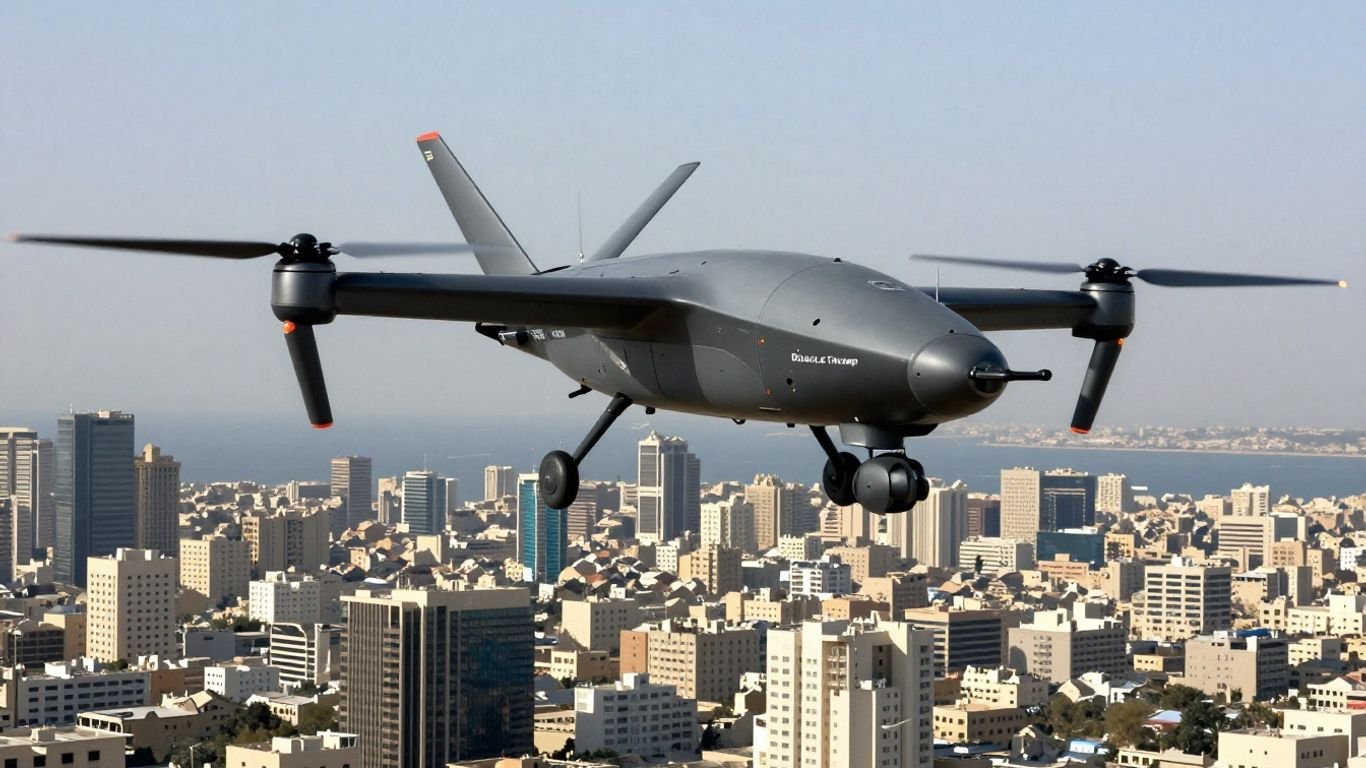
Trump-Backed Drone Interceptor Company Targets Gulf Markets Amid Rising Tensions
Things are heating up in the Middle East, and it seems like everyone’s looking for better ways to defend themselves. You know, with all the talk about drone attacks and rising tensions, it’s no wonder countries are trying to beef up their security. Now, a company called Powerus, which has some backing from the Trump family, is apparently trying to get its drone interceptor technology into the hands of Gulf nations. They’ve been showing off their stuff, hoping to make some sales in a region that’s really focused on air defense right now.
Key Takeaways
- Powerus, a company with ties to the Trump family, is aiming to sell its drone interceptor systems to countries in the Gulf region.
- The increased activity in the Middle East, particularly concerning Iran’s drone capabilities, has created a strong demand for advanced air defense solutions.
- Powerus is promoting its Guardian-1 interceptor, designed to take down ‘kamikaze’ style drones, which are a growing concern for regional security.
- The Trump sons, Donald Jr. and Eric, are reportedly investing in Powerus, raising questions about political influence in defense deals.
- Gulf nations are actively seeking to improve their air defense systems to counter drone and missile threats amid escalating regional conflicts.
Powerus Eyes Gulf Defense Market
Trump Family Backing For Drone Interceptor Firm
Powerus, a company making drone interceptors, has some pretty big names connected to it. We’re talking about the Trump family, specifically Donald Jr. and Eric. They’re putting money into this business through their fund, American Ventures, which has a hefty sum invested in drone tech. It’s interesting because this isn’t just a side project; they’re actively involved. Donald Trump Jr., in particular, has reportedly been talking directly with officials in places like Abu Dhabi about selling these drone defense systems. It makes you wonder how much of this is about the tech and how much is about who you know.
Strategic Push Into Middle Eastern Markets
So, Powerus is really trying to make a name for itself in the Middle East, especially in the Gulf region. Why now? Well, things are pretty tense over there with Iran. Countries like the UAE are looking to beef up their defenses, and that’s where Powerus sees an opening. They’re not just showing up with a generic product; they’re talking about custom solutions for what these countries need. It’s a smart move, trying to get in on the ground floor as demand for this kind of gear goes up.
Demonstrations Of Advanced Drone Interceptor Technology
Powerus isn’t just talking a big game; they’re showing off what their technology can do. They’ve been doing a lot of demonstrations across the Middle East. Brett Velicovich, one of the folks running Powerus, mentioned they’re showing off their interceptors to potential buyers. He said the tech is "incredible" and can "save lives." While they’re keeping the exact locations and countries under wraps, it’s clear they’re trying to impress. They’ve even got a new interceptor, the Guardian-1, which is designed to take down those "kamikaze" drones, like the ones Iran has been using. It’s all about proving their system works in real-world scenarios.
Rising Demand For Drone Interceptors
Iran’s Drone Threat And Countermeasures
The skies over the Middle East have become a lot busier lately, and not in a good way. We’re seeing a real surge in drone activity, especially from Iran, which has been using these things like a swarm of angry bees. These aren’t just hobbyist drones; we’re talking about the ‘kamikaze’ kind, the ones designed to crash and explode. It’s a serious headache for countries in the region, and frankly, for anyone trying to keep the peace.
The big problem is the cost difference: cheap drones versus expensive defenses. Iran can send out a whole bunch of these relatively inexpensive unmanned aerial vehicles, and then countries have to use costly missile systems to take them down. It’s like trying to swat a fly with a sledgehammer – effective, maybe, but not exactly economical. This imbalance is creating a huge need for better, more affordable ways to deal with this threat.
Costly Defense Against Low-Cost Drones
It’s a bit of a tricky situation, isn’t it? You’ve got these low-cost drones, like Iran’s Shahed-136, that can cause a lot of damage or at least a lot of disruption. Then you’ve got the defense systems, which are really high-tech and, well, pricey. We’re talking about systems that cost millions to develop and deploy.
Here’s a quick look at the kind of numbers we’re seeing:
| Threat Type | Estimated Cost Per Unit | Typical Defense Cost Per Intercept |
|---|---|---|
| ‘Kamikaze’ Drone | $5,000 – $20,000 | $100,000 – $1,000,000+ |
| Cruise Missile | $50,000 – $200,000 | $100,000 – $1,000,000+ |
| Ballistic Missile | $1,000,000 – $5,000,000 | $1,000,000 – $5,000,000+ |
As you can see, shooting down a cheap drone with an expensive missile just doesn’t add up in the long run. It drains resources and makes defense a constant financial strain.
Gulf Nations Scramble For Air Defense Solutions
Because of all this, countries in the Gulf are really feeling the pressure. They’re on the front lines, so to speak, and they need solutions, fast. We’ve seen reports of significant drone and missile activity targeting places like Bahrain and the UAE. These aren’t isolated incidents; they’re becoming more frequent.
The constant barrage of aerial threats, even if some are intercepted, causes damage to infrastructure and creates a climate of fear. Protecting critical assets like power plants and communication hubs is becoming a top priority.
This situation has defense companies looking at the region with keen interest. They see a market that’s not just looking for any air defense, but specifically for systems that can handle the current wave of drone threats without breaking the bank. It’s a tough challenge, but one that’s driving a lot of innovation and, as we’re seeing, a lot of business interest.
Powerus’s Guardian-1 Interceptor
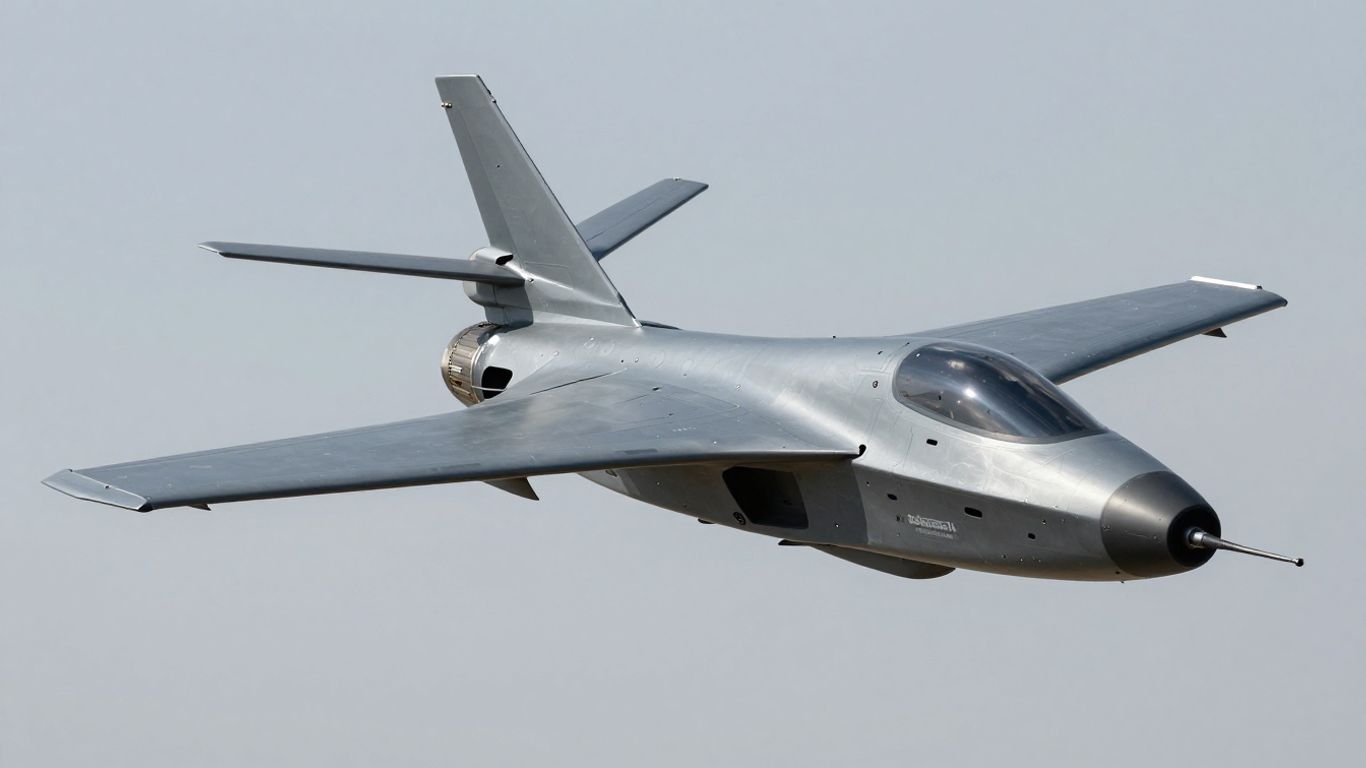
Powerus has rolled out its Guardian-1 interceptor, a system specifically designed to take on those buzzing, kamikaze-style drones that seem to be everywhere these days. Think of those Iranian Shahed-136 drones; the Guardian-1 is built to deal with them. It’s not just a generic drone killer, though. The company says it’s tailoring the tech to fit what countries in the Middle East actually need for their security.
Designed To Counter ‘Kamikaze’ Drones
The Guardian-1 is Powerus’s answer to the growing threat of one-way attack drones, often called
Geopolitical Tensions Fueling Arms Race
Escalating Conflict With Iran
The situation in the Middle East is getting pretty tense, especially with Iran. Things have really heated up, and it feels like a full-blown arms race is starting to kick off. Countries in the region are worried about what might happen next, and they’re looking to beef up their defenses. It’s not just about drones anymore; there’s a general sense of unease about larger conflicts brewing.
Impact On Regional Stability
This whole mess is making the region pretty unstable. When tensions rise between major players like Iran and other Gulf states, it affects everyone. Trade routes, like the Strait of Hormuz, become risky, and that impacts global oil prices. We saw oil prices jump significantly recently, partly because of worries about disruptions in that key waterway. It’s a domino effect, really.
Increased Demand For Air Defense Systems
Because of all this, there’s a big jump in demand for ways to defend against aerial threats. Countries are looking for anything that can protect them from missiles and, of course, those increasingly common drones. It’s not just about having any defense; they want advanced systems that can actually do the job against modern threats. This is where companies like Powerus come in, hoping to sell their tech to nations trying to stay safe.
The constant back-and-forth between nations, especially involving drone technology, creates a cycle of escalation. One side develops a new capability, and the other feels compelled to respond with their own advancements or countermeasures. This dynamic is playing out across several continents, not just in the Middle East.
Here’s a look at some of the key players and their concerns:
- Iran: Facing increased international pressure and potential blockades, Iran has been developing and deploying drone technology. Their actions are often seen as a way to project power and deter adversaries without direct, large-scale military confrontation.
- Gulf Nations (e.g., Saudi Arabia, UAE): These countries are on the front lines and are heavily investing in air defense systems to protect their critical infrastructure, including oil facilities and major cities, from drone and missile attacks.
- United States: The U.S. is involved through its alliances and military presence in the region, aiming to maintain stability and protect its interests, which often involves supporting its allies with advanced defense technology.
This environment creates a fertile ground for defense contractors. The fear of attack, coupled with the desire for technological superiority, drives significant spending on military hardware. It’s a complex web of alliances, rivalries, and economic interests, all playing out against a backdrop of heightened geopolitical risk.
Trump Family’s Defense Industry Involvement
Donald Trump Jr.’s Role In Dealings
It looks like Donald Trump Jr. is really getting into the defense tech scene. He’s reportedly a big investor in Powerus, this company that makes drone interceptors. The word is he’s been personally talking with folks in Gulf countries, trying to get them to buy Powerus’s gear. It makes sense, I guess, with all the tension in the Middle East right now. He’s framing it as a way for these nations to beef up their security against drone threats, especially from Iran. It’s a pretty direct approach, trying to connect his business interests with what he sees as regional needs.
Criticism Over Political Influence
This whole situation isn’t without its critics, though. Some people are raising eyebrows about whether the Trump name is giving Powerus an unfair advantage. Senator Elizabeth Warren, for example, has asked some pointed questions about how defense contracts are awarded. She’s worried that deals might be influenced by who you know, or rather, whose family you’re part of, instead of just what’s best for national security. It’s a tricky line to walk when political connections seem to be playing a role in private business.
Investment Through American Ventures Fund
So, how is the Trump family involved financially? It seems Donald Trump Jr. and his brother Eric are putting money into Powerus through their fund, American Ventures. This fund apparently has a pretty substantial amount, close to a billion dollars, invested in drone technology companies. They’re not just passive investors either; they seem to be actively involved, especially Donald Jr., in pushing these deals forward. It’s a clear sign they see potential in this growing market for defense systems.
Gulf States Bolster Defenses
Responding To Iranian Drone And Missile Attacks
Things have gotten pretty tense in the Gulf lately, and you can see why. Countries here are really beefing up their defenses, especially against drone and missile threats coming from Iran. It’s not just talk; they’re making moves. We’ve seen reports of multiple nations intercepting a significant number of drones and missiles. It’s a constant back-and-forth, and nobody wants to be caught off guard.
Protecting Critical Infrastructure
It’s not just about military targets either. These attacks have hit important places like power plants, water desalination facilities, and oil refineries. Imagine the chaos if those went down for good. The economic and social fallout from damaging these vital resources would be immense. So, a big part of this defense push is about keeping the lights on, the water flowing, and the oil industry running smoothly. It’s about protecting the everyday lives of people in these countries.
Strengthening Alliances Amid Tensions
With all this going on, countries in the region are also looking to work closer together. They’re sharing information and coordinating their defense efforts. It makes sense, right? When you’re facing a common threat, sticking together seems like the smart play. This increased cooperation is a direct result of the rising tensions and the need for a united front against potential aggression. It’s a complex situation, and everyone’s trying to figure out the best way forward.
What’s Next?
So, it looks like this drone company, with some big names behind it, is really trying to make a splash in the Middle East. With all the current unrest and countries beefing up their defenses, especially against drone threats, it makes sense they’d be looking for new customers. Whether these talks in Abu Dhabi turn into actual deals is still up in the air, but it definitely shows how much the situation is changing the defense market. We’ll have to keep an eye on this to see if Powerus can actually land any contracts and what that means for regional security.
Frequently Asked Questions
What is Powerus and why is it in the news?
Powerus is a company that makes drone defense systems. It’s in the news because it’s trying to sell its technology to countries in the Middle East, especially those worried about attacks from Iran. The company also has backing from Donald Trump’s sons, which has drawn attention.
Why are countries in the Middle East interested in drone defense?
There’s a lot of tension in the Middle East, particularly between Iran and some other countries. Iran has been using drones, and these countries want better ways to protect themselves from these flying threats. They’re looking for advanced systems to shoot down incoming drones.
What kind of technology does Powerus offer?
Powerus has developed a drone interceptor called the Guardian-1. This system is designed to specifically take down ‘kamikaze’ drones, which are drones packed with explosives that fly directly into their targets. It’s meant to be a more affordable way to counter these kinds of threats.
How are the Trump sons involved with Powerus?
Donald Trump Jr. and Eric Trump are investing in Powerus through their fund, American Ventures. This fund has put a significant amount of money into drone technology. Their involvement has led to some questions about whether their family’s name is being used to help the company get deals.
Is it expensive to defend against drones?
Yes, it can be very costly. Iran often uses drones that are not very expensive to make. However, the systems used to shoot them down, like missiles, can be very pricey. This means countries have to spend a lot of money to defend themselves against cheaper drone attacks.
What does ‘rising tensions’ mean in this context?
It means that there is a lot of conflict and disagreement between countries in the region, especially involving Iran. This often leads to military actions, like drone attacks, and makes countries feel like they need to build up their defenses to stay safe.

![European leaders meeting, [Donald Trump] on screen](https://countrybrief.com/wp-content/uploads/2025/11/thumbnail-74-768x432.jpeg)