US Base Attacked by Drone: Rising Threats in the Region
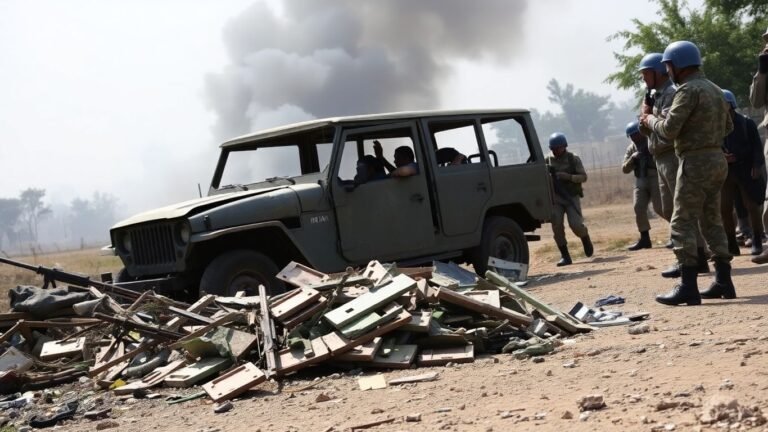
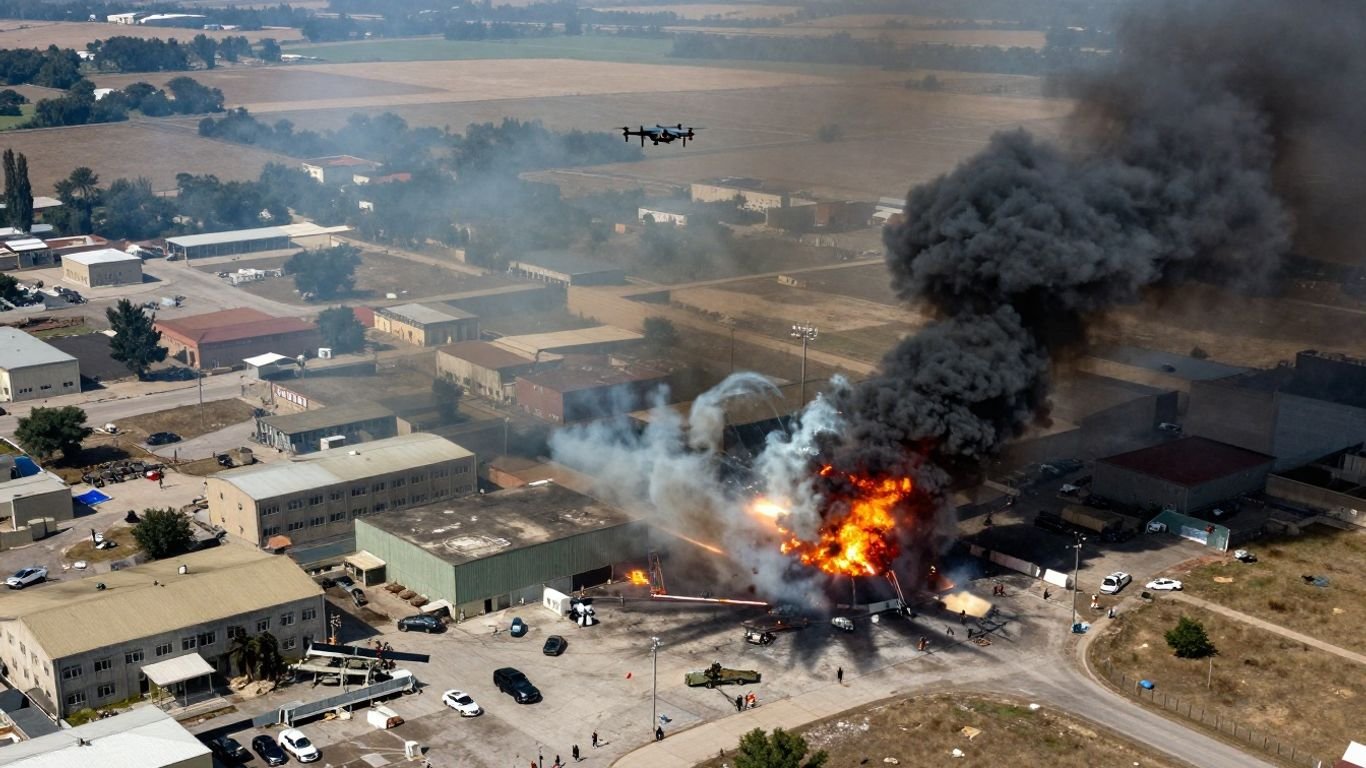
There’s been a lot of talk lately about drones flying around military bases. It’s a bit unnerving, honestly. Just recently, a US base was attacked by a drone, which has everyone on edge. This incident, along with other drone activity near sensitive locations, is making officials rethink security. It seems like these unmanned devices are becoming a bigger problem than we thought, and we need to figure out how to deal with it.
Key Takeaways
- Unidentified drones were spotted flying over Fort McNair in Washington D.C., a base where high-ranking officials live.
- The drone sightings have increased security concerns, especially following recent U.S. and Israeli actions against Iran, raising fears of retaliation.
- Iran is increasingly using drones as a main part of its military strategy, posing a challenge to U.S. air defenses and troops in the Middle East.
- Several U.S. military bases, including Barksdale Air Force Base, have experienced repeated drone activity, leading to higher security measures and temporary lockdowns.
- The U.S. military is reviewing and improving security protocols worldwide, recognizing the need for more focus and resources to counter the growing drone threat.
US Base Attacked By Drone Amidst Escalating Tensions
Unidentified Drones Spotted Over Fort McNair
Things have felt a bit tense lately, and it looks like that tension is starting to show up closer to home. Recently, there were reports of several unidentified drones buzzing around Fort McNair, a military base right here in Washington D.C. This isn’t just some random sighting; it’s happening at a time when security is already a big worry. The base is home to some pretty important people, including Secretary of State Marco Rubio and Secretary of War Pete Hegseth. The military says they’re aware of the sightings and are working with other agencies to figure out what’s going on. They’re saying there’s no immediate threat, but they’re keeping a close eye on things and will adjust security if needed. It’s a bit unsettling, honestly, to think about drones flying over places like this.
Heightened Security Concerns Following Strikes on Iran
It feels like the situation in the Middle East is really heating up, and it’s starting to affect us here. After the U.S. launched strikes against Iran, there’s been a lot more worry about potential retaliation. This has led to some bases increasing their security levels. We’re talking about places like Joint Base McGuire-Dix-Lakehurst in New Jersey and MacDill Air Force Base in Florida, which is a pretty big deal since it’s where U.S. Central Command is located. MacDill has even had a few security incidents that caused temporary lockdowns. Officials are being pretty tight-lipped about the specifics, but they’ve made it clear that the safety of their people and their mission is the top priority. It makes sense; you want to be prepared for anything.
Top Officials’ Residences Under Surveillance
This whole drone situation near Fort McNair is particularly concerning because it’s not just any military base. Reports suggest that some high-ranking government officials, including cabinet members, have been living there. This move itself is unusual and points to how seriously they’re taking the current security climate. The fact that drones were spotted flying over an area where these officials reside definitely raises the stakes. It makes you wonder who was flying them and what their intentions were. The investigation is ongoing, and while they say there’s no direct threat right now, it’s a stark reminder that the world’s troubles can sometimes feel very close.
The recent drone activity over Fort McNair, coupled with increased security measures at other U.S. bases, highlights a growing unease. These incidents are not isolated events but seem to be part of a larger pattern of escalating tensions and potential threats emerging from ongoing geopolitical conflicts.
Iran’s Growing Drone Capabilities Pose Significant Threat
Drones as a Central Component of Iranian Military Strategy
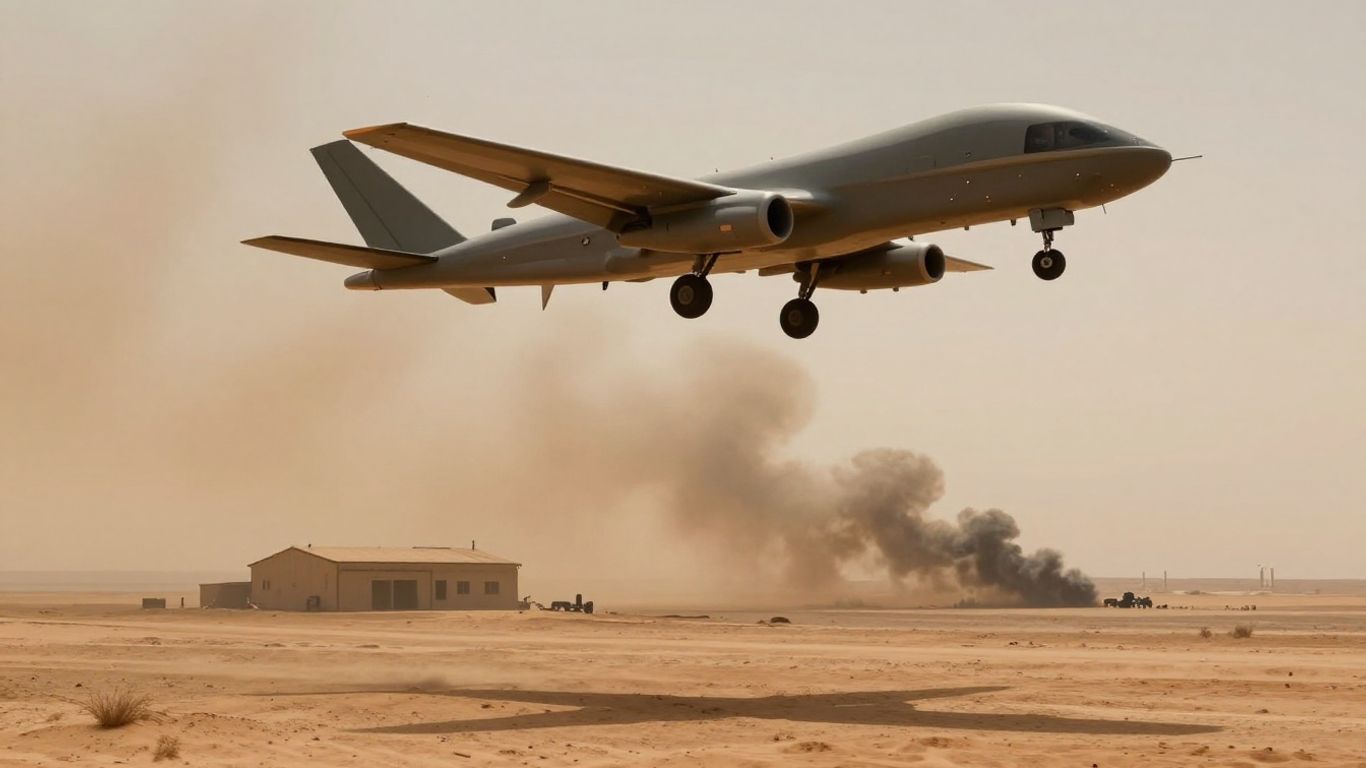
Iran has really leaned into drone technology, making them a big part of how they do military stuff. It’s not just about their own forces, either. They’re also supplying drones and know-how to groups they support all over the Middle East. These unmanned systems are used for all sorts of missions, from surveillance to direct attacks on targets that include U.S. and allied interests. It’s a strategy that’s been developing for a while, and it’s clearly paying off for them in terms of reach and influence.
Iranian Drone Swarms Challenge US Air Defenses
Lately, we’ve seen reports of drone swarms, like the ones that repeatedly showed up around Barksdale Air Force Base. These aren’t just random fly-bys. Some of these drones have been observed maneuvering deliberately over critical military sites for extended periods, sometimes for hours at a time. They’ve even shown signs of being jam-resistant, which makes them harder to deal with. This kind of activity really puts our air defense systems to the test. It’s one thing to spot a drone, but it’s another to effectively counter a coordinated swarm, especially when they’re designed to operate in a contested environment.
Concerns Over Retaliation and Attacks on US Troops
Following recent strikes on Iran, there’s a lot of worry about what kind of response we might see. The increased drone activity, both near U.S. bases and in other regions, is seen by many as a potential precursor to more direct action. Defense officials are particularly concerned about the safety of U.S. troops stationed in the Middle East, as Iran has a history of using its drone capabilities and proxy forces to target American personnel and interests. It’s a situation that demands constant vigilance and a serious look at how we protect our people and installations.
The evolving threat landscape means we can’t afford to be complacent. Adapting to these new challenges requires a proactive approach, focusing on strengthening our defenses and understanding the capabilities of potential adversaries.
Here’s a look at some of the recent incidents and concerns:
- Barksdale Air Force Base: Experienced repeated unauthorized drone activity, prompting investigations.
- Heightened Security: Several U.S. bases have increased their force protection levels.
- Intelligence Warnings: Federal agencies have issued warnings about potential threats, including unverified intelligence on offshore drone launches.
- Global Review: The State Department has directed diplomatic posts worldwide to review and bolster their security measures.
Domestic Military Installations Face Increased Drone Activity
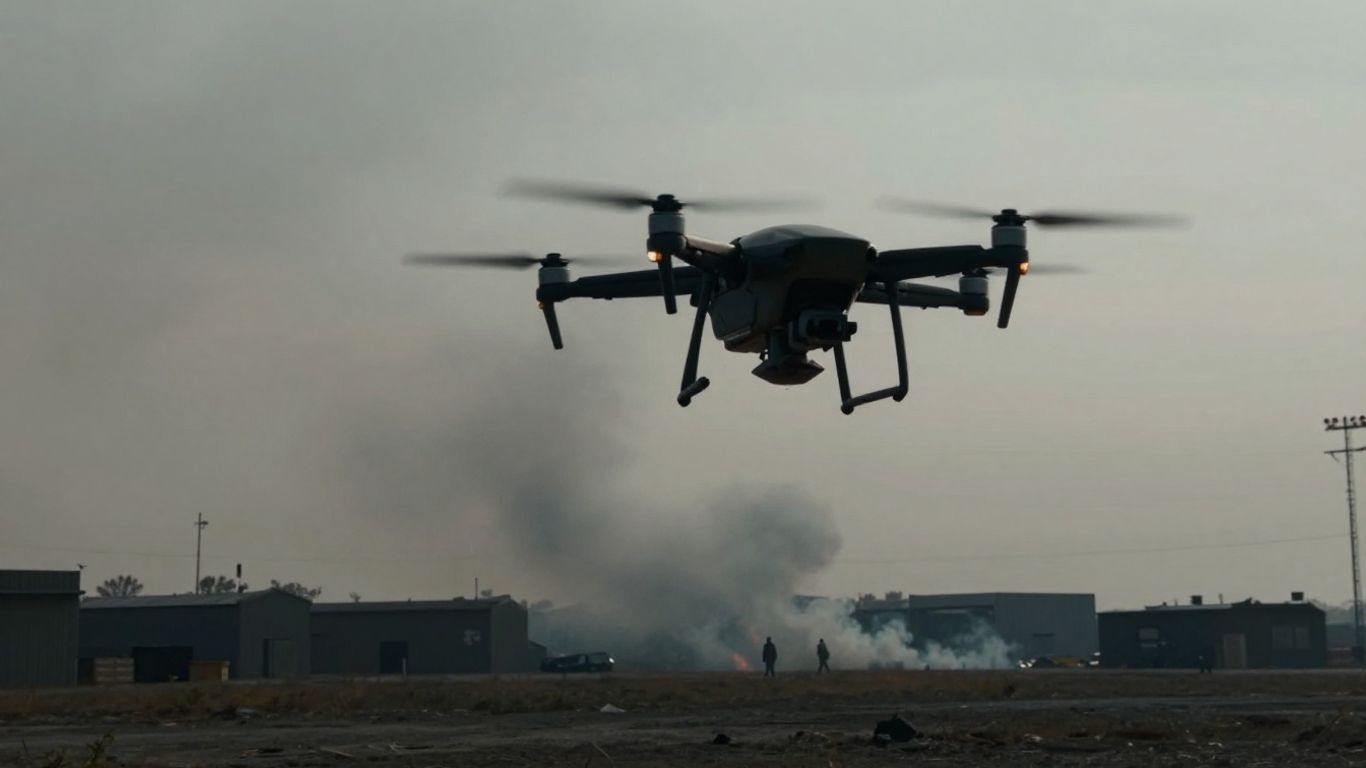
It’s not just overseas bases feeling the heat. Lately, our own military installations here at home have been seeing more and more drone activity, and frankly, it’s got people a little on edge. We’re talking about places like Barksdale Air Force Base in Louisiana, which has had to deal with repeated drone swarms buzzing around. This isn’t just a minor nuisance; it’s a real security headache.
Barksdale Air Force Base Experiences Repeated Drone Swarms
Reports from Barksdale have painted a concerning picture. Multiple instances of unidentified drones flying over the base have been confirmed. While officials are quick to say these incidents haven’t impacted daily operations or caused any mission disruptions, that doesn’t mean they aren’t a serious problem. It’s like having someone constantly peering over your fence – even if they haven’t broken in, it’s unsettling and raises questions about their intentions.
Force Protection Levels Elevated at US Bases
Because of this uptick in drone sightings, many bases have had to bump up their security measures. Think of it as raising the alert status. Places like Joint Base McGuire-Dix-Lakehurst in New Jersey and MacDill Air Force Base in Florida, which is a pretty big deal because it’s home to U.S. Central Command (CENTCOM), have seen their force protection levels go up. MacDill, in particular, has had a few security scares recently that led to temporary shutdowns, just to be safe.
Security Incidents Prompt Temporary Lockdowns
These security incidents, even if they don’t result in direct damage or disruption, are enough to make base commanders take action. When drones are spotted, especially near critical areas or housing for high-ranking officials, bases sometimes have to go into lockdown. This means restricting movement and increasing patrols. It’s a necessary step to ensure the safety of the service members and their families living and working on these installations. The frequency of these events is pushing military leaders to reassess how they handle airspace security on their own turf.
The challenge isn’t just about spotting a drone; it’s about knowing what to do with that information quickly and effectively. The ability of these unmanned systems to loiter for extended periods over sensitive locations means they could be gathering intelligence or preparing for something more.
Here’s a look at some of the key concerns:
- Surveillance Potential: Drones, even small ones, can carry cameras and sensors capable of collecting valuable information about base layouts, security patrols, and personnel movements.
- Escalation Risk: While some incidents might be accidental or from hobbyists, the possibility of coordinated, hostile action cannot be ignored, especially given the current geopolitical climate.
- Resource Strain: Dealing with frequent drone incursions requires dedicated personnel and technology, diverting resources that could be used elsewhere.
- Technological Gap: Keeping up with the rapidly evolving drone technology used by potential adversaries is an ongoing battle for defense forces.
US Military Responds to Evolving Threat Environment
Look, nobody likes dealing with unexpected problems, especially when it involves things flying around where they shouldn’t be. The military’s been taking a hard look at how to handle these drone situations, and it’s not just about Fort McNair or Barksdale. This is a bigger picture thing. They’re reviewing security measures everywhere, trying to make sure bases and personnel are as safe as possible.
Review and Strengthening of Security Measures Worldwide
It’s not just about one base getting buzzed by a drone. The whole system is being looked at. Think of it like this: if one part of your house has a leaky pipe, you don’t just fix that one pipe, right? You check the whole plumbing system. That’s what’s happening now. Security protocols at U.S. installations globally are getting a once-over. This means updating procedures, maybe bringing in new tech, and making sure everyone knows what to do if something pops up.
Prioritizing Safety and Security of Installations
At the end of the day, keeping people and equipment safe is the main goal. When you have these drone incidents, even if they don’t cause immediate damage, they create a distraction and a potential risk. So, the focus is on making sure bases can operate without constant worry. This involves better detection systems and clearer rules of engagement for dealing with unauthorized aerial activity.
Need for Increased Priority and Resources Against Drone Threats
It’s becoming pretty clear that drones, whether they’re hobbyist models or something more serious, are a real thing we need to deal with. The military is saying, "Okay, we need to put more attention and money into this." It’s not just about having the technology, but about making sure the right people are trained and that there’s a real sense of urgency. The military needs to treat drone threats with the same seriousness as other established dangers.
Dealing with these aerial intrusions requires a multi-faceted approach. It’s not just about shooting them down. It’s about detection, identification, and then deciding on the appropriate response, all while minimizing risks to friendly forces and civilians. This is a complex puzzle the military is actively working to solve.
Lessons Learned from Ukraine’s Drone Defense
Ukraine as a Real-Time Testing Ground for Drone Defense
The ongoing conflict in Ukraine has turned into a sort of live-fire exercise for drone defense. It’s not just about watching fancy light shows; it’s about real-world combat where drones are used for attacks, and defenses are tested under serious pressure. For Ukraine, this fight is about survival, which means they’ve had to get incredibly good at countering drones very quickly. They’re facing an existential threat, and that kind of pressure forces rapid adaptation and a no-nonsense approach to defense.
Adapting to Existential Threats with Speed and Seriousness
When a country is fighting for its very existence, like Ukraine is, the pace of innovation and adaptation in defense is astounding. They’re not just dealing with occasional drone sightings; they’re facing constant assaults. This daily reality means they’ve developed and deployed countermeasures with a speed and seriousness that’s hard to match in less dire circumstances. It’s a harsh lesson, but one that the rest of the world, especially military powers, should be paying close attention to.
Partnering with Ukraine to Learn from Drone Defense Experience
Given how much Ukraine has been on the front lines of this drone warfare, it just makes sense for other nations to work with them. They’ve got the practical, hard-won experience that you can’t get from simulations or training exercises alone. Sharing knowledge and technology with Ukraine could significantly speed up our own defense capabilities against these evolving threats. It’s about learning from those who are actively in the fight and have the most at stake.
The intensity of the conflict in Ukraine has created a unique environment for developing and testing drone defense strategies. Nations facing such immediate and severe threats are compelled to innovate at an accelerated rate, making their experiences particularly instructive for others.
Here’s a look at some key aspects of Ukraine’s drone defense efforts:
- Rapid Deployment of Countermeasures: Ukraine has shown an ability to quickly integrate and deploy various anti-drone systems, from electronic warfare to kinetic solutions.
- Adaptability of Tactics: Their forces have continuously refined tactics to counter different types of drone threats, including swarms and reconnaissance drones.
- Integration of Commercial Technology: There’s been a notable use of commercially available technology, adapted for military purposes, highlighting flexibility and resourcefulness.
- Intelligence Sharing: Effective defense relies heavily on timely intelligence about incoming drone threats, which Ukraine has worked to improve.
Intelligence and Investigations into Drone Incidents
So, what’s really going on with all these drones popping up near sensitive spots? It’s a question a lot of people are asking, and honestly, the answers aren’t always clear-cut. Federal agencies have put out warnings, mentioning intercepted communications that hint at something more organized than just hobbyists flying their gear.
Federal Warning About Intercepted Communications
There’s been chatter about intercepted communications that suggest these drone flights might not be random. It’s like finding pieces of a puzzle, and investigators are trying to put them together. The worry is that these aren’t just isolated incidents but part of a larger pattern. Officials are looking into who might be behind it, whether it’s a foreign actor, a domestic group, or even just some really organized criminals.
Unverified Intelligence on Offshore Drone Launches
Adding another layer to the mystery, there’s some intelligence, though not fully confirmed yet, about drones being launched from offshore locations. This makes tracking the source even tougher. Imagine trying to figure out where a message came from when it’s sent from a boat in the middle of the ocean – it’s complicated.
Collaboration Between Law Enforcement and Aviation Authorities
Because this involves both security and airspace, you’ve got different groups working together. Local police, federal agents, and aviation folks are all on the same page, sharing information and trying to get a handle on the situation. It’s a big team effort to figure out the who, what, and why behind these drone activities.
Here’s a look at some of the key agencies involved:
- Federal Bureau of Investigation (FBI)
- Department of Homeland Security (DHS)
- Federal Aviation Administration (FAA)
- Local Law Enforcement Agencies
The complexity of these incidents means that a coordinated response is absolutely necessary. Simply looking at one piece of the puzzle won’t give us the full picture. We need all hands on deck, sharing what they know, to make sense of it all and keep our bases and communities safe.
What’s Next?
So, we’ve seen drones popping up near military bases, even right here at home. It’s definitely got people talking and security teams working overtime. While officials say there’s no immediate danger, these incidents show that the threat from drones is real and growing. It’s not just happening overseas anymore; it’s closer than we think. We’ll have to keep an eye on how things develop and what steps are taken to keep our bases and personnel safe from these new kinds of challenges.
Frequently Asked Questions
What happened at the US base?
Recently, drones were seen flying over a US military base called Fort McNair in Washington, D.C. This happened at a time when tensions are high in the Middle East, especially with Iran. Officials are looking into who sent the drones and why.
Why are drones a big deal now?
Drones are becoming a bigger problem because countries like Iran are using them more in their military plans. They can be used to attack targets, and they can be hard for our defenses to stop. This makes US troops and bases in the region feel less safe.
Have other US bases seen drones?
Yes, other bases have had drone activity too. For example, Barksdale Air Force Base in Louisiana had drone swarms flying around it multiple times. Because of these events, security has been increased at many US military locations.
How is the US military dealing with drone threats?
The US military is taking these threats seriously. They are reviewing and improving security measures at bases all over the world. The goal is to make sure bases and the people who work there are safe from these new kinds of attacks.
What can we learn from the war in Ukraine about drones?
The fighting in Ukraine has shown how important it is to defend against drones. Ukraine has had to quickly learn and adapt to drone attacks. The US is working with Ukraine to understand their experiences and improve its own drone defense.
Is there any proof Iran is behind these drone sightings?
Officials haven’t officially said who is behind the drone sightings in the US. There have been warnings about intercepted messages that might be from Iran, and some unconfirmed reports about Iran looking into drone launches from offshore. However, there’s no clear proof yet connecting Iran directly to these specific incidents in the US.