Ecuador’s Prison Crisis Persists: Violence Flares Despite President Noboa’s Security Push
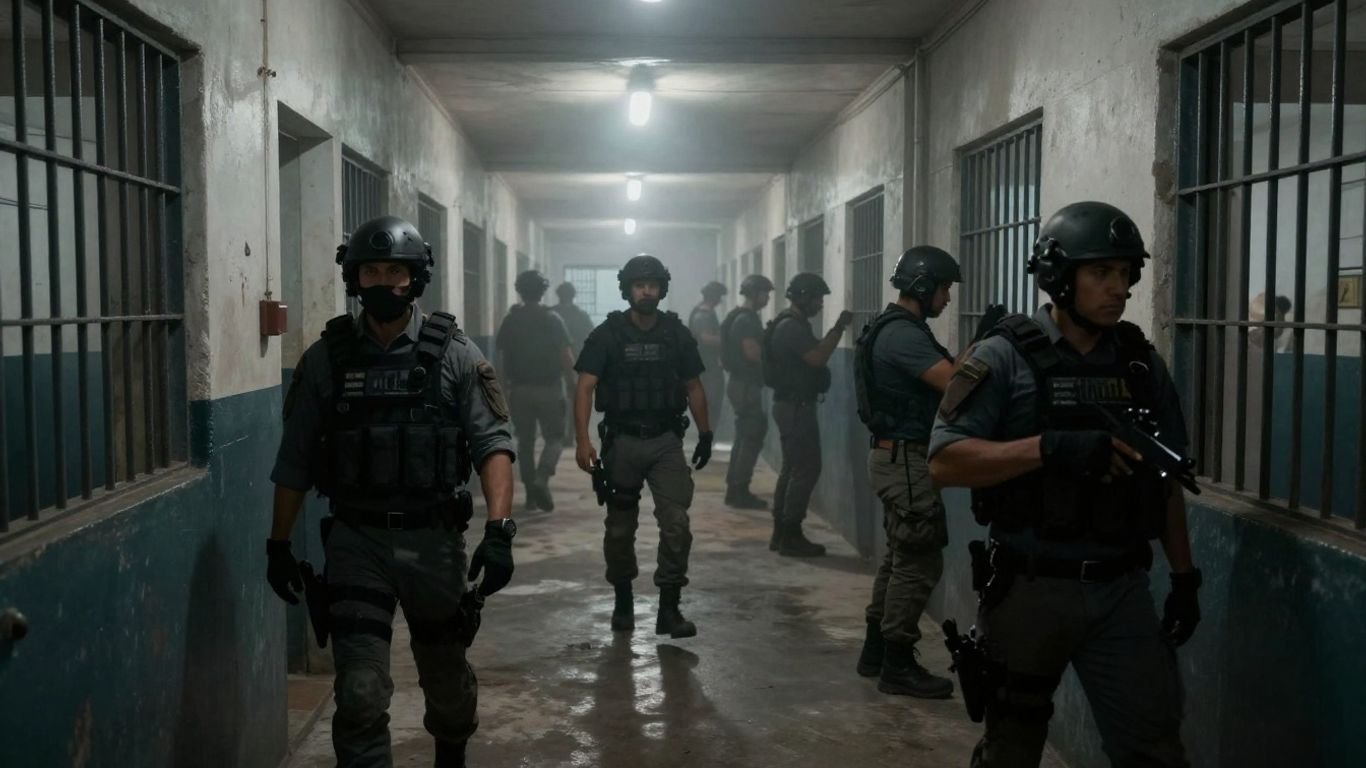
Despite President Daniel Noboa’s commitment to curbing prison violence following deadly riots in 2021 and 2022, new data indicates that bloodshed within Ecuador’s correctional facilities continues to climb. Noboa, who took office in 2023, prioritized restoring order in jails as a cornerstone of his security agenda.
Key Takeaways
- Prison violence in Ecuador remains a significant challenge despite government efforts.
- Data reveals an increase in inmate deaths, contradicting the intended impact of President Noboa’s security strategy.
- The ongoing crisis highlights the deep-rooted issues within the country’s penal system.
Persistent Violence Undermines Security Strategy
President Noboa inherited a dire situation in Ecuador’s prisons, marked by brutal riots that claimed hundreds of lives in 2021 and 2022. His administration launched a comprehensive security strategy aimed at regaining control of the penitentiaries, which have long been dominated by powerful gangs. However, recent figures suggest these measures have not yet achieved their desired effect.
The data indicates a concerning trend of escalating violence, with inmate deaths continuing to rise. This persistent bloodshed raises questions about the effectiveness of the implemented strategies and the deep-seated nature of gang control within the prison system. The government faces the daunting task of dismantling these criminal networks and ensuring the safety of both inmates and staff.
Challenges Ahead
The ongoing violence underscores the complex challenges facing Ecuador’s correctional facilities. Factors such as overcrowding, corruption, and the pervasive influence of organized crime contribute to the volatile environment. Addressing these systemic issues will require sustained effort and a multi-faceted approach beyond immediate security crackdowns.
President Noboa’s administration is under pressure to demonstrate tangible progress in stabilizing the prison system. The continued loss of life not only represents a humanitarian crisis but also poses a significant threat to broader public security in Ecuador. The coming months will be critical in determining whether the government’s security strategy can ultimately prevail against the entrenched forces of violence and criminality within the nation’s jails.
![[Trump] looks thoughtful, reflecting on election night.](https://countrybrief.com/wp-content/uploads/2025/11/thumbnail-50-768x432.jpeg)