Tensions Rise Over Potential Iranian Toll System in Strait of Hormuz: Regional and Global Responses Intensify
Amid rising geopolitical tensions, discussions around Iran’s possible implementation of a toll system for shipping in the vital Strait of Hormuz have triggered significant diplomatic concern. As the world watches closely, Oman, China, and South Korea have started active engagement, while Western diplomats warn of severe consequences for global diplomacy if such measures proceed.
Key Takeaways
- Iran may enact a toll system in the Strait of Hormuz, key for global oil shipping.
- Diplomatic contacts intensify among Oman, China, South Korea, and Western nations.
- U.S. officials warn that implementing the toll could undermine international diplomacy.
Strategic Importance of the Strait of Hormuz
The Strait of Hormuz is often referred to as the world’s most crucial energy chokepoint, with about 20% of global petroleum passing through its narrow waterways. Any disruption or additional cost imposed on maritime traffic could impact energy markets and global trade, raising the stakes for both oil producers and consumers worldwide.
Rising Diplomatic Activity
In response to Iran’s potential toll system, Oman has emerged as a mediator, touting its cooperation with all regional stakeholders. Meanwhile, China and South Korea—major oil importers that rely on safe passage through Hormuz—are reportedly in direct communication with Iranian officials to express their concerns and seek assurances about uninterrupted free transit.
U.S. lawmakers have reacted strongly, highlighting that the proposed toll could make conventional diplomatic negotiations with Iran almost unworkable, potentially escalating already-fraught Middle Eastern relations. This has only accelerated multilateral discussions, with several countries urging restraint and dialogue to prevent any unilateral move that could disrupt international shipping.
Economic and Security Implications
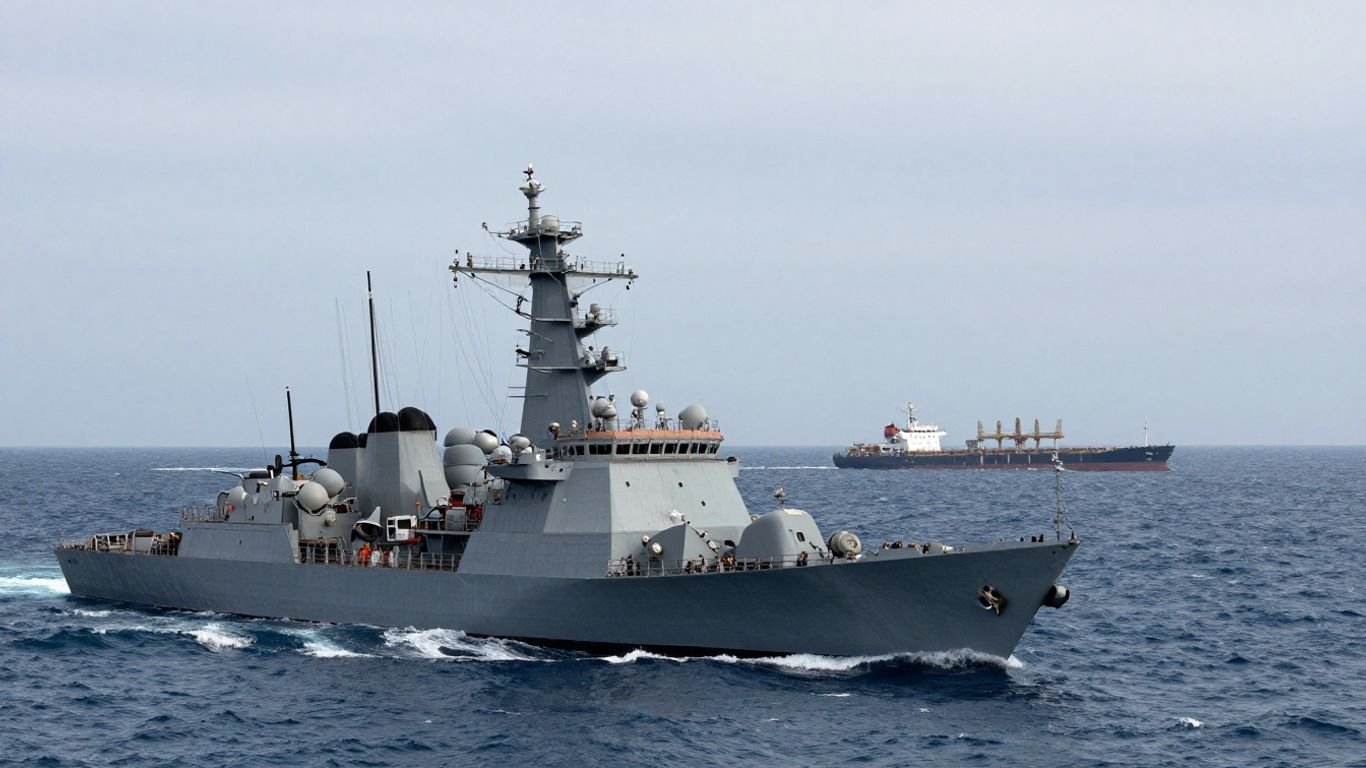
Should Iran move forward with the toll system, shipping companies may face increased operational costs, leading to higher oil prices and insurer premiums. The delicate security environment in the Persian Gulf could become even more volatile, with military patrols and naval exercises on the rise to protect shipping lanes.
| Stakeholder | Key Concerns |
|---|---|
| Iran | Sovereignty, revenue, leverage |
| Oman | Regional stability, mediation |
| China, S. Korea | Energy security, shipping freedom |
| Western Nations | Free navigation, diplomatic stability |
Looking Ahead: Diplomatic Paths and Risks
While no formal decision has been made, diplomatic sources suggest that Oman’s mediation efforts, combined with active Asian engagement, could deter Iran from imposing unilateral restrictions. However, if the situation escalates, it could trigger a new wave of regional insecurity, disrupt oil markets, and further complicate global diplomatic efforts targeting Middle East de-escalation.