Dramatic U.S. and Israeli Strikes Kill Iranian Supreme Leader in Unprecedented Attack
An unprecedented military escalation unfolded as the U.S. military, alongside Israel, launched coordinated strikes on Iranian territory, targeting over a thousand sites and resulting in the reported death of Supreme Leader Ayatollah Ali Khamenei and other top Iranian officials. The bold assault marks a dangerous turn in Middle East geopolitics, sparking immediate global concern.
Key Takeaways
- Over 1,000 targets in Iran struck by U.S. and Israeli forces
- Supreme Leader Ayatollah Ali Khamenei and several top officials reportedly killed
- The attack represents one of the most significant escalations between the U.S.-Israel alliance and Iran
- Global reactions are intensifying as the world watches for Iranian retaliation
Details of the Coordinated Assault
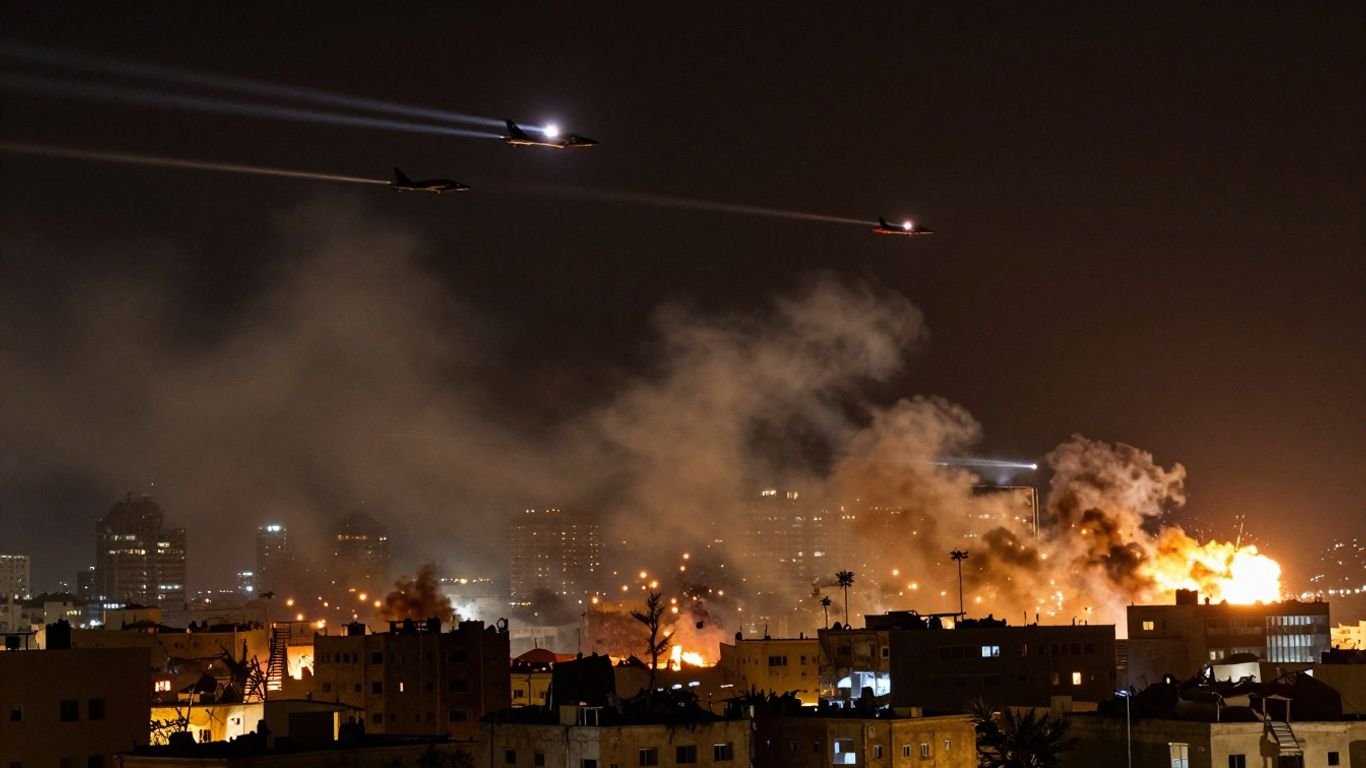
In the early hours, U.S. and Israeli militaries undertook a massive operation against strategic, military, and governmental infrastructure deep within Iran. Using a mix of airstrikes, drone attacks, and advanced ordnance, the operation is described as one of the largest and most sophisticated direct actions against Iran in modern history.
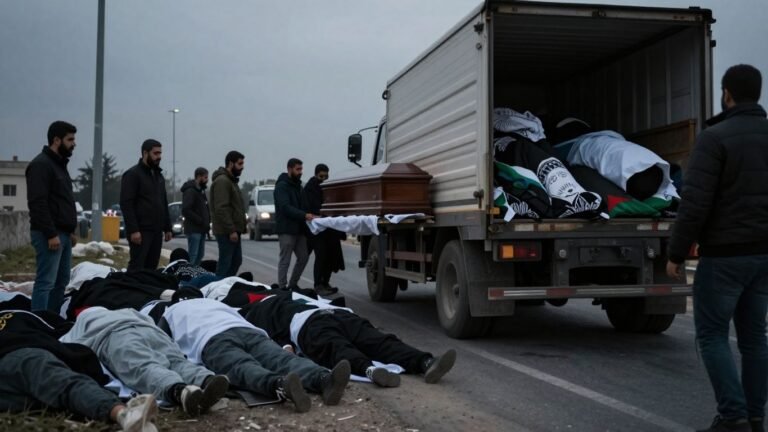
Among those killed was Ayatollah Ali Khamenei, Iran’s highest authority, along with members of his inner circle and several prominent commanders of the Revolutionary Guard. Visual evidence and initial intelligence suggest command and control centers, missile sites, and high-profile government buildings were among the primary targets.
International Response and Possible Consequences
The global community responded with shock and anxiety, recognizing the attack’s potential to spiral into regional or even global conflict. Western allies are urging calm and restraint while preparing for possible retaliatory strikes and cyber operations by Iranian proxies.
| Country | Reaction |
|---|---|
| United Nations | Emergency meeting called; calls for de-escalation |
| European Union | Urges restraint; fears for civilians and regional peace |
| Russia & China | Condemn the strikes; warn against further escalation |
The U.S. justified the attacks as a necessary measure to neutralize imminent threats and halt Iran’s continuing influence operations across the Middle East. However, legal analysts and human rights advocates are raising questions about the attack’s legality under international law.
What Comes Next?
Military experts warn that Iran may retaliate through asymmetric warfare, including potential missile strikes against U.S. and Israeli assets or attacks by allied militant groups in neighboring states. Heightened security alerts have been issued across the region, and oil markets are already reacting with rising prices. Meanwhile, diplomatic channels remain tense but open, as world powers urge all parties to step back from further confrontation.
Analysis: A New Chapter in Middle East Dynamics
This lethal strike has upended assumptions about limits in the long-simmering U.S.-Iran and Israel-Iran rivalries. The removal of Iran’s supreme leader could create instability and uncertainty within Iran and among its allies, potentially altering the region’s balance of power. Observers predict a period of volatility as factions within Iran scramble to respond both domestically and abroad, with global powers watching vigilantly for the next move.