Iran’s Hormuz Strait Leverage: US Intelligence Sees No Imminent Easing of Control
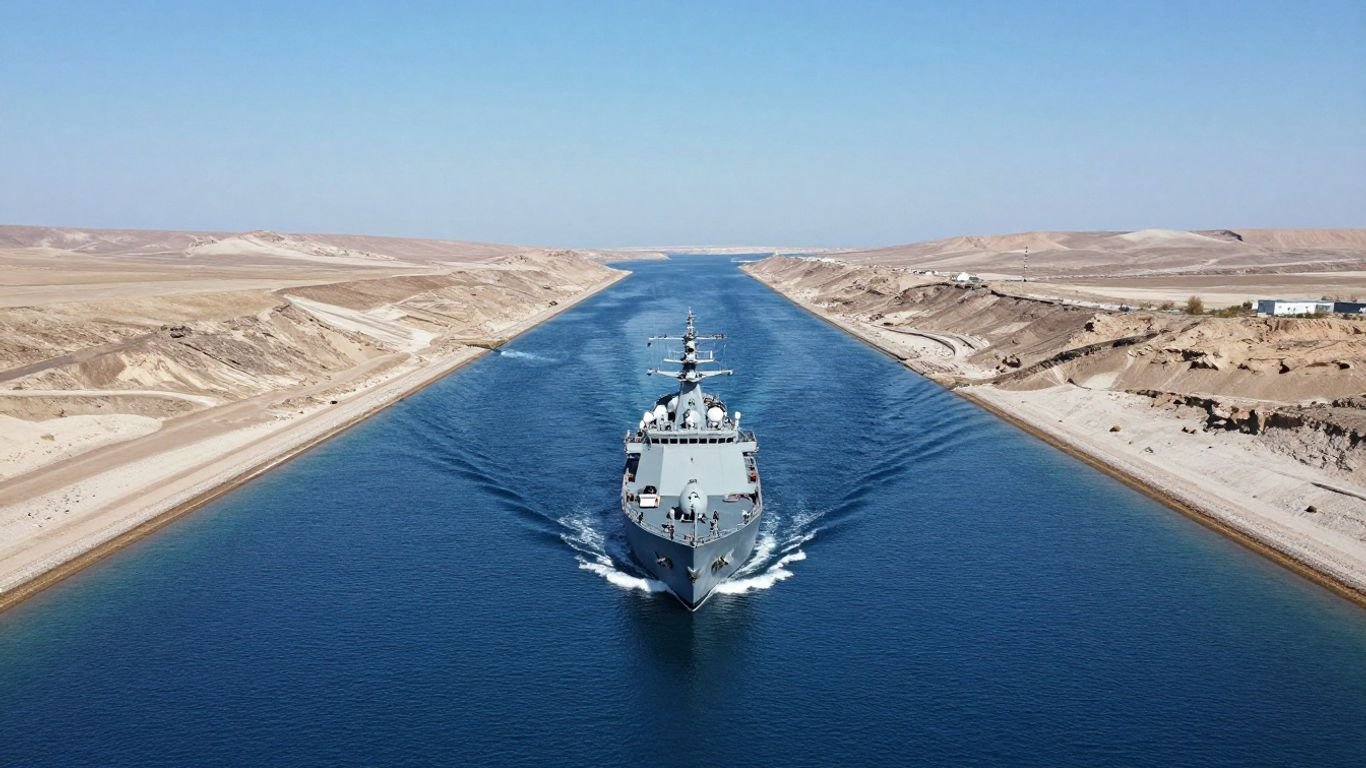
Recent U.S. intelligence assessments indicate that Iran is unlikely to relinquish its strategic control over the Strait of Hormuz in the near future. This vital waterway, through which a significant portion of the world’s oil passes, is seen by Tehran as its primary leverage against the United States.
Key Takeaways
- Iran views its control of the Strait of Hormuz as its most significant bargaining chip against the U.S.
- U.S. intelligence suggests no immediate plans by Iran to ease its grip on the vital oil artery.
- The strategic importance of the Strait makes it a critical point of geopolitical tension.
Strategic Importance of the Strait of Hormuz
The Strait of Hormuz is a narrow waterway connecting the Persian Gulf and the Gulf of Oman. It is one of the world’s most important oil transit points, with approximately 30% of the world’s seaborne oil trade passing through it daily. This makes it a critical chokepoint for global energy security.
Iran’s Leverage and U.S. Intelligence
According to three sources familiar with the matter, U.S. intelligence reports suggest that Iran’s ability to threaten the closure or disruption of the Strait is its most potent tool in its dealings with the United States. This leverage is considered by Tehran to be its only real means of exerting influence and potentially deterring U.S. actions.
The intelligence assessments highlight that Iran is unlikely to open this chokehold soon, as doing so would diminish its strategic advantage. The ongoing geopolitical tensions between Iran and the U.S. underscore the significance of this waterway as a focal point for potential conflict and diplomatic maneuvering.
Geopolitical Implications
The continued strategic importance of the Strait of Hormuz means that any instability in the region could have far-reaching consequences for global oil prices and supply chains. The U.S. intelligence reports serve as a reminder of the delicate balance of power in the Persian Gulf and the critical role Iran plays in regional security dynamics.