European Beverage Giants Urge India to Drop Import Duties Amid Packaging Shortages
A coalition of Europe’s leading alcoholic drink makers has urged the Indian government to provide temporary relief from a 10% import duty on glass bottles and aluminum cans. The appeal comes as manufacturers fear supply chain disruptions and packaging material shortages stemming from geopolitical tensions in the Middle East.
Key Takeaways
- European companies like Pernod Ricard, Anheuser-Busch InBev, Heineken, and Carlsberg face potential packaging shortages in India.
- These firms, through their industry lobby group, have requested an exemption from India’s 10% import duty on glass bottles and aluminum cans.
- The request is driven by concerns over supply chain instability and shortages caused by the ongoing crisis in Iran.
Background and Industry Concerns
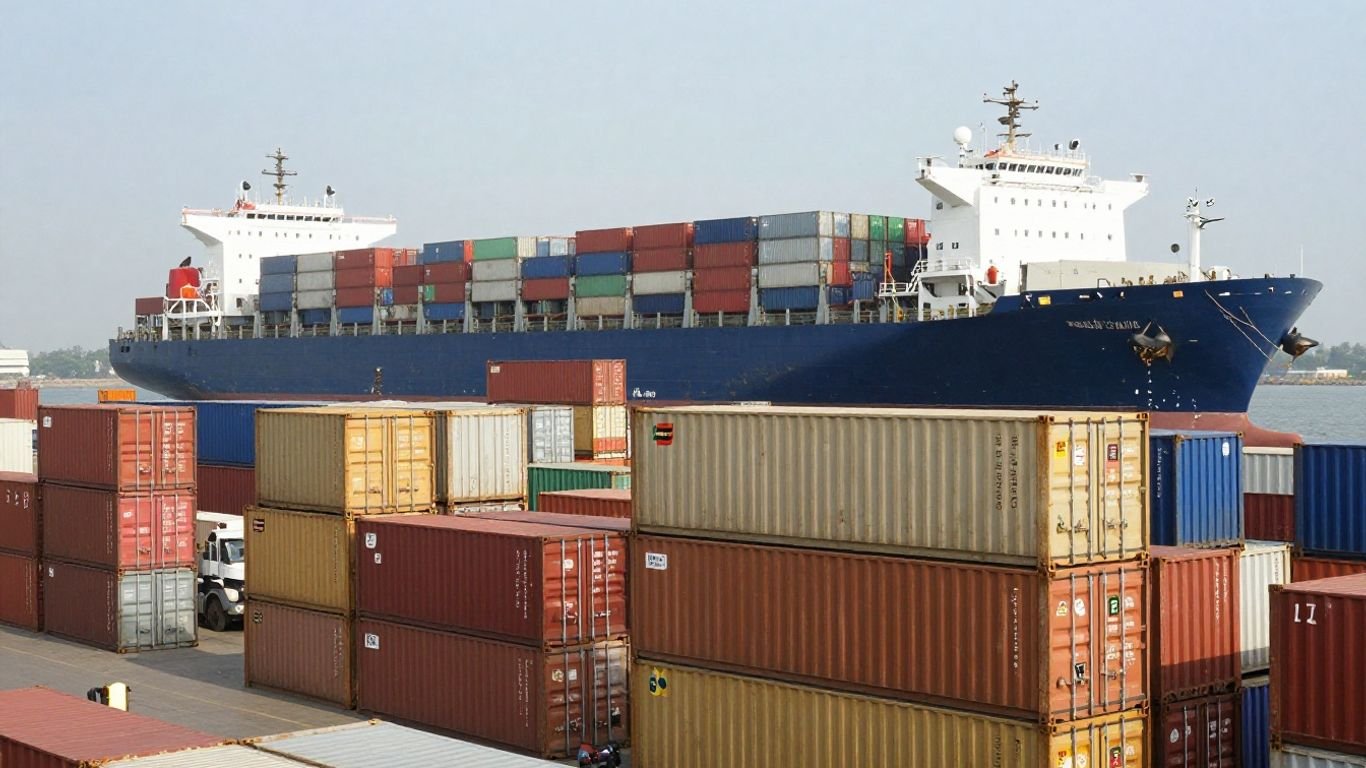
Amid escalating conflict in Iran, global shipping routes and supplies of essential industrial goods have come under severe pressure. Producers of alcoholic beverages, who rely heavily on imported packaging materials, fear disruptions in the supply of glass bottles and aluminum cans to India, a major growth market for them.
The group representing the beverage giants suggested that current global uncertainties threaten the steady flow of packaging materials necessary for meeting Indian market demands. Without prompt intervention, they anticipate severe bottlenecks that could ultimately impact product availability and undermine business operations.
Arguments for Tariff Relief
The European drinks companies have formally approached India’s commerce ministry, emphasizing the short- to medium-term challenges in securing packaging material. The letter expresses worries that maintaining existing import duties could exacerbate shortages, hinder business continuity, and lead to higher costs for both manufacturers and consumers in India.
Lobbyists argue that temporary tariff relief would help European beverage companies manage unforeseen disruptions while maintaining supply chains, investing in Indian production, and serving consumers without interruption.
Possible Economic and Market Impact
India, one of the fastest-growing markets for alcoholic beverages, imports significant volumes of packaging materials. Should supply constraints persist amid the Iran conflict, the ripple effects could include:
- Delayed product launches or production halts.
- Increased costs passed on to consumers.
- Imported alcoholic beverages becoming less competitive compared to local substitutes.
The government is reportedly considering the plea, weighing it against efforts to protect domestic packaging manufacturers and India’s broader trade policy objectives.
| Company Name | Concern | Suggested Action |
|---|---|---|
| Pernod Ricard | Bottle shortage | Remove 10% duty |
| Anheuser-Busch InBev | Can and bottle supply risk | Temporary tariff cut |
| Heineken | Potential supply disruptions | Policy intervention |
| Carlsberg | Rising packaging costs | Duty exemption |
Next Steps and Broader Implications
Industry officials and analysts are keeping a close watch on global developments and India’s response to the exemption request. If granted, the move could set a precedent for other sectors facing similar international supply risks. Meanwhile, the ongoing challenges underscore how interconnected global markets are increasingly vulnerable to geopolitical shocks, with ripple effects reaching even the daily beverage choices of consumers worldwide.