
Countries With the Highest and Lowest Cancer Rates in the World
It’s pretty wild how much cancer rates can change from one country to another. We hear about cancer all the time, but the actual numbers, and where they’re highest and lowest, can be surprising. It’s not just about who’s getting sick, but also about how we’re counting it, and what’s going on in people’s lives that might make a difference. Let’s take a look at the global picture and see what we can learn about countries with the most and least cancer.
Key Takeaways
- Australia, New Zealand, and Ireland currently report some of the highest cancer incidence rates globally, with the United States and several European nations also showing elevated figures.
- Factors like lifestyle choices (diet, smoking, activity levels), environmental exposures, and aging populations are thought to contribute to higher cancer rates in developed nations.
- Many African and Asian countries report lower cancer rates, but this often reflects challenges with data collection, underdiagnosis, and underreporting rather than a true absence of the disease.
- Infectious diseases and genetic predispositions also play a role in cancer variations across different regions of the world.
- As lifestyles change globally, cancer rates are projected to increase, highlighting the need for better data collection and proactive health policies worldwide.
Understanding Cancer Rates: A Global Perspective
The Complexities of Global Cancer Data
Looking at cancer rates around the world can get confusing pretty fast. It’s not as simple as just counting up cases. Different countries have different ways of tracking this stuff, and some are way better at it than others. This means a "low" number in one place might not actually mean less cancer, just less reporting. It’s a real headache when you’re trying to compare apples to apples.
Age Standardization: A Necessary Adjustment
One of the biggest issues when comparing cancer rates between countries is age. Older folks tend to get cancer more often, right? So, if one country has a lot more older people than another, its cancer numbers will naturally look higher, even if the actual risk for any given person isn’t that different. That’s where age standardization comes in. It’s a way to adjust the numbers so we can see what the rates would be if everyone had the same age breakdown. It helps us get a clearer picture, but it’s still just one piece of the puzzle.
Why Tracking Cancer is a Difficult Task
Honestly, keeping tabs on cancer worldwide is a massive undertaking. Think about it: you need good hospitals, trained doctors, and systems in place to record every single case. Many places just don’t have that. Sometimes, the data we get relies on educated guesses and models, which can be way off. Plus, some cancers are easier to spot and record than others. It’s a messy business, and getting accurate numbers is a constant struggle.
- Data Collection: Varies wildly from country to country.
- Reporting Accuracy: Depends on healthcare infrastructure.
- Cancer Type: Some are easier to track than others.
The reality is that global cancer statistics are a mixed bag of solid data and educated estimates. We have to be careful not to take the numbers at face value without considering how they were collected.
Nations Leading In Cancer Incidence
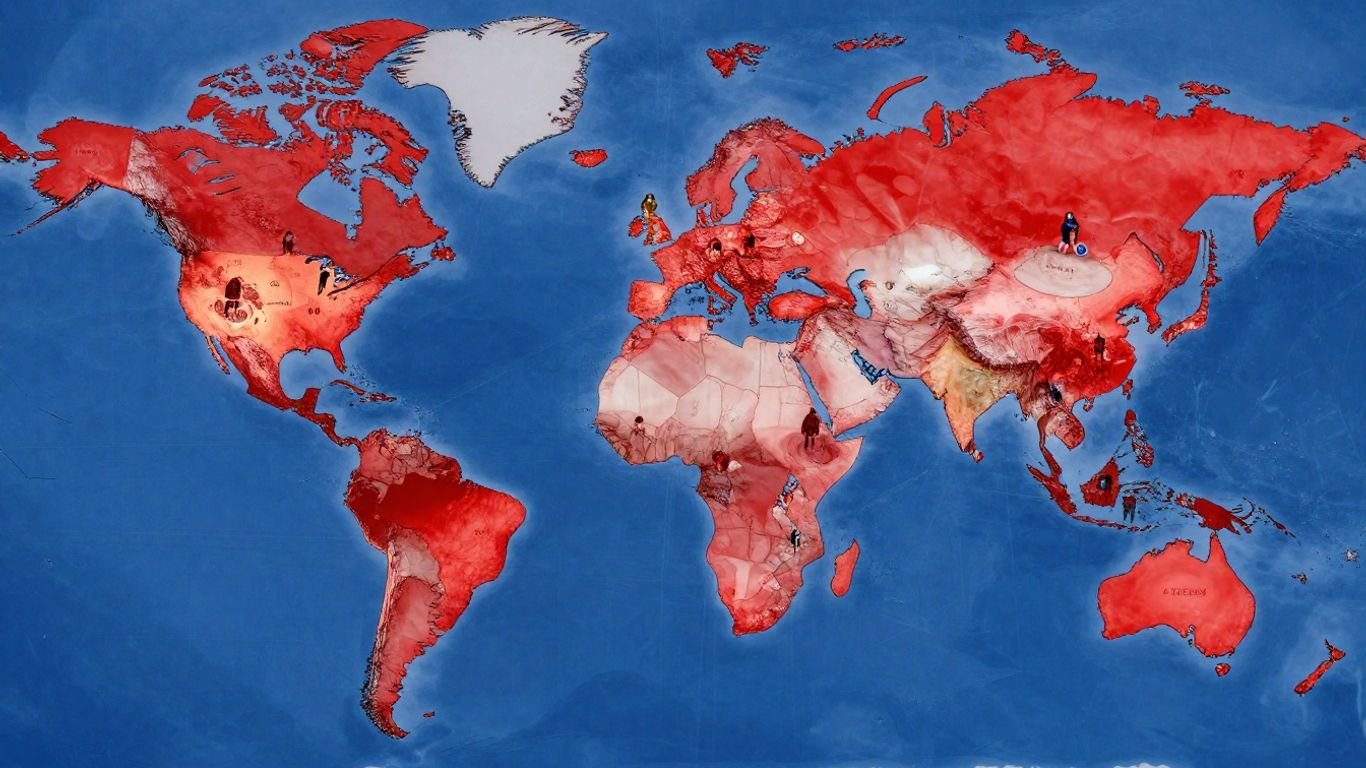
When we look at the numbers, some countries just seem to have a higher burden of cancer than others. It’s not always a simple story, but the data points to a few places where cancer rates are notably elevated. Australia consistently shows up at the top of the list for age-standardized cancer incidence.
Australia’s High Cancer Rates
Australia is often cited as having one of the highest cancer incidence rates in the world. The figures can be a bit startling, with rates well above the global average. This isn’t just about one type of cancer; it’s a broad trend across several common forms.
New Zealand and Ireland’s Cancer Statistics
Following closely behind Australia are countries like New Zealand and Ireland. These nations also report significantly high numbers of new cancer cases each year, adjusted for age. It makes you wonder what’s going on in these parts of the world.
The United States’ Position
The United States also finds itself among the countries with elevated cancer rates. While not always at the very peak, the US consistently ranks high in global comparisons. This is a complex issue, with many factors at play.
Here’s a look at some of the countries with higher reported rates:
| Country | Age-Standardized Rate (per 100,000) |
|---|---|
| Australia | 462.5 |
| New Zealand | 427.3 |
| Denmark | 374.7 |
| United States | 367.0 |
| Norway | 357.9 |
| Ireland | 344.7 |
| Netherlands | 341.4 |
| France | 339.0 |
These higher rates in developed nations are often linked to a mix of lifestyle choices, environmental factors, and the simple fact that people are living longer. As populations age, the risk for many cancers naturally increases. Plus, the way we live – diets, activity levels, exposure to certain substances – all play a part. It’s a complicated picture, and understanding these trends is key to figuring out what comes next.
It’s important to remember that these figures are often age-standardized. This means they try to account for differences in the age structure of populations, giving us a more direct comparison of cancer risk rather than just raw numbers. Still, the trend is clear: certain developed countries are facing a significant cancer burden. This situation is something that requires serious attention and proactive health policies to address the underlying causes and improve outcomes for citizens. The ongoing discussions about global trade and shipping routes, like those concerning the Strait of Hormuz critical global energy chokepoint, highlight how interconnected our world is, and health issues are no different.
European Countries With Elevated Cancer Rates
When we look at cancer rates across Europe, some countries stand out with higher numbers. It’s not just one thing, but a mix of factors that seem to be at play. We’re talking about places like Denmark and Norway, which consistently show up with elevated figures. Then there are countries like the Netherlands and Belgium, also in that higher bracket. France isn’t far behind either. It’s a complex picture, and frankly, it’s something we need to pay attention to.
Denmark and Norway’s Cancer Figures
Denmark and Norway often appear near the top when looking at cancer incidence in Europe. For instance, Denmark has reported an age-standardized cancer incidence rate of around 374.7 per 100,000 people, and Norway is not far behind at about 357.9 per 100,000. These numbers are significant and suggest that something in the environment or lifestyle in these nations might be contributing to higher rates. It’s a stark reminder that even in developed nations, cancer remains a serious challenge. The lifetime risk of developing cancer in Europe can vary quite a bit, with Norway and Denmark showing a higher risk compared to some other European nations, reaching as high as 33% in some reports [7ccf].
The Netherlands and Belgium’s Cancer Data
Following closely are the Netherlands and Belgium. The Netherlands has an incidence rate around 341.4 per 100,000, and Belgium is at about 324.7 per 100,000. These figures place them firmly in the group of European countries with higher cancer rates. It makes you wonder what’s going on there, doesn’t it?
France’s Cancer Incidence
France also reports a notable cancer incidence rate, around 339.0 per 100,000. While slightly lower than the previous countries mentioned, it’s still in the higher range for the continent. It seems like a trend across Western and Northern Europe.
The reasons behind these elevated rates in developed European nations are multifaceted. They often include a combination of lifestyle choices, environmental exposures, and the simple fact that populations are aging. Advanced healthcare systems also play a role, as they are better equipped to detect and record cancer cases, which can inflate the reported incidence rates compared to regions with less developed medical infrastructure.
Here’s a quick look at some of these figures:
- Denmark: ~374.7 cases per 100,000
- Norway: ~357.9 cases per 100,000
- Netherlands: ~341.4 cases per 100,000
- Belgium: ~324.7 cases per 100,000
- France: ~339.0 cases per 100,000
It’s clear that cancer is a significant health concern across many parts of Europe, and understanding the specific drivers in these countries is key to addressing the problem effectively. We need to look at what people are doing, what they’re exposed to, and how our societies are structured.
Factors Driving Higher Cancer Rates in Developed Nations
It’s a bit of a puzzle, isn’t it? You’d think with all our fancy medical technology and access to information, we’d be doing better. But nope, many developed countries are actually seeing some of the highest cancer rates out there. So, what’s going on?
Lifestyle Choices and Cancer Risk
Let’s be honest, our modern lifestyles in wealthier nations aren’t exactly a recipe for perfect health. We’ve got a lot of folks who aren’t getting enough exercise, and our diets? Well, they’re often loaded with processed junk and way too much sugar. This stuff really adds up over time. It’s not just about one bad meal; it’s the consistent habits that chip away at our health. Think about it: more people are overweight or obese than ever before, and that’s a major red flag for all sorts of health problems, including cancer. Plus, the old habits die hard – smoking is still a big issue in many places, and while we talk about it less, it’s still a leading cause of preventable cancers. And don’t forget alcohol; it’s pretty common, and it’s linked to several types of cancer.
- Sedentary lifestyles
- Diets high in processed foods and sugar
- Continued prevalence of smoking
- Regular alcohol consumption
Environmental Exposures and Cancer
Then there’s what we’re breathing in and exposed to. As countries develop, they often industrialize, and that can mean more pollution in the air and water. We’re talking about things like exhaust fumes from all those cars and emissions from factories. Studies have shown that air pollution, for instance, is linked to lung cancer. It’s not always obvious, but these environmental factors can play a role over the long haul. We’re exposed to a lot more chemicals in everyday products too, from plastics to cleaning supplies, and while the direct link to cancer for many of these is still debated, it’s a lot of ‘stuff’ our bodies have to deal with. It’s a complex web, and pinpointing exact causes is tough, but it’s definitely something to consider when looking at why cancer rates are higher in some places compared to others. It’s a good reminder that a cleaner environment is also a healthier one for everyone.
The Impact of Aging Populations
This one is pretty straightforward, but it’s a big deal. Cancer is, unfortunately, more common as people get older. Our cells just accumulate more damage over time, and the risk goes up. Developed countries tend to have older populations because people are living longer, thanks to better healthcare and living conditions. So, even if we were doing everything perfectly in terms of lifestyle and environment, the simple fact that more people are reaching older ages means we’re going to see more cancer cases. It’s a demographic reality that significantly influences the overall cancer statistics. When you combine an aging population with the lifestyle and environmental factors we’ve already talked about, you get a perfect storm for higher cancer incidence rates. It’s a challenge that requires looking at both prevention and managing the needs of an older population dealing with increased health risks, especially concerning issues like obesity and inactivity which are also on the rise.
Nations With The Lowest Reported Cancer Rates
When we look at the global picture of cancer, it’s not all doom and gloom. Some countries consistently report much lower numbers of cancer cases. It’s easy to jump to conclusions, but the reality behind these low figures is often more complicated than it seems.
African Nations With Low Incidence
Many countries in Africa, particularly in regions like West Africa, show significantly lower cancer rates. For instance, Niger often appears at the bottom of these lists, with rates well below 80 per 100,000 people. Other nations like the Gambia and Sierra Leone also report low incidence. These lower numbers, however, don’t necessarily mean less cancer.
Asian Countries Reporting Low Rates
Similarly, some Asian countries, especially those with lower economic development, tend to report fewer cancer cases. Countries like Bhutan and Nepal have historically shown low rates. It’s important to remember that these statistics are often based on available data, which can be limited in some areas.
The Reality Behind Low Numbers
So, why are these rates so low on paper? It’s a mix of factors, and not all of them are positive. While some of it might be due to healthier lifestyles or genetic differences, a big part of the story is about how we collect data and access to healthcare.
- Underreporting: Cancer registries, which are crucial for tracking cases, are often less developed or non-existent in these regions. This means many cases simply aren’t recorded.
- Limited Access to Diagnosis: Getting a proper diagnosis can be a huge hurdle. Many people may not have access to the medical facilities or trained professionals needed to identify cancer.
- Higher Mortality from Other Causes: In some of these countries, people are more likely to die from infectious diseases or injuries before cancer can even be diagnosed or become a major issue. This skews the incidence rates downwards.
The lower reported cancer rates in some parts of the world are not always a sign of good health. They can often reflect significant challenges in healthcare infrastructure, data collection, and access to timely medical care, leading to underdiagnosis and underreporting of actual cancer cases.
It’s a complex situation, and while these countries might appear to have low cancer rates, it’s vital to look deeper into the reasons why. Understanding these disparities is key to improving global health outcomes for everyone, not just those in well-documented regions. For a look at how some other countries compare, you can check out global cancer statistics.
The Hidden Challenges in Low-Incidence Countries
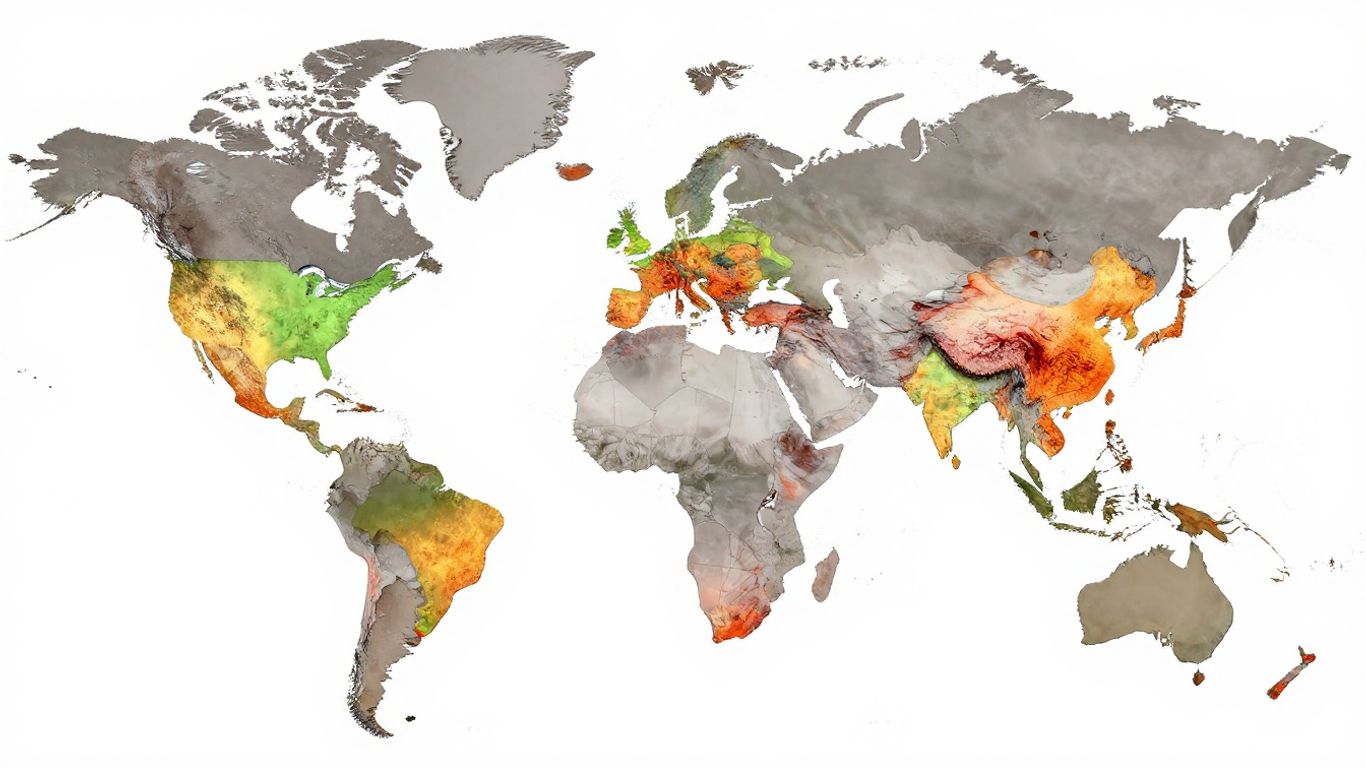
Some countries, particularly throughout Africa and parts of Asia, get listed as having the lowest cancer rates in the world, but peeling back the surface reveals a completely different story. It’s tempting to look at low numbers and think they’re ahead of the game on health. The reality is far more complicated.
Underdiagnosis and Underreporting
In these regions, the healthcare system just isn’t equipped to catch cancer cases. Most of Africa, for example, lacks comprehensive cancer registries. Fewer cases wind up in official statistics simply because they aren’t counted, not because they aren’t happening.
| Region | Percent of Population in Registry |
|---|---|
| Africa | <2% |
| North America | >85% |
- Many cancer patients never see a doctor for proper diagnosis.
- Data collection is spotty, with rural communities often ignored completely.
- Deaths often occur without cause-of-death documentation, especially outside cities.
Barriers to Early Detection and Treatment
Let’s face it: early detection is a privilege, not a universal right. Basic diagnostics, even things like blood tests or imaging, are rarely available across much of the developing world. This means:
- Most cancers get caught late, if at all.
- Cancer screening programs are almost non-existent.
- Cultural stigma around illness can keep families from seeking medical help.
In places where hospitals are hours away, or where families fear social consequences of a diagnosis, cancer is often discovered at its most advanced, untreatable stage—if it is discovered at all.
The Role of Infectious Diseases
In low-income countries, cancer often overlaps with ongoing struggles against infectious diseases. Illnesses like hepatitis B or human papillomavirus lead to high rates of liver and cervical cancers. Yet, limited vaccines, lack of screenings, and persistent poverty keep these cancers dangerously common and untreated.
- Infectious-driven cancers remain among the top killers for women and children.
- Prevention measures—like HPV vaccination—are mostly unavailable.
- Resources go to acute epidemics, not long-term cancer control programs.
Honestly, when you see cancer rates coming out of places like Niger, you should take them with more than a grain of salt. There’s always more beneath the numbers than most reports show. Sometimes, what isn’t being counted is the real story.
Geographic Variations and Genetic Predispositions
It’s pretty interesting how cancer rates aren’t the same everywhere you go. You see big differences from one country to another, and it’s not just random. A lot of it comes down to where people live, what they’re exposed to, and even their genes.
Prostate Cancer Trends
Prostate cancer is a good example of this. In some parts of the world, especially East Asia, it used to be seen a lot less. But now, as lifestyles change and become more like what we see in Western countries, the rates are going up. It makes you wonder what’s really driving these changes. Is it diet? Is it something else entirely? It’s hard to say for sure, but the numbers don’t lie.
Infectious Agents and Cancer
Then there are things like infections. You might not think of it, but certain viruses and bacteria can actually lead to cancer. Think about hepatitis B, which can cause liver cancer, or HPV, linked to cervical cancer. These are much bigger problems in some areas, particularly in parts of Africa and Asia, which helps explain why cancer rates can be higher there for those specific types. It’s a stark reminder that health isn’t just about what you eat or if you smoke; it’s also about the bugs you pick up.
Understanding Global Disparities
So, why all these differences? It’s a mix of things. You’ve got lifestyle choices, sure, but also how good a country’s healthcare system is at actually finding and reporting cancer cases. Some places just don’t have the resources to track everything properly.
The reality is that comparing cancer rates between countries is tough. What looks like a low rate might just mean cases aren’t being counted. It’s a complex picture, and we need better data to really understand what’s going on.
It’s also worth noting that genetic factors can play a part, though it’s often harder to pin down than lifestyle or environmental stuff. When you look at the data, you see that countries with better healthcare systems and more complete records, like the United States, tend to report higher rates. This doesn’t necessarily mean people in those countries are getting cancer more often, but rather that they’re better at finding it. The disparities in cancer rates worldwide are a serious issue, and understanding the root causes, including genetic variations, is key to addressing them.
The Shifting Landscape of Cancer Rates

Cancer rates around the world aren’t stuck in place—they’re changing fast, shaped by how people live, how long they live, and how healthcare is delivered across borders. As lifestyles shift in developing regions, and populations get older almost everywhere, the global cancer picture looks a lot different than it did just a decade ago. Let’s break down what’s happening now—and what’s coming soon.
Changing Lifestyles in Developing Nations
There’s a real change happening as more countries adopt what used to be called a “Western lifestyle.” This means more processed food, more tobacco and alcohol use, and often, less exercise. All of these add up to a greater risk of many common cancers.
- Diets higher in red meat, fats, and sugar are becoming more common in middle- and low-income countries.
- Tobacco companies target new markets as regulations tighten up in richer nations, so smoking rates rise elsewhere.
- Urban life means people are less active, and obesity is climbing.
That shift in daily habits fuels a slow but steady rise in cancer cases in nations that, years ago, had some of the world’s lowest rates.
Many experts say a country’s cancer risk map is now following jobs, new diets, and big city trends—not just genetics or the environment.
Projected Increases in Cancer Cases
The future isn’t just about a few extra cases here or there. We’re talking about millions more. Between now and 2050, experts predict a massive jump in both cancer diagnoses and deaths. According to recent projections for global cancer in 2050, diagnoses could spike by nearly 61% and deaths by nearly 75% worldwide.
| Year | Estimated New Cases | Estimated Deaths |
|---|---|---|
| 2024 | 20 million | — |
| 2050 | 32-36 million | — |
Some main reasons:
- Aging populations—there are just more older people, and cancer is mostly a disease of age.
- Population growth, especially in Asia and Africa.
- Spread of unhealthy habits tied to rising incomes and urban living.
The Importance of Proactive Health Policies
With numbers like these looming, leaders need to get out in front of the issue. A “wait and see” attitude just won’t cut it, not when the stakes run into millions of families impacted around the world. Smart and aggressive health policies can make a massive difference:
- Improve screening access and catch more cancers early
- Tighten tobacco and alcohol rules
- Push for exercise and good nutrition in schools and workplaces
- Fund national cancer registries for better data
If policymakers invest wisely—and act fast—many of these looming cases and deaths can be avoided or delayed.
The takeaway is simple: the world needs to treat the cancer spike like the looming problem it is. Left alone, things get worse for everyone. But the right mix of practical, common-sense solutions could shift the landscape back in a safer direction.
Comparing Cancer Rates: High vs. Low
It’s pretty wild when you look at the numbers for cancer rates around the world. You’ve got places like Australia way up there, reporting a ton of cases, and then you have countries like Niger reporting hardly any. It makes you wonder what’s really going on.
Australia’s Rate Compared to Singapore
Australia seems to be leading the pack, with something like 452 cancer cases per 100,000 people. That’s a lot. Now, Singapore, which is often thought of as a pretty developed place, has a much lower rate, around 233 per 100,000. That’s still not exactly low, but it’s a big difference compared to Australia. It really shows how much things can vary even between developed nations.
Niger’s Rate as the World’s Lowest
Then you look at Niger, and the numbers are just drastically different. They’re reporting rates below 80 per 100,000. That’s incredibly low. It makes you think about all the factors that could be at play, from lifestyle to how they even track these things.
The Significance of Age-Standardized Rates
It’s important to remember that these numbers are usually age-standardized. This is a fancy way of saying they adjust the rates so that you’re not just comparing countries with lots of old people to countries with lots of young people. Cancer is more common as you get older, so if you don’t adjust for age, countries with older populations will naturally look like they have higher rates. It’s a necessary step to make the comparisons more fair.
Here’s a quick look at some of the figures:
| Country | Age-Standardized Rate (per 100,000) |
|---|---|
| Australia | 452 |
| Ireland | 373 |
| USA | 362 |
| Denmark | ~340+ |
| Singapore | 233 |
| Niger | < 80 |
The big differences we see between countries aren’t just about genetics or luck. They’re heavily influenced by things like diet, whether people smoke, how much they exercise, and even the environment they live in. Plus, how good a country’s healthcare system is at actually finding and recording cancer cases plays a huge role. It’s not always as simple as saying one place is "healthier" than another.
When you see these kinds of numbers, it’s easy to jump to conclusions. But the reality is, tracking cancer accurately across the globe is a massive challenge. In places with less developed healthcare systems, like many African nations, the low numbers might not mean fewer cancers are happening, but rather that they aren’t being diagnosed or reported properly. It’s a complex picture, and understanding these international cancer trends is key to figuring out what we can do about it.
The Future of Cancer Incidence Worldwide
Looking out to 2050, cancer isn’t going anywhere—it’s heading up. The number of new cancer cases per year is expected to nearly double, hitting over 35 million globally by the middle of the century. If you think that’s just a problem for big-city hospitals, think again. This might hit everywhere, from high-tech cities to rural outposts, and it brings big questions about who will pay and who will benefit. Let’s break it down.
Addressing Global Cancer Disparities
- Wealthier countries have more cases now, thanks to older folks, better detection, and lifestyles that aren’t always healthy.
- Poorer countries report fewer cases, but those numbers don’t tell the whole story—many cases just aren’t found or counted. Plus, cancer rates in places like India and China are climbing fast.
- If we ignore these gaps, some people are going to keep getting left out of treatments that could save their lives.
The world’s cancer crisis isn’t just about numbers—it’s about who gets help and who’s left waiting, hoping the system works for them too.
The Need for Enhanced Data Collection
- You can’t solve what you can’t see. Many countries don’t track cancer well at all.
- Registries often miss cases, especially in rural or poor areas.
- Reliable data matters for making sure the right resources go to the right place.
Here’s a simple table summarizing new cancer diagnoses and projections:
| Year | New Cancer Cases (Global) |
|---|---|
| 2022 | 20 million |
| 2050 | 35.3 million |
Source: See global projections for cancer new cancer diagnoses.
Coordinated Global Efforts
- Countries need to tighten cancer tracking—modern tech and more trained staff could help.
- International partnerships should focus on sharing what works, not just throwing cash at quick fixes.
- Families, communities, and faith-based groups must be part of prevention and care—not just bureaucratic agencies.
If we don’t pull together, healthcare costs will spiral just when aging populations need care the most. Investments in research, better data, and shared experience aren’t just helpful—they are the only way out of this crisis. The threat isn’t just about cancer, but what it means for families who depend on stable, effective healthcare. If we wait for the government to fix everything, we’ll still be waiting while cancer numbers keep climbing.
Wrapping It Up
So, we’ve looked at the numbers, and it’s pretty clear that cancer rates aren’t the same everywhere. Countries like Australia and the US tend to show up with higher numbers, which some folks say is because they have better ways to find cancer and maybe because of lifestyle stuff like diet and how active people are. On the flip side, places with fewer resources often report lower rates, but that doesn’t necessarily mean less cancer is happening. It could just mean they don’t have the systems to track it all properly. It’s a complicated picture, for sure. What’s also interesting is that as some countries get more developed, their cancer rates might go up as lifestyles change. It really shows that there’s no simple answer, and we need to keep looking at all the different things that might be going on.
Frequently Asked Questions
Why do some countries have higher cancer rates than others?
Countries with higher cancer rates usually have older populations, better healthcare systems that can find and report cancer more easily, and lifestyles that include more risk factors like smoking, drinking alcohol, and eating unhealthy foods.
How are cancer rates measured in different countries?
Cancer rates are measured by the number of new cases found in every 100,000 people each year. To make fair comparisons, experts use ‘age-standardized rates,’ which adjust for differences in how old people are in each country.
Which country has the highest cancer rate?
Australia has the highest age-standardized cancer rate in the world, with about 452 new cases for every 100,000 people each year.
Why do some countries report very low cancer rates?
Countries with low cancer rates often have younger populations and may not have the tools or systems to find and report cancer cases accurately. Many cases might go undiagnosed or unreported.
Does having a high cancer rate mean a country is less healthy?
Not always. High cancer rates can mean the country has good healthcare and can find cases early. It can also mean people live longer, so they have more time to develop cancer.
What are some countries with the lowest cancer rates?
Niger, the Republic of Gambia, Bhutan, Nepal, and Djibouti are some countries with the lowest reported cancer rates, with Niger being the lowest at about 78 cases per 100,000 people.
Can cancer rates change over time?
Yes, cancer rates can go up or down based on changes in lifestyle, healthcare, and how well countries can find and report cancer. As countries develop and people live longer, cancer rates may rise.
What can countries do to lower cancer rates?
Countries can lower cancer rates by encouraging healthy habits like not smoking, eating healthy foods, staying active, and getting regular check-ups. Vaccines and screenings for certain cancers also help find and treat cancer early.