Breaking Drone News: Political Ties and Military Deals Raise Questions
There’s a lot of buzz around drone news lately, especially when it comes to companies making these flying machines and their ties to politics. It seems like everywhere you look, there are stories about big military deals and who’s making money from them. This drone news is getting complicated, with questions popping up about potential conflicts of interest and how these deals get approved. Let’s break down what’s going on.
Key Takeaways
- A new drone company, Powerus, backed by the Trump sons, is merging with a golf course company to go public, raising questions about its business strategy and who benefits.
- The Pentagon is increasing its drone orders significantly, partly due to import bans on foreign-made drones, creating a market opportunity for domestic companies.
- Government ethics experts worry that political connections could lead to government contracts being awarded to enrich the families of decision-makers, a modern take on wartime profiteering.
- A German military drone contract involving investor Peter Thiel is facing scrutiny due to concerns about investor influence and transparency in defense deals.
- Redacted contract details and concerns over oversight are leading to calls for conditional approval and stronger safeguards in government procurement processes for drone technology.
Trump Family’s Stake in Drone Technology
It looks like the Trump family is getting pretty serious about the drone business. Donald Trump Jr. and Eric Trump are putting their backing behind a new company called Powerus. This company is all about getting its hands on Ukrainian drone tech and then selling it to the U.S. military. It’s a big move into the defense world, and they’re clearly aiming for those Pentagon contracts. This venture highlights a growing trend of political figures and their families investing in sectors that could directly benefit from government policy.
Powerus Emerges as Key Player in Drone Market
Powerus isn’t just some small startup. They’ve been busy buying up other companies and are planning a pretty unusual corporate maneuver to go public. They’re merging with a golf course holding company in Florida. Yes, you read that right – golf courses. The idea is that these courses might even be used to test out their drone systems. It’s a strange pairing, but the goal is clear: scale up drone production fast. They’re talking about making over 10,000 drones a month. This comes at a time when the Pentagon is really pushing for more drones, with programs like the ‘Drone Dominance’ initiative planning to spend over a billion dollars on U.S.-made systems.
Unusual Corporate Merger for Public Listing
The way Powerus plans to become a publicly traded company is a bit unconventional. They’re doing a "reverse merger" with Aureus Greenway Holdings, a company that owns a few golf courses and is already listed on the Nasdaq. This is a way for a private company to get on the stock market without going through the usual, more lengthy process. It’s a fast track, and it means Powerus could be trading publicly pretty soon. The company says its main focus is getting the right technology to the warfighter, no matter who the investors are. It’s an interesting strategy to get their drone technology out there.
Family Ties and Defense Contracts
This whole situation brings up some serious questions about conflicts of interest. When the family of a former president is heavily invested in companies that stand to gain from defense spending and policy decisions, it’s natural for people to wonder if those decisions are being made with the family’s financial interests in mind. Experts in government ethics have pointed out that this kind of setup can create pressure to award contracts in ways that benefit political families. It’s a delicate balance, and one that seems to be getting more attention as these kinds of deals emerge.
The business of war has always been lucrative. But when the people making money are tied directly to the people making policy, it raises questions Americans should be asking.
Here’s a look at some of the companies and connections:
- Powerus: The drone company backed by the Trump sons, aiming to acquire Ukrainian drone technology for U.S. military sales. They are looking to capitalize on U.S. military demand.
- Aureus Greenway Holdings: A Florida-based golf course holding company that Powerus is merging with to go public.
- 1789 Capital: A venture capital fund where Donald Trump Jr. is a partner, which has invested in numerous companies seeking federal contracts.
Pentagon’s Growing Demand for Drones
Drone Dominance Program Investments
The Pentagon is really pushing hard to get more drones, and it’s not just a small budget increase. They’ve got this whole "Drone Dominance" program, which is a big deal. We’re talking about a planned investment of about $1.1 billion. The goal is to buy hundreds of thousands of drones made right here in the U.S. by 2027. This isn’t just about having more eyes in the sky; it’s about building up a domestic manufacturing base for these systems. It seems like they want to be less reliant on foreign suppliers, especially with all the global tensions lately.
Impact of Import Bans on Market Landscape
Speaking of foreign suppliers, you might have noticed the U.S. has put bans on new drones coming from China. This has really shaken up the market. China used to dominate, selling drones all over the world. Now, with those doors closed for new business, there’s a huge gap to fill. Companies are scrambling to step in and offer alternatives. It’s a bit of a gold rush, honestly, and it’s creating a lot of opportunities for American companies, or at least those looking to sell to the U.S. military.
Scaling Production to Meet Military Needs
So, with all this new demand and the import bans, companies are under pressure to ramp up production, and fast. We’re hearing plans for some companies to scale up to making over 10,000 drones a month. That’s a massive jump from where they were. It’s a big bet on the future, and it means a lot of investment in factories, workers, and new technology. The military needs these drones, and the companies that can deliver are in a prime position.
The push for domestic drone production and the significant Pentagon investment signal a major shift in military strategy. This focus on homegrown technology aims to secure supply chains and foster innovation, but it also opens the door for potential conflicts of interest when political figures have financial ties to these burgeoning industries.
Here’s a quick look at the Pentagon’s drone spending goals:
- Drone Dominance Program: Aiming to spend approximately $1.1 billion.
- Target Quantity: Hundreds of thousands of U.S.-made drones.
- Timeline: By the year 2027.
- Key Driver: Building a robust domestic manufacturing capability.
Ethical Concerns and Conflict of Interest
Government Ethics Expert Weighs In
It’s a sticky situation when the people making decisions about government contracts have family members who stand to make a lot of money from those same contracts. That’s exactly what’s happening with some of these new drone deals. An ethics expert, Kathleen Clark from Washington University School of Law, put it pretty bluntly. She said it looks like corruption, and that government folks might feel pressured to award contracts in ways that benefit the president’s family. This kind of situation makes people wonder if the decisions are really about national security or about lining pockets. It’s a tough question to answer, and it definitely makes you pause.
Pressure to Enrich Political Families
When you have companies like Powerus, backed by the sons of a former president, looking to grab a piece of the Pentagon’s drone spending, it raises eyebrows. The Pentagon is planning to spend a good chunk of change, around $1.1 billion, to build up a domestic drone manufacturing base. This is partly because of policies like banning Chinese-made drones. So, you have a situation where the administration that sets the rules also has family members investing in companies that could benefit directly from those rules. It’s a bit of a closed loop, and it’s easy to see why people get concerned.
Wartime Profiteering Allegations
Look, the business of war has always been profitable, that’s no secret. But when the people profiting are closely linked to the people making the policy decisions, it gets complicated. We’re seeing new drone companies, like Powerus, with investors including the former president’s sons. They’re planning a rather unusual corporate move, merging with a golf course company to become a publicly traded drone business. The Pentagon’s demand for drones is huge, partly due to policy decisions made in Washington. This creates a scenario where family members of political leaders are investing in companies that could see massive gains from government spending, especially during times of conflict or heightened security concerns. It’s a situation that invites questions about whether profits are being prioritized over public interest.
International Scrutiny of Defense Deals
German Military Drone Contract Under Review
A big drone deal in Germany is getting a lot of attention, and not just for the technology. It turns out a well-known investor, Peter Thiel, who’s been a big supporter of Donald Trump, has a stake in Stark, the company that could get this multibillion-euro contract. This has some German lawmakers pretty worried. They’re asking if Thiel’s investment means he could have too much say in the company or get access to sensitive defense information. It’s a complex situation, especially since Germany needs new drones for its military.
Peter Thiel’s Investment in Stark
Peter Thiel, a billionaire investor, has put money into Stark, a defense tech company based in Berlin. The exact size of his stake isn’t totally clear, but reports suggest it’s somewhere between 3% and 4.5%. While the German Defense Minister, Boris Pistorius, has said this isn’t enough to be a major obstacle, some politicians, particularly from the Green party, aren’t so sure. They’re concerned about his influence and his past political leanings, especially since he’s known for supporting conservative and populist movements. The core issue is whether a significant investor’s political ties could impact national security decisions.
Concerns Over Investor Influence and Transparency
Lawmakers in Germany are pushing back on the drone deal, not just because of who’s invested, but also because of how the contract details are being handled. Parts of the contract, like specific pricing and quantities, have been blacked out in the documents shown to parliament. This lack of transparency makes it hard for them to do their job of overseeing how taxpayer money is spent. They want to know exactly what they’re approving before giving the green light. It’s a tough balancing act between getting needed military equipment and making sure everything is above board.
Here’s a breakdown of the contract situation:
- Framework Agreement: The deal is set up as a seven-year agreement.
- Initial Fixed Order: The starting value is around €270 million.
- Potential Total Value: If all optional parts of the deal are used, it could reach nearly €2.9 billion.
- What’s Included: The contract covers the production of drone ‘sets,’ which include the drones themselves, control stations, spare parts, software, and training.
The push for more transparency highlights a growing unease about how defense contracts are awarded and the potential for outside influence. Lawmakers are demanding clearer information on financial terms and the extent of any investor’s sway before approving deals that involve significant public funds and national security implications.
Transparency and Oversight in Procurement
Redacted Contract Details Raise Questions
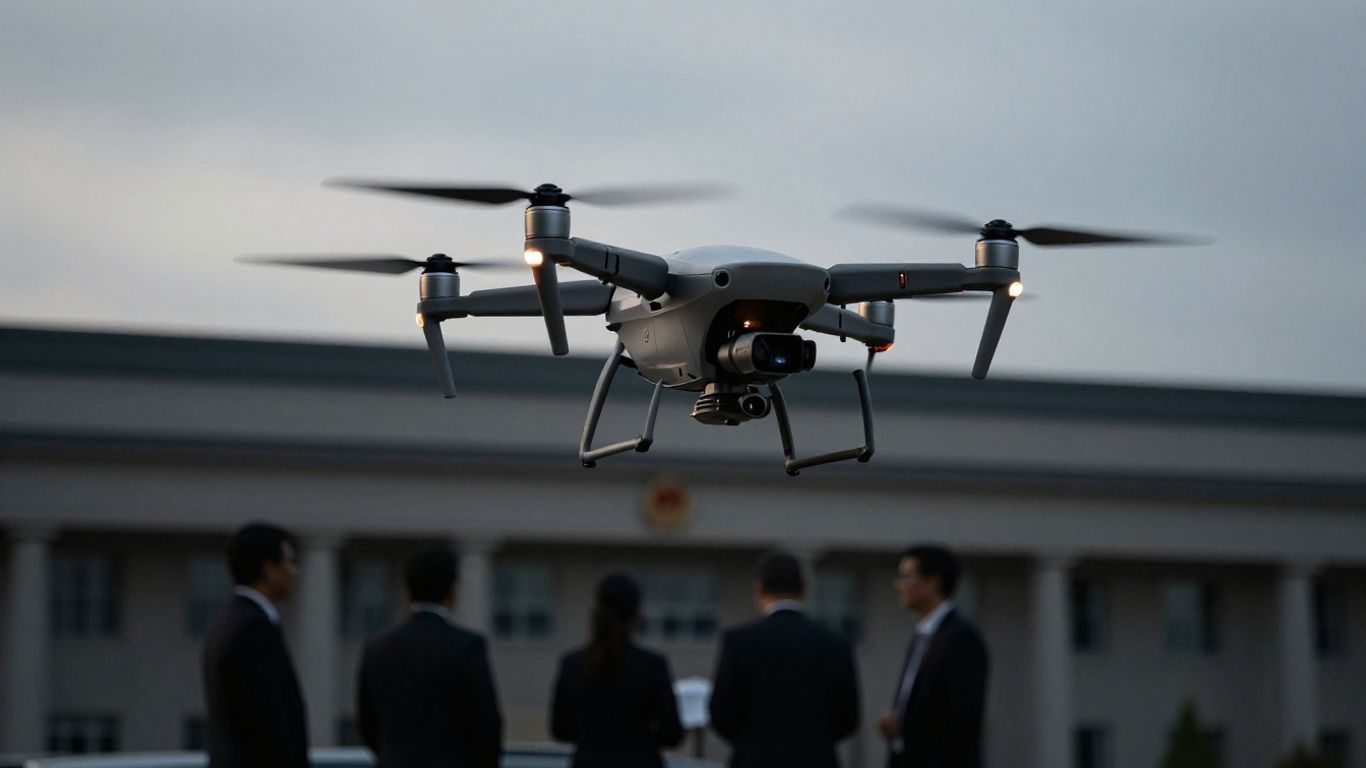
When the government buys big things, especially for the military, you’d think they’d be upfront about it, right? Well, not always. We’re seeing situations where important parts of defense contracts are blacked out. Think about it – if you can’t see the exact numbers for how much things cost or how many units are being bought, how can anyone really check if it’s a good deal for taxpayers? It makes meaningful oversight pretty tough. This lack of clear information is a big red flag for accountability.
Parliamentary Budget Committee Scrutiny
In Germany, for example, deals over a certain amount need a nod from the parliamentary budget committee. But even there, lawmakers are finding themselves in the dark. They’re looking at a big drone deal, but key financial details were hidden. Some politicians are saying, "We need drones, sure, but we need to know who’s influencing these deals and why." It’s a tough spot when you’re supposed to approve something but don’t have all the facts. They’re pushing for more clarity before giving the green light.
Conditional Approval and Safeguards
Because of these transparency issues, things aren’t just moving forward smoothly. Lawmakers are talking about approving contracts, but only with strings attached. This means adding specific rules to the deal before it’s official. It’s like saying, "Okay, we’ll let this happen, but you have to agree to these extra checks and balances." They want to make sure that even if the deal goes through, there are ways to keep a closer eye on pricing and limit how big optional parts of the contract can get. It’s a way to try and get the equipment needed while also protecting public money and preventing potential conflicts of interest.
The Future of Drone Technology and Policy
Drones as the ‘Wave of the Future’
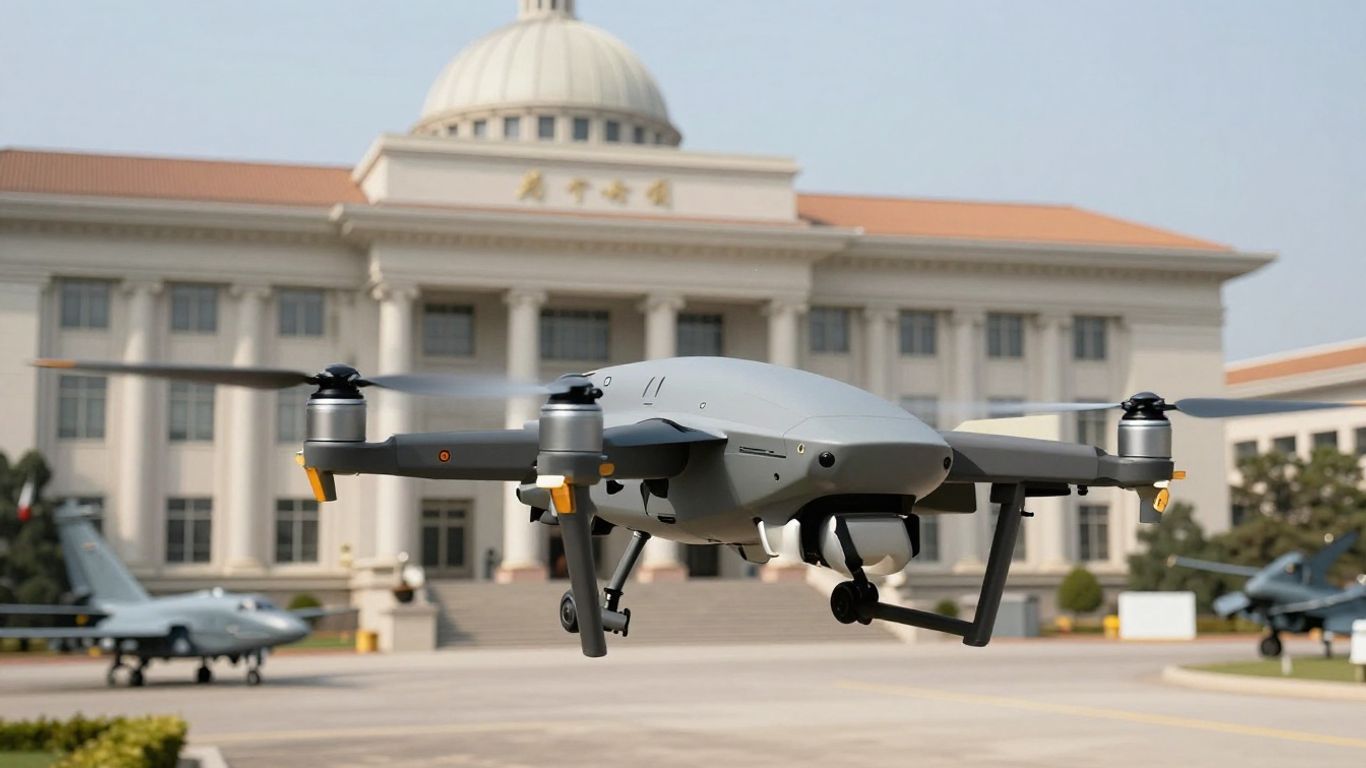
It’s pretty clear that drones aren’t just a passing fad. Eric Trump himself said it, calling them the "wave of the future." And honestly, he’s not wrong. We’re seeing them pop up everywhere, from delivering packages to helping farmers manage their fields. But when we talk about military drones, things get a lot more complicated. The Pentagon is pouring billions into programs like "Drone Dominance," aiming to buy hundreds of thousands of American-made drones by 2027. This push is partly driven by policy decisions, like banning new Chinese drones, which opens up a huge market for domestic companies. It makes you wonder, though, when family members of political leaders are heavily invested in these companies, what does that really mean for everyone else?
Balancing National Security and Business Interests
This whole situation brings up a big question: how do we make sure national security is the top priority when there’s so much money involved? Companies like Powerus, with ties to the Trump family, are looking to grab a piece of that massive Pentagon spending. They’re planning to scale up production significantly, aiming for over 10,000 drones a month. That’s a huge leap. The government’s push for domestic drone manufacturing, partly due to import bans, creates a perfect storm for these companies. But it also raises concerns about whether decisions are being made for the right reasons or if they’re influenced by who stands to profit.
The Evolving Landscape of Drone News
It feels like every week there’s a new development in the drone world, especially when it comes to defense contracts. We’ve seen unusual corporate moves, like a drone company merging with a golf course business, all to get a public listing. Then there are international deals, like the German military contract involving Peter Thiel, which is now under review because of investor influence and transparency questions. Redacted contract details and parliamentary scrutiny are becoming more common as people try to figure out who’s really in charge and who’s benefiting. It’s a complex picture, and keeping track of it all is a full-time job.
The rapid growth in drone technology, particularly for military applications, presents a significant economic opportunity. However, the intersection of political influence and defense procurement demands careful examination to prevent potential conflicts of interest and ensure public funds are used responsibly and ethically.
Here’s a look at some of the key areas driving this evolution:
- Increased Military Investment: Programs like the Pentagon’s "Drone Dominance" signal a major shift towards autonomous aerial systems.
- Market Shifts: Import bans on foreign-made drones are reshaping the competitive landscape, creating openings for domestic manufacturers.
- Corporate Structures: Novel approaches to public listings, like reverse mergers, are being used by drone companies to access capital markets.
- International Scrutiny: Defense deals are facing closer examination globally, with a focus on investor backgrounds and transparency.
It’s a lot to take in, and it seems like the rules of the game are still being written as we go.
What Does It All Mean?
So, we’ve looked at this drone company, Powerus, and its ties to some pretty big names. It’s a bit of a head-scratcher, right? You’ve got a company making military tech, planning a weird merger with golf courses, and investors who happen to be related to a former president. Plus, the government is pouring money into drones, partly because of policies that seem to help these kinds of companies. It’s not exactly a clear-cut situation. While no one’s saying anything illegal is happening, it definitely makes you wonder if the lines between politics and profit are getting a little too blurry. When people in power, or their families, stand to make a lot of money from government decisions, it’s natural to ask some tough questions about who’s really benefiting and if national security is the only thing on the table.
Frequently Asked Questions
What is Powerus and why is it in the news?
Powerus is a company that makes drones. It’s in the news because it’s planning to become a publicly traded company by merging with a golf course business. This is unusual, and it’s also getting attention because the sons of former President Trump, Donald Jr. and Eric Trump, are investors. They want to sell a lot of drones to the U.S. military.
Why is the U.S. military buying so many drones?
The U.S. military is increasing its use of drones because they are seen as a key part of modern warfare. The government has programs to buy many American-made drones and has also put bans on drones made in other countries, like China. This creates a bigger market for companies like Powerus.
What are the concerns about the Trump family’s involvement?
Some people worry that because the Trump sons are investors in companies selling to the military, it could create a conflict of interest. This means that decisions about military contracts might be influenced by who stands to make money, rather than just what’s best for national security. Experts have called this a potential for corruption.
What is the German drone contract controversy about?
There’s a deal in Germany for military drones where a major investor is Peter Thiel, a wealthy businessman who has supported former President Trump. Some German lawmakers are concerned that Thiel might have too much influence over the company, especially since the contract details, like pricing, were not fully shown to them. They want more openness.
What does ‘wartime profiteering’ mean in this context?
Wartime profiteering is when companies make a lot of money from government contracts, especially for weapons and military technology, during times of war or international tension. Critics suggest that when people close to political power are also making money from these deals, it raises questions about whether the focus is solely on national security or also on financial gain.
What are the calls for more transparency and oversight?
Many people are asking for more openness in how the government buys military equipment. When important details of contracts are hidden or unclear, it’s hard for the public and lawmakers to know if the deals are fair and if taxpayer money is being used wisely. There’s a push for stronger checks and balances to ensure accountability.