U.S. Launches New Strikes in Iran Aimed at Protecting Gulf Maritime Security
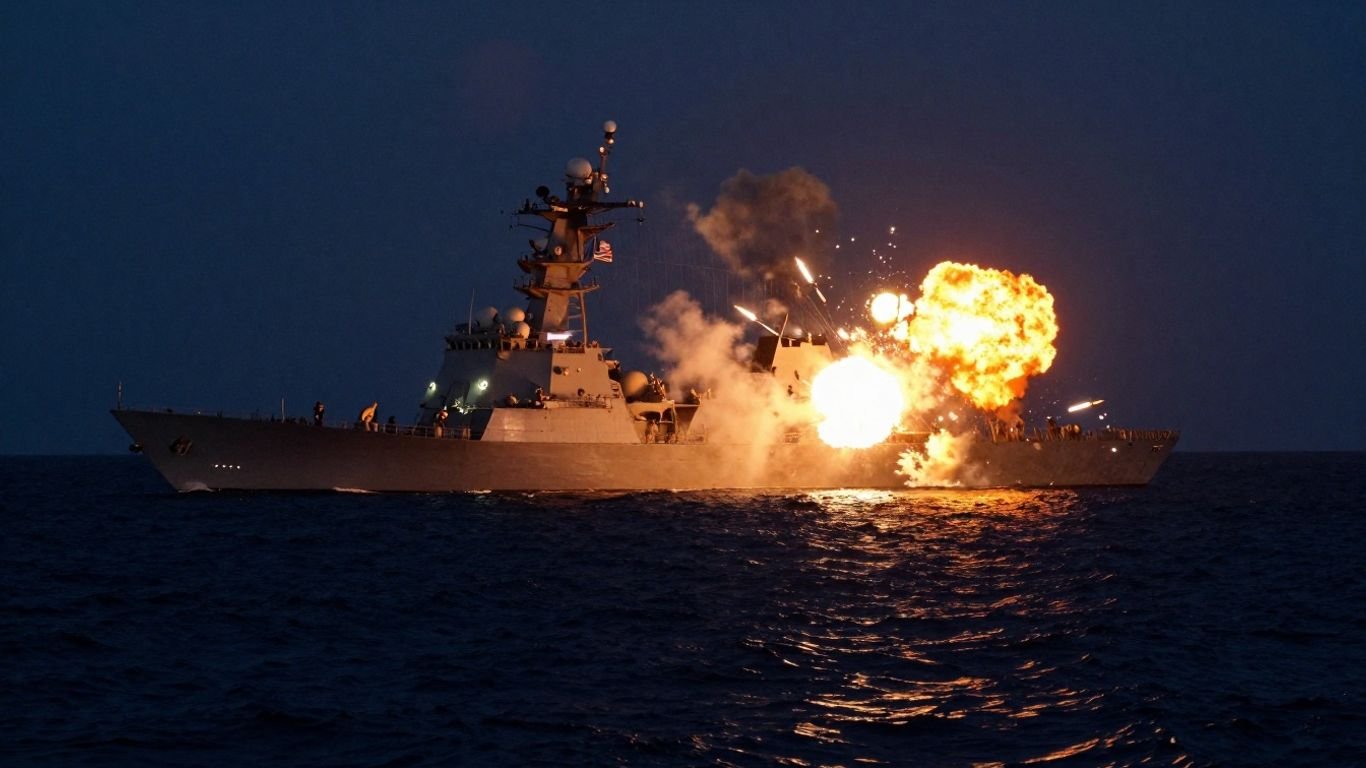
The United States military has conducted targeted strikes in Iran, focusing on a military installation said to pose a significant threat to American forces and commercial shipping routes in the critical Strait of Hormuz, according to official statements on Wednesday.
Key Takeaways
- U.S. forces targeted an Iranian military site believed to threaten U.S. interests
- Operation aimed to protect commercial maritime traffic in the Strait of Hormuz
- Part of ongoing U.S. strategy to deter potential attacks in the region
Background: Tensions in the Gulf Region
The Strait of Hormuz is a vital chokepoint for global oil shipments, with approximately 20% of petroleum traded worldwide passing through its waters. In recent months, increased military activity and a rise in hostile incidents against shipping vessels have escalated tensions in the area. The U.S. military frequently conducts patrols and operations to maintain freedom of navigation and deter threats to international commerce.
Details of the Strike
According to a U.S. official, the military targeted a specific Iranian site after intelligence suggested imminent threats to both American personnel and shipping lanes. The operation was carried out with the intent to neutralize the danger before any hostile action could be launched.
While the exact nature of the site and the methods used in the attack were not disclosed, U.S. officials have emphasized that the action was defensive in nature, and not intended as a provocation toward wider conflict.
Implications for Regional Security
This latest operation highlights enduring concerns about security in the Gulf and the volatility of Iran-U.S. relations. The move comes amid broader efforts by the United States and its allies to respond decisively to perceived threats from Iran and its allied groups throughout the region.
Observers note that such strikes serve as both a warning and a preventive measure, aimed at deterring future attacks against American interests and maintaining the free flow of commerce in one of the world’s most strategically important waterways.
What Comes Next?
- Increased monitoring of Iranian military activities in the Gulf region
- Enhanced U.S. naval presence to secure commercial routes
- Heightened diplomatic efforts to de-escalate tensions between Iran and Western powers
As the situation develops, the international community will be closely watching both Washington and Tehran for their next moves, knowing that any escalation could have global repercussions for energy markets and regional stability.