Trump Sons’ Drone Company Faces Backlash Over Foreign Deals
You might have heard that the sons of Donald Trump are getting into the drone business. It’s called Powerus, and it’s already causing a stir. They’ve invested in this company that’s looking to get big contracts from the Pentagon. But with their dad in the White House, some people are asking if this is really okay. It’s a complicated situation, especially with everything going on in the world right now. Let’s break down what’s happening with the Trump sons’ drone company.
Key Takeaways
- Donald Trump’s sons, Don Jr. and Eric, have invested in Powerus, a drone company aiming for Pentagon contracts.
- Critics accuse the Trump sons of potentially profiting from their father’s policies and global conflicts, raising conflict of interest concerns.
- Powerus is looking to sell drone interceptors to countries in the Middle East, like Gulf nations facing attacks from Iran.
- The Pentagon is pushing for domestic drone manufacturing, partly due to the threat posed by cheaper foreign drones like those from Iran.
- The Trump sons have previously invested in other companies in the drone sector, including Unusual Machines and an Israeli drone maker.
Trump Sons’ Drone Company Faces Scrutiny
It seems Donald Trump’s sons, Don Jr. and Eric, are getting into the drone business in a big way. They’ve put money into a company called Powerus, which is trying to land some serious contracts with the Pentagon. This whole thing is raising a lot of eyebrows, and honestly, it’s not hard to see why.
Investment in Powerus Sparks Corruption Accusations
So, Powerus is a newer company, started up in 2025, and it’s already aiming for a piece of the Pentagon’s big "Drone Dominance" initiative. That’s a huge chunk of change, over a billion dollars. The timing is pretty wild, too. Just last December, the President himself declared that drones made overseas were a national security risk. Then, boom, his sons are investing in a domestic drone company that’s looking to get military contracts. It feels a bit too convenient for some people.
The optics here are just not great. When the family of the President is investing in companies that stand to benefit directly from government defense spending, especially on technology that’s become so central to modern warfare, it’s bound to attract attention and questions about potential conflicts.
Backlash Over Potential Conflicts of Interest
As soon as word got out about this investment, the internet lit up. People are calling out the potential for conflicts of interest, and it’s easy to understand the frustration. Critics are pointing out that this looks like another instance where the Trump family might be profiting from their father’s position. Eric Trump even fired back online, saying drones are a "much better investment" than newspapers, which didn’t exactly calm things down.
Ethical Concerns Raised by Public Figures
It’s not just random folks online. Public figures are weighing in too. Some are calling the whole situation "morally reprehensible" and questioning the legality of it all. The idea that the sons of the President could be personally benefiting from what some see as "warmongering" funded by taxpayer dollars is a tough pill to swallow for many.
Here’s a quick look at some of the key players and their involvement:
- Don Jr. and Eric Trump: Investing in Powerus, a drone startup.
- Powerus: A Florida-based company aiming for Pentagon drone contracts.
- Pentagon’s Drone Dominance Initiative: A major government program seeking new drone technology.
- Critics: Public figures and online commentators raising concerns about ethics and conflicts of interest.
Pentagon Contracts and National Security
Competing for Pentagon Drone Dominance Initiative
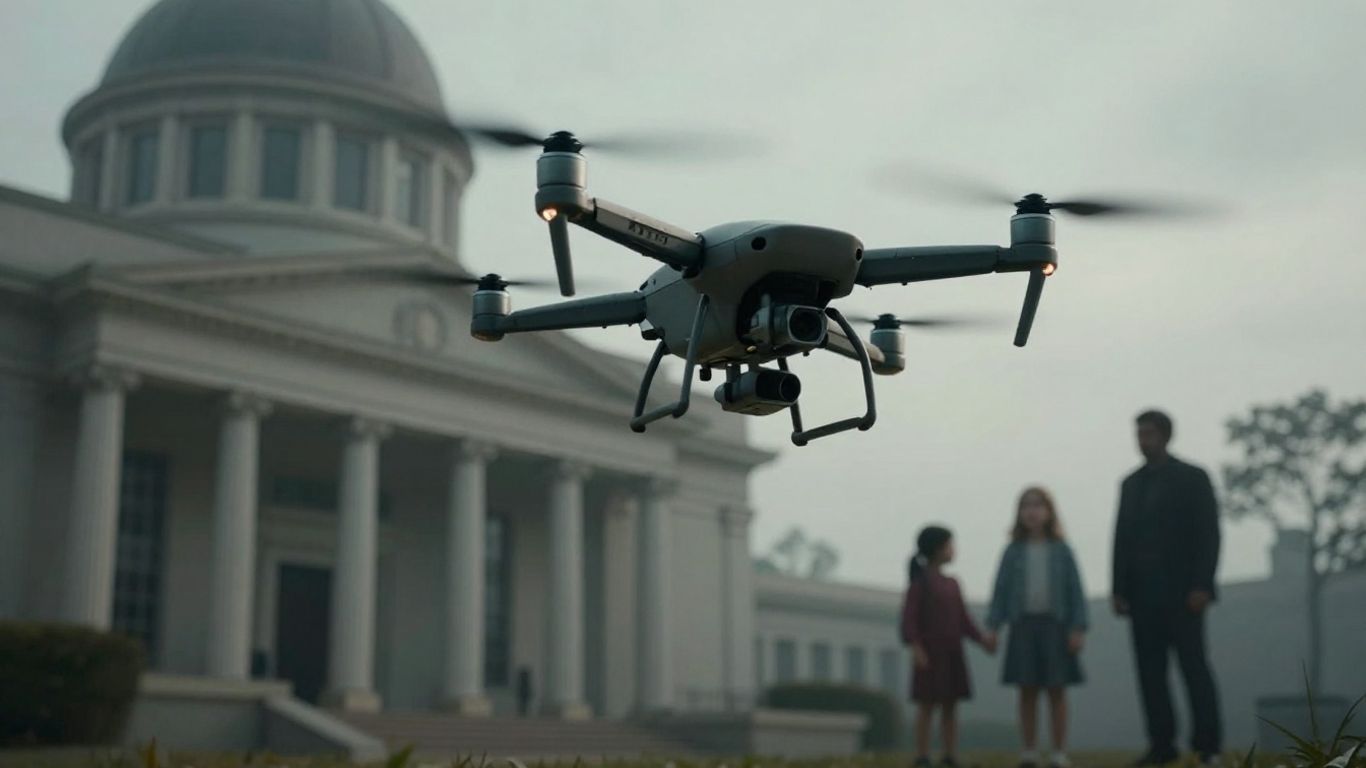
The Pentagon is really pushing to get more American-made drones, and that’s where companies like Powerus, backed by Donald Trump Jr. and Eric Trump, are trying to get a piece of the action. The military has set aside a pretty big chunk of change, around $1.1 billion, specifically for this "Drone Dominance Initiative." The goal is to build up a domestic manufacturing base, especially since the administration banned imports of certain drones from China. It’s a complex situation because these sons are investing in a company that’s directly aiming for these government contracts. This creates a lot of questions about potential conflicts of interest, given their father’s position.
National Security Threat Declared for Foreign Drones
Just last December, the President officially declared foreign-made drones a national security threat. This move really shook up the market, especially for companies that rely on imported technology. It’s interesting timing, then, that Powerus, which is reportedly importing Ukrainian drone technology, is looking to go public and secure these Pentagon deals. It feels like a way to get around the ban, using an "American face" to bring in foreign tech. The military is also feeling the pressure from cheaper foreign drones, like Iran’s Shahed models, which cost a fraction of what U.S. interceptor missiles do. We’re burning through expensive missiles to take down relatively cheap drones, and that’s not a sustainable strategy.
US Military’s Push for Domestic Drone Manufacturing
The U.S. military is definitely on a mission to ramp up its own drone production. They’re looking at everything from small, cheaper drones to more advanced systems. It’s a big shift, especially with conflicts around the world showing how important drones are now. Companies are racing to get these contracts, and it’s not just the new players. Established defense giants are also in the mix. The whole drone sector is getting really competitive, and the government’s focus on domestic manufacturing is a huge driver for all of this activity. It’s a complicated dance between national security needs, business interests, and the ever-changing landscape of modern warfare.
The push for domestic drone manufacturing is a direct response to the evolving nature of global conflicts and the increasing reliance on unmanned aerial systems. This strategic shift aims to reduce dependency on foreign suppliers and bolster national defense capabilities, while also presenting new opportunities and challenges for businesses involved in the sector.
Global Drone Market and Geopolitical Tensions
The drone world is getting pretty wild, and it’s not just about hobbyists flying quadcopters anymore. We’re talking about serious military applications, and that’s where things get complicated, especially with international players involved. The conflict in Ukraine really kicked things into high gear, showing just how much drones can change the game. Now, companies are looking at opportunities everywhere, and some with ties to the Trump family are right in the middle of it.
Selling Drone Interceptors to Gulf Countries
There’s a big push to sell advanced drone interceptor technology to countries in the Middle East, particularly those in the Gulf region. These nations are currently facing drone attacks, and they’re looking for ways to defend themselves. It’s a tense situation, and companies are seeing a market for their defensive tech. This creates a complex web where business interests can get tangled up with international conflicts.
Iran’s Drone Warfare and US Response
Iran has been a significant player in drone warfare, using its drones in various conflicts. This has prompted a strong response from the US and its allies. The US military is actively looking for ways to counter these threats, which includes developing and deploying its own advanced drone technology. The conflict in Ukraine has spurred advancements in drone warfare and served as a testing ground for new defense technologies from startups. These companies are now looking towards potential opportunities related to Iran.
The Global Drone Race and Arms Race Concerns
It feels like we’re in a global drone race. Everyone wants the latest and greatest technology, and that’s leading to concerns about a new kind of arms race. Countries are investing heavily in drone capabilities, both for offense and defense. This rapid development raises questions about stability and how these advanced weapons might be used in future conflicts. It’s a fast-moving area, and keeping up with all the players and their tech is a challenge.
Here’s a quick look at some of the key aspects:
- Technological Advancement: Rapid improvements in drone capabilities, including AI, autonomy, and payload capacity.
- Market Competition: A crowded field of defense contractors and startups vying for lucrative government contracts.
- Geopolitical Impact: Drones are reshaping warfare and influencing international relations and regional power dynamics.
The speed at which drone technology is evolving is staggering. What was science fiction a few years ago is now a reality on the battlefield, and the implications for global security are still unfolding.
Business Ventures in the Drone Sector
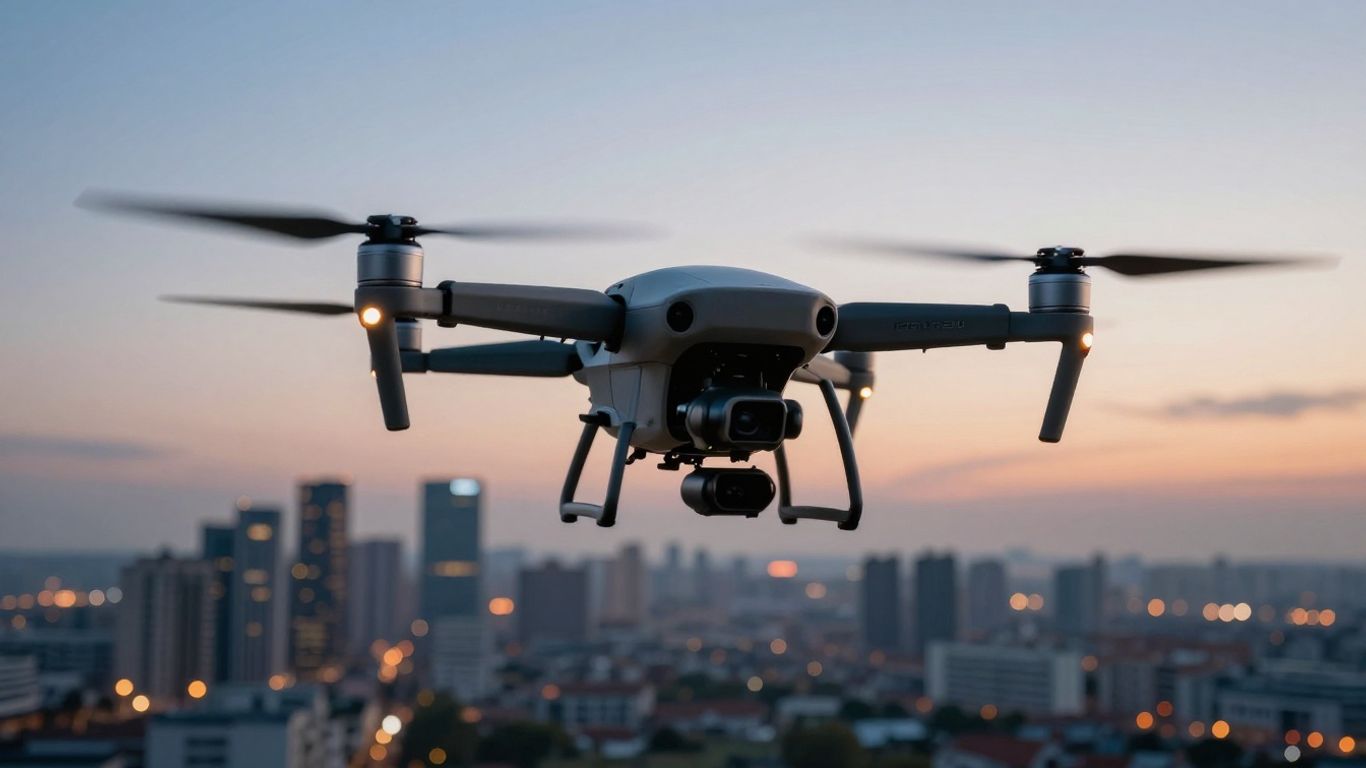
It seems like everywhere you look these days, there’s talk about drones. And for Donald Trump Jr. and Eric Trump, this booming industry isn’t just a passing trend – it’s a serious business opportunity. They’ve been making moves in the drone world for a while now, and their latest ventures show they’re really trying to get a piece of the action, especially when it comes to defense.
Powerus’s Strategy to Go Public
Powerus, a company the Trump brothers have invested in, is looking to make a big splash by going public. They’re planning to merge with a golf course holding company that already has a stock market presence. This isn’t exactly a new trick; it’s a way to get listed on NASDAQ pretty quickly, skipping some of the usual steps. The idea is that Powerus will become part of this existing public company. It’s a smart move if you want to raise a lot of money fast. The drone market is expected to grow way faster than, say, golf courses, so it makes sense from a business perspective.
Importing Ukrainian Drone Technology
One interesting aspect of Powerus’s plan is how they’re handling the ban on foreign-made drones. Instead of building everything from scratch in the US, they’re looking to import drone technology from Ukraine. This seems like a way to get around the rules while still having an "American face" in front of the operation. It’s a bit of a workaround, but in a competitive market, companies will do what they can to get ahead. They aim to produce a massive number of drones each month, putting them in the same league as big defense companies.
Scaling Up Drone Production to Meet Demand
With all this investment and planning, the goal is clear: scale up production. Powerus isn’t just looking to make a few drones; they want to churn out thousands of aerial and maritime drones every single month. This kind of output would put them right up there with major players in the defense industry. It shows they’re serious about meeting the demand they anticipate, especially with the Pentagon looking to boost domestic drone manufacturing. It’s a bold plan, aiming for a huge slice of a rapidly growing market.
The drone sector is heating up, and the Trump sons are positioning themselves to be major players. Their strategy involves quick public listings and leveraging existing technologies, all while aiming for massive production numbers to capture a significant market share.
Previous Investments by Trump Sons
Involvement with Unusual Machines
Before diving into the drone world, Donald Trump Jr. and Eric Trump had already been exploring various business avenues. One notable area was their involvement with companies dealing in cutting-edge technology, including those focused on advanced machinery. These ventures often involved significant capital and a forward-looking approach to emerging markets. Their early investments showed a pattern of seeking out businesses with high growth potential, even if they were outside the traditional Trump Organization portfolio.
Investment in Israeli Drone Manufacturer
Another significant move was their investment in an Israeli drone manufacturer. This particular investment highlighted their interest in the defense sector and the rapidly advancing drone technology coming out of Israel, a country known for its innovation in this field. The specifics of the deal weren’t always public, but it signaled a clear direction towards defense-related technologies.
Diversification Beyond Traditional Businesses
Over the years, the Trump sons have actively diversified their business interests. This expansion goes well beyond the real estate and hospitality sectors traditionally associated with their family name. They’ve looked into areas like cryptocurrency, prediction markets, and even federal contracting for components like rocket parts and rare earth magnets. This broad approach suggests a strategy to build a business empire that touches multiple high-tech and defense-related industries.
- Cryptocurrency Ventures: Exploring digital currencies and blockchain technology.
- Prediction Markets: Investing in platforms where users bet on future events.
- Advanced Materials: Involvement with companies producing components for aerospace and defense.
The family’s business dealings have often raised questions about potential conflicts of interest, especially when their investments align with government policies or international events. This pattern of investment suggests a deliberate strategy to capitalize on emerging technologies and geopolitical trends.
Controversy Surrounding Foreign Deals
Accusations of Profiting from War
It’s a tough situation, really. The Trump sons’ company, Powerus, is looking to sell drone interceptor tech to countries in the Middle East. These are places currently dealing with attacks, and they’re leaning on the U.S. military for help. The timing feels… off, to say the least. Critics are pointing out that this venture could mean profiting directly from ongoing conflicts, especially since the former president initiated some of the actions that led to the current tensions. It raises questions about whether business interests are being prioritized over ethical considerations during a time of war.
Legality and Morality of Business Practices
This whole thing has people talking, and not always in a good way. On one hand, the company says it’s about providing needed defense technology and boosting American manufacturing. They’re importing Ukrainian drone tech, which is a way around some import rules, and they plan to ramp up production significantly. But then you have the other side, asking if it’s right for the sons of a president to be involved in deals that could benefit from military actions. It’s a murky area, blending business with international conflict, and the lines between what’s legal and what’s morally sound seem pretty blurred to a lot of folks.
Potential Geopolitical Implications of Drone Sales
Selling advanced drone technology, especially interceptors, to countries in volatile regions like the Gulf can have ripple effects. It’s not just about one company making a sale; it’s about how these sales might shift the balance of power or escalate existing tensions. When you’re talking about technology that can counter drone attacks, and these sales are happening amidst a backdrop of regional conflict, the geopolitical stakes get pretty high. It makes you wonder about the long-term consequences for international relations and regional stability.
What’s Next?
So, the Trump sons are in the drone business, and it’s causing a stir. People are questioning if this is right, especially with their dad in the White House and all the talk about national security. It’s a tricky spot, mixing business with government stuff. Whether this whole thing blows over or leads to more questions remains to be seen, but it’s definitely a story worth keeping an eye on.
Frequently Asked Questions
What is Powerus and why is it facing criticism?
Powerus is a new company that makes drones. Donald Trump’s sons, Don Jr. and Eric, have invested money in it. People are upset because the company is trying to get contracts from the U.S. military, and critics worry this could lead to unfair advantages or conflicts of interest, especially since their father is the President.
What are the main concerns about the Trump sons’ investment?
The main worries are about potential conflicts of interest and if the sons might be profiting from their father’s position. Some people believe it’s wrong for them to make money from military contracts, especially when the country is involved in conflicts where drones are used.
How does this relate to national security?
The President has said that drones made in other countries could be a risk to national security. Powerus is trying to sell drones that would be made in the U.S. Some people see this as a good thing for national security, while others question the timing and the potential for personal gain.
Are the Trump sons involved with other drone companies?
Yes, this isn’t their only venture in the drone world. Don Jr. has been on the board of a drone maker called Unusual Machines, and Eric invested in an Israeli company that makes drones. These deals put them deeper into the business of making and selling drones.
What is the company Powerus trying to sell?
Powerus is developing and trying to sell drone interceptors, which are designed to take down enemy drones. They are also pitching their technology to countries in the Middle East that are facing attacks from drones, hoping to help them defend themselves.
What is the Trump administration’s stance on foreign drones?
The administration has banned foreign-made drones, especially from China, from being used for government contracts. This is because they see them as a national security threat. Powerus aims to fill this gap by producing drones domestically.