The Growing Role of Drone Surveillance in Global Conflicts
It feels like everywhere you look these days, drones are a part of the conversation, especially when we talk about conflicts around the world. What started as a niche technology is now a pretty common sight on battlefields, and it’s changing how wars are fought. This isn’t just about big, fancy military drones anymore; even small, cheap ones can pack a punch. We’re seeing drone surveillance used by countries and by rebel groups, and it’s having a big impact, not just on soldiers but on regular people too. Let’s break down what’s happening with drone surveillance and what it means for the future.
Key Takeaways
- Drone surveillance use has exploded, with attacks increasing by about 4,000 percent between 2020 and 2024, driven by cheaper technology and wider availability.
- While drones offer better reconnaissance and precision for military forces, current air defenses can still counter them, though this is changing.
- Non-state groups are increasingly using drone surveillance, making conflicts more complex and harder to resolve, and even enabling deadly terrorist attacks.
- The widespread use of drone surveillance poses significant risks to civilians, increasing casualties, disrupting humanitarian aid, and causing psychological distress.
- There’s a growing need for better rules and accountability for drone surveillance, including clear identification systems and international cooperation to protect civilians.
The Escalating Use Of Drone Surveillance In Modern Conflicts
Dramatic Increase In Drone Attacks
It’s pretty wild how much drones are being used in conflicts these days. We’re talking about a massive jump, like, a 4,000 percent increase in drone attacks between 2020 and 2024. That’s not a typo. The numbers went from around 4,500 attacks in 2023 to nearly 20,000 in 2024. And it looks like this year will be even crazier, especially with countries like Ukraine planning to make way more drones. They’re showing up in more conflicts than ever, not just by governments but by rebel groups too. This whole drone thing is really changing how wars are fought and, sadly, how people get hurt.
Technological Advancements Driving Adoption
Part of the reason for this surge is that the tech has gotten so much better and cheaper. Back in the day, military drones were super expensive, like millions of dollars each. Now, you can buy commercial drones off the shelf for a couple thousand bucks. These smaller, cheaper drones are surprisingly deadly when you strap explosives to them or use them as ‘kamikaze’ drones. They’re also easy to replace if they get shot down.
Shifting Battlefield Dynamics
This shift is really visible in places like Ukraine. They’re using millions of drones to try and fend off Russia. Some reports suggest drones have taken out about 70 percent of Russian losses since the big invasion started. It’s not just about reconnaissance anymore; these drones are actively participating in combat.
The rapid spread of drone technology means that even smaller groups or nations with limited resources can now pose a significant threat, altering the traditional power balance on the battlefield. This accessibility is a game-changer.
Here’s a quick look at how drone usage has changed:
- Increased Attack Frequency: A 4,000% rise in drone attacks from 2020-2024.
- Cost Reduction: Commercial drones now available for under $2,000, compared to millions previously.
- Wider Deployment: Used by both state and non-state actors across various conflicts.
- Production Boom: Countries like Ukraine are tripling drone production to meet demand.
Drone Surveillance Capabilities And Limitations
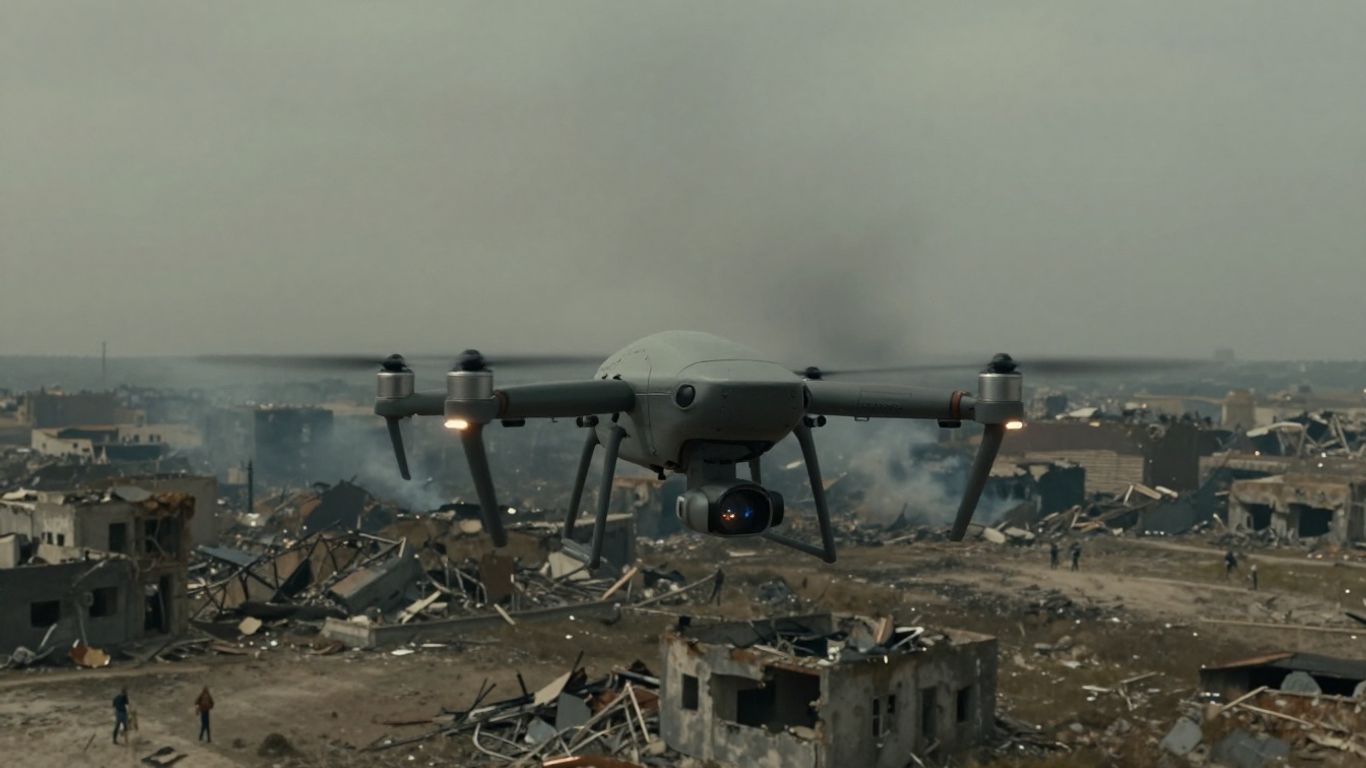
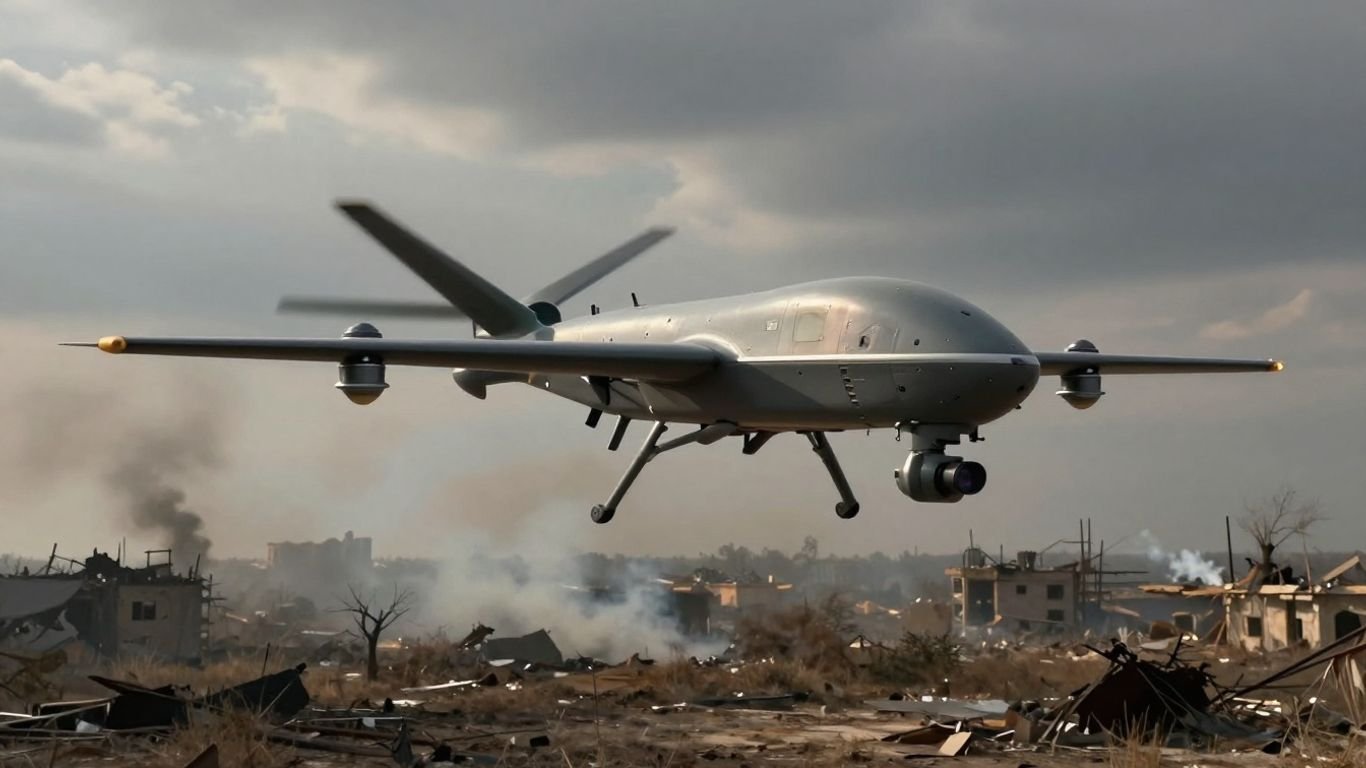
When we talk about drones in conflicts, it’s easy to get caught up in the ‘wow’ factor, but they really do bring some serious capabilities to the table. For starters, they’re amazing for keeping an eye on things. Think of them as the eyes in the sky that can stay put for ages, gathering intel without putting a pilot at risk. This means better reconnaissance and intelligence gathering, which is a huge deal for planning operations. The ability to loiter and observe for extended periods offers an unprecedented level of battlefield awareness.
Enhanced Reconnaissance And Intelligence Gathering
Drones can fly over areas for hours, sometimes days, capturing video, thermal imagery, and other data. This constant stream of information helps commanders understand enemy movements, identify potential threats, and map out terrain with a level of detail we haven’t seen before. It’s like having a live, high-definition feed from the front lines, all day long. This persistent surveillance is a game-changer for understanding what’s really going on.
Precision Targeting And Reduced Risk To Personnel
Beyond just watching, drones can also be used to pinpoint targets with incredible accuracy. This precision means that when a strike is necessary, it can be more focused, potentially reducing unintended harm. Plus, sending a drone to do a dangerous job means fewer soldiers are put in harm’s way. It’s a way to conduct operations with a lower risk profile for friendly forces. This is a big reason why you see them used so much in military operations.
Current Air Defence Effectiveness Against Drones
Now, it’s not all one-sided. While drones are impressive, current air defense systems are still pretty good at spotting and taking them down. It’s not like drones can just fly anywhere they please without consequence. However, this is a bit of a cat-and-mouse game. As drone tech gets better, so do the ways we try to stop them. It’s a constant evolution.
Here’s a quick look at how they stack up:
- Reconnaissance: Excellent, persistent, and detailed.
- Targeting: High precision possible.
- Personnel Risk: Significantly reduced for operators.
- Countermeasures: Air defense systems are still a significant challenge.
The constant presence of drones, even if just heard or seen, can really mess with people’s heads. It creates this feeling of always being watched, always being vulnerable. This psychological impact is something we can’t ignore when we talk about the full picture of drone warfare.
Limitations To Consider
Despite their strengths, drones aren’t perfect. Image quality can sometimes be a problem, especially with older or cheaper models. This can make it tough to tell friend from foe, or to properly assess if an attack is proportional. Also, a drone that misses its target or malfunctions can become a hazard itself. And let’s not forget the psychological toll their constant buzzing can have on civilians just trying to live their lives.
The Proliferation Of Drone Surveillance To Non-State Actors
It’s not just the big armies getting in on the drone action. We’re seeing a massive jump in how often smaller groups, the ones without all the fancy military gear, are using these flying gadgets. Think about it: a drone can be a game-changer when you’re up against a much stronger opponent. It lets you scout around, maybe even drop something, without risking your own people directly. This is a big deal in what they call asymmetric warfare, where the underdog tries to level the playing field.
Empowering Weaker Parties In Asymmetric Warfare
These groups, often rebels or resistance fighters, are finding drones to be a pretty effective tool. They can’t match a national army in a straight fight, but a drone can extend their reach and make things a lot more complicated for the other side. It’s a way to fight back when you don’t have tanks or fighter jets. The ability to conduct reconnaissance and intelligence gathering becomes much more accessible.
Ease Of Access And Operation For Rebel Groups
What’s really fueling this is how easy it’s become to get and use drones. You don’t need a pilot’s license or years of training anymore. Many groups are just ordering parts online, watching some videos, and putting them together. It’s like building a complex model airplane, but with a real-world impact. This low barrier to entry means more groups can get involved.
Here’s a look at how the numbers have changed:
| Actor Type | 2018 | 2023 | Percentage Increase |
|---|---|---|---|
| States | 16 | 40 | 150% |
| Non-State Groups | 6 | 91 | Over 1,400% |
Lethal Effectiveness In Terrorist Attacks
And it’s not just about spying or causing a nuisance. Drones have been used with deadly results. We’ve seen attacks where explosive-laden drones have caused significant casualties, hitting military gatherings and other sensitive locations. It’s a scary thought that these relatively simple machines can be turned into such potent weapons.
The speed at which non-state actors are adopting drone technology is outpacing traditional military capabilities. This shift presents new challenges for security forces and international bodies trying to maintain stability and protect civilians.
This trend is definitely changing the landscape of conflicts, making it harder to predict who might be a threat and how they might strike. It’s a whole new ballgame out there.
Impacts Of Drone Surveillance On Civilian Populations
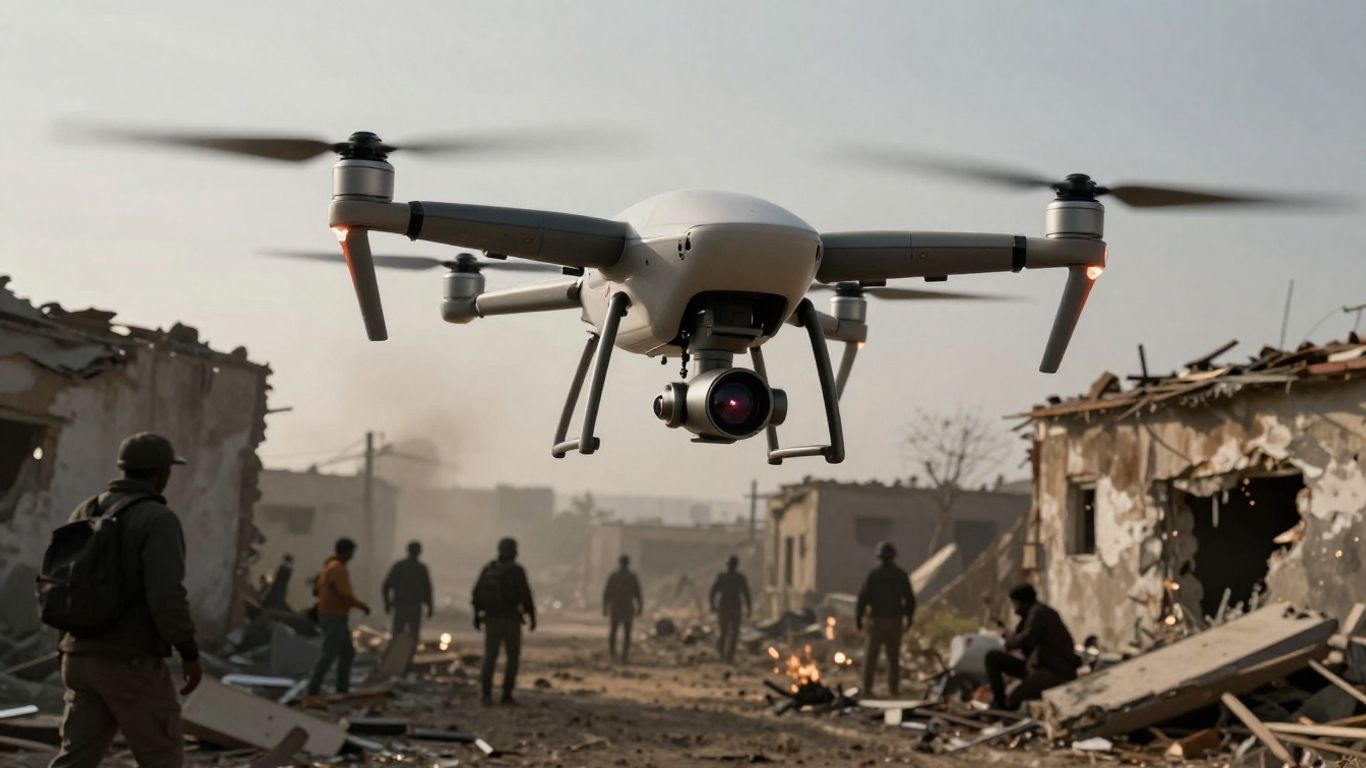
It’s not just about the big picture military stuff; drones really change things for regular people caught in conflict zones. The constant buzz overhead, the sudden strikes – it creates a kind of persistent dread. This isn’t just about the immediate danger, but the long-term psychological wear and tear. People can’t sleep well, they’re always on edge, wondering if today’s the day their home or neighborhood gets hit. It makes everyday life incredibly difficult, affecting everything from going to school to just trying to get groceries.
Increased Civilian Casualties And Psychological Toll
The presence of drones, especially smaller, cheaper ones like FPV drones, has unfortunately led to more civilian harm. These drones, sometimes flown by operators with minimal training, can be hard to distinguish from other objects, and their cameras might not always provide a clear enough view to tell friend from foe, or civilian from combatant. This ambiguity increases the risk of mistakes. Beyond the physical danger, the psychological impact is huge. Imagine hearing that drone sound constantly, day and night. It’s a feeling of being constantly watched and vulnerable. This can really mess with people’s heads, leading to anxiety and stress that lasts long after the immediate threat is gone. It’s a different kind of suffering, but just as real.
Threats To Humanitarian Aid Delivery
Delivering aid is already tough in conflict areas, and drones add another layer of complication. We’ve seen a big jump in incidents where aid operations are affected by drones. It’s not always direct attacks, but sometimes the threat alone is enough to make aid groups pause or even stop their work. This means people who desperately need food, medicine, or shelter might not get it. It’s a real shame because drones could potentially help deliver aid, but the problem is telling a friendly aid drone from a military one. They can look pretty similar, and that confusion can put aid workers and the people they’re trying to help at risk. This whole situation makes it harder for humanitarian efforts to reach those most in need.
Challenges In Distinguishing Combatant From Humanitarian Drones
This is a big one. How do you tell if that drone buzzing overhead is delivering medicine or dropping a bomb? Right now, it’s really difficult. Commercial drones, which are often used for humanitarian purposes, can look a lot like military drones. This lack of clear identification creates mistrust and can lead to dangerous situations. Aid organizations are trying to find ways to mark their drones, but it’s not always foolproof. This confusion can lead to aid convoys being delayed or even targeted, which is the last thing anyone wants. It’s a problem that needs a serious solution so that aid can get through safely. The international community is looking at ways to improve identification systems, but it’s a slow process. It’s a complex issue with no easy answers, but one that directly impacts the safety and well-being of civilians in war zones.
Accountability And Regulation Of Drone Surveillance
It’s getting pretty complicated trying to figure out who’s responsible when drones are used in conflicts. With operators often miles away, and sometimes even in different countries, pinning down blame after a strike isn’t straightforward. The sheer number of drone types and actors involved makes tracking and investigating civilian harm a real headache.
Complications In Attribution And Accountability
Think about it: a drone strike happens, but who actually pulled the trigger? Was it the person controlling the drone, their commander, the country that supplied the drone, or maybe even the company that built it? It’s not always clear. Drones can be used secretly, and sometimes far from where the main fighting is, which really muddies the waters when it comes to figuring out who did what. This lack of clarity makes it tough to hold anyone accountable, and it means victims might not get the justice or compensation they deserve. It’s a big problem that needs sorting out.
Need For Shared Norms And International Law Compliance
We really need countries to get on the same page about how drones should be used. Right now, it feels like a free-for-all, with some nations prioritizing military gains over civilian safety. Developing common rules, based on existing international laws that protect people in war, is a good start. This means everyone agrees on what’s acceptable and what’s not. It’s about making sure that even with new technology, the basic rules of war still apply to protect lives.
- States need to agree on common guidelines for drone use.
- These guidelines must align with international humanitarian law.
- There should be clear processes for investigating drone strikes that cause civilian harm.
Improving Identification Systems For Civilian Protection
One of the biggest issues is telling the difference between a drone used for good, like delivering medicine, and one used for fighting. They can look pretty similar. This confusion puts aid workers and civilians at risk. We need better ways to mark and identify drones so that everyone knows which is which. This could involve special signals or visual markers that are easy to spot.
The rapid spread of drone technology means that the rules and systems we have in place are struggling to keep up. Without clear international agreement and better ways to identify different types of drones, civilian populations will continue to bear the brunt of this evolving conflict dynamic. It’s a race against time to establish safeguards before the technology outpaces our ability to control its impact.
The Future Of Drone Surveillance In Warfare
It’s pretty clear that drones aren’t going anywhere in conflicts. In fact, things are only going to get more intense.
Shift Towards Autonomous Systems
Right now, most drones are still flown by people. But that’s changing fast. We’re seeing a big push towards drones that can make more decisions on their own, using AI. This could mean faster reactions on the battlefield, but it also brings up some serious questions about who’s in charge when things go wrong. The move towards autonomous drones is probably the biggest shift we’ll see in the coming years.
Continued Growth In State And Non-State Usage
We’ve already seen drone attacks jump by a crazy amount, like 4,000 percent between 2020 and 2024. And it’s not just big armies using them. Rebel groups and even terrorist organizations are getting their hands on them. It’s becoming easier and cheaper to get these things, so expect both governments and smaller groups to keep using them more and more.
Here’s a look at how usage has grown:
- 2020: A few thousand drone attacks reported.
- 2023: Around 4,500 attacks.
- 2024: Nearly 20,000 attacks recorded.
Evolving Role In Military Operations And Security Strategies
Drones are becoming way more than just flying cameras. They’re being used for everything from scouting and gathering intel to precision strikes. Militaries are figuring out new ways to use them in their overall plans. Think about how they’re being used in Ukraine – not just for surveillance, but for hitting targets deep behind enemy lines and even in naval operations. It’s changing how wars are fought and how security is thought about.
The way drones are being used is changing so quickly that countries are still trying to catch up. If we don’t figure out how to manage the risks and protect people, this technology could end up making suffering in wars a lot worse and more widespread.
It’s a complicated picture, for sure. We’re seeing more drones, smarter drones, and drones in more hands than ever before. It’s going to be interesting, and probably a little scary, to see where it all leads.
Looking Ahead: The Unfolding Story of Drones in Conflict
So, where does all this leave us? It’s pretty clear that drones aren’t just a passing trend in global conflicts; they’re here to stay and likely to become even more common. We’ve seen how they’ve changed the game for both big armies and smaller groups, making warfare more complex and, frankly, scarier for everyday people. The big challenge now is figuring out how to manage this technology. We need to find ways to make sure these drones are used responsibly, following the rules of war and, most importantly, protecting civilians. It’s a tough problem, especially with how cheap and easy these things are to get now. Without some serious international effort to set clear rules and make sure people are held accountable, this technology could end up causing a lot more suffering. It’s a race against time to get a handle on this before it gets even more out of control.
Frequently Asked Questions
Why are drones being used more in wars now?
Drones are being used a lot more in wars because they’ve gotten cheaper and easier to get. Big military drones used to cost millions, but now small ones you can buy online are deadly when you add explosives. This means not just big armies, but also smaller groups and even terrorists can use them to spy or attack.
Are drones really changing how wars are fought?
Yes, drones are changing wars a lot. They let armies see what’s happening without risking soldiers’ lives. They can also attack targets very precisely. For weaker groups, drones are a way to fight back against stronger enemies, making wars more complicated.
Do drones hurt regular people caught in wars?
Sadly, yes. Drones can accidentally hit people who aren’t fighting, and sometimes they are used on purpose to scare or hurt civilians. The constant fear of drones flying overhead can be very stressful and scary for people living in war zones, affecting their sleep and mental health.
Can current defenses stop drones?
Right now, many air defense systems can still spot and shoot down drones. However, drones are getting better and more advanced all the time. So, while they aren’t always a guaranteed win for the side using them, their use is still growing fast.
Who is responsible if a drone strike hurts civilians?
It’s becoming harder to figure out who is responsible when a drone strike goes wrong. Many different groups can use drones now, and they can sometimes be used secretly. This makes it tough to track who did it and hold them accountable, especially when it comes to protecting people.
Will drones be even smarter in the future?
Yes, the future of drones in war looks like they will become more independent. Instead of people controlling them all the time, they might use artificial intelligence to make decisions. This could make them even more effective but also potentially more dangerous for civilians if not carefully managed.
![[Prince Andrew] looking somber, stripped of royal titles.](https://countrybrief.com/wp-content/uploads/2025/10/thumbnail-76-768x432.jpeg)