
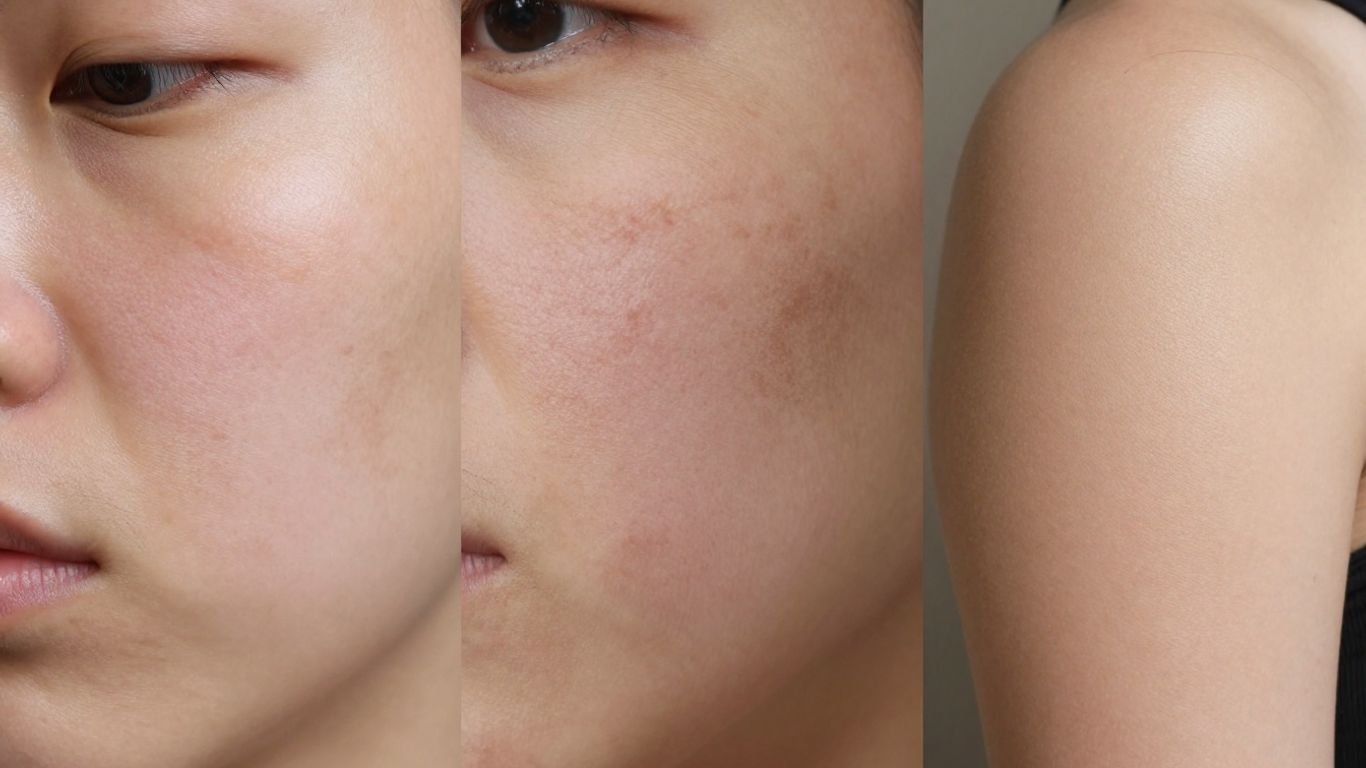
Effective Hyperpigmentation Treatments Tailored for Mixed Skin Tones
Dealing with dark spots and uneven skin tone can be a real pain, especially when you have mixed skin tones. It’s like, one minute your skin looks pretty good, and the next, you’ve got these stubborn patches that just won’t budge. Figuring out what actually works without making things worse can feel like a maze. This article is all about breaking down how to tackle hyperpigmentation for mixed skin tones, from what you put on your face every day to when you might need to see a pro. We’ll cover the basics and get into some more specific treatments that are known to be effective, keeping in mind that darker complexions can sometimes react a bit differently.
Key Takeaways
- Hyperpigmentation for mixed skin tones needs a careful approach, as darker complexions can be more prone to issues like post-inflammatory hyperpigmentation.
- A solid daily skincare routine involving gentle cleansing, proper hydration, and sun protection is the foundation for managing dark spots.
- Ingredients like Vitamin C and Niacinamide are great for brightening and unifying skin tone, while retinoids can help with skin renewal.
- Professional treatments like chemical peels and laser therapy can be effective, but it’s vital to seek practitioners experienced with darker skin tones to avoid adverse reactions.
- Consistency in treatment and prevention, especially with daily sunscreen use, is the most reliable way to achieve and maintain an even complexion.
Understanding Hyperpigmentation for Mixed Skin Tones
The Nature of Hyperpigmentation in Deeper Complexions
Hyperpigmentation, those pesky dark spots, can be a real headache, especially for folks with mixed or deeper skin tones. It’s basically when your skin makes too much melanin, the stuff that gives your skin its color. Because darker skin has more melanin to begin with, these spots can really stand out. It’s not just about looks, though; it can be a sign that your skin has been through something, like an injury or inflammation. We need to be smart about how we handle it, not just slap on any old cream.
Common Causes and Triggers for Darker Skin
So, what causes these dark patches? A lot of things, really. Sun exposure is a big one, even if you don’t burn easily. Acne is another major culprit; after a pimple clears up, it can leave a dark mark behind. Even minor scrapes or irritation from harsh products can trigger it. Hormonal changes, like during pregnancy or from certain medications, can also play a role, leading to conditions like melasma. It’s a complex issue, and understanding the root cause is half the battle.
Recognizing Different Types of Pigmentation Issues
It’s not all the same, you know. You’ve got your sunspots, which are usually from too much sun over the years. Then there’s post-inflammatory hyperpigmentation, or PIH, which is what happens after your skin gets irritated or injured – think acne scars. Melasma is another beast, often showing up as larger patches, especially on the face, and it’s linked to hormones. Freckles are genetic, and while they’re not really a problem, they can sometimes be mistaken for other types of pigmentation. Knowing what you’re dealing with helps figure out the best way to fix it.
Treating hyperpigmentation on darker skin requires a careful approach. What works for one person might not work for another, and some treatments can even make things worse if not done correctly. Patience and the right strategy are key.
Essential Skincare Regimens for Even Skin

Getting your skin tone to look uniform and clear isn’t about complicated routines or expensive potions. It’s about sticking to a few solid steps that actually work, especially when you’ve got deeper or mixed skin tones that can be prone to showing dark spots.
Gentle Cleansing to Preserve Natural Moisture
First things first, you need to clean your face without stripping it bare. Harsh soaps can mess with your skin’s natural oils, leaving it dry and irritated, which can actually make hyperpigmentation worse. Look for a cleanser that’s mild, maybe a gel or a cream formula. It should get rid of dirt and grime without leaving your skin feeling tight or squeaky clean. Think of it as a gentle wipe-down, not a scrub-down. This helps keep your skin’s natural moisture barrier intact, which is important for keeping everything balanced.
Daily Hydration and Protective Measures
After cleansing, you’ve got to put some moisture back in. Dry skin doesn’t look good on anyone, and for darker complexions, it can make uneven tone stand out more. A good moisturizer will keep your skin feeling soft and looking healthy. Don’t forget about sun protection. Even though darker skin has more melanin, it can still get sun damage, which leads to more dark spots. A broad-spectrum sunscreen with at least SPF 30 is a must, every single day. Find one that doesn’t feel greasy or leave a white cast. Protecting your skin from the sun is one of the most straightforward ways to prevent hyperpigmentation from getting worse. You can find some good options for daily protection at mussofi.com.
The Role of Serums in Unifying Complexion
Serums are where you can really target those stubborn dark spots and work on evening out your skin tone. These little bottles pack a punch with concentrated ingredients. Things like Vitamin C or niacinamide are great for brightening and calming the skin. They work to fade discoloration over time. Applying a serum after cleansing and before moisturizing is a good way to layer your treatments. It might take a bit of time to see results, but sticking with it is key. For more on serums that can help, check out advice on essential serums for an even skin tone.
Building a consistent skincare routine doesn’t have to be a chore. It’s about picking the right products and using them regularly. Small, consistent efforts yield the best results over time, so don’t get discouraged if you don’t see changes overnight. Patience and persistence are your best allies in the quest for clearer, more even skin.
Targeted Treatments for Stubborn Dark Spots
Alright, so you’ve got those stubborn dark spots that just won’t quit, even after you’ve been good about your skincare. It happens, especially with mixed skin tones where pigment can be a bit tricky. We need to bring out the heavy hitters, but we’ve got to be smart about it. Messing around too much can actually make things worse, so let’s talk about what actually works.
Exfoliating Acids: A Careful Approach
Exfoliating acids are like a controlled way to shed the top layer of skin where all that extra pigment is hanging out. Think of glycolic acid, salicylic acid, or lactic acid. They help speed up how fast your skin renews itself, which can fade those dark marks. But here’s the deal: you can’t just go wild with these. Too much, or using them too often, can irritate your skin, and irritation often leads to more dark spots. So, start slow, maybe once or twice a week, and see how your skin reacts. It’s about being gentle but persistent.
The Power of Vitamin C and Niacinamide
These two are like the dynamic duo for brightening things up. Vitamin C is a powerhouse antioxidant that helps block the stuff that makes dark spots in the first place and can even lighten existing ones. Niacinamide, which is basically Vitamin B3, is great because it calms inflammation and stops pigment from traveling to the skin cells. Together, they can really help even out your complexion without being too harsh. Using them consistently is the name of the game.
Harnessing Retinoids for Skin Renewal
Retinoids, which are derived from Vitamin A, are serious business when it comes to skin renewal. They tell your skin to make new cells faster and help break down that extra pigment. Prescription-strength ones like tretinoin can be really effective, but you absolutely have to be careful. They can cause dryness and peeling, especially at first. The smart move is to start with a low concentration and use it just a couple of nights a week, then slowly increase as your skin gets used to it. It’s a marathon, not a sprint, but the results can be worth it.
When you’re dealing with stubborn pigmentation, especially on mixed skin tones, the goal is to encourage your skin to shed the pigmented cells while preventing new ones from forming. It requires a balanced approach, using ingredients that are effective but also mindful of your skin’s sensitivity. Rushing the process or using overly aggressive treatments can backfire, leading to more discoloration and frustration. Patience and the right combination of treatments are key to achieving a more even and clear complexion.
Professional Interventions for Hyperpigmentation
Chemical Peels: Precision and Safety
When you’re dealing with stubborn dark spots, sometimes you need to bring out the heavy artillery. Chemical peels are one of those options. They work by using a special solution to basically shed the top layer of your skin. Underneath that old, pigmented skin, you get fresh, more even-toned skin. It sounds pretty straightforward, right? Well, for those of us with deeper complexions, we have to be extra careful. Some peels, especially the stronger ones like glycolic or TCA, can actually make hyperpigmentation worse if they’re not handled right. That’s why finding someone who actually knows how to treat darker skin tones with peels is non-negotiable. They’ll pick the right kind of peel and the right strength for you, and they’ll know how to prep your skin beforehand and what to do afterward to keep things from getting inflamed and causing more spots.
Laser Therapies: Expert Application for Darker Skin
Lasers are another big player in the hyperpigmentation game. The idea here is to target the extra melanin that’s causing the dark spots and break it down. There are different kinds of lasers, some that just encourage your skin to make more collagen and others that specifically go after the pigment without messing up the surrounding skin. They can be really effective for things like sunspots or those deeper patches of discoloration. But, and this is a big ‘but’, you absolutely need someone who’s done this a lot, especially on darker skin. Using the wrong laser or the wrong settings can easily lead to more problems, like more dark spots or even burns. It’s not something to mess around with.
Microneedling for Enhanced Cell Turnover
Microneedling is a bit different. It involves using tiny needles to create little injuries in your skin. Now, don’t let that scare you – it’s controlled! The point is to get your skin to kick into repair mode, which means producing more collagen and speeding up how fast your skin cells turn over. This can help fade those dark marks over time. Sometimes, they’ll even use it along with things like Vitamin C or other brightening serums to help them sink in better and work faster. It’s a good option for getting your skin to refresh itself and even out the tone.
Preventative Strategies and Long-Term Care

Look, keeping your skin looking good long-term isn’t just about fixing problems after they pop up. It’s about being smart and consistent. You’ve got to protect what you’ve got, especially if you’re dealing with hyperpigmentation. It’s a marathon, not a sprint, and a good defense is your best offense.
The Non-Negotiable Importance of Sunscreen
Seriously, if you skip this, you’re undoing all your hard work. Sunscreen isn’t just for beach days; it’s a daily must-have. Those UV rays are sneaky, and they’ll darken existing spots and create new ones, no matter your skin tone. For mixed skin tones, this is even more important because darker complexions can be more prone to post-inflammatory hyperpigmentation, which the sun can easily make worse. You need a broad-spectrum SPF 30 or higher, and you need to wear it every single day. Don’t just slap it on and forget it, either. Reapply if you’re out for a long time or sweating. It’s the single most effective way to keep hyperpigmentation from getting out of control. Think of it as your daily shield against further damage. Protecting your skin from the sun is a key part of any good skincare routine daily sunscreen use.
Avoiding Skin Trauma and Irritation
Anything that irritates or damages your skin can trigger more pigment production. This means being gentle. Stop picking at blemishes or scabs – that’s a fast track to dark marks. Be careful with harsh scrubs or over-exfoliating, especially if you’re using strong treatments. Even tight clothing or rough towels can cause friction that leads to discoloration over time. Pay attention to how your skin reacts to new products. If something stings or makes you red, back off. Your skin needs to be treated with respect, not like a scrub brush.
Consistency is Key for Lasting Results
This is where most people fall off the wagon. You start a new routine, you see some improvement, and then you slack off. Big mistake. Hyperpigmentation is stubborn, and keeping it at bay requires ongoing effort. You can’t just treat it for a month and expect it to stay gone forever. You need to stick with your gentle cleansing, your daily hydration, your targeted treatments, and most importantly, your sunscreen. It might feel like a lot at first, but once it becomes habit, it’s just part of your day. Think of it like going to the gym; you don’t get fit by going once. You have to show up regularly. This consistent care is what prevents new spots from forming and keeps existing ones from returning, giving you that even skin tone you’re working towards.
Seeking Expert Guidance for Hyperpigmentation
Why Consulting a Dermatologist is Crucial
Look, dealing with dark spots and uneven skin tone can be a real headache. You try all sorts of things, hoping for a miracle, but sometimes you just end up more frustrated. That’s where a good dermatologist comes in. They’re the ones who really know what’s going on under the surface, especially when it comes to different skin tones. Trying to figure it out yourself is like trying to fix a complex engine without any tools – you might make things worse.
Choosing Practitioners Experienced with Skin of Color
This is a big one. Not all doctors are created equal when it comes to treating hyperpigmentation, particularly on darker skin. Some treatments, like certain lasers or strong chemical peels, can actually cause more problems if they’re not handled by someone who knows what they’re doing with melanin-rich skin. You need someone who understands the nuances, someone who has seen it all before and knows how to avoid making things worse. It’s about finding a professional who has a track record with people who look like you. Think of it like getting your hair done; you wouldn’t go to just anyone, right? You want someone who knows your hair type. The same applies here. It’s worth doing a little digging to find a practitioner experienced in treating skin of color. You can often find this information on their website or by asking around. A good place to start looking for advice might be online communities focused on skincare for people of color.
Tailoring Treatments to Your Unique Needs
What works for one person might not work for another, and that’s especially true with hyperpigmentation. Your skin type, the cause of your dark spots, and how sensitive your skin is all play a role. A dermatologist can look at all these factors and put together a plan that’s just for you. They might suggest a combination of treatments, like a specific serum to use at home along with a professional procedure. They’ll also tell you what to expect and how to take care of your skin afterward to get the best results and avoid any setbacks. It’s not a one-size-fits-all situation, and getting that personalized approach is key to actually seeing improvement.
Here’s a quick look at why a professional opinion matters:
- Accurate Diagnosis: They can tell you exactly what type of hyperpigmentation you have (melasma, sun spots, post-inflammatory, etc.).
- Safe Treatment Options: They know which treatments are safest and most effective for your specific skin tone.
- Personalized Plan: They create a regimen tailored to your skin’s needs and your goals.
- Monitoring Progress: They can track your results and adjust the treatment as needed.
Don’t underestimate the power of professional advice. It can save you time, money, and a lot of frustration in the long run. Getting it right the first time is always the best strategy.
Wrapping It Up
Look, dealing with dark spots and uneven skin tone can be a real pain, especially when you’ve got mixed skin. We’ve talked about how different treatments work and, honestly, some can be tricky if you’re not careful. The big takeaway here is that you can’t just grab any old cream off the shelf and expect miracles. You really need to pay attention to what works for your specific skin. Sometimes that means going gentle, other times it might mean seeing a pro who actually knows what they’re doing with darker complexions. Don’t forget the sunscreen, either – that’s non-negotiable. It takes time, sure, but getting your skin looking right is worth the effort. Just be smart about it, do your homework, and don’t be afraid to ask for help from someone who knows their stuff.
Frequently Asked Questions
What exactly is hyperpigmentation, and why does it show up more on some skin tones?
Hyperpigmentation is when patches of skin get darker than the rest. This happens because your skin makes too much melanin, which is the stuff that gives your skin its color. People with darker skin tones have more melanin, so when their skin gets a little hurt or irritated, it can make even more melanin, leading to darker spots.
What are the most common reasons people get dark spots?
Lots of things can cause dark spots! Spending too much time in the sun without protection is a big one. Acne can leave dark marks after a pimple heals. Sometimes, changes in your body, like during pregnancy, can cause them too. Even just scratching or irritating your skin can lead to darker patches.
Are certain treatments risky for darker skin tones?
Yes, some treatments can be tricky for darker skin. Things like strong lasers or harsh chemical peels, if not done carefully by someone who knows darker skin, can sometimes make the dark spots even worse. It’s super important to find a doctor or skin expert who has experience with different skin colors.
What are some gentle ways to start treating dark spots at home?
You can start by being really gentle with your skin. Use mild cleansers and moisturizers. Ingredients like Vitamin C and Niacinamide are great because they help brighten skin and reduce dark spots without being too harsh. Always wear sunscreen every day, even when it’s cloudy!
How long does it usually take to see a difference in dark spots?
It takes patience! For at-home treatments, you might start seeing small changes after a few weeks, but it can take a few months for more noticeable results. Professional treatments might work faster, but it still takes time for your skin to heal and even out.
Is it always necessary to see a doctor for hyperpigmentation?
While some mild spots might fade with at-home care, it’s a really good idea to see a dermatologist, especially if you have darker skin. They can figure out exactly what’s causing your dark spots and recommend the safest and most effective treatments for your specific skin type and tone, helping you avoid making things worse.