
Unlock Your Best Look: Essential Mixed Race Makeup Tips for Every Skin Tone
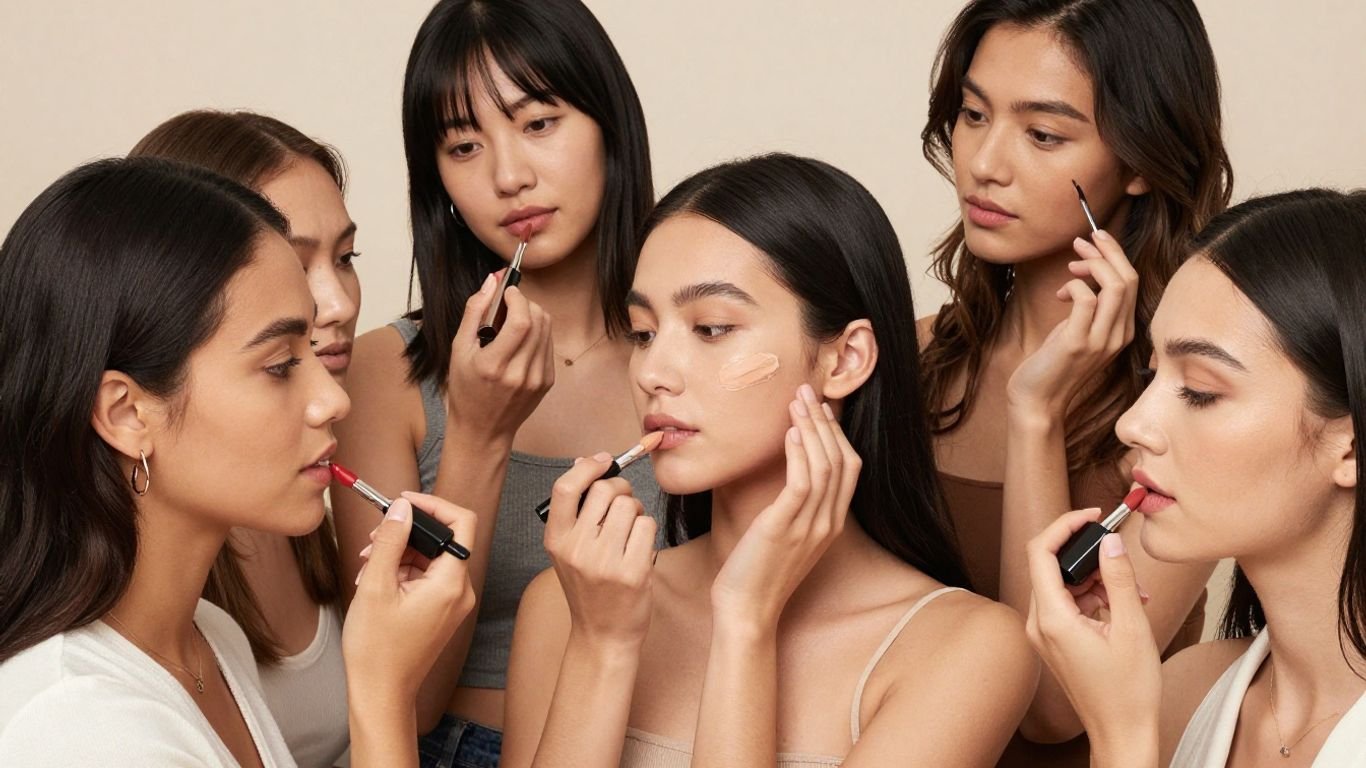
Figuring out makeup when you have mixed-race heritage can feel like a whole different ballgame. It’s not always easy to find guides that really get what works for diverse skin tones and undertones. I’ve been there, trying products that just don’t seem to get along with my skin, leaving me looking a bit… off. This article is all about sharing some simple, practical Mixed Race Makeup Tips that celebrate your unique features and help you feel great, no matter your skin tone.
Key Takeaways
- Finding the right foundation and concealer shades starts with understanding your unique undertone, whether it’s warm, cool, or neutral, to avoid ashy or unnatural looks.
- Blush, bronzer, and highlighter should be used to add warmth and dimension, enhancing your natural features rather than heavy contouring.
- Experiment with eyeshadows that complement your skin tone, and use eyeliner and mascara to define your eyes softly.
- Lipstick and lip liner choices should consider your natural lip color and undertone; ‘nude’ shades vary greatly, and bold colors can look stunning on deeper skin tones.
- Setting your makeup and removing it thoroughly each night are important steps for longevity and skin health, especially in different climates.
Mastering Your Complexion: Foundation and Concealer Strategies
Getting your base right is pretty important, you know? It’s like the foundation of everything else you do with makeup. For us mixed-race folks, finding that perfect match can feel like a real quest. It’s not just about picking a color off the shelf; it’s about understanding what works with your unique skin.
Finding Your True Undertone: The Foundation of Flawless Application
This is where a lot of people get tripped up. Your undertone isn’t the same as your surface color. Think of it as the subtle hue underneath – is it warm (yellow, golden), cool (pink, blue), or neutral (a bit of both)? For mixed-race skin, undertones can be really complex. Sometimes you might look one way in certain light and another way in different lighting. The best way to figure this out is to look at your veins. If they look more green, you’re likely warm. Blue or purple means cool. If you can’t quite tell, or they look a mix, you’re probably neutral. This little detail makes a huge difference when you’re picking out foundation and concealer, stopping that ashy or orange look before it even starts.
Don’t just trust the lighting in the makeup aisle. It can be super deceiving. Always try to test shades on your jawline in natural daylight. If it disappears into your skin after a minute, that’s usually a good sign you’ve found a winner.
Selecting Foundation Shades That Complement, Not Conceal
Once you know your undertone, picking a foundation gets a lot easier. The goal isn’t to cover up your skin, but to even it out and make it look like your skin, just better. For many mixed-race complexions, this means looking for shades that have a bit of warmth or golden tones, even if your surface skin looks lighter. Avoid foundations that look too pink or too yellow on their own. Sometimes, you might even need two shades – one for your face and a slightly deeper one for your neck or if you get any sun. Blending is key here. Start in the middle of your face and work your way out. Using a damp sponge can give a really natural, skin-like finish.
Concealer Secrets for a Naturally Brightened Appearance
Concealer is great for targeting specific areas, like under the eyes or any blemishes. For dark circles, which can be common, a regular concealer might not be enough. You might need a color corrector first. A peachy or orange-toned corrector can cancel out blue or purple tones under the eyes before you even apply concealer. Then, choose a concealer that’s about one or two shades lighter than your foundation for the under-eye area to bring light there. For blemishes, use a concealer that matches your foundation exactly. Pat it on gently and blend the edges. The trick is to use just enough product to do the job, not so much that it looks heavy or cakey.
Enhancing Natural Beauty: Blush, Bronzer, and Highlight
Now that we’ve got your base looking solid, let’s talk about adding some life and dimension back into your face. This is where blush, bronzer, and highlighter come in, and honestly, they can make a world of difference. It’s not about heavy contouring or looking like you’re ready for a stage show; it’s about bringing out your best features in a way that looks natural and, well, you.
Strategic Blush Placement for a Healthy Glow
Blush is your secret weapon for looking healthy and awake. Forget those pale, chalky shades that can make anyone look washed out. For mixed race complexions, we often have beautiful warm undertones that can handle richer colors. Think about shades that mimic a natural flush, like a warm peach, a rosy pink, or even a deeper terracotta for richer skin tones. The placement is key. You want to apply it to the apples of your cheeks, blending upwards towards your temples. This lifts the face and gives you that healthy, just-came-in-from-the-cold look. Cream blushes often blend more naturally into the skin, giving a beautiful, dewy finish, especially on medium to deeper complexions. Powder blushes can offer more control and longevity, which is great if you have oily skin.
- Fair to medium skin with warm undertones: Try peachy or coral shades.
- Medium to tan skin: Terracotta or warm coral are usually winners.
- Deep skin tones: Rich berry, plum, or deep terracotta shades will really pop.
Bronzer for Warmth and Dimension, Not Heavy Contouring
Bronzer is fantastic for adding warmth and a sun-kissed look, but let’s be clear: it’s not about carving out new cheekbones. The goal is to mimic where the sun would naturally hit your face. Think about the tops of your forehead, your cheekbones, the bridge of your nose, and your chin. Choose a bronzer that has a warm, golden, or even slightly reddish undertone, depending on your skin. Avoid anything too grey or cool-toned, as it can look muddy on warmer complexions. Blend it out thoroughly with a fluffy brush so there are no harsh lines. It should look like a natural warmth, not a stripe of color. A good bronzer can make your whole face look more cohesive and alive.
When selecting bronzer, always consider your natural undertones. A shade that looks great on one person might look ashy or unnatural on another. It’s about enhancing your existing warmth, not creating a mask.
Highlighting Your Best Features with Subtle Radiance
Highlighter is the final touch that brings everything together. It catches the light and gives you that beautiful, lit-from-within glow. For mixed race skin tones, golden, champagne, or rose-gold highlighters often look stunning. They complement the natural warmth of the skin without looking stark or glittery. Apply it to the high points of your face: the tops of your cheekbones, your brow bone, the inner corners of your eyes, and a tiny bit on your cupid’s bow. You can use a powder, cream, or liquid highlighter, depending on the finish you want. Cream and liquid highlighters tend to give a more natural, dewy look, while powders can be a bit more intense. Remember, the aim is a subtle radiance, not to blind anyone with sparkle. A little goes a long way to add a natural glow.
- Apply to the tops of cheekbones.
- Dust lightly on the brow bone.
- Add a touch to the cupid’s bow.
- Consider the inner corner of the eye for brightness.
Eye-Catching Eyes: Defining Your Gaze
Eyes are often called the windows to the soul, and for good reason. They’re incredibly expressive, and a little makeup can go a long way in making them pop. For those with mixed heritage, you might have unique eye shapes or colors that deserve special attention. It’s about working with what you’ve got, not trying to change it into something it’s not.
Eyeshadow Palettes That Celebrate Diverse Skin Tones
Finding the right eyeshadow shades can feel like a treasure hunt, especially when you want colors that look good on your specific skin tone. Forget those generic palettes that leave some shades looking chalky or muddy. We’re talking about shades that bring out the natural warmth and depth in your eyes. For lighter complexions, think soft taupes, rosy browns, or even a gentle peach. If you have a medium tone, warm neutrals, golds, and bronzes are your friends. And for deeper skin tones, don’t shy away from rich coppers, burnt oranges, deep chocolates, or even vibrant jewel tones. The goal is to add dimension and make your eyes the star.
- Fair to light skin: Soft taupes, rosy browns, champagne shimmer, cool mauves, gentle peach.
- Light-medium to medium skin: Warm neutrals, gold, bronze, caramel browns, rose-golds.
- Tan to deep skin: Rich copper, burnt orange, terracotta, deep chocolate, jewel tones, high-impact metallics.
A good rule of thumb is to consider your undertone. If you lean warm, warmer shades will likely look best. If you’re cool, cooler tones will be more flattering. For neutral undertones, you have a bit more freedom.
Eyeliner Techniques for Softer, Defined Eyes
Eyeliner can be tricky. Too harsh, and it can make your eyes look smaller or closed off. The trick is to use it to define, not overpower. For a softer look, try using a dark brown or charcoal pencil instead of harsh black. Smudging a pencil liner along your upper lash line can create a lovely, diffused definition. You can also try tightlining – applying liner to the inside of your upper lash line – to make your lashes look fuller and your eyes more defined without an obvious line. If you’re going for a wing, keep it subtle and follow the natural upward curve of your eye. This approach works wonders for making your eyes look more open and awake, a technique that’s really popular in places like China.
Mascara Magic for Expressive, Open Eyes
Mascara is your best friend for making eyes look bigger and brighter. Always curl your lashes before applying mascara; it makes a huge difference. Apply one coat for everyday definition and a second for more volume and drama. If you live in a humid climate or tend to get watery eyes, a waterproof formula is a lifesaver. Don’t forget to wiggle the wand at the base of your lashes to build volume there, then sweep upwards. This simple step can make your eyes look so much more open and expressive, truly framing your gaze.
The Perfect Pout: Lipstick and Lip Liner Choices
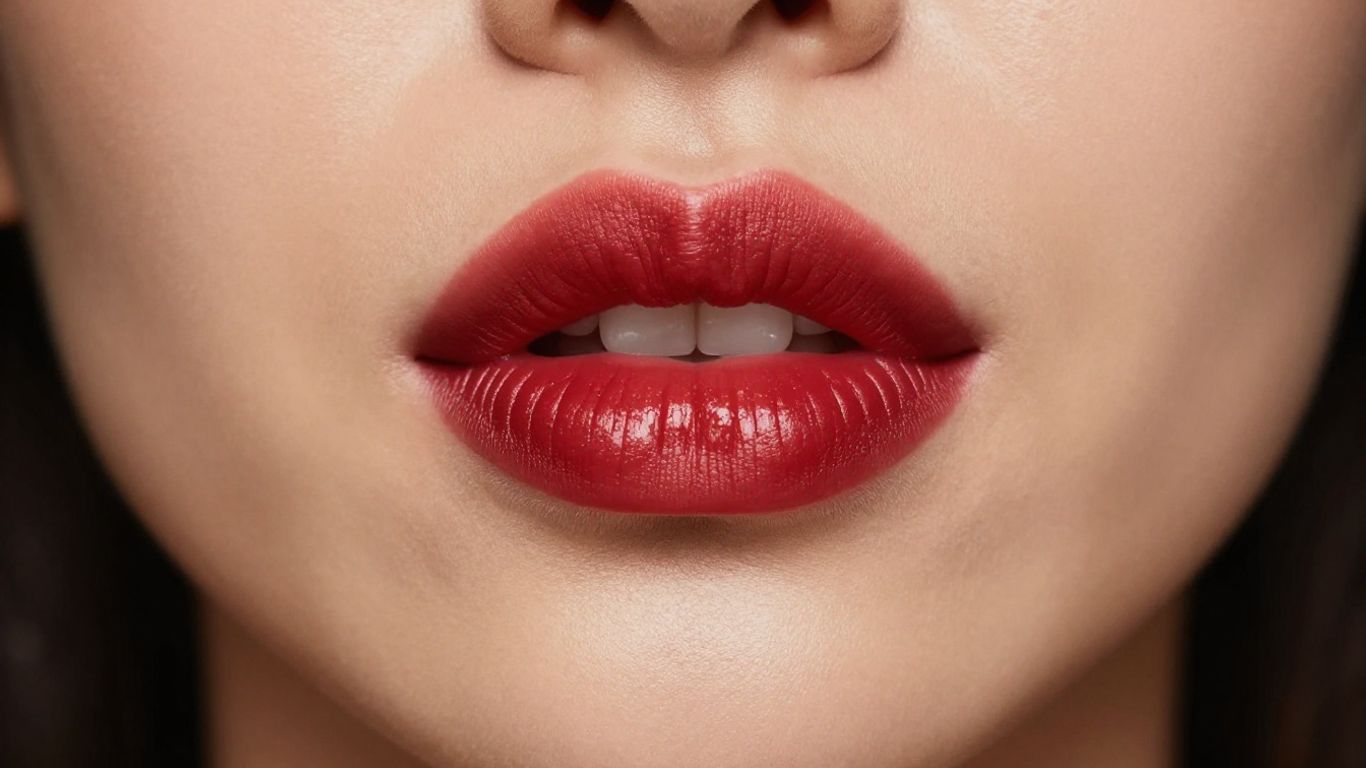
Finding the right lipstick can really change your whole look. It’s not just about slapping on some color; it’s about picking shades that work with your natural skin tone and undertones. For those of us with mixed heritage, this can sometimes feel a bit tricky, but it’s actually an opportunity to explore a wider range of beautiful colors.
Navigating Nude Lipsticks for Every Complexion
Forget the idea of a single “nude” lipstick. What looks natural on one person might wash out another. The key is to find a nude that complements your natural lip color and your skin’s undertone. For warmer complexions, think shades like warm mocha, caramel, or a dusty rose with a bit of brown. If you have cooler undertones, a rosy beige or a mauve-nude might be your best bet. The goal is a “your lips but better” look, not a “your lips but erased” look.
Bold Colors That Truly Shine on Deeper Tones
If you have deeper skin tones, don’t shy away from bold colors. Rich berries, deep wines, vibrant reds, and even chocolate browns can look absolutely stunning. These shades add depth and dimension, making your lips a beautiful focal point. For lighter to medium skin tones, a classic red or a bright coral can be incredibly striking and add a pop of energy to your face.
Achieving a Polished Lip with Liner and Balm
Lip liner isn’t just for creating sharp lines; it’s a great tool for making your lipstick last longer and preventing it from bleeding. Choose a liner that matches your lipstick shade or your natural lip color. A little trick is to lightly fill in your entire lips with the liner before applying lipstick – this creates a base that helps your color stay put.
- Prep your lips: Always start with smooth lips. A gentle scrub followed by a hydrating balm works wonders. Let the balm soak in before applying color.
- Line with intention: Use a liner to define your natural lip shape or slightly adjust it.
- Fill and blend: Apply your chosen lipstick, and if needed, use the liner to blend the edges for a seamless finish.
- Consider a balm: A touch of clear or tinted balm over matte lipstick can add a subtle sheen and comfort.
Essential Mixed Race Makeup Tips for Longevity
So, you’ve put in the effort to get your makeup looking just right, and now you want it to stay that way. Nobody wants their hard work melting off by lunchtime, especially when you’ve got a mix of undertones to manage. It’s about making sure your look holds up, no matter what the day throws at you.
Setting Your Makeup for All-Day Wear
This is where the magic happens to keep everything in place. After you’ve finished your base, eyes, and lips, it’s time to lock it all down. A light dusting of translucent powder, especially on your T-zone, can really help control shine and stop things from creasing. Just be careful not to go too heavy, or it can end up looking a bit chalky, which nobody wants. Then, a good spritz of setting spray from a distance helps everything meld together for a more natural finish. It’s the best way to stop your makeup from looking too “made up” or harsh in different lights.
Adapting Your Routine for Humid Climates
Living somewhere humid? Yeah, that’s a whole different ballgame. Heavy layers of makeup can turn into a patchy mess pretty quickly. On those really hot, sticky days, it’s better to switch to a lighter routine. Think a skin tint, a tinted lip balm, maybe some kajal, and definitely your SPF. You’ll feel fresher and look more put-together than if you tried to pile on the heavy stuff. It’s all about working with the weather, not against it. For serious skin prep, check out what dermatologists recommend for their own routines here.
The Importance of a Thorough Evening Removal
And when the day is done, don’t even think about going to bed with your makeup on. Seriously. It clogs your pores, makes your skin age faster, and can make any dark spots or uneven tone you have even worse. Make it a habit: micellar water or a gentle cleansing balm, followed by your regular cleanser, every single night. Your skin will thank you for it later. It’s a simple step, but it makes a huge difference in the long run for keeping your complexion clear and ready for the next day’s application.
Embracing Your Unique Features: A Celebration of Diversity
Look, makeup is supposed to be fun, right? It’s a way to express yourself, to play around, and to feel good. And when you’ve got a mixed heritage, you’ve got a whole world of inspiration to draw from. It’s not about trying to look like someone else, or changing who you are. It’s about taking what you like from different styles and making it your own. Think of it like this: you wouldn’t wear a suit that doesn’t fit, would you? Same idea with makeup. You want it to fit you.
Celebrating Natural Features Over Heavy Alteration
Sometimes, the best approach is to just work with what you’ve got. Instead of trying to cover up or drastically change your features, focus on bringing out what makes you, you. For example, if you have beautiful, naturally full lips, a simple lip liner and a touch of balm might be all you need. Or if your eyes have a unique shape, a subtle liner that follows that natural curve can be far more striking than a heavy, artificial wing. The goal is to look like a polished version of yourself, not a completely different person. It’s about accentuating your natural beauty, not masking it.
Drawing Inspiration Respectfully from Global Trends
It’s totally fine to see a makeup trend from another part of the world and think, “Wow, I like that!” The key is to do it thoughtfully. If you see a technique that looks great on a different skin tone or eye shape, ask yourself how you can adapt it. Maybe a bold color that looks amazing on someone else can be toned down for your everyday look, or perhaps a soft blending technique can be applied with shades that complement your undertones. It’s about appreciation, not imitation. For instance, if you admire the soft, diffused eyeshadow looks popular in some Asian beauty trends, try it with colors that make your eyes pop, rather than just copying the exact shades. It’s about making it work for your face.
Confidence Through Intentional Makeup Choices
Ultimately, makeup is a tool for confidence. When you make choices that are right for your skin tone, your features, and your personal style, you just feel better. It’s about being deliberate. Instead of just slapping on whatever you think is popular, take a moment to consider what actually looks good on you. This might mean trying out a few different shades of lipstick until you find that perfect “your lips but better” color, or experimenting with blush placement to see what gives you that healthy, natural flush. When your makeup feels authentic to you, that confidence shines through. It’s not about following rules; it’s about understanding what makes you feel your best and owning it.
Final Thoughts
So there you have it. We’ve gone over a bunch of ways to make makeup work for you, no matter what your background is. It’s not about following some strict set of rules, but more about figuring out what looks good on your own face. Don’t be afraid to try things out and see what makes you feel your best. At the end of the day, makeup is just a tool to help you feel more confident and present yourself the way you want to. Go out there and own your look.
Frequently Asked Questions
What’s the most important thing to consider when choosing foundation for mixed-race skin?
The biggest thing is finding your true undertone. Mixed-race skin can have tricky undertones, like a mix of warm and cool. Looking at the veins on your wrist in natural light can help – greenish veins usually mean warm, blue-purple means cool, and a mix means neutral. Getting this right stops foundation from looking ashy or orange.
How can I make my blush look natural?
Instead of just slapping it on, think about where the sun naturally warms your face. Apply blush to the apples of your cheeks and blend it upwards towards your temples. This gives a healthy glow that looks like it’s coming from within, making your skin look alive and dimensional.
What are the best eyeshadow colors for diverse skin tones?
It really depends on your specific skin tone and undertone! For lighter skin, soft browns, rosy tones, or champagne can be great. Medium skin often looks amazing with gold, bronze, or caramel shades. Deeper skin tones can rock rich coppers, deep chocolates, or even jewel tones. The goal is to make your eyes pop, not clash with your skin.
Are there specific lipstick shades that work best for mixed-race complexions?
Absolutely! For nudes, forget the one-size-fits-all idea. Look for shades that match your natural lip color and undertone. Warm undertones might love caramel or terracotta nudes, while cool undertones might prefer rosy beige or mauve. Bold colors like deep berries, reds, or even bright oranges can look stunning on deeper complexions.
How do I keep my makeup looking good, especially in humid weather?
In hot, sticky weather, less is often more. Instead of heavy foundation, try a skin tint or tinted moisturizer. A light dusting of powder on your T-zone helps control shine, and a setting spray can help everything meld together. On super humid days, a simple routine with SPF, a bit of kajal, and lip balm might be best.
Is it okay to try makeup trends from different cultures?
Yes, it’s great to be inspired by different beauty trends! The key is to do it respectfully. Think of it as adding new techniques to your personal style, not trying to copy someone else or change who you are. Makeup is all about expressing yourself and feeling confident, so have fun experimenting!