Beyond Trends: Why Inclusive Beauty Products Are the Future
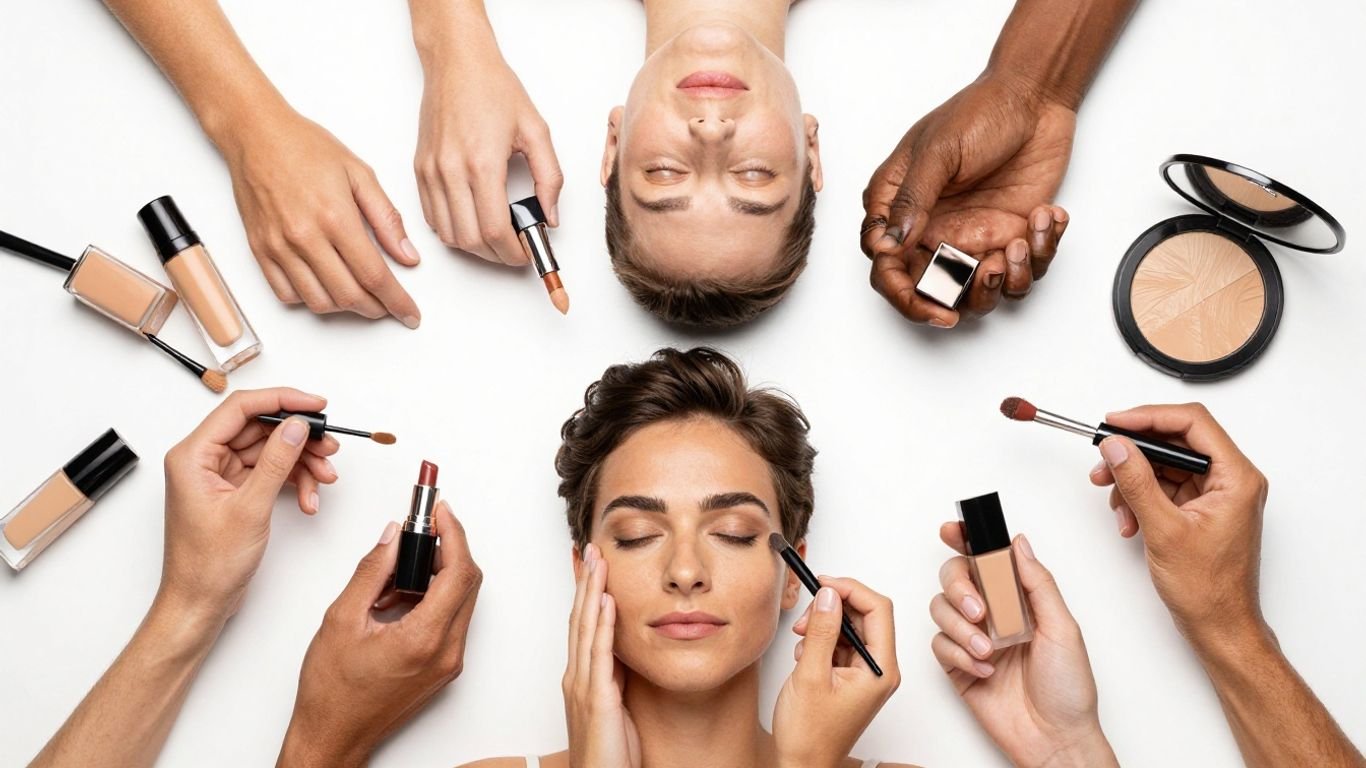
It feels like forever ago that beauty brands only seemed to care about a very specific look. You know the one – the narrow mold that left so many people out. But things are changing, and fast. Consumers are speaking up, demanding products that actually work for them, and brands are finally starting to listen. This isn’t just about following a trend; it’s about making beauty a space where everyone feels seen and celebrated. Inclusive beauty products are no longer a niche idea; they are becoming the standard, and for good reason.
Key Takeaways
- The beauty industry is moving away from old, narrow beauty standards towards a more diverse and representative approach, driven by what consumers are asking for.
- Technology like virtual try-ons and AI shade matching is making it easier for everyone to find products that fit them, bridging gaps that used to exist.
- Real inclusivity goes beyond just marketing; it means creating products thoughtfully for everyone, addressing needs that were previously ignored.
- Brands that focus on inclusive beauty products are seeing better business results, building trust and loyalty with a wider range of customers.
- Listening to and acting on feedback from all consumers, especially those often overlooked, is key for brands to truly be inclusive and stay relevant.
The Shifting Landscape Of Beauty Standards
Beyond Narrow Molds: Embracing Diverse Beauty
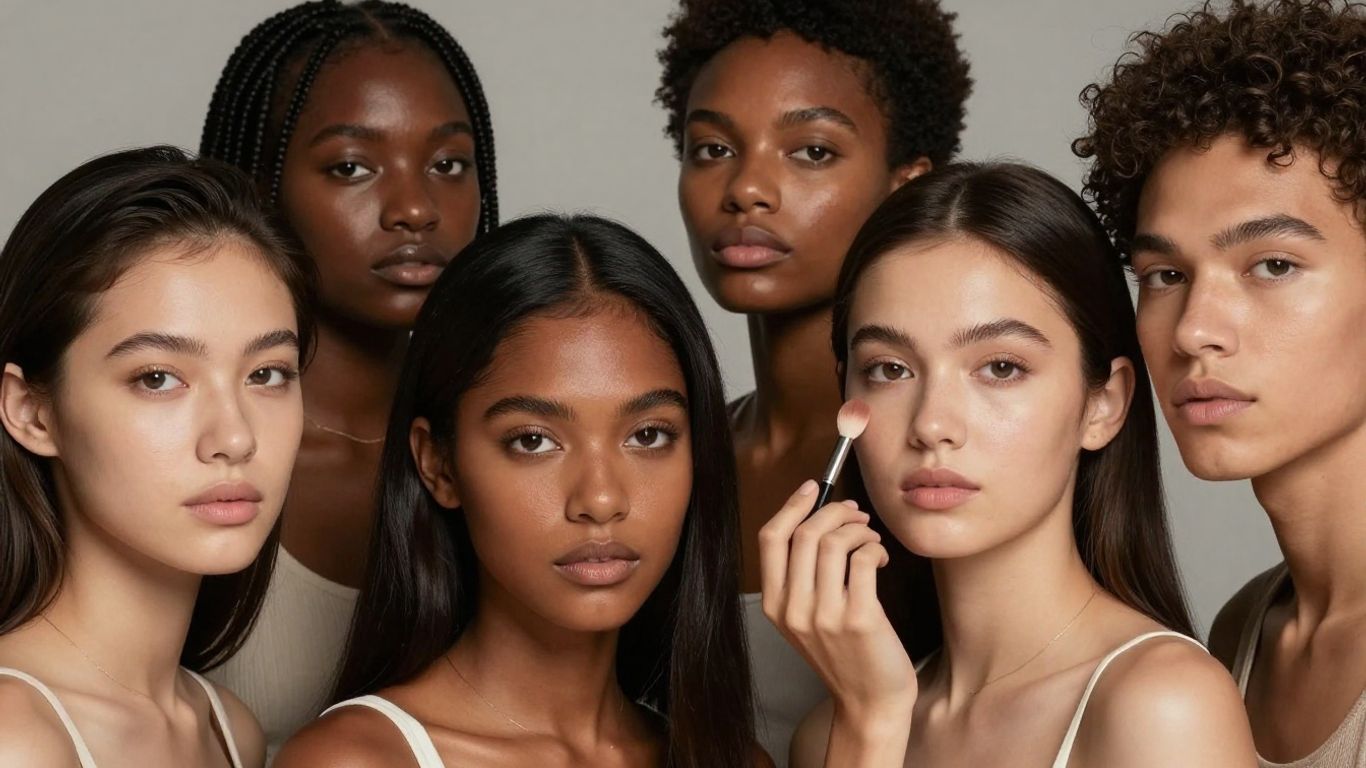
For a long time, the beauty industry seemed to operate on a pretty tight script. You know, the same few looks, the same few faces, plastered everywhere. It felt like if you didn’t fit that specific mold, you were just out of luck. But things are changing, and frankly, it’s about time. People are realizing that beauty isn’t some one-size-fits-all deal. It’s messy, it’s varied, and it looks different on everyone. We’re seeing more and more folks stepping away from those old, rigid ideas and embracing what makes them unique. It’s not about trying to fit into some outdated picture anymore; it’s about celebrating the real variety out there. This shift means brands have to pay attention, or they’ll get left behind.
The Consumer’s Demand For Representation
Let’s be real, consumers aren’t just passively accepting whatever brands throw at them anymore. They’re speaking up, and they want to see themselves reflected in the products they buy and the ads they see. It’s not just about having a few different shades of foundation; it’s about genuine representation across the board. Think about it: older women, people with disabilities, different ethnicities – they’ve all been overlooked for too long. Now, they’re demanding to be seen and catered to. This isn’t some fleeting trend; it’s a fundamental change in what people expect from the beauty industry. Brands that get this and actually deliver on representation are the ones that will connect with customers. It’s about building trust and showing that you understand who your customers really are. If a brand isn’t showing up for everyone, people will find one that does. It’s that simple. We’re seeing this demand grow, and it’s pushing the industry to finally get with the program. It’s a good thing for everyone involved, really.
Inclusivity As The New Industry Standard
What used to be a nice-to-have is now pretty much the baseline. Inclusivity isn’t just a buzzword anymore; it’s becoming the expected standard for beauty brands. Companies that were slow to catch on are now realizing they’re losing ground. The market is shifting, and consumers are making it clear: they want products that work for them, no matter their background, age, or skin type. This means brands need to think beyond just a few token gestures. They need to bake inclusivity into everything they do, from product development to marketing. It’s about creating a space where everyone feels welcome and catered to. This isn’t just about being politically correct; it’s smart business. Brands that embrace this shift are the ones that are going to lead the pack. They’re building loyalty and showing they understand the modern consumer. It’s a win-win, really. The future of beauty is inclusive, and those who don’t adapt will struggle to keep up. It’s a clear message from the people buying the products: be inclusive, or be irrelevant. We’re seeing this play out, and it’s reshaping the entire industry. It’s about time we saw makeup and skincare that actually works for everyone, not just a select few. This is the direction things are headed, and it’s a positive change for the whole beauty market.
Technology’s Role In Empowering Consumers
Beyond Narrow Molds: Embracing Diverse Beauty
It feels like for ages, the beauty world told us we all had to look a certain way. You know, the same few faces, the same few shades. But now, things are changing, and technology is a big part of that. We’re seeing tools pop up that let everyone find what works for them, no matter their skin tone or features. It’s about moving past those old, rigid ideas and letting people explore what makes them feel good.
The Consumer’s Demand For Representation
People are tired of not seeing themselves reflected in beauty products. It’s not just about wanting more shades of foundation, though that’s important. It’s about feeling like a brand actually gets you. When you can’t find a product that matches your skin, or a style that fits your look, it’s frustrating. This is where technology steps in to bridge that gap. Consumers are speaking up, and brands that listen and adapt will be the ones that stick around.
Inclusivity As The New Industry Standard
Think about it: trying to guess your perfect foundation shade online used to be a gamble. Now, with virtual try-on apps and AI shade matching, that guesswork is disappearing. You can actually see how a product looks on your face before you buy it. This isn’t just a fancy gimmick; it’s making beauty more accessible and less intimidating for so many people who felt left out before. It’s about making sure everyone has a fair shot at finding products that work for them, plain and simple.
The days of brands dictating a single beauty ideal are over. Consumers now expect personalized experiences and products that cater to their unique needs. Technology is the key to delivering this, moving inclusivity from a buzzword to a basic expectation.
Genuine Inclusivity: More Than A Marketing Ploy
Holistic Product Development For Everyone
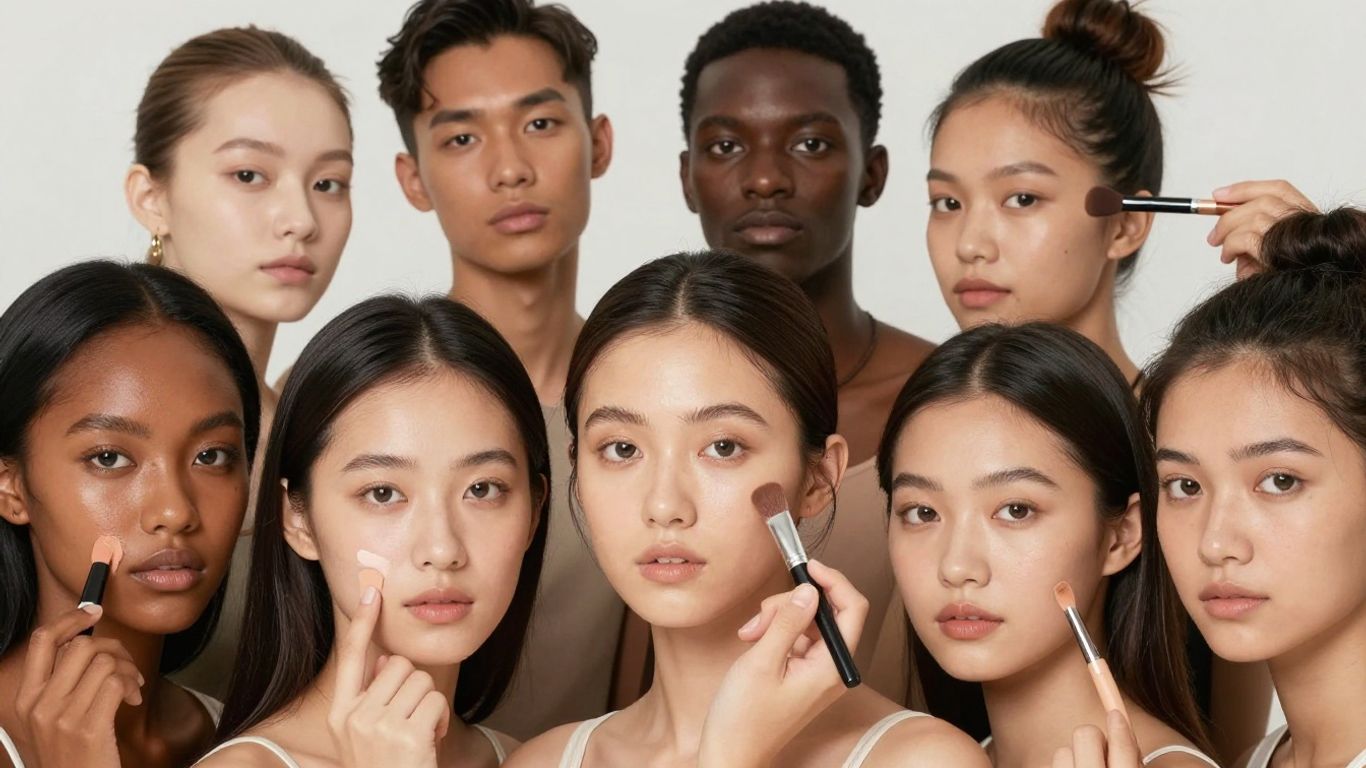
Look, it’s easy for brands to slap a few different shades of foundation on the shelves and call it a day. But that’s not real inclusivity, is it? It’s more like a quick fix, a way to look good on paper without actually doing the hard work. True product development means thinking about everyone from the start. It’s about making sure that the people who have been overlooked for years – those with very fair skin, or very deep skin, or unique undertones – actually have products that work for them. This isn’t just about adding more options; it’s about getting the formulas right, considering how they perform, and making sure they don’t leave people looking ashy or orange. It’s a whole different ballgame than just ticking a box.
Addressing Underserved Skin Tones And Needs
For too long, the beauty world operated on a very narrow idea of who its customers were. Think about it: how many times did you see a full range of shades that actually matched real people? It’s a common complaint, and for good reason. Brands need to actively seek out and listen to the needs of those with skin tones that aren’t typically represented. This means going beyond just adding a couple of darker shades. It involves understanding the nuances of different undertones, the specific concerns people have with their skin, and developing products that genuinely address those issues. It’s about making sure that when someone walks into a store or browses online, they can actually find something that works for them, not just something that’s been thrown in as an afterthought.
Authenticity Over Superficial Fixes
Consumers are getting pretty good at spotting when a brand is just going through the motions. A flashy ad campaign with diverse faces is one thing, but if the actual products don’t back it up, it just looks like a cheap trick. People want to see that brands are committed to inclusivity in a real way, not just when it’s convenient or trendy. This means consistent effort, not just a one-off campaign. It’s about embedding these values into the company’s DNA, from how products are made to how they’re marketed. Authenticity is what builds trust, and trust is what keeps customers coming back. When brands are genuine, people notice, and that’s what really matters in the long run.
The numbers don’t lie. Brands that are truly inclusive are seeing better growth. It’s not just about doing the right thing; it’s about smart business. Ignoring large segments of the population is just bad strategy.
Here’s a look at how some brands are falling short:
- Limited Shade Ranges: Many brands still have the majority of their foundation shades clustered in the middle, leaving very light and very deep skin tones with few options.
- Ignoring Undertones: Even when darker shades are available, they often don’t account for different undertones, leading to shades that look unnatural.
- Marketing vs. Product: Campaigns might show diversity, but the actual product selection doesn’t match, revealing a disconnect.
- Inconsistent Efforts: Inclusivity is treated as a seasonal trend rather than an ongoing commitment.
The Business Imperative Of Inclusive Beauty Products
Look, let’s be real. The beauty industry has been playing catch-up for a while now, and frankly, it’s about time. Ignoring huge chunks of the population isn’t just bad business; it’s a recipe for falling behind. Consumers today aren’t just buying products; they’re buying into brands that get them. If you’re not showing up for everyone, you’re leaving money on the table, plain and simple.
Growth Driven By Diverse Consumer Bases
It’s not rocket science. The market is changing, and brands that adapt are the ones that will see real growth. Think about it: if you’re only catering to a small slice of the population, you’re limiting your own success. The numbers don’t lie. Brands that actually make an effort to be inclusive are growing faster than those stuck in the past. It’s like trying to sell ice cream in the winter – you’re just not going to reach as many customers.
Losing Market Share To Competitors
This is where things get serious. If your brand isn’t seen as inclusive, people will just go somewhere else. And once they leave, getting them back is a whole other challenge. Competitors who are already doing the inclusive thing are going to snatch up those customers. It’s a competitive market, and being left behind because you didn’t bother to include everyone is a pretty avoidable mistake. We’re seeing more and more people, from different backgrounds and with different needs, looking for brands that reflect them. If you’re not that brand, someone else will be.
Building Trust Through Consistent Action
Inclusivity isn’t a one-off campaign; it’s got to be part of your DNA. People can spot a fake from a mile away. If you only roll out a few shades or make a token gesture, consumers will see right through it. Building trust means showing up consistently, not just when it’s convenient or trendy. It means listening to feedback, making real changes, and proving that you’re committed to serving everyone. That kind of genuine effort is what builds loyalty, and loyalty is what keeps a business thriving long-term. It’s about more than just selling a product; it’s about building a relationship with your customers.
Listening To The Voices Of The Unheard
Engaging In Real Conversations With Consumers
Look, nobody likes feeling ignored, right? Especially when you’re trying to buy something as personal as makeup or skincare. For too long, a lot of folks felt like the beauty industry just wasn’t talking to them. They’d see ads, check out products, and just… not see themselves. It’s like trying to have a conversation where only one person is doing all the talking. Genuine connection happens when both sides are heard. Brands that are actually getting it right are the ones that stop just telling people what they want and start asking.
Incorporating Feedback Into Product Decisions
It’s not enough to just put out a survey and call it a day. Real feedback means looking at what people are actually saying, not just what you want to hear. Think about it: if a bunch of people are saying a foundation shade looks ashy on their skin, that’s not just a random complaint. It’s a signal that maybe the undertones aren’t right, or the pigment is off. Ignoring that is just bad business. We’ve seen brands try to fix this by adding a few more shades, but if they don’t actually listen to why the old ones didn’t work, they’re just spinning their wheels. It’s about making changes based on what you learn. For example, some brands are now using customer reviews to figure out what ingredients and concentrations people actually want in their products.
Serving Marginalized Communities Effectively
This is where things get really important. For years, certain groups have been overlooked. Think about people with disabilities, for instance. They’re not asking for the moon; they just want products they can use. Maybe that means packaging that’s easier to open, or labels that are easier to read for those with vision issues. The spending power of disabled people and their families is huge, and brands that ignore this are missing out. It’s not just about being nice; it’s about recognizing that everyone wants to look and feel good. We need to move past the idea that certain groups aren’t interested in beauty products. They are, and they deserve options that work for them. It’s about making sure everyone feels seen and valued, not just the usual crowd.
A Commitment To Continuous Improvement
Inclusivity As An Ongoing Journey
Look, nobody gets inclusivity perfect right out of the gate. It’s not like flipping a switch. Brands that are serious about this stuff know it’s a marathon, not a sprint. You have to keep checking in, seeing what’s working, and, more importantly, what’s not. It means constantly looking at your product line, your marketing, and how you talk to customers. Are you really hitting the mark for everyone, or are you just checking a few boxes? True commitment means putting in the work, year after year. It’s about building something that lasts, not just a quick win.
Adapting To An Evolving Beauty Market
The beauty world changes fast. What people want today might be different tomorrow. New trends pop up, and consumer needs shift. A brand that was ahead of the curve last year might be falling behind if they don’t keep up. This means staying plugged in, listening to what people are saying, and being ready to adjust. It’s about being flexible and not getting stuck in your ways. Think about how Fenty Beauty really shook things up by listening to what was missing. That kind of adaptability is key.
Sustaining Efforts Year-Round
It’s easy for companies to jump on the inclusivity bandwagon when it’s trendy or when a specific month rolls around. But that’s not real. Genuine inclusivity needs to be part of the company’s DNA, every single day. It’s about making sure your product development, your customer service, and your advertising all reflect a commitment to everyone, not just when it’s convenient. This means having systems in place to track progress and hold yourselves accountable, not just for a season, but always. Consumers can spot a fake pretty quickly, and they’ll go where they feel genuinely seen and respected.
The Way Forward is Clear
Look, the beauty world has been stuck in its ways for too long. It’s time to get real. Consumers aren’t buying the same old story anymore, and frankly, neither should brands. The numbers are there for anyone willing to see them: companies that actually make an effort to include everyone are the ones growing. It’s not rocket science. This isn’t about chasing some fleeting trend; it’s about recognizing that people are different, and that’s a good thing. Brands that get this, that focus on making products for actual people instead of some imaginary ideal, they’re the ones who will stick around. The rest? Well, they’ll just be yesterday’s news.
Frequently Asked Questions
What does ‘inclusive beauty’ really mean?
Inclusive beauty means that beauty products are made for everyone, no matter their skin color, gender, age, or if they have a disability. It’s about making sure everyone can find products that work for them and make them feel good.
Why are brands making more inclusive products now?
Brands are realizing that people want to see themselves represented. Also, studies show that companies that focus on being inclusive tend to do better financially. Customers are speaking up and choosing brands that care about everyone.
Are virtual try-ons and AI shade matchers important for inclusive beauty?
Yes, they are super helpful! These tools let people try on makeup virtually or find the perfect shade for their skin tone without leaving home. This makes it easier for everyone, especially those who have had trouble finding matches before, to pick the right products.
Is it enough for brands to just add a few more shades to their makeup line?
Not really. Just adding a couple of new shades isn’t enough. True inclusivity means thinking about all skin tones, different undertones, and making sure the products are good quality and easy to find for everyone. It’s about making the whole product line work for more people.
How can consumers tell if a brand is truly inclusive?
Look beyond just the ads. See if the brand offers a wide range of products for different needs, if they listen to customer feedback, and if they consistently show diversity in their marketing and products throughout the year, not just for a special campaign.
Is inclusivity something brands only need to focus on for a short time?
No, inclusivity is an ongoing journey. The beauty world keeps changing, and brands need to keep listening and adapting to make sure they are always meeting the needs of all their customers. It’s not a one-time thing, but a continuous effort.