
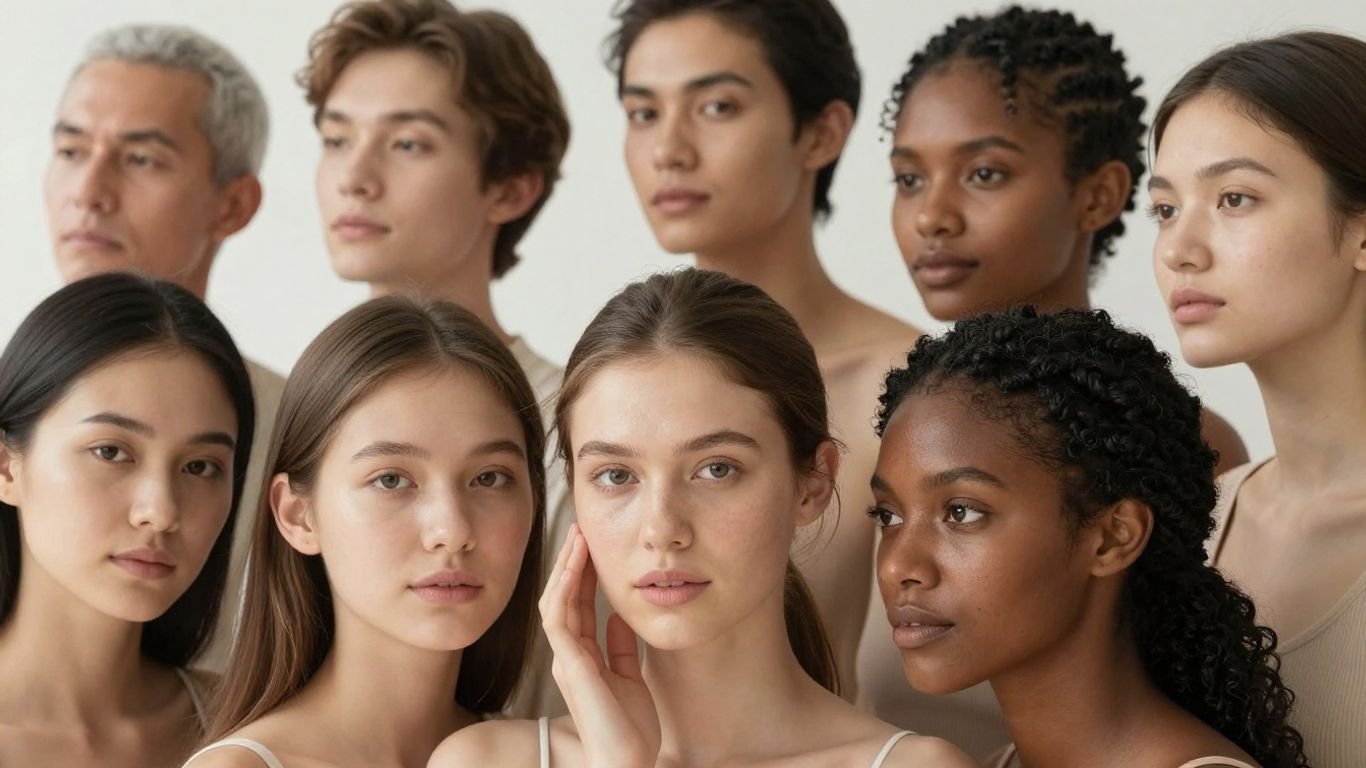
Navigating Multiracial Skincare: Tailoring Routines for Diverse Complexions
Skincare can feel like a puzzle sometimes, right? Especially when you’re trying to figure out what works best for your unique skin. If you have a mixed-race complexion, it can be even more confusing with all the different advice out there. This article is all about making Multiracial Skincare simpler, focusing on understanding your skin and picking the right stuff to make it look and feel its best. We’ll break down what your skin needs based on its tone and texture, and how to choose ingredients that really help.
Key Takeaways
- Understanding your skin’s melanin levels and undertones is the first step in creating an effective Multiracial Skincare routine.
- Different skin tones have unique needs; for example, deeper tones might focus on hyperpigmentation, while fairer skin needs extra sun protection.
- Choosing ingredients that suit your specific skin concerns, like niacinamide for dark spots or hyaluronic acid for hydration, is key.
- A consistent daily routine involving cleansing, moisturizing, and sun protection forms the basis of healthy skin for any complexion.
- Consulting with a dermatologist who understands melanin can provide personalized advice for your specific Multiracial Skincare needs.
Understanding Your Unique Complexion
Melanin’s Role in Skin Tone Diversity
Look, skin color isn’t just a random thing. It’s all about melanin, the stuff that gives our skin, hair, and eyes their color. The more melanin you have, the darker your skin will be. It’s a natural shield against the sun’s harsh rays, which is why people with more melanin tend to burn less easily. But it also means different skin tones can have different needs when it comes to skincare and protection. It’s not complicated, just biology.
Recognizing Your Skin’s Texture
Beyond just color, how your skin feels is important too. Is it usually oily, leaving you shiny by midday? Or is it dry, feeling tight and maybe even flaky? Some folks have a mix, oily in some spots and dry in others – that’s combination skin. And then there’s sensitive skin, which can get red or irritated easily. Knowing your skin’s texture helps you pick the right products. You wouldn’t use a heavy cream on oily skin, right? It just makes sense to match your products to how your skin behaves.
The Importance of Undertones
This is where things get a little more nuanced, but it’s worth paying attention to. Your undertone is the subtle color that shows through your skin’s surface. Think of it like the base color of a wall before you paint over it. You’ve got cool undertones (pink, red, bluish), warm undertones (yellow, peachy, golden), and neutral undertones (a mix of both). Your undertone is key for picking makeup shades that look natural, not like a mask. It also helps when choosing clothes or even hair colors that will best complement your natural look. It’s about harmony, plain and simple.
Tailoring Ingredients for Multiracial Skincare
Nourishing Ingredients for Deeper Tones
For those with deeper skin tones, the focus is often on maintaining an even complexion and preventing hyperpigmentation. Ingredients like niacinamide and vitamin C are fantastic for brightening and tackling dark spots. They work to fade discoloration and give your skin a more uniform look. Also, don’t shy away from natural oils; things like jojoba oil or even a good quality shea butter can provide deep moisture without feeling heavy. It’s about keeping the skin healthy and resilient.
Protecting Fairer Skin from the Sun
Fairer skin types need a bit more attention when it comes to sun protection. It’s not just about preventing sunburn, but also about warding off premature aging and sun spots. A broad-spectrum sunscreen with a high SPF is non-negotiable. Think of it as your daily armor. Beyond that, ingredients like vitamin C can help boost your skin’s natural defenses and repair some of the damage that might occur. It’s a proactive approach to keeping your skin looking its best.
Hydration and Antioxidants for Medium Tones
Medium skin tones often benefit from a balance of hydration and protection. Hyaluronic acid is a star player here, drawing moisture into the skin and keeping it plump and dewy. Antioxidants, such as those found in green tea extract or vitamin E, are also important. They help fight off environmental stressors that can dull your complexion. Keeping your skin hydrated and protected is key to maintaining that healthy glow.
Rejuvenating Elements for Mediterranean and Middle Eastern Skin
Skin tones common in Mediterranean and Middle Eastern regions often have a beautiful warmth and can sometimes be prone to inflammation or showing signs of aging. Ingredients like argan oil and rosehip oil are excellent for their rejuvenating properties. They help with skin repair and can give a lovely boost of radiance. Pomegranate extract is another good one, known for its antioxidant and anti-inflammatory benefits. These ingredients help keep the skin looking youthful and calm. It’s about supporting the skin’s natural vitality. For more on preparing your skin for special events, check out these tips for Dominican Republic weddings.
Taking care of your skin is a personal journey, and understanding what works best for your unique complexion is the most important step. Don’t be afraid to experiment a little, but always prioritize ingredients that support your skin’s health and natural beauty.
Addressing Specific Concerns Across Complexions
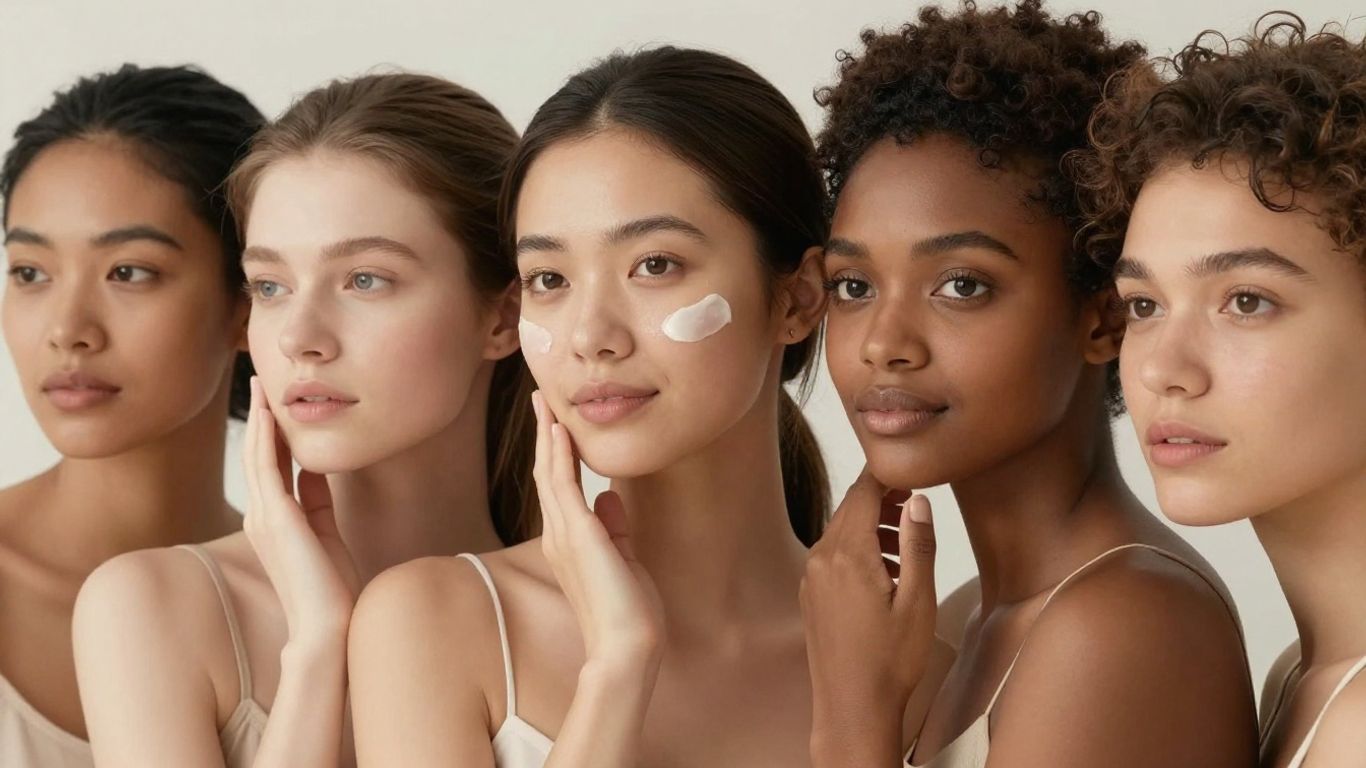
Combating Hyperpigmentation in Darker Skin
Darker skin tones often deal with hyperpigmentation, which means dark spots or uneven patches. It’s not uncommon, and frankly, it can be a real pain to deal with. Things like acne, sun exposure, or even just minor injuries can leave a mark that seems to stick around. The key here is consistency and using the right stuff. Look for ingredients that help even out your skin tone. Niacinamide is a good one, and so is Vitamin C. They work to fade those dark spots over time. It’s about being patient and sticking to a routine. Don’t expect overnight miracles, but with the right approach, you can definitely see improvements.
Soothing Inflammation and Protecting Latin American Skin
Skin types common in Latin American heritage can sometimes be prone to inflammation and sensitivity. This means things can get red and irritated easily. Protecting your skin barrier is super important. Think about ingredients that calm things down, like chamomile or centella asiatica. Also, keeping your skin hydrated is a big help. When skin is well-moisturized, it’s generally less likely to get inflamed. And, of course, sun protection is non-negotiable for everyone, but especially if your skin tends to react to sun exposure. A good sunscreen will be your best friend.
Brightening and Soothing Asian Skin Types
Many Asian skin types benefit from ingredients that offer both brightening and soothing effects. This often means looking for products that can help with dullness or redness while keeping the skin calm. Rice bran oil and green tea extract are often found in products geared towards these concerns. They’re known for being gentle yet effective. If you’re dealing with sensitivity, finding products that are fragrance-free and have minimal ingredients can also make a big difference. It’s all about finding that balance between treating specific issues and being kind to your skin.
Managing Dryness and Maintaining Glow in African Skin
African skin, particularly in certain climates or due to genetics, can sometimes struggle with dryness. This can lead to a dull appearance and discomfort. The goal here is to deeply moisturize and lock in that hydration. Rich emollients like shea butter and jojoba oil are fantastic for this. They help to soften the skin and prevent moisture loss. Keeping your skin hydrated not only combats dryness but also helps maintain that natural, healthy glow. A good moisturizer applied regularly, especially after cleansing, is key. Don’t forget to drink plenty of water, too; it helps from the inside out. For more on caring for diverse skin, check out inclusive beauty products.
The Foundation of Flawless Makeup: Skincare
Look, let’s be real. You can have all the fancy makeup in the world, but if your skin isn’t in good shape, it’s just not going to look right. It’s like trying to paint a masterpiece on a dirty canvas – it just doesn’t work. A solid skincare routine is the bedrock for any makeup look, especially when you’re dealing with the beautiful variety of multiracial complexions. It’s not just about looking good for a day; it’s about keeping your skin healthy and vibrant long-term.
Healthy Skin as the Ultimate Canvas
Think of your skin as the main stage. When it’s properly cared for, makeup just glides on. It evens out texture, minimizes pores, and gives you this natural radiance that no amount of foundation can fake. For those of us with mixed heritage, our skin can have unique needs, and addressing those first makes all the difference. Taking care of your skin is the most important step before you even think about foundation or concealer. It’s about building that strong base so everything else sits beautifully.
Daily Routines for Vibrant Skin
Sticking to a daily routine is key. It doesn’t have to be complicated, but consistency matters. Here’s a simple breakdown:
- Cleanse: Wash your face morning and night to get rid of dirt, oil, and whatever else the day throws at you. Use a gentle cleanser that won’t strip your skin.
- Treat: If you have specific issues like dark spots or dryness, now’s the time for a serum. Find one that targets your concerns.
- Moisturize: This is non-negotiable. Hydrated skin looks plumper and healthier. Pick a moisturizer that suits your skin type. For deeper skin tones, sometimes a good oil can seal in moisture after your cream, like Jackie Aina’s advice.
- Protect: Seriously, don’t skip the SPF. Sun damage is real and affects all skin tones, leading to premature aging and dark spots.
The Role of Exfoliation and Moisturization
Exfoliation is like hitting the refresh button for your skin. It sloughs off dead skin cells that can make your complexion look dull and can even clog pores. You don’t need to do it every day – a couple of times a week is usually plenty. Chemical exfoliants, like those with lactic acid, can be really effective without being too harsh. After exfoliating, your skin is primed to soak up moisture. This is where good moisturization comes in. It keeps your skin soft, supple, and ready for whatever makeup you decide to put on. Remember, healthy skin is the best makeup you can wear.
Embracing Individuality in Beauty Routines
Celebrating the Richness of Your Ethnicity
It’s easy to get caught up in trends, but let’s be real, what truly makes us shine is embracing who we are. Our backgrounds, our heritage – that’s where the real beauty lies. Think about it, the traditions and knowledge passed down through generations, especially when it comes to caring for our skin. It’s not just about following what’s popular; it’s about honoring that legacy. Many of us have grandmothers or mothers who knew just what to do with natural ingredients, and that wisdom is gold. We should be proud of that and build on it.
Finding Inspiration in Diverse Beauty
Look around, and you’ll see beauty in every shade and texture. From the red carpet to our own neighborhoods, there are so many people rocking their unique looks. Take inspiration from them! See how Kerry Washington or Cynthia Erivo take care of their skin, or how Jackie Aina shares her favorite tips. They show us that taking care of yourself, really knowing your skin, is what matters. It’s about finding what works for you, not just what everyone else is doing.
The Power of Self-Care and Nurturing Your Skin
Ultimately, skincare is self-care. It’s that quiet time you get to yourself, a moment to focus on feeling good. It’s not just about looking good, though that’s a nice bonus. It’s about feeling healthy and confident from the inside out. When you treat your skin right, it shows. It’s a way of showing respect for yourself and your body. So, find those routines that make you feel good, whether it’s a simple cleanse or a more involved ritual. Your skin deserves that attention.
Here’s a simple way to think about building your routine:
- Know your skin: What does it need? Is it dry, oily, or somewhere in between?
- Listen to your skin: Pay attention to how it reacts to different products.
- Be consistent: A little effort every day goes a long way.
- Don’t be afraid to experiment: Find what makes your skin happy.
Taking the time to understand your unique complexion and choosing products that genuinely benefit it is a form of self-respect. It’s about celebrating the skin you’re in and honoring the journey it’s been on.
Expert Advice for Multiracial Skincare
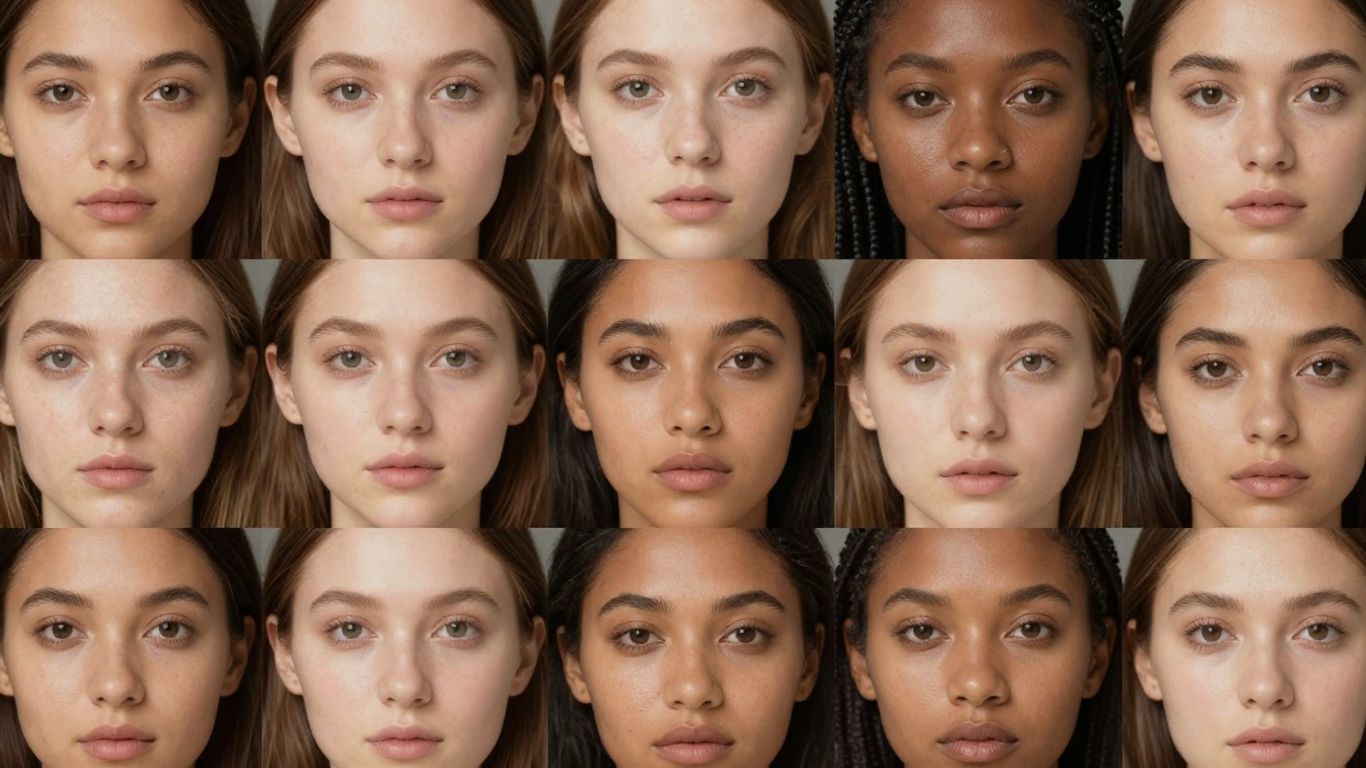
The Game-Changer of Dermatologists Who Understand Melanin
Look, finding a good dermatologist can be tough enough, but when you’re dealing with skin that has a lot of melanin, it’s a whole different ballgame. Not all doctors are created equal, and some just don’t get the unique challenges that come with darker skin tones. They might not know how to properly treat hyperpigmentation or recognize certain conditions that are more common in people of color. It’s really important to find a dermatologist who actually knows their stuff when it comes to melanin-rich skin. Don’t be afraid to ask questions and make sure they have experience with patients who look like you. It can make a world of difference in getting the right care.
Celebrity Routines and Their Best-Kept Secrets
We all see those celebrities with seemingly perfect skin, right? It’s easy to think they just woke up that way, but that’s rarely the case. Many of them have access to top dermatologists and estheticians who tailor routines specifically for their complexions. For instance, some stars with deeper skin tones swear by ingredients like niacinamide to keep dark spots in check, while others with fairer skin focus heavily on sun protection to prevent premature aging. It’s not about copying them exactly, but understanding the principles behind their successful routines and seeing if those can be adapted for your own skin.
Trusting What Works for Your Unique Skin
At the end of the day, what works for one person might not work for another, especially across different ethnicities. You might read about a miracle ingredient that’s all the rage, but if it doesn’t align with your skin’s needs, it’s just a waste of time and money. Pay attention to how your skin reacts. Does it feel calm or irritated? Is it getting clearer or breaking out?
Here’s a simple way to think about it:
- Cleanse: Use a gentle cleanser that doesn’t strip your skin.
- Treat: Address specific concerns like dark spots or dryness with targeted serums.
- Moisturize: Keep your skin hydrated, no matter your skin type.
- Protect: Sunscreen is non-negotiable, every single day.
The best advice you’ll ever get is to listen to your own skin. It tells you what it needs if you’re willing to pay attention. Don’t get caught up in trends if they aren’t serving you.
Wrapping It Up
Look, taking care of your skin isn’t some complicated science experiment. It’s about knowing what works for you and sticking with it. We’ve talked about how different skin types need different things, from the oils that work best for darker complexions to the sun protection needed for fairer skin. It’s not about following every trend out there; it’s about finding what makes your skin feel good and look healthy. So, don’t get bogged down in all the noise. Pay attention to your own skin, use good products, and remember that taking care of yourself is always a good idea. That’s really all there is to it.
Frequently Asked Questions
Why is it important to have skincare for different skin tones?
Different skin tones have different needs. For example, darker skin might need help with dark spots, while fairer skin needs extra sun protection. Understanding your skin tone helps you pick the right products to keep your skin healthy and looking its best.
What are undertones and why do they matter for skincare and makeup?
Undertones are the subtle colors under your skin’s surface, like cool (pinkish), warm (yellowish), or neutral. Knowing your undertone helps you choose makeup shades that look natural and skincare ingredients that best suit your complexion.
What ingredients are good for darker skin tones?
For darker skin, ingredients like niacinamide and vitamin C can help even out skin tone and reduce dark spots. Natural ingredients like shea butter and jojoba oil are also great for keeping the skin moisturized and glowing.
What should people with fair skin look out for in their skincare?
Fair skin burns more easily, so sunscreen with a high SPF is super important every day. Also, ingredients like hyaluronic acid can help keep it hydrated, and vitamin C can brighten it up.
How can I deal with dryness or dullness in my skin?
To combat dryness and dullness, focus on hydration. Use moisturizers with ingredients like hyaluronic acid and drink plenty of water. Gentle exfoliation can also help remove dead skin cells, revealing a brighter complexion underneath.
Is it okay to use products recommended for other skin tones?
While it’s good to learn about what works for different skin types, it’s always best to choose products based on your own skin’s needs and how it reacts. What works for one person might not work for another, so listen to your skin!