
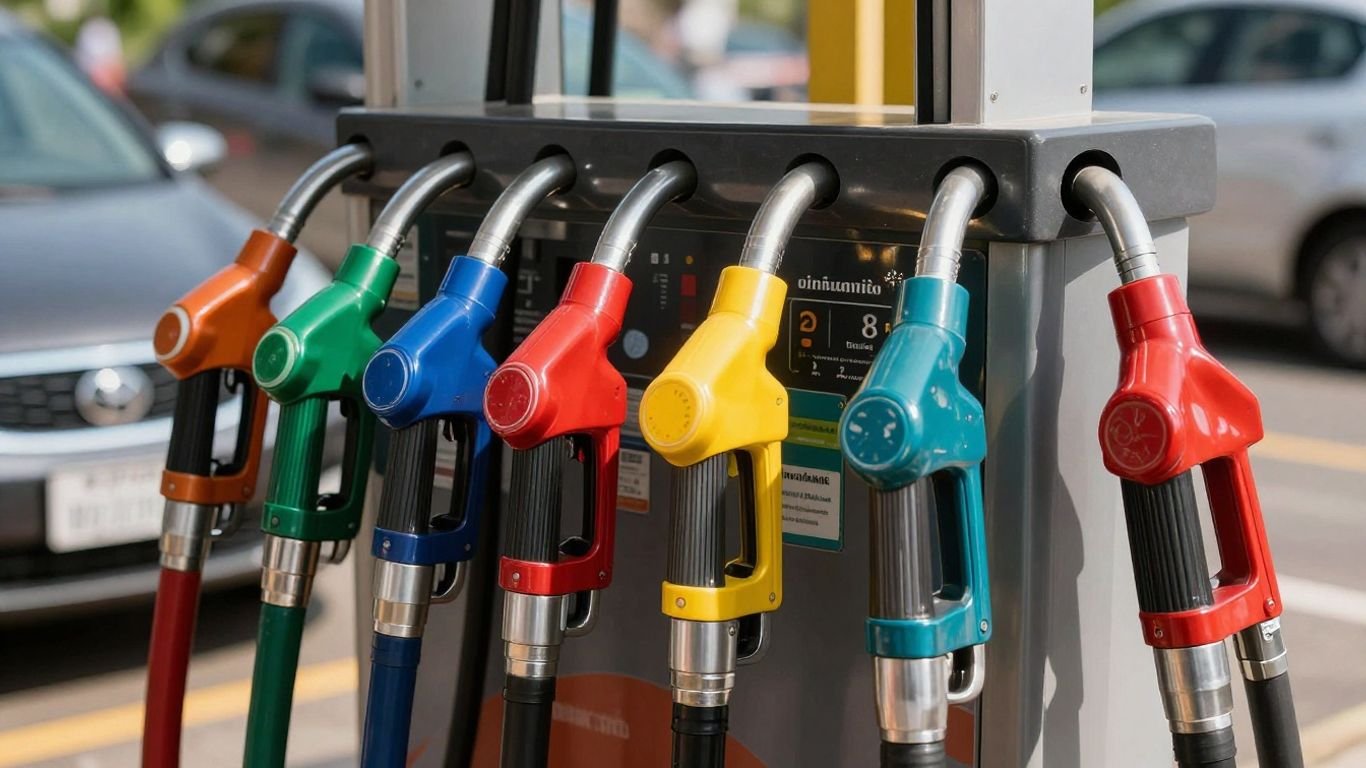
Average Fuel Prices Throughout The World
Ever wonder why filling up your car costs so different amounts depending on where you are? It’s a common question, and the answer isn’t as simple as you might think. Fuel prices fluctuate for a bunch of reasons, from what’s happening on the global market to decisions made right in your own country. We’re going to take a look at the average fuel prices around the world and break down what makes them go up or down.
Key Takeaways
- The worldwide average price for gasoline is about $1.52 per liter, but this number changes a lot from country to country.
- Generally, wealthier nations tend to have higher fuel prices, while poorer countries and those that produce oil often have lower prices.
- Taxes and government subsidies play a big role in how much you pay at the pump.
- Some countries, like the U.S., are exceptions with lower fuel prices despite being economically advanced.
- Fuel price data includes current averages, historical trends, and forecasts, helping us understand the market.
Global Fuel Prices: A Look At The Numbers
It’s pretty wild how much gas prices change depending on where you are in the world. You’d think with all the oil out there, prices would be more… well, uniform. But nope. The global gasoline costs are all over the place. We’re talking about differences that make your head spin, from dirt cheap to eye-wateringly expensive. It really makes you wonder what’s going on behind the scenes, doesn’t it?
Understanding International Fuel Price Variations
So, why the big differences? It’s not just about how much oil a country pumps. A lot of it comes down to what happens after the oil leaves the ground. Taxes are a huge part of it. Some governments slap on massive taxes, driving up the price you pay at the pump. Others, not so much. Then you have subsidies, which are basically government handouts to keep prices artificially low. It’s a real mix of policies.
The Impact Of Taxes On Fuel Prices
Think about it: the raw cost of gasoline is pretty much the same on the international market. But then each country decides its own tax rate. Some countries see taxes as a way to fund public services, or maybe even discourage driving. Others might use them to boost their national budget. Whatever the reason, those taxes add up fast and directly affect your wallet.
Subsidies: A Driver Of Lower Fuel Costs
On the flip side, subsidies can make fuel incredibly cheap. Countries that produce a lot of oil often subsidize it for their own citizens. This keeps local prices down, which is great for drivers but can sometimes distort the market. It’s a balancing act, and not all countries choose the same path. You can see a breakdown of these policies and compare prices across different nations.
Here’s a quick look at how varied things can be:
- Libya: Around $0.09 per gallon
- United States: Significantly lower than many developed nations
- Hong Kong: As high as $15.65 per gallon
It’s a complex picture, and understanding these differences is key to grasping the bigger economic forces at play. The average price globally hovers around $5.58 per gallon, but that number hides a lot of individual stories. Global fuel prices are a fascinating topic, showing how different governments manage their resources and economies.
Fuel Prices In Wealthy Nations
Higher Costs In Developed Economies
It’s pretty common knowledge that if you live in a developed country, you’re probably going to pay more for gas. Think about it – these places usually have more complex economies, higher standards of living, and let’s be honest, more government regulations. All these factors tend to push prices up. Taxes are a big part of this. Governments in wealthier nations often slap on hefty taxes to fund public services, infrastructure, or sometimes just to discourage driving. It’s not unusual to see prices that are double, or even triple, what you might find elsewhere. This is just how it works when you have a robust economy, and it’s something most people in these countries have just gotten used to. You can read our fuel price primer to get a better handle on why these differences exist.
The American Exception: Lower Fuel Prices
Now, here’s where things get interesting. While most wealthy countries have high fuel costs, the United States often stands out. Even with a strong economy, American gas prices are typically lower than in many other developed nations. This isn’t some accident; it’s largely due to government policy. Unlike many European countries, the U.S. generally imposes lower taxes on gasoline. This deliberate choice makes fuel more affordable for American consumers and businesses. It’s a bit of an anomaly when you look at the global picture, and it definitely impacts everything from daily commutes to the cost of goods. For instance, on a recent check, the average price for premium unleaded was around $3.58 per liter in one of the most expensive countries, a stark contrast to what Americans often pay.
Here’s a quick look at how some developed nations stack up:
| Country | Average Price (USD/Liter) |
|---|---|
| Norway | 2.15 |
| Netherlands | 2.05 |
| Germany | 1.98 |
| United States | 1.20 |
Note: Prices are approximate and can fluctuate.
Fuel Prices In Oil Producing Countries
It might seem obvious, but countries that actually pump oil tend to have cheaper gas. Makes sense, right? They’re not importing it, they’re making it. So, you’d expect them to have some of the lowest prices out there, and usually, that’s exactly what you find. These nations often benefit from lower production costs and sometimes even government policies aimed at keeping fuel affordable for their own citizens.
Think about it: if you’re sitting on a massive reserve of crude oil, you’ve got a pretty direct line to the stuff that makes gasoline. This cuts out a lot of the middleman costs and transportation headaches that countries without their own oil supply have to deal with. It’s a pretty sweet deal for them, and it shows up at the pump.
Here’s a quick look at how it generally shakes out:
- Direct Access: They control the source, so they control the initial cost.
- Reduced Transport: Less distance to move the raw materials and finished product.
- Policy Choices: Governments can choose to subsidize fuel or keep taxes low to benefit consumers.
Of course, it’s not always a perfect picture. Sometimes, even in oil-rich countries, you might see prices that aren’t rock-bottom. This can happen for a few reasons, like if they’re exporting most of their production and keeping only a fraction for domestic use, or if their refining infrastructure isn’t top-notch. But generally, if a country is a major oil producer, you’re going to see lower fuel costs compared to places that have to buy their oil from elsewhere. It’s a pretty straightforward economic link, unlike some of the complex recruitment schemes you hear about happening globally like those in Peru.
The relationship between a nation’s oil production and its domestic fuel prices is usually quite direct. Countries that are major exporters often prioritize their own citizens’ access to affordable energy, which can lead to significantly lower prices at the pump compared to non-producing nations.
Analyzing Fuel Price Trends
Looking at how fuel prices change over time is pretty interesting. It’s not just about what’s happening at the pump today, but also about the bigger picture. We see prices fluctuate for all sorts of reasons, and understanding these shifts helps us make sense of the global market. Keeping an eye on these trends is key to grasping the real cost of fuel.
Weekly Fuel Price Updates
Some countries update their fuel prices every week. This usually happens in places with more open markets where prices can change quickly based on supply and demand. It’s a good way to see immediate reactions to global events or local economic shifts. For example, you might see a jump after a major disruption, like an incident at a refinery. An explosion on a boat can sometimes ripple through local fuel supply chains, affecting prices.
Monthly Fuel Price Regulations
Other countries, however, update prices only once a month. This often happens in places where the government has a tighter grip on the fuel market. They might regulate prices to keep them stable for consumers, even if international markets are a bit wild. This means you won’t see daily or weekly swings, but rather a more predictable, albeit sometimes delayed, adjustment. It’s a different approach to managing costs for everyday folks.
The differences in prices across countries are due to the various taxes and subsidies for gasoline. All countries have access to the same petroleum prices of international markets but then decide to impose different taxes. As a result, the retail price of gasoline is different.
When we’re talking about comparing fuel prices by country, these updates are important. You’ll find that some places have prices that seem really low, while others are quite high. This isn’t usually because the oil itself costs different amounts to get out of the ground, but rather what happens after it leaves the well. It’s all about the policies put in place by each government. The global average gasoline price in 2024 was $1.11 USD per litre, but that number hides a lot of variation, with places like Egypt seeing prices as low as $0.32 USD/l. Understanding these variations is part of the puzzle.
The Global Average Fuel Price
It’s interesting to look at the worldwide petrol rates and see how they stack up. Right now, the average cost of gas globally hovers around $1.52 per liter. That might sound like a lot, but it’s just an average, and the real story is in the differences. You’ll find that richer countries usually pay more, while places that pump out their own oil tend to have lower international fuel expenses. The United States is a bit of an outlier here, being a wealthy nation but still having relatively low gas prices. This whole situation comes down to taxes and subsidies that governments decide to put in place. Everyone buys from the same international markets, but what you pay at the pump is a whole different ballgame thanks to national policies. If you want to get a better handle on why these prices vary so much, checking out a fuel price primer can really help explain things. It breaks down the factors that make prices jump or fall from one country to the next.
Here’s a quick look at how things generally shake out:
- Developed Nations: Often see higher prices due to taxes and regulations.
- Oil Exporting Countries: Typically enjoy lower prices because they control production.
- Developing Nations: Can have a mix, but often lower prices than developed economies.
It’s also worth noting that the U.S. ranked 52nd out of 170 countries for the least expensive gas, according to data from March 23rd. That’s pretty good when you compare it to the rest of the world. The average price of gasoline globally was $5.34 per gallon at that time. So, while we might complain about prices here, it’s often much worse elsewhere. Understanding these numbers helps put things in perspective, showing how national decisions really shape what we pay for fuel every day.
Factors Influencing Fuel Prices
So, what makes the price you pay at the pump go up or down? It’s not just one thing, that’s for sure. Lots of different pieces go into the final cost, and some of them are pretty straightforward, while others are a bit more complicated.
International Market Prices
First off, the global price of oil is a big deal. This is the raw material, right? When crude oil prices jump on the world stage, you can bet your bottom dollar that gas prices will follow. Think about it – if the cost to get the oil out of the ground and ready to be shipped goes up, then everyone down the line has to pay more. It’s a simple supply and demand thing, but on a massive scale. Sometimes, events like conflicts in key regions can really mess with the flow of oil, causing prices to spike. It’s a delicate balance, and disruptions can be felt everywhere.
National Tax Policies
Then you’ve got taxes. Governments love their taxes, and fuel is no exception. Different countries slap different amounts of tax onto every gallon or liter sold. Some countries add a pretty hefty chunk, which is why you see such wild differences in prices from one place to another, even if the base oil cost is similar. These taxes can often make up a significant portion of the final price. It’s a way for governments to bring in revenue, but it definitely hits consumers in the wallet.
Government Subsidies
On the flip side, some governments decide to help out their citizens by subsidizing fuel. This means they chip in some money to keep prices lower than they would naturally be. It’s a way to make things more affordable, especially for everyday folks trying to get to work or run their businesses. However, these subsidies can also distort the market and aren’t always sustainable in the long run. It’s a balancing act for governments, trying to keep people happy without breaking the bank.
The price at the pump isn’t just about the oil itself. It’s a mix of global commodity costs, national government decisions on taxes, and sometimes, direct financial help from those same governments to keep prices down for consumers. Each factor plays its part in the final number you see on the sign.
Fuel Prices And Economic Standing
It’s pretty clear that where you live really matters when it comes to how much you pay at the pump. Generally speaking, if you’re in a wealthier country, you’re going to see higher fuel prices. It’s just the way it is. Poorer nations, on the other hand, often have much cheaper gas. This isn’t some accident; it’s usually because of government policies.
The Correlation Between Wealth And Fuel Costs
Think about it: countries with strong economies can often afford to subsidize fuel or have higher taxes on it. They might see fuel as a luxury item or a way to encourage less driving. Meanwhile, countries that are still developing might keep prices low to help their citizens get around and keep businesses running. It’s a balancing act, for sure.
Poorer Nations And Cheaper Fuel
Some countries, like Venezuela, Iran, and Libya, are known for having some of the lowest fuel prices in the world. This is often due to heavy government subsidies. These subsidies can make fuel incredibly cheap for consumers, but they can also put a strain on the national budget. It’s a trade-off that governments have to make. You can read more about fuel price primers to get a better grasp on these differences.
Here’s a general idea of how it breaks down:
- Developed Nations: Tend to have higher prices due to taxes and market forces.
- Developing Nations: Often have lower prices, sometimes with government support.
- Oil Exporting Nations: Can sometimes have lower prices for their own citizens, but this isn’t always the case.
The price you pay for gas isn’t just about the oil itself. It’s a mix of global market costs, national decisions on taxes, and whether the government decides to help out consumers with subsidies. These factors create the big differences we see from country to country.
It’s interesting to see how these economic factors play out. While the U.S. is a wealthy nation, it’s often an exception with its comparatively lower fuel prices, which is a whole other discussion. But for most places, the link between a country’s economic status and its gas prices is pretty strong. Understanding these dynamics helps explain why filling up your tank costs so different amounts depending on your passport. It’s a complex picture, but the basic idea is that wealth and government policy are big drivers. You can see how these prices compare across different countries, and it really highlights the impact of national tax policies on the final cost.
Understanding Fuel Price Data
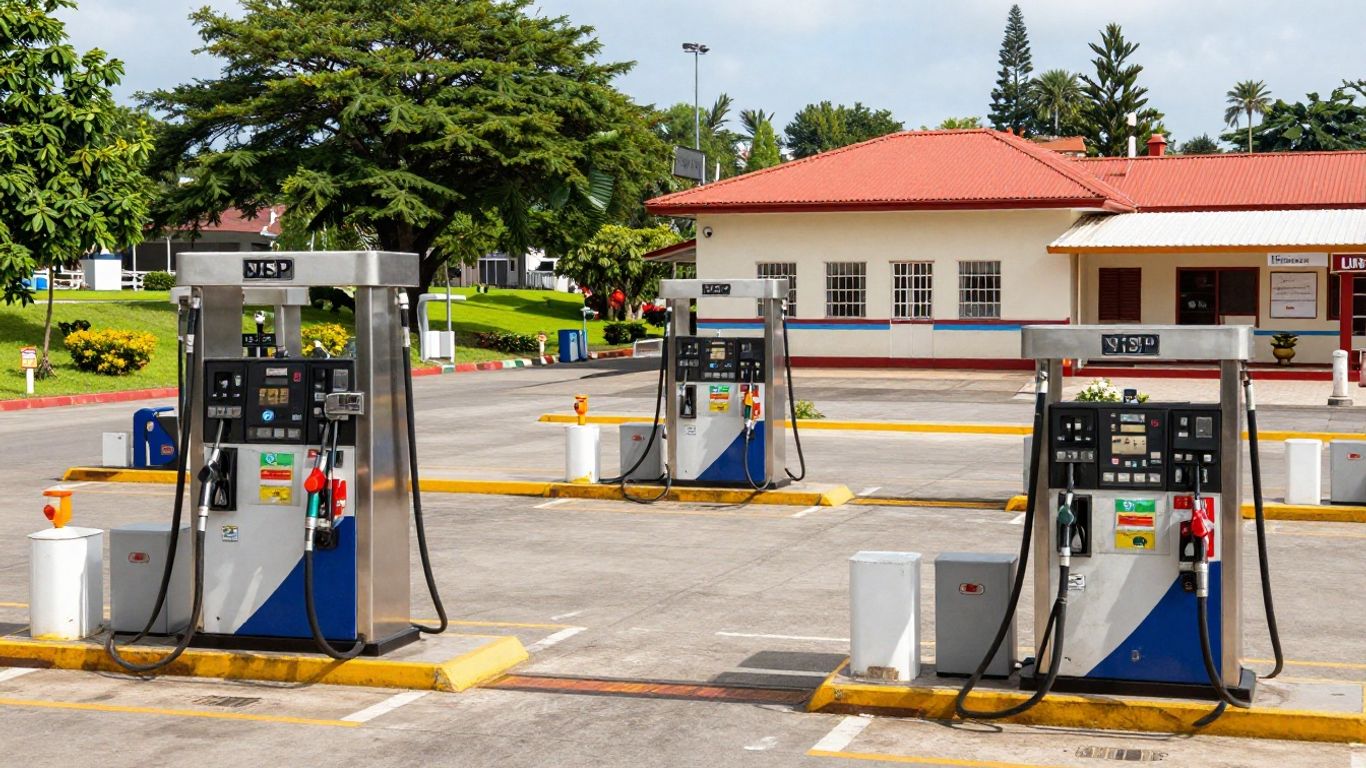
Historical Fuel Price Data
Looking at fuel prices over time can be pretty eye-opening. It’s not just about what you pay at the pump today, but how that number has changed and why. We’re talking about looking back at past trends to see how things have shifted. This historical context is key to understanding current price fluctuations. Sometimes prices jump because of big global events, other times it’s more about local policies. It’s a complex picture, for sure.
Forecasts For Fuel Prices
Predicting fuel prices is a tricky business. A lot of factors go into it, from international market shifts to what governments decide to do with taxes and subsidies. You’ll often see different groups putting out their own predictions, and they don’t always agree. It’s good to be aware of these forecasts, but take them with a grain of salt. Remember, even the experts can get it wrong. For instance, the European Commission’s Weekly Oil Bulletin gives a good look at fuel prices across Europe, but even that is just a snapshot.
Statistics On Fuel Prices
When we talk about fuel prices, numbers are everywhere. You’ll see averages for countries, global averages, and prices per liter or gallon. It’s important to know where these numbers come from. Are they based on actual sales, or are they estimates? The data you see on sites like fuel-prices.eu often comes from official sources, which is a good start. But it’s always wise to check the source yourself if you can.
Here’s a quick look at some general price points:
- Global Average (Octane-95): Around $1.52 per liter (as of May 11, 2026).
- U.S. National Average: Approximately $4.53 per gallon (as of May 14, 2026).
- European Data: Often updated weekly or monthly, depending on the country’s market regulations.
Keep in mind that these figures are just averages. The actual price you pay can vary a lot based on where you are and what specific fuel you’re buying. Taxes and subsidies play a huge role in these differences, making the same barrel of oil cost very different amounts by the time it reaches your car.
Understanding these statistics helps you see the bigger picture, but it doesn’t always explain the price at your local station. That’s often a mix of global trends and very local factors. It’s a constant balancing act, and sometimes it feels like the prices are just all over the place. For example, the rising cost of natural gas has a ripple effect, impacting everything from fertilizer prices to, eventually, the cost of getting around. This crisis impacts farmers, and that can indirectly affect fuel costs too.
Navigating Fuel Price Information
Fuel Price Primers
Trying to make sense of why gas prices swing so much from one country to another can be a real headache. It’s not just about what crude oil costs on the world market, though that’s a big part of it. You’ve got governments slapping on different taxes, and some countries even give out subsidies to keep prices lower for their citizens. It’s a complex mix of global economics and local politics. If you want to get a better handle on these differences, checking out a fuel price primer can really help break it down. It explains how these factors add up to the price you see at the pump.
Viewing Fuel Prices In Gallons
Most of the world talks about fuel prices by the liter, which can be a bit confusing if you’re used to gallons. The global average price is around $1.52 per liter, but that number doesn’t tell the whole story. When you convert that to gallons, the numbers can look pretty wild, especially when you compare countries. For instance, the U.S. often stands out with lower prices than other developed nations, even though we’re a major economy. This difference is mostly down to taxes and subsidies, not necessarily cheaper oil production.
Here’s a quick look at how prices can stack up, just to give you an idea:
- High-Tax Countries: Expect prices to be significantly higher, often double or more than the global average per liter.
- Oil-Exporting Nations: These countries usually have much lower prices because they benefit directly from their own resources.
- Subsidized Economies: Government support can artificially lower prices, making fuel seem like a bargain.
Understanding these variations is key to grasping the bigger picture of global energy costs. The International Energy Agency’s Oil Market Report often has detailed breakdowns that can shed more light on these trends.
Current National Fuel Price Averages
Today’s National Average Fuel Price
So, you want to know what folks are paying at the pump right now? It’s a fair question, especially with everything else going on. The national average for a gallon of gas is currently sitting around $4.53. It’s a number that shifts, sometimes daily, and it really hits home when you’re filling up. We’re seeing prices fluctuate, and it’s not just about what’s happening overseas; a lot of it comes down to what’s happening right here at home.
Fuel Price As Of Recent Date
Looking at the numbers from May 11th, 2026, the global average for gasoline was about $1.52 per liter. That might sound low, but remember, that’s an average. You’ve got countries with sky-high prices and others, often those producing oil, where it’s much cheaper. The U.S. is a bit of an outlier, being a wealthy nation but still having relatively lower prices compared to many other developed countries. This difference really boils down to taxes and subsidies. Every country takes the same international market prices and then slaps its own tax or subsidy on top, changing the final cost you see at the pump. It’s a good idea to check out a fuel price primer to get a better handle on why these differences exist.
Here’s a quick look at how things stacked up recently:
- United States: Around $4.53 per gallon.
- Global Average (approx.): $1.52 per liter (which is roughly $5.75 per gallon).
- Impact of Global Events: Since the start of the Iran war, we’ve seen prices jump significantly. In the U.S., gas prices went up about 45 percent, and diesel even more. Other places like South Africa and Canada also felt the pinch, with fuel costs rising by around 30 percent. This shows how interconnected everything is, and how quickly things can change.
The price you pay for fuel isn’t just about the oil itself. It’s a complex mix of government policies, international relations, and market forces. What seems like a simple transaction at the gas station is actually influenced by a whole lot of factors far beyond your local area.
So, What’s the Bottom Line on Gas Prices?
Look, when you see how much gas costs in different places, it’s pretty clear that taxes and government rules play a huge role. It’s not just about what oil costs on the world market. Some countries slap on big taxes, making it expensive for regular folks just trying to get around. Others, especially places that pump their own oil, keep prices lower. It’s a reminder that what you pay at the pump is a choice made by politicians, not just some natural law. We saw that even in a rich country like ours, we can still keep gas prices more reasonable than many others. It just goes to show that different policies lead to different results for everyday people.
Frequently Asked Questions
Why do gas prices change so much from country to country?
Gas prices are different everywhere because each country decides how much tax to add and if they want to help people by lowering the price with subsidies. Even though oil costs about the same on the world market, the final price you pay at the pump can be very different.
Do richer countries always have higher gas prices?
Generally, yes. Wealthier nations tend to have higher gas prices. This is often because they have more taxes on fuel and fewer subsidies. However, there are exceptions, like the United States, which is a wealthy country but has lower gas prices compared to many others.
Why are gas prices lower in countries that produce oil?
Countries that produce and export a lot of oil often have lower gas prices for their own people. They can use their own oil and sometimes offer it at a lower cost within their borders.
What’s the average price of gas around the world?
As of mid-May 2026, the average price for a liter of gasoline (like Octane-95) is about $1.52. But remember, this is just an average, and prices can be much higher or lower depending on the country.
How often are gas prices updated?
Some countries update their gas prices every week, especially if the prices can change quickly. Others update them monthly because their governments control the prices, so they don’t change as often.
Can I see gas prices in gallons instead of liters?
Yes, you can usually switch to see prices measured in gallons. Many websites that show fuel prices offer this option, often through a drop-down menu, to make it easier for people who are used to buying gas in gallons.
What does ‘fuel price primer’ mean?
A ‘fuel price primer’ is like a simple guide that explains the basics of why fuel prices are different in different places and how they change over time. It helps you understand the information better.
Where can I find today’s national average gas price?
You can often find the current national average gas price on websites that track fuel prices, like AAA. For example, as of May 14, 2026, the national average in the U.S. was around $4.534.