

The Rising Cost
It feels like everything costs more these days, and that includes the stuff farmers need to grow our food. Fertilizer, a key ingredient for healthy crops, has seen its price jump quite a bit. This isn’t just a small bump; it’s a big deal that affects everything from the fields to our grocery carts. Let’s break down why fertilizer prices are going up and what it means for all of us.
Key Takeaways
- The price of fertilizer is heavily influenced by the cost of natural gas, which is used to make nitrogen-based fertilizers.
- Global events like sanctions, supply chain issues, and countries restricting exports can make fertilizer harder to get and more expensive.
- Higher fertilizer costs mean farmers have to spend more on their operations, which can lead to lower crop yields and affect the quality of the food they produce.
- The rising cost of fertilizer eventually trickles down to consumers, leading to higher prices for everyday grocery items and contributing to overall inflation.
- Addressing the fertilizer crisis involves looking at ways to increase domestic production, promoting farming methods that use less fertilizer, and building more stable food systems for the future.
The Global Fertilizer Crisis
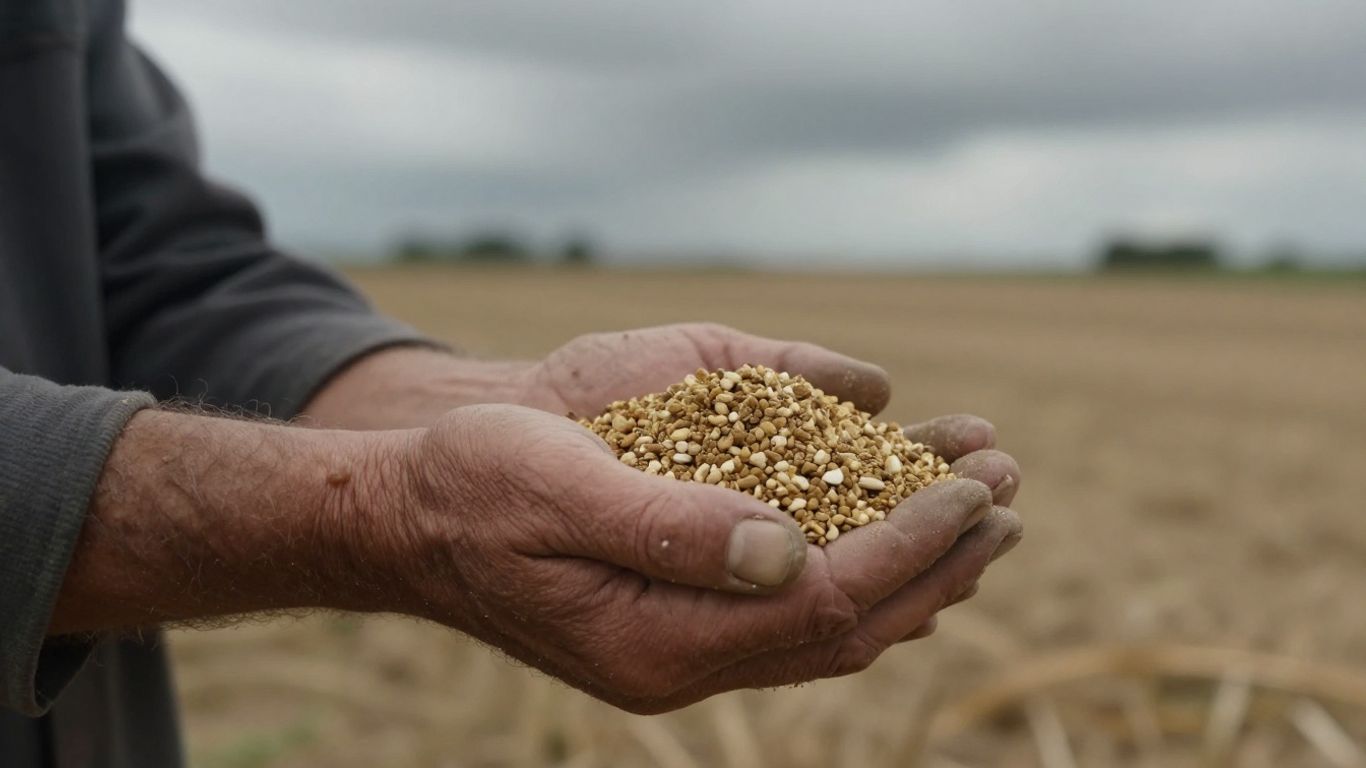
Folks, let’s talk about something that’s hitting us all, whether we realize it or not: the increasing cost of plant food. It’s not just a little bump; it’s a full-blown crisis that’s shaking the foundations of our food supply. You see, the whole system starts with fertilizer, and right now, that’s in serious trouble.
Natural Gas: The Unseen Driver
Most people don’t think about it, but natural gas is the main ingredient for nitrogen fertilizer. It’s like the secret sauce that makes everything grow. When natural gas prices go through the roof, so does the cost of fertilizer. And lately, gas prices have been anything but stable. It’s a complicated mess, but the bottom line is that the energy we need to make fertilizer is getting way too expensive.
Sanctions and Supply Chain Disruptions
Then you’ve got all the global drama. Sanctions, trade wars, and general international chaos are messing with how fertilizer gets from where it’s made to where it’s needed. Countries are hoarding supplies, and shipping routes are getting clogged. It’s like trying to get groceries when all the roads are blocked. This isn’t just about a few bad shipments; it’s a systemic breakdown that’s making it harder for farmers to get their hands on the nutrients their crops need. We’re seeing major players in the fertilizer market facing serious hurdles, which impacts everyone down the line. Promoting balanced and efficient fertilizer use can help mitigate some of these issues [418d].
Export Restrictions Fueling Scarcity
To make matters worse, some countries, worried about their own food security, are slapping restrictions on fertilizer exports. They want to make sure their own farmers are taken care of first. That’s understandable, I guess, but it just squeezes the supply for everyone else even tighter. It creates artificial scarcity, driving prices up even further. It’s a tough situation, and frankly, it feels like we’re caught in the middle of a global tug-of-war over something as basic as fertilizer. This whole mess is a stark reminder of how interconnected everything is, and how easily things can go sideways when global politics get involved. It makes you wonder what other hidden dependencies we have that could cause problems down the road. It’s a real concern for the future of farming and, by extension, the food on our tables.
The global fertilizer market is a delicate balance, and right now, that balance is severely tilted. When the cost of making fertilizer skyrockets due to energy prices, and then supply chains get tangled up with international disputes and export bans, you’re left with a recipe for disaster. Farmers are squeezed, and eventually, consumers feel the pinch at the checkout counter.
Here’s a look at how some key fertilizer components are affected:
- Nitrogen: Heavily reliant on natural gas, making it the most volatile in price. When gas is expensive, nitrogen fertilizer is expensive.
- Phosphate: Production is concentrated in a few regions, making it vulnerable to supply chain issues and export policies.
- Potash: While generally more stable, geopolitical events and transportation costs can still impact its availability and price.
It’s a complex web, and right now, it’s not looking good for the folks who need these vital inputs to feed us all.
Impact on American Farmers
Skyrocketing Input Costs
American farmers are really feeling the squeeze these days. The cost of just about everything they need to grow our food has gone through the roof. We’re talking about fertilizer, fuel, seeds, you name it. It’s getting harder and harder for them to make ends meet. The impact of rising prices on farming is hitting family operations the hardest. They don’t have the big corporate backing to absorb these kinds of shocks. It’s a tough situation, and many are worried about whether they can even keep their farms going.
Reduced Crop Yields and Quality
When farmers can’t afford the necessary inputs, like fertilizer, it directly affects what they can grow. Less fertilizer means plants don’t get the nutrients they need to thrive. This can lead to smaller harvests, or crops that just aren’t as good. Think about it – if you don’t have the right stuff to build something, it’s not going to turn out as well, right? This isn’t just about less food; it’s about quality too. Farmers are working harder than ever, but the odds are stacked against them.
The Threat to Family Farms
This whole situation is putting a serious strain on the backbone of American agriculture: family farms. These aren’t just businesses; they’re legacies passed down through generations. With costs soaring and profits shrinking, many are finding it impossible to continue. It’s a real concern for our food supply and for the rural communities that depend on these farms. We’re seeing a trend where it’s becoming harder for the little guy to compete. A Farm Bureau survey shows almost 60% of farmers are already facing financial difficulties, largely because of these rising costs. This is a serious problem.
The current economic climate is making it incredibly difficult for farmers to operate profitably. They’re caught between rising expenses and market prices that don’t always cover their costs. This isn’t just an abstract economic issue; it’s about the livelihoods of hardworking Americans and the future of our food production.
The Domino Effect on Grocery Shelves
From Farm to Table: Higher Prices
It’s getting harder to ignore the sticker shock at the checkout counter. The costs we’re seeing at the grocery store aren’t just random fluctuations; they’re a direct consequence of what’s happening upstream in our agricultural system. Think about it: when the cost of fertilizer, which is heavily tied to natural gas prices, goes through the roof, farmers have to pay more. They can’t just absorb those costs, not entirely anyway. So, what happens? They pass some of it on to us, the consumers. It’s a simple equation, really. The price of everything from bread to beef starts creeping up because the building blocks to produce those foods are more expensive. We’re seeing this play out across the board, and it’s not just a minor inconvenience anymore.
The Cost of Essential Foods
Let’s look at some specifics. We’re talking about everyday items that families rely on. For instance, egg prices have been a rollercoaster, but the underlying trend for many staples has been upward. While some reports show recent dips, the overall pressure from higher input costs remains. Fresh vegetables and fruits, for example, saw price increases year-over-year. Even things like sugar and sweets, which many people might consider a treat, are costing more. This isn’t just about luxury items; it’s about the basic necessities that make up a balanced diet. The ripple effect means that putting healthy meals on the table is becoming a bigger financial challenge for a lot of households.
Here’s a snapshot of some price changes we’ve seen:
- Fresh Vegetables: Up 7.5% year-over-year in March 2026.
- Fresh Fruits: Up 1.2% year-over-year in March 2026.
- Sugar and Sweets: Up 8.1% year-over-year in March 2026.
- Nonalcoholic Beverages: Up 4.7% year-over-year in March 2026.
Inflation’s Grip on the American Diet
This whole situation is a prime example of how interconnected our economy is. When fertilizer prices spike due to energy costs and supply chain issues, it doesn’t just affect farmers. It affects the processors, the distributors, and ultimately, the people buying groceries. The Producer Price Index, which tracks prices paid to domestic producers, often shows more volatility than the consumer price index, but it’s a good indicator of what’s coming. As those wholesale prices climb, they eventually make their way to the retail level. It’s a tough pill to swallow when you see your grocery bill climbing month after month, especially when you consider that overall food prices are predicted to keep rising. This puts a real strain on family budgets, forcing difficult choices about what to buy and what to cut back on. It’s a stark reminder that what happens in global commodity markets can directly impact the contents of your shopping cart and the health of your family’s diet. The stability of our food supply chain, and by extension, the affordability of food, is something we can’t take for granted. We need to think about how to secure our domestic production, perhaps by looking at energy independence and reducing our reliance on foreign inputs.
Global Food Security Under Siege
Developing Nations Bear the Brunt
It’s not just us feeling the pinch at the checkout counter. The real crisis is unfolding in places that can least afford it. When fertilizer prices go through the roof, it hits developing nations the hardest. These countries often rely heavily on imported food and fertilizers, making them incredibly vulnerable to global market swings. Their ability to feed their own people is directly tied to the cost of inputs from countries like ours, or from major producers who are now restricting exports. It’s a tough situation, and frankly, it’s not getting enough attention.
The Specter of Widespread Hunger
When farmers can’t afford the fertilizer they need, they plant less, or they plant crops that require fewer nutrients. Either way, the result is less food. This isn’t just about a few less tomatoes on the shelf; we’re talking about a real threat of widespread hunger. The ripple effects of the fertilizer crisis are creating a perfect storm for instability. We’re seeing humanitarian needs increase as vulnerable populations face escalating costs for basic necessities. It’s a grim outlook when basic sustenance becomes a luxury.
Geopolitical Instability and Food Shortages
This whole mess isn’t just an economic problem; it’s a security problem. Food shortages have a nasty habit of stirring up trouble. When people are hungry, they get desperate, and desperate people can lead to unrest. This can destabilize entire regions, creating a breeding ground for conflict and further complicating any efforts to get food where it’s needed. It’s a vicious cycle that’s hard to break once it gets going. The global effort to hold individuals accountable regardless of their location becomes even more challenging when basic needs aren’t being met.
Understanding Fertilizer Components
So, why is soil amendment so costly these days? It really comes down to the basic building blocks of what makes plants grow. Farmers are dealing with some seriously expensive agricultural nutrients, and it’s not just random. The main players are nitrogen, phosphorus, and potassium, and their prices are all tied to different global markets and production challenges.
Nitrogen’s Vital Role
Nitrogen is probably the most important nutrient for plant growth. It’s what makes plants green and helps them produce seeds. Think of it as the engine for crop development. Most nitrogen fertilizer is made using natural gas, which, as we’ve seen, has been a real rollercoaster. When gas prices go up, so does the cost of nitrogen fertilizer. It’s a direct link that farmers can’t ignore when managing crop nutrient expenses. This is why understanding the global energy market is key to understanding fertilizer costs. Nitrogen is a vital component for pretty much all plant life.
Phosphate and Potash Supplies
Then you have phosphate and potash. These aren’t made from natural gas, but their prices are still getting hammered. Phosphate rock mining is concentrated in just a few countries, and potash production is similar. Any disruption in those regions, whether it’s political instability or just bad weather affecting mining operations, can send prices soaring. We’re talking about limited global supply meeting high demand, and that’s a recipe for higher costs for farmers trying to keep their fields productive. It’s a tough situation when you’re trying to figure out why is soil amendment so costly.
Regional Market Dynamics
It’s not just about the raw materials, either. How these fertilizers are transported and where they’re produced matters a lot. Shipping costs, trade policies, and even local demand in major agricultural countries all play a part. If one region has a bumper crop and needs a ton of fertilizer, it can pull supply away from other places, driving up prices everywhere else. It’s a complex web, and right now, it feels like every thread is pulling in the wrong direction for the American farmer trying to make a living.
The Role of Energy Prices

Energy Costs Dictate Fertilizer Prices
It’s pretty simple when you break it down: making fertilizer, especially nitrogen-based stuff, takes a ton of energy. Natural gas is the big player here, acting as both a fuel source and a key ingredient. When natural gas prices go up, so does the cost of producing fertilizer. It’s a direct link, and one that’s been hurting farmers’ wallets big time lately. We’ve seen energy costs skyrocket, and that cost gets passed right down the line. This isn’t some abstract economic theory; it’s hitting farmers in the pocketbook every single day.
The Link Between Oil, Gas, and Food
Think about it – oil and gas prices affect everything from the trucks that haul the fertilizer to the farms, to the tractors that till the fields, and of course, the fertilizer itself. When fuel costs climb, so does the price of getting food from the farm to your table. It’s a chain reaction. The inflation we’re seeing at the grocery store isn’t just happening in a vacuum; it’s heavily influenced by what’s happening in the global energy markets. A jump in energy prices, like the 3.8% annual rise in the Consumer Price Index partly driven by geopolitical events, means higher costs across the board for food production and distribution.
Policy Decisions and Energy Independence
This whole situation really highlights how important it is for us to have a handle on our own energy production. Relying too heavily on foreign energy sources or getting caught up in global conflicts means we’re vulnerable. When other countries’ problems or policy choices mess with global energy supplies, American farmers and consumers end up paying the price. We need policies that promote American energy independence, not ones that tie us to volatile international markets. It’s about making sure our farmers can get the inputs they need at a reasonable cost, and that our food supply isn’t held hostage by global energy swings.
The cost of energy is a massive factor in the price of fertilizer. When energy prices are high, fertilizer production becomes more expensive. This increased cost for fertilizer then gets passed on to farmers, who in turn have to charge more for their crops. Ultimately, consumers end up paying more for food at the grocery store. It’s a cycle that starts with energy.
Here’s a look at how energy prices have been impacting fertilizer costs:
- Natural Gas: The primary feedstock and energy source for nitrogen fertilizer production. Price spikes directly increase fertilizer manufacturing costs.
- Transportation: Fuel costs for shipping raw materials and finished fertilizer products add to the overall expense.
- Global Markets: International energy prices influence domestic prices, making U.S. farmers susceptible to global supply and demand fluctuations.
We need to get serious about securing our own energy future. It’s not just about keeping the lights on; it’s about keeping our farms running and our grocery prices in check. American energy independence is key to stabilizing these costs.
Weather’s Unpredictable Hand
Extreme Weather and Production
Look, nobody can control the weather, right? But it sure does mess with our food supply. We’ve seen it happen time and again. A drought here, a flood there, and suddenly, the crops that were supposed to be harvested just aren’t there. It’s not just about one farm either; these events can wipe out entire regions. Think about what happened with potatoes in the UK or cabbage in South Korea. Bad weather hit, and prices went through the roof. It’s a simple cause and effect that hits us all in the wallet.
Impact on Transportation and Logistics
And it’s not just about growing the food. Getting it from the farm to your plate is another whole story. When storms roll in, roads get shut down, ports can be a mess, and trucks can’t get through. This isn’t some minor inconvenience; it means delays, spoilage, and higher costs to get things moving again. Remember that boat explosion down in Florida? While not weather-related, it shows how fragile supply chains can be. A single incident, or in this case, a weather event, can create a ripple effect that makes getting food to where it needs to be a real headache. This kind of disruption adds to the overall cost of food, plain and simple.
Seasonal Demand Fluctuations
Then there’s the timing of it all. Farmers have to plant and harvest according to the seasons. But what happens when the seasons themselves are all out of whack? A late frost can kill off young plants, and an early heatwave can ruin a crop before it’s ready. This messes with the predictable flow of food we’re used to. It means that sometimes there’s a glut of something, and prices drop, and other times, due to bad timing or weather, there’s hardly anything available, and prices skyrocket. It’s a constant gamble, and the weather is the biggest player in that game. We’re seeing farm-level fruit prices swing wildly, and vegetables can be just as unpredictable. It makes planning for everyone, from the farmer to the consumer, a real challenge. Mother Nature really is the ultimate wild card in the food system.
Demand from Agricultural Powerhouses
Major Consumers Drive Global Markets
It’s easy to get caught up in what’s happening right here at home, but you can’t talk about fertilizer without looking at the big players on the world stage. Countries that produce a lot of food, the real agricultural powerhouses, have a massive impact on global fertilizer demand. When these nations ramp up their farming operations, they soak up a huge amount of fertilizer, and that naturally affects prices and availability for everyone else. Think about places like China, India, Brazil – they’re not just big populations; they’re also huge food producers. Their decisions on how much to plant, and therefore how much fertilizer they need, ripple across the entire planet.
The Influence of International Demand
This international demand isn’t just about planting more crops. It’s also about how these countries are trying to feed their own growing populations or even export more food themselves. If a major agricultural country decides to boost its production of, say, corn or soybeans, they’ll need more nitrogen fertilizer. This surge in demand can quickly outstrip supply, especially if there are already issues with production or shipping. It’s a delicate balance, and when one of these giants starts buying heavily, it can put a real squeeze on the market. We saw this happen when India increased its fertilizer imports significantly in recent years. This kind of concentrated demand from a few key countries can really dictate global market trends.
Balancing Domestic Needs and Exports
These agricultural powerhouses are also constantly trying to balance what they need for their own people versus what they can sell to other countries. If they decide to keep more fertilizer at home to support their domestic farmers, that means less is available on the international market. Conversely, if they have excess production capacity and are looking to export, they might buy more fertilizer to fuel that. It’s a complex economic dance. For us, it means keeping an eye on what these major players are doing is just as important as looking at our own farm bills. Understanding their needs helps us understand why fertilizer prices might be climbing or falling. It’s all connected, and ignoring these global dynamics means we’re missing a big piece of the puzzle when it comes to food prices and farm stability. The global agricultural markets in 2026 are expected to see stabilizing prices, though potential downward pressure on food commodities like edible oils and beef could arise from weaker-than-expected global economic activity, which would dampen demand. Global agricultural markets are always shifting.
Policy Solutions for Resilience
We need to get serious about making sure our own country can feed itself, no matter what happens elsewhere. Relying too much on other countries for things like fertilizer is just asking for trouble. It’s time to look at what we can do right here at home to build up our own strength.
Boosting Domestic Fertilizer Production
It’s pretty clear that we can’t keep playing games with global supply chains and expect our farmers to thrive. We need to bring fertilizer production back to American soil. This isn’t just about having enough fertilizer; it’s about national security and economic stability. When we control our own production, we control our own destiny. This means cutting through the red tape that makes it hard for companies to build and expand plants here. We should be incentivizing American companies to invest in fertilizer manufacturing, not making it a headache for them. America needs to be a leader in producing its own food inputs, not a beggar.
Encouraging Sustainable Farming Practices
While we’re at it, let’s talk about how our farmers grow food. We need to support practices that make farms stronger and less dependent on expensive, imported inputs. This includes things like better soil health management, which can reduce the need for synthetic fertilizers over time. It also means looking at crop rotation and cover cropping. These aren’t new ideas; they’re tried-and-true methods that have worked for generations. We should be helping farmers adopt these practices through education and maybe some targeted support, not forcing them into expensive, unproven fads. It’s about smart farming that benefits the land and the farmer’s bottom line.
Strengthening Food System Resilience
Building a resilient food system means looking at the whole picture. It’s not just about fertilizer; it’s about everything from seed to table. We need to make sure our transportation networks are solid, our storage facilities are adequate, and that we have a strong workforce in agriculture. This means investing in infrastructure that supports our farmers and prevents disruptions. We also need to think about how we can better manage risks, like extreme weather events. Preparing for these things isn’t a sign of weakness; it’s a sign of smart planning. Investing in resilience and disaster preparedness offers significant strategic value by minimizing service disruptions, ensuring the continuity of essential systems, and reducing costly emergency responses. These proactive measures are crucial for protecting communities from the impacts of disasters. We need to be ready for anything, so our food supply stays steady. This is about cost of resilience in action, making sure we can weather any storm.
The Future of Fertilizer and Food
Innovation in Nutrient Management
Look, nobody has a crystal ball, but it’s pretty clear we can’t keep doing things the same old way with fertilizer. The costs are just too high, and the global supply chain is shaky. We need smarter ways to feed our crops. Think about it: instead of just dumping tons of nitrogen on everything, what if we could get plants to use what’s already there more efficiently? That’s where some of this new tech comes in. We’re talking about things like slow-release fertilizers that don’t just wash away, or even using microbes that help plants pull nutrients from the soil better. It’s about getting more bang for our buck and not relying so heavily on foreign-made chemicals. This kind of innovation is key to making sure our farms can keep producing, even when the world throws curveballs. It’s about being more self-sufficient and less vulnerable to global market swings. We need to invest in research that helps farmers use less to get more.
Long-Term Strategies for Stability
So, what’s the game plan for the long haul? We’ve seen how quickly things can go sideways with fertilizer prices and availability. It’s not just about the next planting season; it’s about building a food system that can withstand shocks. That means looking at where our fertilizer comes from and figuring out how to bring more of that production back home. Relying on other countries for something as basic as feeding our nation is just asking for trouble. We also need to think about how we farm. Are there practices that can reduce our dependence on synthetic fertilizers altogether? Cover crops, crop rotation, and better soil health management are all part of the puzzle. It’s about creating a more resilient system from the ground up. We need to support farmers who are willing to try these new approaches, even if it means a bit of a learning curve. The goal is to have a stable, predictable supply of food for Americans, without being held hostage by global events. This is about national security, plain and simple. We need to secure our food supply chain.
Ensuring American Agricultural Strength
At the end of the day, a strong America needs strong farms. We can’t let our agricultural sector get weaker because of global chaos or bad policy. That means making sure our farmers have access to the nutrients they need at a fair price. It also means encouraging them to adopt practices that make them more self-reliant. We’ve got the ingenuity and the resources right here to lead the way in agricultural innovation. We should be developing and using advanced farming techniques that boost yields and protect our soil. This isn’t just about economics; it’s about preserving our way of life and making sure we can feed ourselves. The future of American agriculture depends on our willingness to adapt and innovate, while always keeping our own interests front and center. We need to be the ones setting the standard, not following others.
Here’s a look at how food prices have been moving:
| Food Category | March 2025 vs. March 2026 | Predicted 2026 Change | Historical Avg. Growth |
|---|---|---|---|
| All Food | +2.7% | N/A | N/A |
| Food at Home | +1.9% | N/A | N/A |
| Food Away From Home | +3.8% | N/A | N/A |
| Beef and Veal | +12.1% | +6.3% | Slower than avg. |
| Pork | +0.5% | +0.4% | Slower than avg. |
| Poultry | +1.5% | +0.7% | Slower than avg. |
| Nonalcoholic Beverages | +4.7% | +5.2% | Faster than avg. |
We need to get serious about making our own fertilizer and supporting American farmers. Relying on unstable global markets for something as basic as food production is a recipe for disaster. It’s time to put America first and build a food system that’s strong and reliable.
What Does This All Mean for Us?
Look, the numbers show things are getting more expensive, plain and simple. Whether it’s the gas to get your food to the store, or the stuff farmers need to grow it, costs are up. We’ve seen it with eggs, beef, and even just grabbing a soda. While some prices might dip a bit here and there, the overall trend is clear: your grocery bill isn’t getting any smaller. It feels like every time you turn around, something else costs more. We need to think about how we got here and what we can actually do about it, because relying on things to just magically get cheaper isn’t a plan. It’s time to get serious about making things affordable again.
Frequently Asked Questions
Why are fertilizer prices going up so much?
The cost of fertilizer is climbing for several reasons. A big one is the price of natural gas, which is a key ingredient in making nitrogen fertilizer. When gas prices jump, so does the cost of fertilizer. Also, global events like wars and trade disagreements can mess with how much fertilizer is available and how it gets around the world. Countries sometimes stop selling fertilizer to others, making it harder to get and more expensive.
How does fertilizer affect the food I buy?
Fertilizer helps crops grow big and strong. When fertilizer gets expensive, farmers have to pay more to grow their food. This means they might use less fertilizer, which could lead to smaller harvests or lower quality crops. To make up for their higher costs, farmers often have to charge more for their produce. This eventually leads to higher prices for things like fruits, vegetables, and grains at the grocery store.
Are farmers struggling because of high fertilizer costs?
Yes, many farmers are finding it tough. They’re facing much higher bills for fertilizer and other supplies they need to grow crops. This can eat into their profits, making it harder to keep their farms running, especially for smaller family farms. Some might have to plant less or switch to different crops if they can’t afford enough fertilizer.
Does this problem affect poorer countries more?
Absolutely. Countries that rely heavily on importing food and fertilizer are hit the hardest. When fertilizer is expensive globally, it becomes very difficult for them to afford enough to feed their own people. This can lead to food shortages and even hunger, making a bad situation much worse.
What are the main parts of fertilizer?
The most important parts of fertilizer are nitrogen, phosphate, and potash. Nitrogen is crucial for plant growth, helping leaves turn green and grow. Phosphate helps with root development and flowering, while potash is important for overall plant health and disease resistance. The availability and price of these different components can change based on where they come from and how much is being produced globally.
How do energy prices connect to food prices?
Energy, especially natural gas, is a major ingredient in making nitrogen fertilizer. So, when oil and gas prices go up, fertilizer costs follow. Since fertilizer is needed to grow most of our food, higher fertilizer prices mean higher food prices. It’s a chain reaction that starts with energy costs and ends up affecting what we pay at the checkout.
Can bad weather make fertilizer prices worse?
Yes, weather plays a significant role. Extreme weather like droughts or floods can damage crops and make it harder to harvest and transport fertilizer and food. This can disrupt supply chains and lead to shortages, pushing prices up. Also, changes in weather patterns can affect when farmers need fertilizer and how much they use.
What can be done to fix this problem?
There are several ideas. One is to encourage more fertilizer to be made right here at home, so we’re less dependent on other countries. Another is to help farmers use more earth-friendly farming methods that might need less fertilizer or help the soil hold nutrients better. Building stronger food systems overall can also help us handle these kinds of challenges better in the future.