
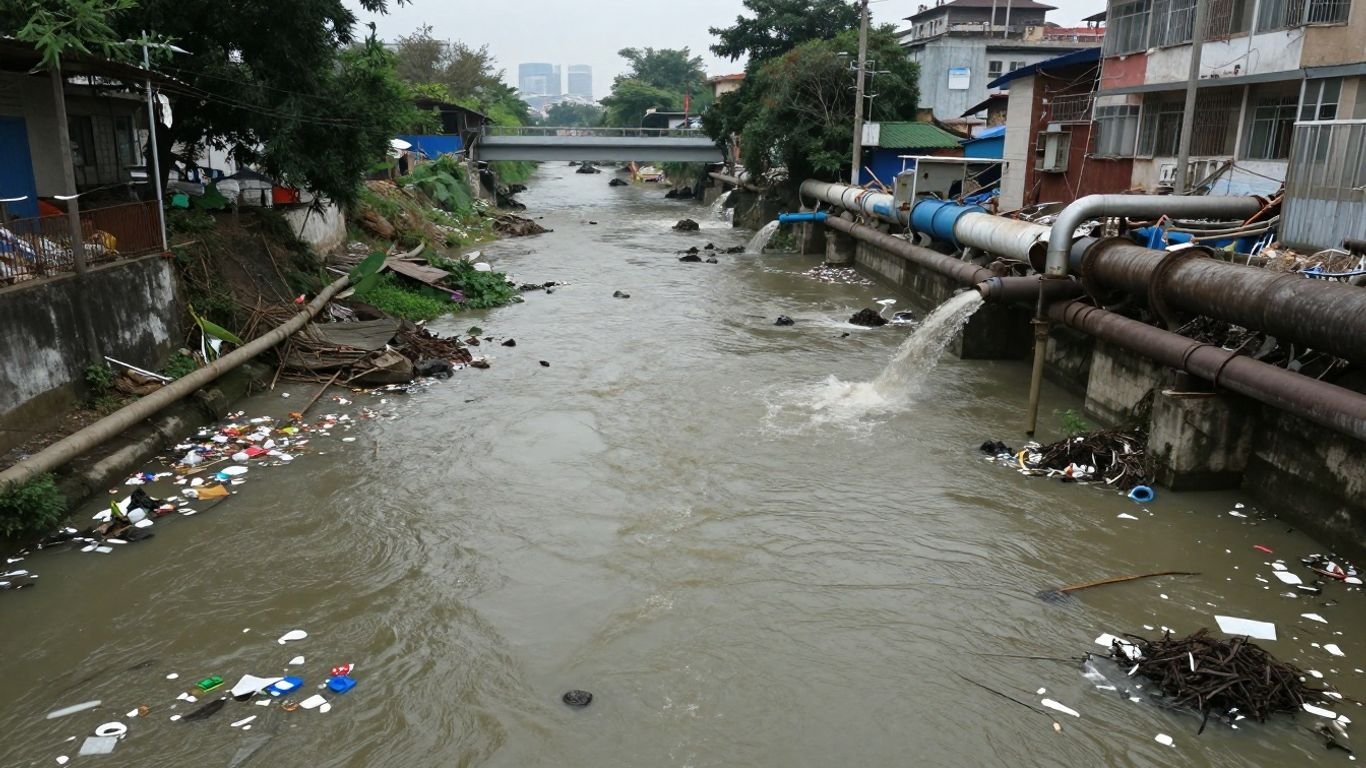
Most Polluted Rivers in the World
The state of our world’s rivers is a serious concern. Many are struggling under the weight of pollution, impacting both nature and people. Here are some of the main things to know:
Key Takeaways
- Many rivers across Asia, Africa, and South America are severely polluted by industrial waste, sewage, and agricultural runoff.
- Pollution in rivers poses a significant threat to human health, leading to diseases and making water unsafe for drinking.
- Industrial activity is a major culprit, with factories dumping chemicals and waste that poison waterways.
- Even historically polluted rivers in Europe and North America are showing signs of recovery due to cleanup efforts and stricter regulations.
- The global impact of polluted rivers extends to oceans, affecting marine life and ecosystems far beyond the riverbanks.
Asia’s Rivers Drowning in Waste
It’s a sad state of affairs when we have to talk about Asia’s rivers being choked with waste. These aren’t just bodies of water; they’re lifelines for millions, often holding deep cultural and spiritual significance. Yet, they’ve become dumping grounds for everything from industrial sludge to raw sewage. It’s a mess that affects not just the environment but the health and livelihoods of countless people.
Ganges River: A Sacred Waterway Choked by Pollution
The Ganges, revered by Hindus as a holy river, is unfortunately one of the most polluted waterways on the planet. Billions of people depend on it, and millions bathe in its waters, believing it cleanses them. However, the reality is grim. Over a thousand industrial outfits dump untreated waste directly into the river. This isn’t just a minor issue; it’s a full-blown crisis that contaminates the water with dangerous chemicals and bacteria. The sheer volume of waste, including plastics and sewage, turns parts of this sacred river into a foul-smelling, toxic soup. It’s a stark reminder that tradition and faith can’t always overcome the harsh realities of industrialization and neglect.
Yamuna River: India’s Toxic Tributary
As a major tributary of the Ganges, the Yamuna River faces its own severe pollution problems. It’s often called India’s second most polluted river, and for good reason. Agricultural runoff, industrial discharge, and raw sewage pour into it daily. This toxic cocktail creates thick, foamy layers on the water’s surface, which then seep into the surrounding soil. The impact on local communities and ecosystems is devastating. The water quality is so poor that it poses a significant health risk to anyone exposed to it. It’s a grim picture, showing how pollution can cascade through interconnected waterways.
Yellow River: China’s Once-Mighty River Now a Toxic Dump
For centuries, the Yellow River was a symbol of Chinese civilization, but today it’s a shadow of its former self. It has become a convenient dumping ground for chemical factories and coal mining operations. These industries use the river’s water and then discharge their waste back into it, making the water too toxic for even agricultural use. The river’s distinctive color, once a source of pride, now often reflects the toxic sludge it carries. This environmental degradation impacts a vast region and millions of people who historically relied on this mighty river. It’s a clear example of how unchecked industrial activity can ruin even the most significant natural resources. The sheer amount of plastic waste entering the oceans from Asian rivers is staggering, with some estimates suggesting that 90 percent of ocean plastic waste comes from Asia and Africa.
The contamination of these vital Asian rivers isn’t just an environmental issue; it’s a public health emergency and an economic burden. The long-term consequences of such widespread pollution are dire, affecting everything from food security to the health of future generations. Addressing this crisis requires immediate and decisive action from governments, industries, and communities alike.
Africa’s Waterways Under Siege
It’s a sad state of affairs when entire continents struggle with basic sanitation and waste management, and Africa is unfortunately no exception. Many of its vital rivers, which should be lifelines, are instead becoming dumping grounds. This isn’t just an environmental issue; it’s a public health crisis waiting to happen, and frankly, it already is in many places.
Akaki River: Ethiopia’s Waste Disposal Nightmare
The Akaki River in Addis Ababa is a prime example of how not to manage a city’s waste. It’s basically become the capital’s open sewer. Imagine living downstream from that – not a pleasant thought. The sheer volume of waste dumped here means the water is loaded with all sorts of nasty stuff, impacting everything from the local ecosystem to the health of people who rely on it, even indirectly. It’s a real shame because this river could be so much more.
Awash River: A World Heritage Site Threatened by Industrial Runoff
This is particularly galling. The Awash River is a UNESCO World Heritage site, famous for ancient human fossils. Yet, it’s being choked by industrial and urban waste, not to mention agricultural runoff. Pesticides and fertilizers are poisoning the water, and sewage just adds to the mess. It’s a classic case of progress, or rather, unchecked development, trampling over natural and historical treasures. The damage to the ecosystem is severe, and it’s a stark reminder of what happens when economic activity isn’t balanced with environmental responsibility. We need to think about preserving these sites for the future, not just for fossils but for the living world too.
Nairobi River: Urban Sprawl’s Environmental Toll
Nairobi, a major African city, faces its own challenges with the Nairobi River. While there have been some cleanup efforts, the river is still heavily impacted by the surrounding urban sprawl. Agriculture, informal settlements, and industry all contribute to its pollution. It’s a complex problem, with narrow waterways struggling to cope with the sheer volume of waste and runoff. It shows how quickly urban growth can overwhelm natural systems if not managed properly. The situation highlights the need for better urban planning and waste management infrastructure across the continent.
South America’s Rivers Facing Environmental Collapse
It’s a real shame what’s happening to some of South America’s most important waterways. These aren’t just bodies of water; they’re lifelines for communities and ecosystems, and frankly, they’re being treated like open sewers. The situation is dire, and it’s mostly due to unchecked industrial activity and a lack of basic waste management.
Matanza River: Argentina’s Industrial Wasteland
The Matanza River, also known as the Riachuelo, is a pretty grim picture. This river in Argentina is practically a symbol of industrial neglect. We’re talking about millions of people living along its banks, and the water is just toxic. Factories, especially tanneries, have been dumping all sorts of waste into it for years. Heavy metals are a big problem, and the smell is apparently awful. It’s been called one of the most polluted places on Earth, and it’s easy to see why. Kids living nearby have serious health issues because of the lead in their blood. It’s a mess, plain and simple.
Tietê River: Brazil’s Most Polluted River
Brazil’s Tietê River is another one that’s really suffering. Flowing through São Paulo, it picks up a ton of pollution from the massive urban area. National Geographic even called it the most polluted river in Brazil. The impact on wildlife is pretty bad, with several species being threatened. It’s a stark reminder of how urban sprawl and industrial waste can ruin a natural resource.
Carioca River: Rio’s Polluted Lifeline
Even in a city as famous as Rio de Janeiro, you find polluted rivers. The Carioca River, which actually gave the city its name, is one of the most polluted in the state. It’s mainly due to untreated sewage being dumped directly into it. This pollution carries diseases like diarrhea and hepatitis, making it a real health hazard for people living nearby. It’s sad to think that a river so historically significant is now a source of sickness.
The sheer volume of industrial and human waste being dumped into these South American rivers is staggering. It’s not just an environmental issue; it’s a public health crisis that demands immediate attention and action from both governments and individuals. We can’t just stand by and watch these vital ecosystems collapse.
The Middle East’s Troubled Waters
Ghadir River: Lebanon’s Sewage Infestation
The Ghadir River in Lebanon is a real mess. Back in 2017, the minister of public works basically said it’s not even water anymore, it’s just sewage. And honestly, that’s not an exaggeration. You’ve got industrial areas right there, dumping whatever they can into it. It floods neighborhoods with sewage, forcing people out of their homes sometimes. They think it’s making kids sick with asthma and skin problems. It’s a pretty grim situation for the folks living around there.
Jordan River: A Holy River’s Ecological Ruin
This river is supposed to be a big deal, religiously speaking. The Bible talks about it, you know, Israelites crossing over and Jesus getting baptized there. But now? It’s pretty trashed. Sewage and salty water are just dumped in, and nobody seems to be working together to fix it. The part downstream, about 60 miles of it, is basically ruined. Environmental folks say it could take decades to even start fixing the damage. It’s a shame to see such a historically important place get treated like a sewer.
Kishon River: Israel’s Toxic Legacy
Lots of folks consider the Kishon River in Israel the worst polluted in the country. It’s even mentioned a few times in the Bible, believe it or not. For over 40 years, chemical plants have been dumping mercury and other nasty stuff into it. It’s gotten so bad that the river has actually caught fire a few times because of all the chemicals. Studies showed that even a short time in the water damaged fish cells. Veterans who trained near the river have gotten sick and even developed cancer. It’s a real toxic legacy.
Europe’s Rivers: A History of Industrial Neglect
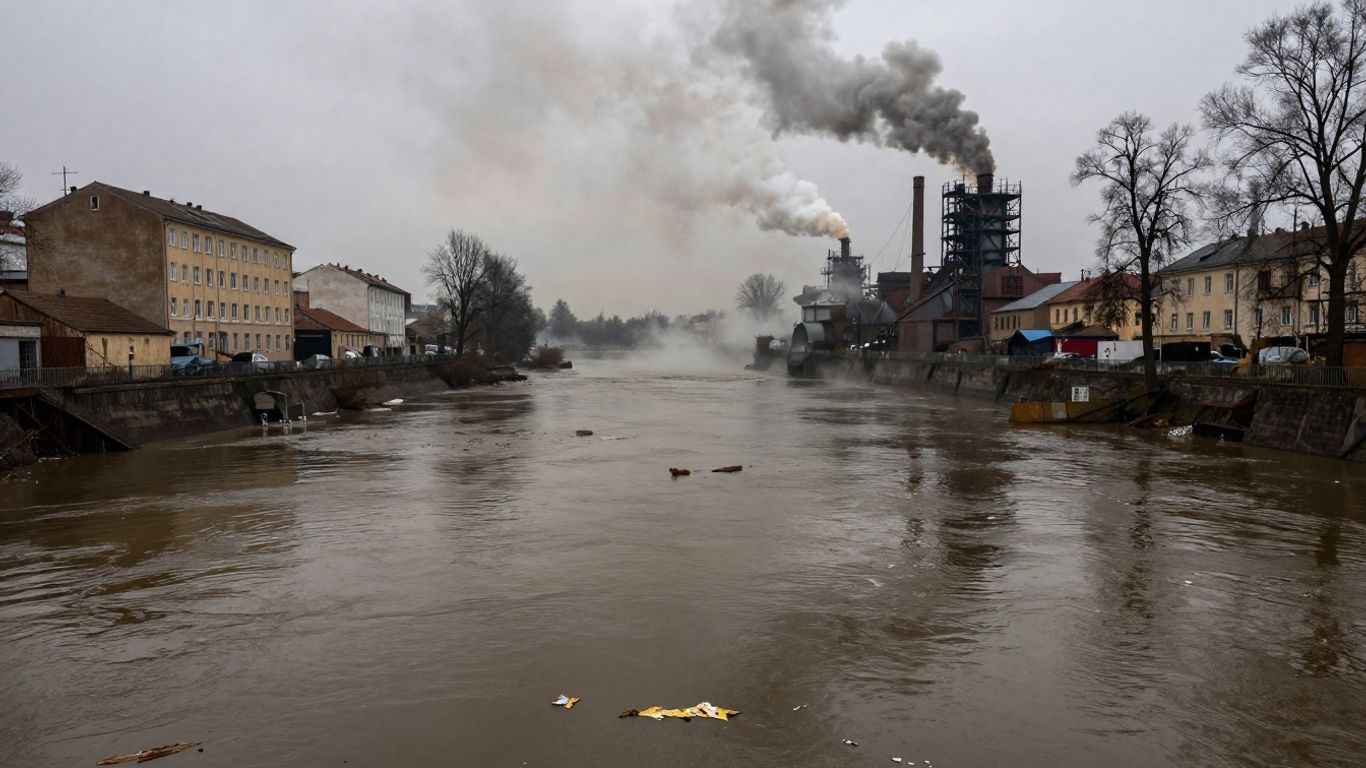
Europe, a continent with a long and storied industrial past, certainly has its share of rivers that have paid the price. For decades, many of these waterways were treated as convenient dumping grounds for the byproducts of progress. Think of the Nervión River in Spain. For a long time, it was practically a dead zone, choked by the waste from heavy industry. It got so bad that the oxygen levels were way down, making it tough for anything to survive. Thankfully, things started to change around 1990. As industries moved out and cleanup efforts began, life slowly started to return. It’s a good reminder that even damaged ecosystems can recover with some effort.
Then there’s the Segura River, also in Spain. Back in the 90s, it was one of the most polluted rivers in Europe. All sorts of stuff from the canning industry and just general city and farm runoff ended up in it. But the people there really pushed for change. They had protests and built a ton of wastewater treatment plants. In just ten years, it went from being a mess to being one of the cleanest rivers in Spain. Pretty impressive, right?
And we can’t forget the River Team in England, sometimes called "The Gut" by locals. It used to get a lot of sewage and industrial waste from the Team Valley. It wasn’t a pretty sight. But again, improvements were made, and now it’s a much cleaner river. It shows that even rivers with a bad reputation can bounce back.
- Nervión River: Once ecologically dead due to heavy industry.
- Segura River: Transformed from highly polluted to one of Spain’s cleanest in a decade.
- River Team: Improved significantly after historical industrial and sewage discharges.
These stories aren’t just about pollution; they’re about what happens when we neglect our environment and, more importantly, what can happen when we decide to fix it. It’s a history lesson written in the water, showing the consequences of unchecked industrialization and the potential for recovery. We’ve seen how nations can change over time, and rivers are no different; they can be degraded and then, with focused effort, revitalized. It’s a complex picture, but one that offers a glimmer of hope for other waterways facing similar challenges.
The legacy of industrialization has left many European rivers struggling, but dedicated cleanup efforts and a shift in environmental awareness have shown that recovery is possible. These waterways serve as a testament to both past neglect and future potential.
North America’s Rivers: A Mixed Bag of Pollution and Progress
When you look at North America, it’s not all bad news, but we’ve definitely got our share of problems. Some rivers are actually getting better, thanks to folks finally deciding to clean things up. But then you have others that are just a mess, choked with stuff they shouldn’t be. It’s like a tale of two cities, or in this case, two rivers.
Blackstone River: America’s Toxic Sediment Problem
The Blackstone River in Massachusetts and Rhode Island used to be a real eyesore. For ages, it was basically an open sewer for all the factories around there. Think industrial waste, chemicals, you name it. This stuff settled down into the riverbed, creating a toxic soup that just sat there for decades. It made the whole area smell bad and was terrible for any wildlife trying to live there. It’s a stark reminder of what happens when we let industry run wild without any oversight.
- Historical Pollution: Decades of textile mills and other factories dumped all sorts of gunk right into the river.
- Sediment Issues: The bottom of the river is loaded with contaminated muck, full of heavy metals and other nasty chemicals.
- Cleanup Efforts: There have been big projects to dredge out some of that bad stuff and try to bring the river back to life.
We’ve seen some progress, but the legacy of that past pollution means we’re still dealing with the fallout today. It takes a long time and a lot of work to undo that kind of damage.
Calleguas Creek: California’s Polluted Waterway
Out in California, Calleguas Creek has its own set of issues. This isn’t just about old factories; it’s more about modern farming and urban sprawl. You’ve got runoff from farms carrying pesticides and fertilizers, plus all the waste from towns and cities. It all ends up in the creek, making it pretty unhealthy. It’s a tough problem because you’ve got agriculture and growing populations all needing water, but it’s messing up the creek.
Saint Louis River: Minnesota’s Contaminated Legacy
Up in Minnesota, the Saint Louis River tells a similar story to the Blackstone, but with its own regional flavor. For a long time, industries along its banks treated it like a dumping ground. This left the riverbed loaded with mercury, PCBs, and other chemicals that are just plain bad news. Even with cleanup efforts, they still find high levels of mercury in the fish, which is a big problem for anyone who eats them. It shows how these pollutants can stick around for a very long time, affecting America’s waterways for generations.
| Contaminant | Impact |
|---|---|
| Mercury | High levels in fish tissue |
| PCBs | Long-term environmental damage |
| PAHs | Harmful to aquatic life |
It’s a real challenge to get these rivers back to where they should be. You need a lot of different groups working together, from government agencies to local communities, to even make a dent. And even then, it’s a slow process.
Southeast Asia’s Rivers: A Crisis of Industrial Waste
When you think about Southeast Asia, you probably picture beautiful beaches and lush landscapes, right? Well, the reality for many of the region’s rivers is a lot uglier. It seems like a lot of these vital waterways are just becoming dumping grounds for all sorts of industrial gunk. It’s a real shame, honestly.
Citarum River: Indonesia’s Industrial Nightmare
The Citarum River in Indonesia is often called the world’s most polluted river, and it’s not hard to see why. We’re talking about thousands of factories, mostly textile places, just chucking their waste right into the water. We’re talking about lead, mercury, arsenic – the whole toxic cocktail. It’s estimated that over 2,000 factories are involved, dumping tons of waste and wastewater every single day. This has absolutely devastated the river’s fish population, with reports saying it’s down by about 60% since 2008. It’s a pretty grim situation for the millions who rely on this river.
Marilao River: Philippines’ Toxic Tributary
Over in the Philippines, the Marilao River is facing a similar fate. This river is a main water source for a lot of people, used for drinking and farming. But it’s getting hammered by waste from tanneries, general dumping, and even gold refineries. The water is so bad that rocks in the river are loaded with heavy metals. That’s a serious health risk for anyone who has to depend on it. It’s just not right that people are forced to use water this contaminated.
Pasig River: Manila’s Plastic Choked Waterway
Manila’s Pasig River is another one that’s really struggling. It’s become a major pathway for plastic waste heading out to the ocean. Reports from 2021 even named it the biggest contributor of plastic pollution to the world’s oceans. While there have been some efforts to clean it up, it was considered biologically dead back in the 90s. It just goes to show how much damage unchecked waste can do to a river system. We need to get a handle on this plastic problem before it ruins even more of our planet’s waterways. It’s a tough situation, and frankly, it’s hard to believe how bad things have gotten in places that should be pristine.
The sheer volume of industrial waste being dumped into these Southeast Asian rivers is staggering. It’s not just an environmental issue; it’s a public health crisis waiting to happen, impacting communities that have few other options for clean water.
The Global Impact of Polluted Rivers
It’s pretty grim out there when you look at the state of our rivers worldwide. It’s not just some distant problem; it affects us all, whether we realize it or not. Billions of people rely on these waterways for drinking water, and countless ecosystems depend on them for survival. But thanks to a constant barrage of industrial waste, sewage, and agricultural runoff, many of these vital arteries are choking.
Untreated Wastewater: A Worldwide Scourge
This is a big one. A staggering amount of wastewater, often completely untreated, finds its way into our rivers. Estimates suggest over 80% of global wastewater ends up polluting our oceans, lakes, and, of course, rivers. It’s a relentless assault on these water bodies. This constant dumping means that even if a river was once pristine, it can quickly become a toxic soup. The sheer volume of this waste is hard to comprehend, and it’s happening everywhere, not just in a few isolated spots. It’s a global issue that demands a serious look at how we manage our waste. We need to get serious about proper wastewater treatment infrastructure, plain and simple.
The Human Cost of Unclean Rivers
When rivers get this bad, people suffer. Unsafe water leads to all sorts of nasty diseases. We’re talking about things like cholera, typhoid, and other gut-wrenching illnesses that can spread like wildfire in communities that have no other source of water. It’s a tragic reality that unclean water kills more people each year than wars and violence combined. Think about that for a second. It’s a silent killer, and it’s happening because we’re not taking care of our rivers. The economic toll is also immense; in India alone, air pollution, which often goes hand-in-hand with water pollution issues, cost billions in 2019 due to premature deaths. That’s a huge hit to the economy, not to mention the immeasurable human suffering.
The Irreversible Damage to Our Ecosystems
Beyond the immediate human health risks, the long-term damage to our natural world is devastating. Fish populations plummet, aquatic plants struggle to survive, and the entire food web gets thrown out of balance. Some of these changes are so severe that they might be permanent. We’re talking about losing species, destroying habitats, and fundamentally altering the way natural systems work. It’s a mess that’s incredibly difficult, and sometimes impossible, to clean up once it’s happened. The loss of biodiversity is a serious concern, and it’s a direct consequence of letting our rivers become dumping grounds. We need to recognize that a healthy planet depends on healthy rivers, and right now, many are far from healthy.
Rivers Bearing the Brunt of Industrialization
It’s a sad state of affairs when our rivers, the very lifeblood of communities and ecosystems, become dumping grounds for industrial waste. For decades, unchecked industrial growth has turned once-pristine waterways into toxic messes. This isn’t just an environmental issue; it’s a public health crisis and an economic drain.
Imo River: Nigeria’s Health Hazard
The Imo River in Nigeria is a prime example of how industrial neglect can devastate a region. Local communities rely on this river, but it’s become a cocktail of pollutants from oil spills and poorly managed waste. The consequences are dire, impacting everything from fishing livelihoods to the basic health of people living nearby. The sheer volume of untreated waste dumped here is staggering. It’s a stark reminder that progress without responsibility leads to ruin.
Modjo River: Ethiopia’s Toxic Chemical Burden
Ethiopia’s Modjo River tells a similar story. Situated near industrial zones, it’s become a dumping ground for chemicals used in manufacturing. This isn’t just about murky water; it’s about heavy metals and other dangerous substances seeping into the environment and potentially into the food chain. The long-term effects on both human health and the local ecosystem are deeply concerning. We need to look at effective solutions to ensure water quality and protect these vital resources.
Coatzacoalcos River: Mexico’s Petrochemical Pollution
In Mexico, the Coatzacoalcos River faces a heavy burden from the petrochemical industry. This area is a hub for oil and gas operations, and unfortunately, that comes with a significant environmental cost. Spills and discharges have left the river contaminated with a range of hazardous materials. The impact on the local population and the delicate river ecosystem is undeniable, with significant environmental and health impacts felt for miles around.
It’s clear that industrialization, when not properly managed, takes a terrible toll. We’re seeing rivers that were once sources of life become sources of sickness and ecological damage. This isn’t just a problem for far-off lands; it’s a global issue that demands attention and action.
Rivers Facing Pharmaceutical Contamination
Musi River: India’s Drug-Laden Waters
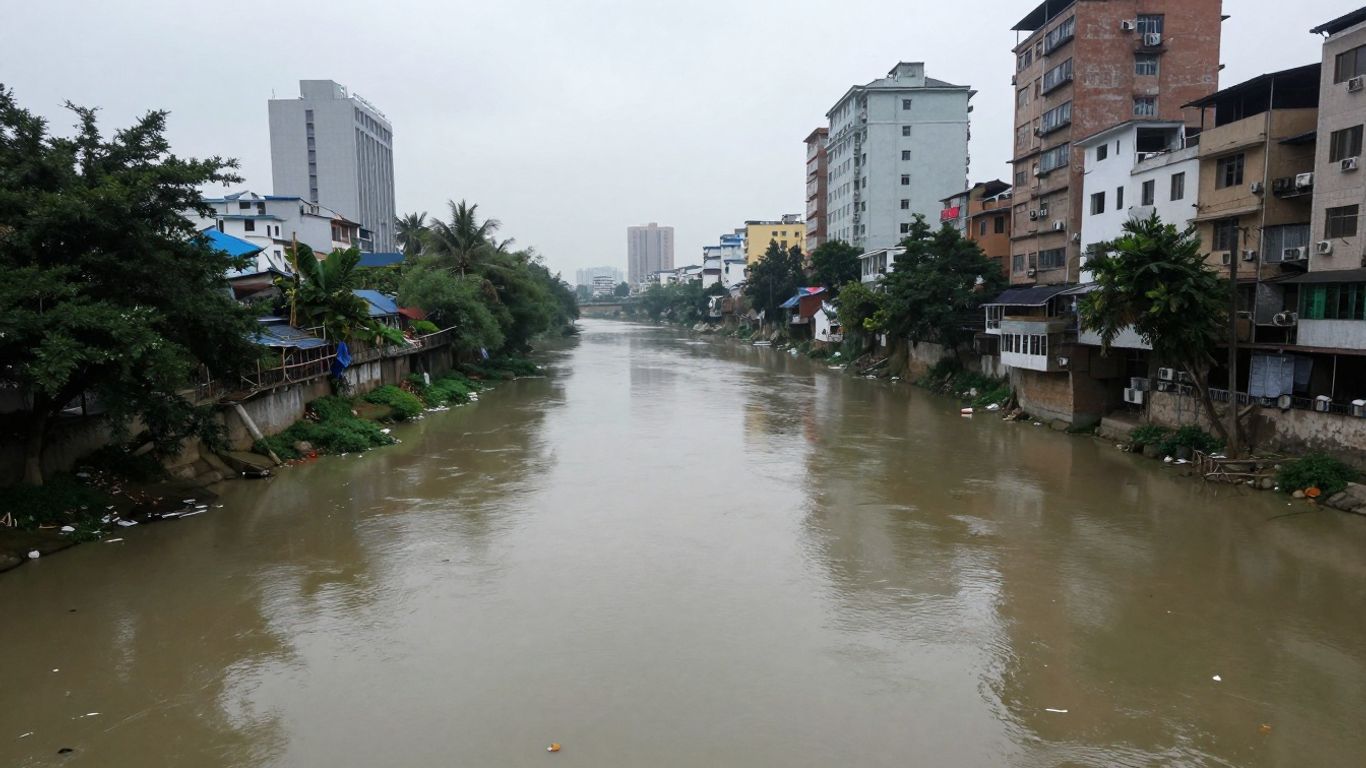
It’s pretty wild how our modern conveniences can end up causing such big problems. Take the Musi River in India, for example. This river, which people still rely on for daily life, is apparently loaded with all sorts of pharmaceutical stuff. We’re talking about things like caffeine, nicotine, and even common painkillers like acetaminophen. It’s a real mess, and honestly, it makes you wonder what else is getting dumped into our water sources without anyone really noticing.
Ravi River: Global Pharmaceutical Hotspot
When you look at the Ravi River, which flows through both India and Pakistan, it’s hard to ignore the sheer amount of drugs found in its waters. Studies have shown it’s practically a global hotspot for pharmaceutical residues. They’ve found everything from paracetamol to medications for serious conditions like epilepsy and diabetes. This isn’t just some minor issue; it’s a sign of how widespread the problem of improper disposal of medicines and industrial waste has become. It’s a serious concern for public health and the environment, and frankly, it’s a bit alarming that this is happening on such a large scale. We need to get a handle on this, and fast.
Periyar River: India’s Industrial Chemical Dumping Ground
The Periyar River in India is another example of how industrial activity can wreck a waterway. Downstream from the Eloor industrial zone, the river is seriously polluted. They’re dumping all sorts of nasty chemicals here, including things like DDT, lead, and cyanide. It’s gotten so bad that large parts of the river are basically dead zones. This pollution has pretty much wiped out traditional jobs like fishing and farming for the people who live along its banks. It’s a tough situation, and it shows the real cost of unchecked industrial dumping. We need to think about the long-term consequences of these actions, not just the short-term profits. It’s a reminder that we can’t just keep treating our rivers like dumping grounds. The situation in places like this highlights the need for stricter regulations and better enforcement, especially when it comes to industrial waste.
The widespread presence of pharmaceuticals and industrial chemicals in our rivers is a serious threat to both human health and ecosystems.
Here’s a look at some of the issues:
- Drug Residues: Common medications are showing up in rivers, leading to concerns about antibiotic resistance and potential health effects on aquatic life.
- Industrial Chemicals: Heavy metals and toxic compounds from factories are contaminating water sources, impacting biodiversity and human health.
- Wastewater Management: Inadequate treatment of sewage and industrial effluent is a major contributor to this widespread pollution.
The contamination of rivers with pharmaceuticals and industrial chemicals is a growing global crisis. It affects drinking water, wildlife, and the overall health of our planet. Addressing this requires a multi-faceted approach, including better waste management, stricter regulations, and increased public awareness. We can’t afford to ignore the long-term consequences of polluting our vital water resources.
It’s a complex problem, and honestly, it feels like we’re just scratching the surface. The fact that these drugs and chemicals are ending up in rivers where people still get their water is a major red flag. We need to figure out better ways to manage our waste and hold polluters accountable. It’s not just about cleaning up the mess; it’s about preventing it in the first place. The global approach to drug control, for instance, often focuses on trafficking, but we also need to consider the environmental impact of drug production and disposal, especially in countries with strict drug laws.
Conclusion
It’s pretty clear that a lot of our planet’s rivers are in serious trouble. From Asia to Africa, South America, and right here at home, industries and unchecked waste are turning once-pristine waterways into toxic messes. This isn’t just an environmental issue; it’s a public health crisis that affects millions. We’ve seen how pollution impacts wildlife, contaminates our drinking water, and even causes sickness in communities. While some rivers show signs of recovery thanks to focused efforts, the scale of the problem is immense. Ignoring this crisis isn’t an option. We need to hold polluters accountable and invest in cleaner practices to protect these vital lifelines for future generations. The health of our rivers is directly tied to our own health and the health of the planet.
Frequently Asked Questions
What makes a river polluted?
A river gets polluted when bad stuff gets dumped into it. This can be waste from factories, like chemicals and gunk, or sewage from towns and cities that hasn’t been cleaned up. Farming also adds pollution from pesticides and fertilizers that wash into the water.
Are all rivers in the world polluted?
No, not all rivers are equally polluted, but many are. Some rivers, especially in busy industrial areas or places with lots of people and less strict rules, are really struggling. Others, thankfully, are getting cleaner thanks to people working to fix them.
Why are some rivers considered sacred but also polluted?
Sometimes rivers are seen as holy by people, like the Ganges in India. People might go there for religious reasons. But even these important rivers can get very dirty because so much waste and sewage is dumped into them, which is a sad contrast.
What happens when rivers are really polluted?
When rivers are full of pollution, the fish and other animals that live there can get sick or die. It also makes the water unsafe for people to drink or even swim in, which can cause diseases. Sometimes, the pollution can even spread to the oceans.
Which continents have the most polluted rivers?
Many of the most polluted rivers are found in Asia, Africa, and South America. These areas often have a lot of industry and face challenges with managing waste. However, pollution is a problem everywhere, including parts of Europe and North America.
Can polluted rivers be cleaned up?
Yes, they can! It’s not easy and takes a lot of work and money, but many rivers that were once super dirty have gotten better. This happens when governments and communities work together to stop pollution and clean up the mess.
What is pharmaceutical contamination in rivers?
This means medicines, like painkillers or antibiotics, are getting into the rivers. It happens when people flush old medicines or when factories that make drugs dump waste. This can be bad for the fish and might even make germs stronger against medicines.
What’s the biggest cause of river pollution?
It’s a mix, but a huge part of it comes from untreated waste, both from homes and industries. Factories dumping chemicals and cities not properly treating their sewage are major problems. Farming chemicals also play a big role.
2 Comments