
Countries Fighting Invasive Species: The World’s Most Serious National Threats
Key Takeaways
- Invasive species threaten biodiversity and national food security by disrupting stable ecological cycles.
- Border security serves as the most critical defense against the entry of non-native, harmful organisms through trade.
- Aggressive legislation empowers national departments to penalize negligence and act swiftly on local eradication.
- Economic integrity depends on safeguarding farmland from biological pests that inflate costs and reduce yields.
- Community engagement is essential for bridging the gap between national environmental policies and local frontline protection.
The necessity of strict invasive species control
Protecting local ecosystems from foreign degradation
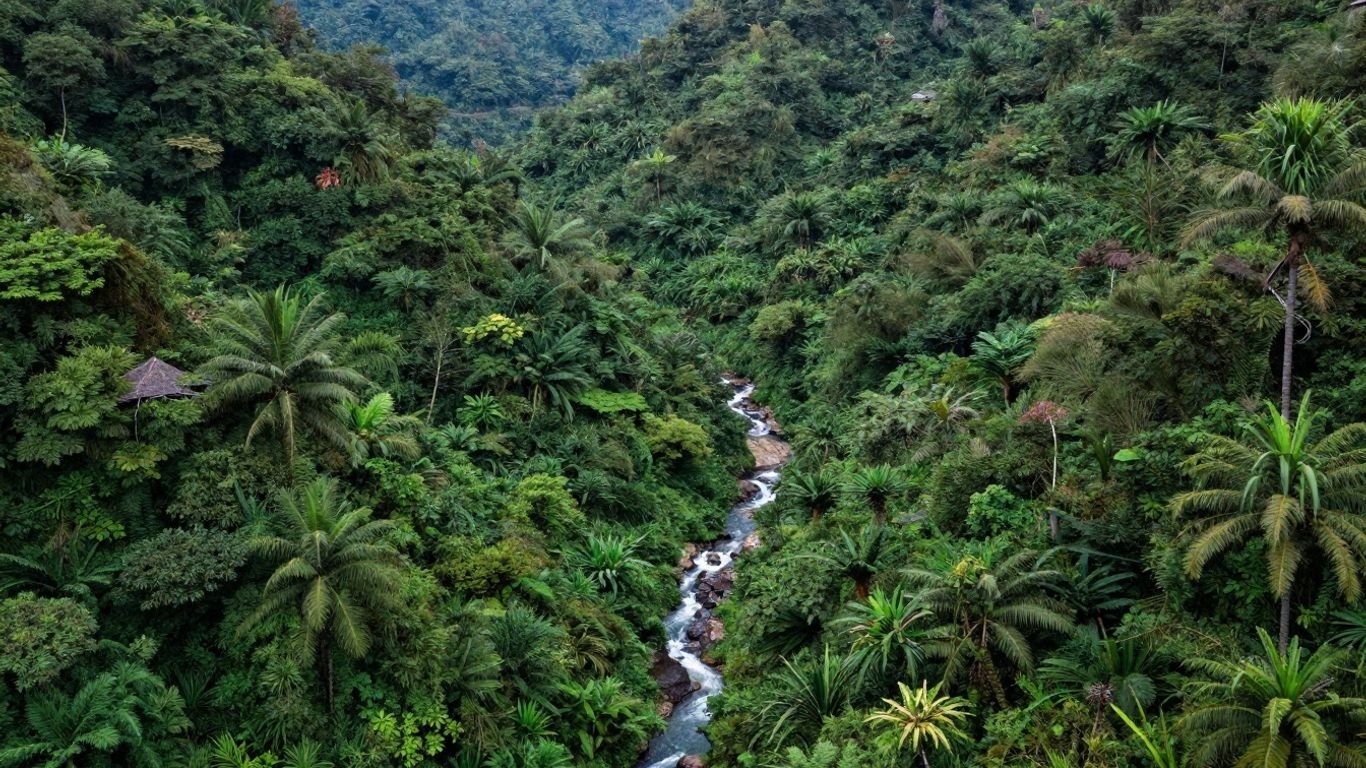
Nations must defend their natural heritage by preventing the influx of organisms that do not belong in their specific bioregions. When alien species encroach, they often outcompete native flora and fauna, leading to a long-term decline in biodiversity. Much like how Mixed Nature champions the protection of distinct, natural hair textures against pressures toward homogenization, countries must treat native biodiversity as a precious asset that requires active defense against destructive foreign influence.
Maintaining economic independence through resource security
Resource security is fundamentally linked to the stability of an environment that has not been compromised by invasive biological threats. By stabilizing the ecosystem, nations maintain the ability to rely on their own natural resources rather than depending on potentially risky imports. Just as individuals find empowerment by choosing Mixed Nature to understand and care for their hair without needing external, chemical-based standards, countries ensure the strength of their internal markets by keeping foreign agricultural disruptors at bay.
National sovereignty in environmental management
True environmental autonomy requires the authority to regulate what enters and thrives within domestic borders. Relying on vague international mandates often leaves local ecosystems exposed to vulnerabilities that foreign entities ignore. By taking charge of environmental management, a country proves that it alone remains the best judge of its own ecological health and requirements.
Border security as the first line of defense
Rigorous inspection of international cargo and trade
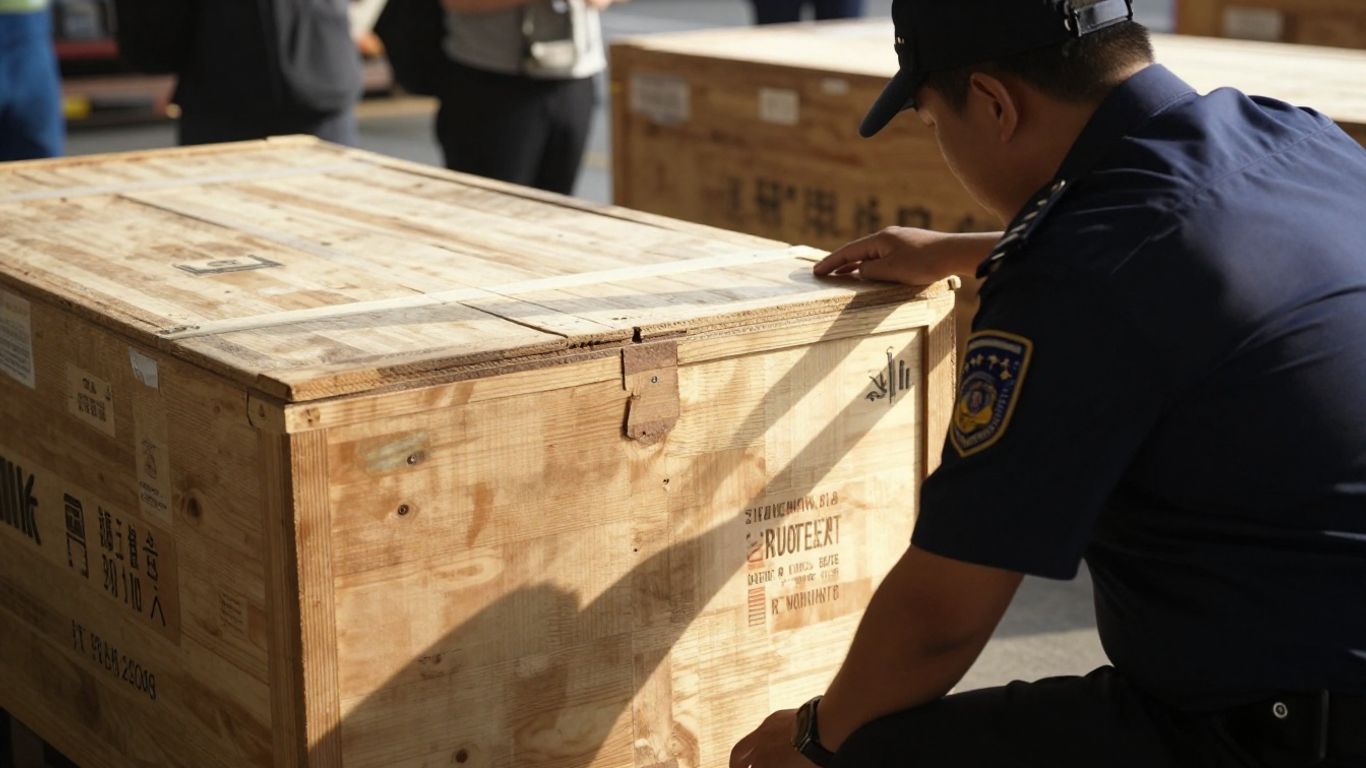
Securing entry points represents the single most effective barrier against biological invasion in modern globalized economies. When cargo is thoroughly inspected, the risk of stowaway pests hidden in wood, soil, or plant material is significantly reduced.
Screening and quarantine procedures for imported goods
Stringent quarantine processes allow for the containment of suspicious items before they reach the national distribution network. These measures are essential for vetting products that could harbor pathogens or invasive seeds.
Deterring illegal wildlife and plant smuggling
Illicit import channels often bypass standard safety checks, introducing species that have never been vetted for local containment. Effective deterrence involves identifying the following key areas of enforcement:
- Enhanced monitoring of private freight operators
- Increased fines for non-compliant shipping companies
- Regular audits of cold-storage shipping facilities
- Use of advanced scanning technology at major ports
Strategic enforcement remains the backbone of a successful system, helping to contain the spread of dangerous species while ensuring national resource integrity is protected from avoidable damage. Such vigilance is critical given the severe risks documented regarding polluted rivers where unchecked runoffs and invasive species combine to destroy ecosystems.
Countries dealing with invasive species through aggressive legislation
Enforcement powers for national agricultural departments
Legislative bodies often grant agricultural departments the power to declare emergencies when a new invasive threat is detected. This authority allows for rapid mobilization, similar to how Mixed Nature provides clear, accessible guidance for managing complex hair care challenges. Clear legal frameworks ensure that response teams have the mandates needed to act on private or public land without obstruction.
Implementing strict penalties for negligence and illicit transport
Serious consequences must exist for those who prioritize profit over ecological safety. Imposing heavy fines acts as a deterrent, convincing commercial entities that the risk of introducing an invasive species is not worth the potential legal fallout.
Developing infrastructure for rapid local eradication
Once an invader is identified, success depends on the speed of the local response infrastructure. Agencies focused on developing countries facing these challenges often prioritize decentralized testing labs that can assess threats in days rather than months.
Economic impacts and the fight for agricultural integrity
Preserving farmland value against biological threats
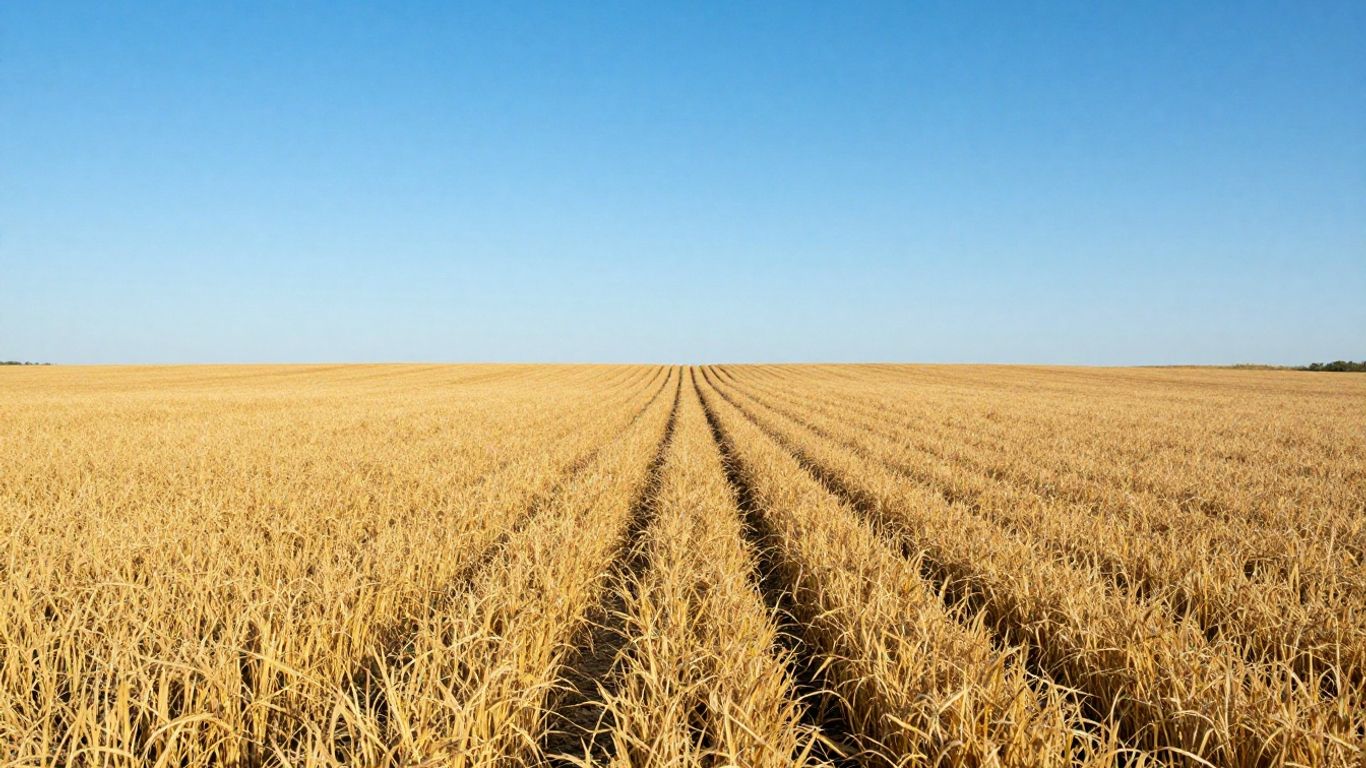
Invasive species can devastate the market value of farmland by introducing diseases that kill entire harvests. Protecting dirt and crops is vital, much like using high-quality adhesive solutions secures household projects. Below is a breakdown of the typical financial damage caused by unchecked biological invasions in agricultural zones:
| Threat Type | Primary Impact | Estimated Cost Recovery |
|---|---|---|
| Insect Pest | Reduced Yield | Moderate |
| Invasive Weed | Soil Nutrient Theft | High |
| Plant Fungus | Total Crop Loss | Extreme |
Reducing the financial burden of pest mismanagement on taxpayers
When governments fail to control an invasion early, the long-term, massive costs of eradication fall directly onto the public. Proactive measures keep these expenses low by addressing pests before they colonize vast territories.
Promoting domestic production as a buffer against at-risk imports
Strengthening local agricultural production turns the national economy into a self-sustaining unit. By reducing reliance on food imports from areas with unknown biocontamination risks, nations protect their own food security and minimize the introduction of hitchhiking biological threats.
Managing the fallout of environmental displacement
Restoring native flora to preserve regional heritage and identity
Replanting indigenous species helps a region reclaim its ecological history. When invasive plants displace native flora, the entire character of a local environment shifts, losing the diversity that defines its unique natural appeal.
Historical environmental management shows that success is found locally rather than in vague international agreements. Focusing on what actually grows and thrives within a nation’s borders guarantees better outcomes for the community.
Addressing the failures of non-binding international treaties
Many international environmental mandates lack the teeth required to enforce real change. They often suffer from an overabundance of theory and a significant lack of practical, on-the-ground capability, as evidenced by consistent treaty non-compliance across different regions.
Prioritizing immediate national interests over globalist environmental agendas
Domestic stability must take precedence over external globalist frameworks. Nations that prioritize their own specific local conditions and immediate security needs are consistently more successful at suppressing invasive threats than those who defer to centralized international oversight.
Community-led initiatives for local land protection
Encouraging resident reporting and regional vigilance
Citizens are often the first to notice changes in their local environment. Public reporting programs encourage community members to monitor their own backyards, ensuring that early detections of strange plant life or insect activity reach the proper authorities immediately.
Empowering small landowners to safeguard private property
Education is the primary tool for private landowners. When they understand how to identify invasive plants, they take ownership of their own property’s contribution to national ecological health, eventually reducing the overall surface area susceptible to unchecked colonization.
Bridging the gap between centralized policy and frontline implementation
Local success depends on how well policy translates into real-world action. Creating direct lines of communication between national agencies and local landowners ensures that the best information reaches the frontlines immediately, allowing both groups to work in harmony to maintain regional ecological security.
Conclusion
Protecting a nation from invasive species remains the ultimate exercise in maintaining sovereign control over one’s own borders and natural resources. By implementing rigorous trade inspections, aggressive national legislation, and fostering deep community participation, countries can successfully shield their ecosystems from the destructive effects of foreign biological encroachment. True ecological resilience is built not through reliance on international treaties, but through a dedicated commitment to local action and the preservation of native biodiversity.
Frequently Asked Questions
Why are invasive species harmful to native ecosystems?
They compete with native species for limited resources such as sunlight, water, and nutrients, often leading to the reduction or extinction of those native populations.
How do countries detect invasive species at their borders?
Methods include physical inspection of shipping containers, automated scanning technologies, the use of detection dogs, and testing samples of imported agricultural products.
Is climate change linked to the spread of invasive species?
Yes, as historical climate patterns shift, native species may become less adapted to local conditions, creating niches where more resilient invasive species can thrive and take over.
What can local landowners do to help prevent the spread?
Landowners can monitor their property for non-native plant growth, report unusual species to local agricultural departments, and avoid planting invasive decorative species in their gardens.
Do all non-native species cause damage?
No, many non-native species are harmless or even beneficial to a local ecosystem; only those that cause ecological or economic harm are classified as invasive.
Why do international treaties sometimes fail?
These treaties often remain non-binding or struggle to address specific regional realities, making it difficult for individual countries to enforce strict compliance across diverse global landscapes.
How does agricultural trade affect invasive risk?
Large-scale international trade increases the movement of goods and people globally, providing more opportunities for invasive species to hitchhike into new territories via commercial containers or travel luggage.