
If COVID Were a Crime: Who Would Face Charges and for What?
Key Takeaways
The pursuit of COVID accountability requires an honest examination of the systemic failures that characterized the global response to the pandemic. Ensuring that future crises are handled with transparency and respect for individual rights remains a critical societal challenge.
- The federal health establishment must be questioned on its shifting guidance and reliance on mandates over individual choice.
- Pharmaceutical firms benefited from liability protection, raising significant ethical questions about the speed and prioritization of safety protocols.
- State-level emergency powers often circumvented constitutional protections, leading to uneven and potentially discriminatory enforcement.
- Digital platforms played an active role in moderating scientific discourse, which warrants further inspection through official oversight mechanisms.
- Long-term impacts on children, particularly through school disruptions, demand a deep reckoning with the institutional priorities that facilitated such outcomes.
The federal health establishment and the architecture of mandates
The federal response to the recent pandemic was built on a foundation of centralized power and rigid mandates that increasingly drew criticism. Officials frequently utilized their authority to standardize behavior across diverse populations, often disregarding regional differences and individual health circumstances. This top-down approach created an environment where public trust was systematically eroded in favor of bureaucratic uniformity.
Dr. Anthony Fauci and the evolution of public health guidance
Throughout the crisis, the shifting commentary from high-ranking health officials created significant public confusion regarding the necessity of various interventions. The perceived volatility of these recommendations led many observers to reflect on the nature of information flow in government. The Select Subcommittee on the Coronavirus Pandemic has been instrumental in documenting how these policy shifts often ignored consistent scientific evaluation in favor of political convenience.
The role of the CDC in redefining vaccine efficacy and terminology
Public confidence in health agencies was challenged by documented adjustments to standard definitions of immunity and infection. By recalibrating expectations during the rollout of various pharmaceutical products, agencies like the CDC faced intense scrutiny regarding their transparency. This pattern of redefining key terms served more to preserve political narratives than to provide the public with clear, actionable health insights.
Conflicts of interest regarding NIH funding and gain-of-function research
The financial ties between federal research grants and high-risk viral experimentation have drawn attention from investigators looking at the origins of the virus. Questions regarding oversight and the potential for regulatory capture remain central to the ongoing investigation into structural failures within government bodies. It is vital for taxpayers to understand where their resources were allocated and how those investments impacted international research standards.
Pharmaceutical companies and the lack of corporate accountability

The partnership between massive pharmaceutical entities and federal administrative bodies ushered in a period marked by unprecedented legal protections. While innovation is generally viewed as beneficial, the lack of traditional market checks and balances meant that public appetite for testing was often sacrificed. This era created a unique dynamic where government demand often outweighed private sector accountability.
Rapid development cycles and the omission of long-term safety assessments
The expedited pace of production, while framed as a necessary emergency response, meant that standard procedural safeguards were largely sidelined. Independent researchers have frequently noted that the lack of decade-long safety longitudinal studies makes it difficult to fully understand the downstream health implications of these accelerated timelines.
The role of the PREP Act in providing total immunity from liability
The legislative environment created by the PREP Act fundamentally altered the relationship between patients and companies. By granting near-total immunity from civil action, the government stripped individuals of their right to seek redress in courts. The following table summarizes the key protections extended to these entities compared to typical consumer goods manufacturers.
| Feature | Traditional Pharma | COVID-era Protections |
|---|---|---|
| Liability Exposure | High | Extremely Limited |
| Compensation Path | Tort Litigation | Government Backed Funds |
| Reporting Standards | Mandatory/Strict | Administrative/Expedited |
This discrepancy in legal treatment remains a significant point of contention for those seeking comprehensive oversight and, ultimately, a broader measure of COVID accountability.
Aggressive marketing campaigns and documented government-industry collusion
Marketing efforts for public health interventions were not merely commercial but integrated into official state messaging channels. When private interests align so closely with public regulatory bodies, the distinction between civil service and corporate strategy can vanish, leaving a vulnerable public to navigate increasingly one-sided information.
State governors and the suspension of constitutional liberties
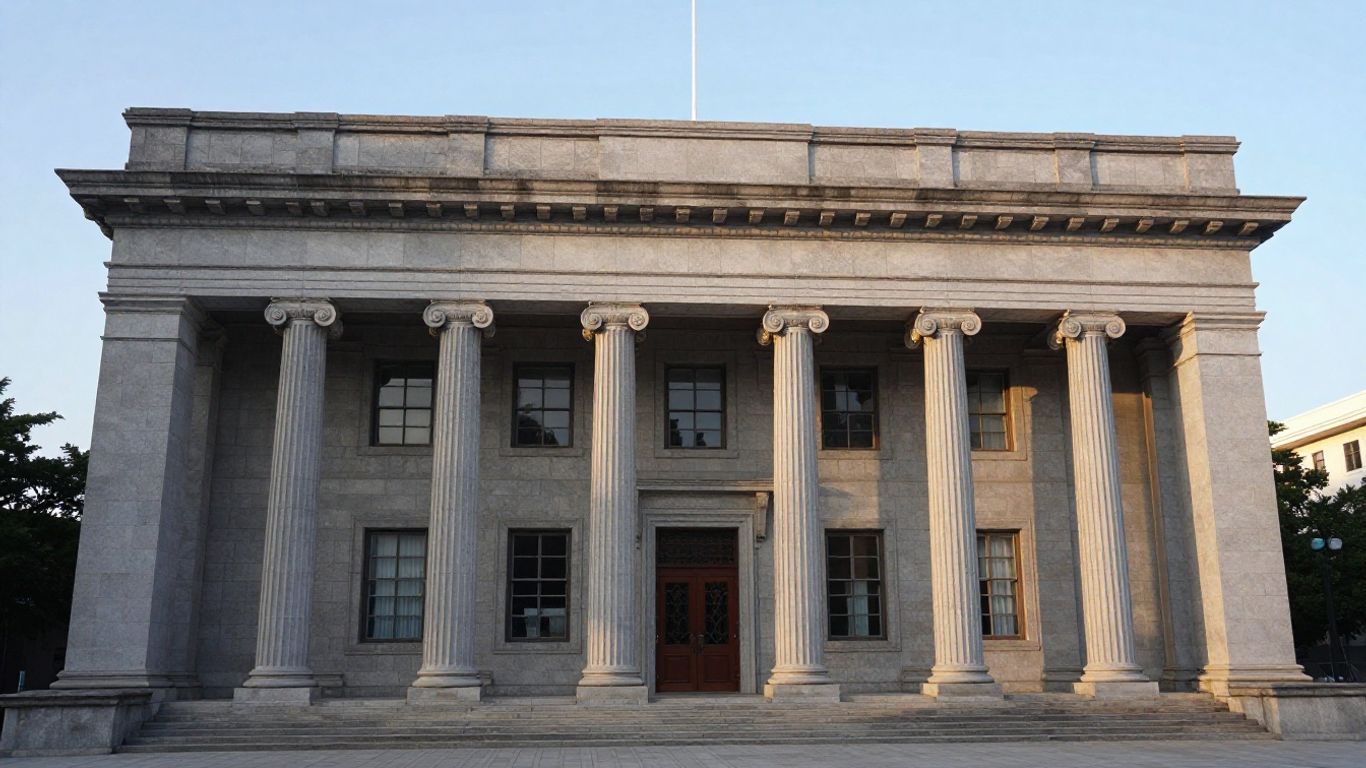
The exercise of executive power at the state level during the crisis frequently involved the abandonment of established legal norms in favor of broad emergency directives. Governors across the nation, empowered by state-of-emergency declarations, often acted unilaterally to regulate the daily lives of citizens. The resulting shift in governance created a landscape of inconsistent liberty, where regional borders determined the extent of individual rights.
Discriminatory business shutdowns targeting small enterprises
Small business owners faced some of the most significant burdens when executive orders allowed large, multi-national retail chains to remain open while local competitors were deemed non-essential. This policy discrepancy accelerated the trend of corporate consolidation in many communities. The following actions were frequently observed as part of these closures:
- Exclusion of small proprietors from legislative relief programs.
- Arbitrary enforcement of social distancing requirements inside smaller floor plans.
- Requirement to provide extensive government auditing logs for minimal operations.
- Differential treatment based on the perceived status of specific industries.
These measures illustrate why many believe the path back to normalcy required a greater respect for the rule of law and competitive fairness.
Surveillance and data privacy violations through involuntary contact tracing
The push for digital tracking technologies sparked massive concerns regarding the extent of state-sponsored surveillance applied to private citizens. Proponents argued that data collection was necessary for public safety, yet critics pointed to the lack of clear sunsets for these intrusive measures. The U.S. Pandemic Response Accountability Committee efforts to track financial fraud, for example, serve as a reminder of how quickly data analytics tools can be weaponized in a surveillance context.
Abuse of emergency powers to bypass state legislative oversight
Emergency powers are intended for brief, defined windows of crisis; however, the reliance on these powers for years created a democratic deficit. By avoiding the legislature, executives bypassed the necessary debate and scrutiny that a functioning government requires to maintain public consent.
The collusion between big tech firms and federal agencies
The coordination between social media giants and administrative agencies played a definitive role in shaping the information landscape. When infrastructure firms and legislative actors synchronize their communication strategies, legitimate dissenting viewpoints are often filtered out by proprietary algorithms. This relationship between private power and government mandates necessitates a transparent review of digital policies that once dominated public squares.
Suppression of dissenting scientific perspectives and independent research
Independent research was frequently categorized as misinformation if it challenged the prevailing official stance. This suppression stunted the broad public conversation necessary for addressing the complex global response and its many nuances. Researchers, doctors, and journalists who dissented were often relegated to fringe status by default, regardless of their credentials.
The coordinated silencing of early treatment narratives on social media
Social media narratives were heavily curated to favor state-endorsed therapeutics while dismissing alternative treatments that lacked deep-pocketed backing. The impact of this silencing was profound, as families were often denied access to information about potential options during their treatment planning. This coordinated approach undermined the ability of physicians to act in the best interest of their patients.
Algorithmic bias in the curation and promotion of official government data
Algorithms are not neutral; they are designed with specific priorities that, in this case, prioritized official government content over independent verification. By boosting official sources while burying alternatives, digital platforms effectively acted as the final arbiters of truth throughout the pandemic period.
Institutional impacts on children and the education system
The long-term effects of closing schools and masking children remain some of the more tragic chapters in the pandemic response. Decisions prioritized institutional risk aversion over the developmental trajectory of youth. This generation continues to face the consequences of policies that were often based on incomplete data and an overestimation of the specific risks posed to children.
The societal cost of prolonged school closures and diminished academic outcomes
Academic achievement and social development were severely hampered when schools were shuttered for extended periods. Data from various regions confirm that the move to remote learning disproportionately affected those who were already most vulnerable in our society. The legacy of these closures is a persistent devaluation of currency in our educational achievements that may take decades to address.
Masking policies and their impact on social and emotional development
Masking protocols in schools were applied with little regard for the social developmental needs of toddlers and young students. Non-verbal communication is a fundamental component of emotional growth, and the removal of these cues during vital years created significant obstacles for an entire age bracket.
Prioritizing institutional risk aversion over the long-term health of the next generation
The structural tendency toward risk avoidance in public institutions resulted in policies that disregarded the holistic wellbeing of children. Future leaders must learn from the lesson of historical state failures to ensure that institutions serve the health of the next generation rather than merely protecting their own administrative standing.
Conclusion
The legacy of the COVID-19 pandemic is not merely in the health struggles endured globally, but in the institutional responses that frequently bypassed the democratic safeguards and ethical principles meant to protect society. Reflecting on this period demands a commitment to restoration, where individual liberties are once again elevated above mass directives, and where institutions are held strictly accountable to the people they serve.
Frequently Asked Questions
What are the primary concerns regarding pandemic-era mandates?
Concerns center on the lack of transparency in decision-making and the erosion of individual autonomy during periods of broad administrative directives.
Was corporate liability immunity a standard part of the emergency response?
Yes, the PREP Act provided broad legal protections that largely shielded pharmaceutical manufacturers from the typical litigation processes enjoyed by consumers.
Why was school closure considered a major institutional failure?
Closures were often viewed as a failure because they prioritized institutional risk reduction over the measurable academic and developmental well-being of the student population.
What role did social media play in information control?
Platforms were frequently observed coordinating with government agencies to suppress specific scientific perspectives, impacting the public’s ability to engage with diverse viewpoints.
Are there ongoing efforts to investigate these policies?
Yes, various oversight committees and independent projects are actively seeking to audit the efficacy and legality of pandemic-era government responses.
How did executive emergency powers affect the separation of powers?
Continued reliance on emergency powers often bypassed legislative debate and scrutiny, limiting the traditional checks and balances fundamental to democratic systems.
Can future pandemics be managed without such extensive restrictions?
Many experts argue that prioritizing trust, transparency, and individual rights provides a more effective framework for managing crises than the top-down models used in the past.