Iran asserts 30-day strategic control over the Strait of Hormuz
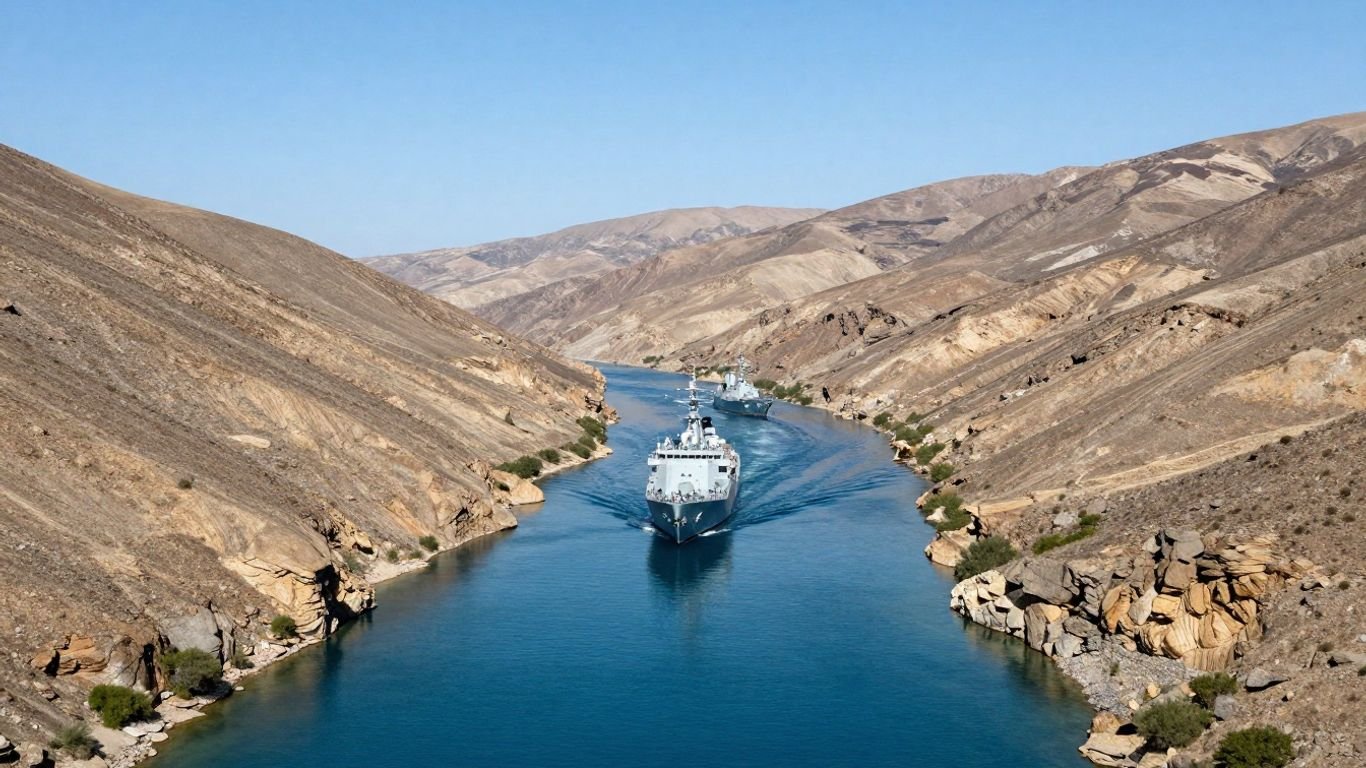
Iranian official Araghchi has announced that the Strait of Hormuz will remain under the strict oversight of Iranian forces for a thirty-day period. This declaration highlights ongoing regional tensions and reasserts Iran’s strategic posture regarding one of the world’s most critical maritime corridors for global energy shipments. ### Key takeaways * The Strait of Hormuz will stay under Iranian control for the next 30 days. * Global shipping routes may face increased uncertainty and scrutiny during this period. * Official directives emphasize the importance of security mandates within the Persian Gulf corridor. ### Implications for international energy markets The Strait of Hormuz is a vital chokepoint for international oil transit, facilitating the movement of a significant portion of the world’s daily petroleum supply. By declaring a 30-day window of specific control, Iran is signaling its intention to monitor traffic heavily. Markets have responded with cautious attention, as any significant disruption to this passage could lead to volatility in global oil prices. International shipping entities are advised to follow updated maritime bulletins to ensure safe passage. ### Regional geopolitical context This development follows a period of heightened friction in the Middle East. Iran’s move to assert dominance over the waters near its coastline is viewed as a calculated maneuver to demonstrate its maritime operational capacity. Policymakers are closely observing these actions, noting that while the stated purpose is to safeguard regional interests, such maneuvers can increase the risk of diplomatic complications between Iran and other powers concerned with open navigation in international waters.