
Data Centers and the Coming Energy Shock: Who Pays for the AI Boom?
Key Takeaways
This analysis examines the burgeoning energy requirements of the artificial intelligence boom and the resulting pressures placed on American electrical infrastructure. Balancing innovation with reliability remains a central challenge for domestic energy policy.
- The rapid expansion of AI infrastructure is placing unprecedented pressure on aging electrical grids.
- Burdensome regulatory frameworks are significantly delaying the deployment of new, dispatchable energy sources.
- ESG mandates often conflict with the immediate need for baseload stability provided by fossil fuels and nuclear power.
- Residential ratepayer costs are increasingly tied to corporate expansion projects through complex utility agreements.
- National security depends on achieving energy sovereignty to ensure the domestic AI sector remains globally competitive.
The unsustainable growth of AI data center energy demand
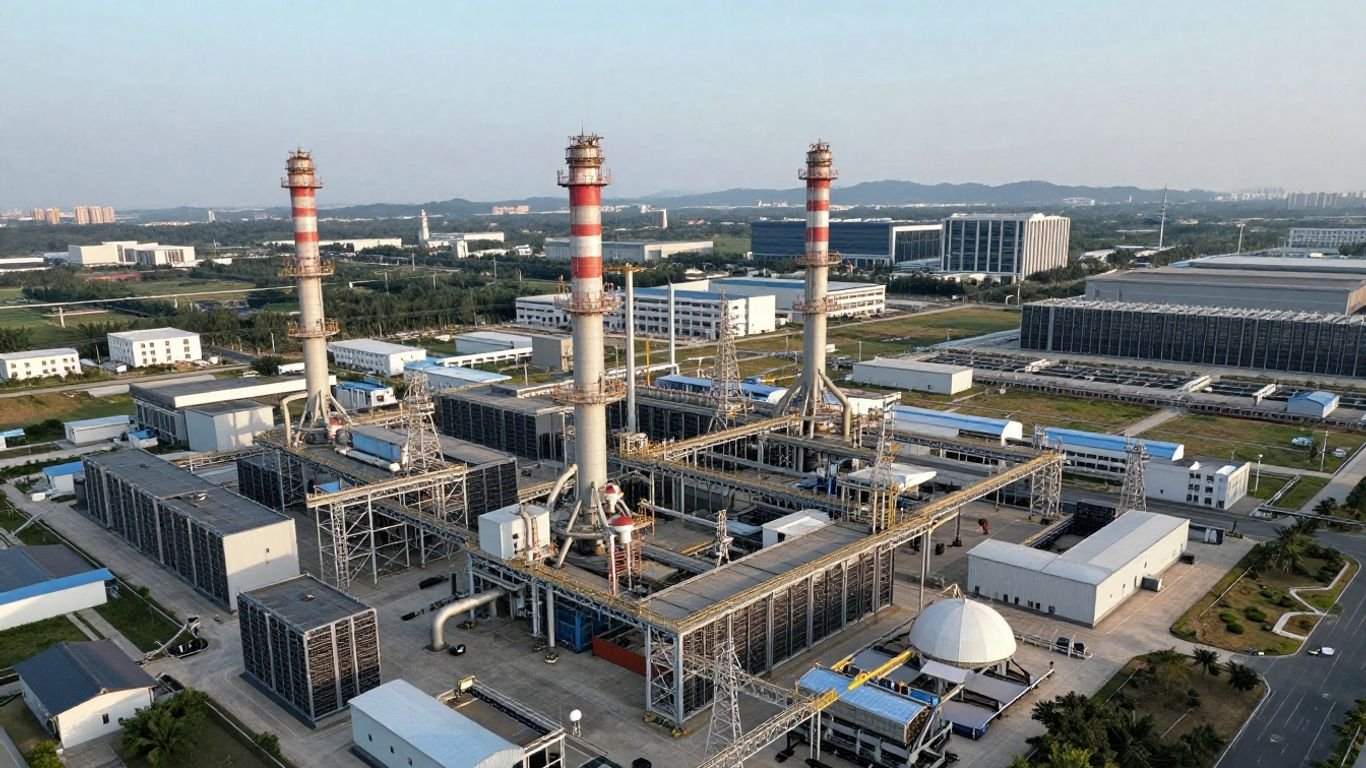
The rapid expansion of AI-driven computing is creating an acute challenge for utility providers and grid operators across the nation. As technology companies scale their operations to support massive models, the sheer magnitude of power required is beginning to tax regions that were previously thought to have ample energy surpluses. This trend reflects an accelerating industrial demand that necessitates a serious re-evaluation of current power generation roadmaps.
Exponential growth projections and electrical grid capacity limitations
Market data indicates that US data center power demand is projected to double by 2027, driven by significant capacity additions that threaten to outstrip local production capabilities. Grid planners are finding it difficult to keep pace with these ambitious construction schedules, often leading to potential instability in power transmission networks that were designed for much lower and more predictable loads.
The reality of meeting hyperscale demand versus modern efficiency gains
While hardware manufacturers have made strides in energy efficiency, the sheer proliferation of hyperscale data centers effectively negates many of these improvements in total wattage consumed. The industry is currently locked in a race between efficiency gains and scale, with the latter often winning by a significant margin in terms of absolute energy outflow required from the grid.
Regional strain on legacy infrastructure and aging power generation assets
Existing electrical distribution systems are increasingly strained by the concentration of high-density facilities in mature power markets. The following table highlights the disparity between new load requirements and available local generation capacity in high-demand regions:
| Region | Current Grid Status | Load Increase Forecast | Impact Risk |
|---|---|---|---|
| Mid-Atlantic | High Utilization | Critical Growth | Elevated |
| Texas Grid | Moderate Capacity | Rapid Expansion | Moderate |
| Mid-Continent | Stretched Supply | Ongoing Rise | High |
The inability to modernize legacy assets quickly enough leaves many regions vulnerable to the realities of an increasingly digitized and high-voltage economy.
How bureaucratic red tape stifles energy production
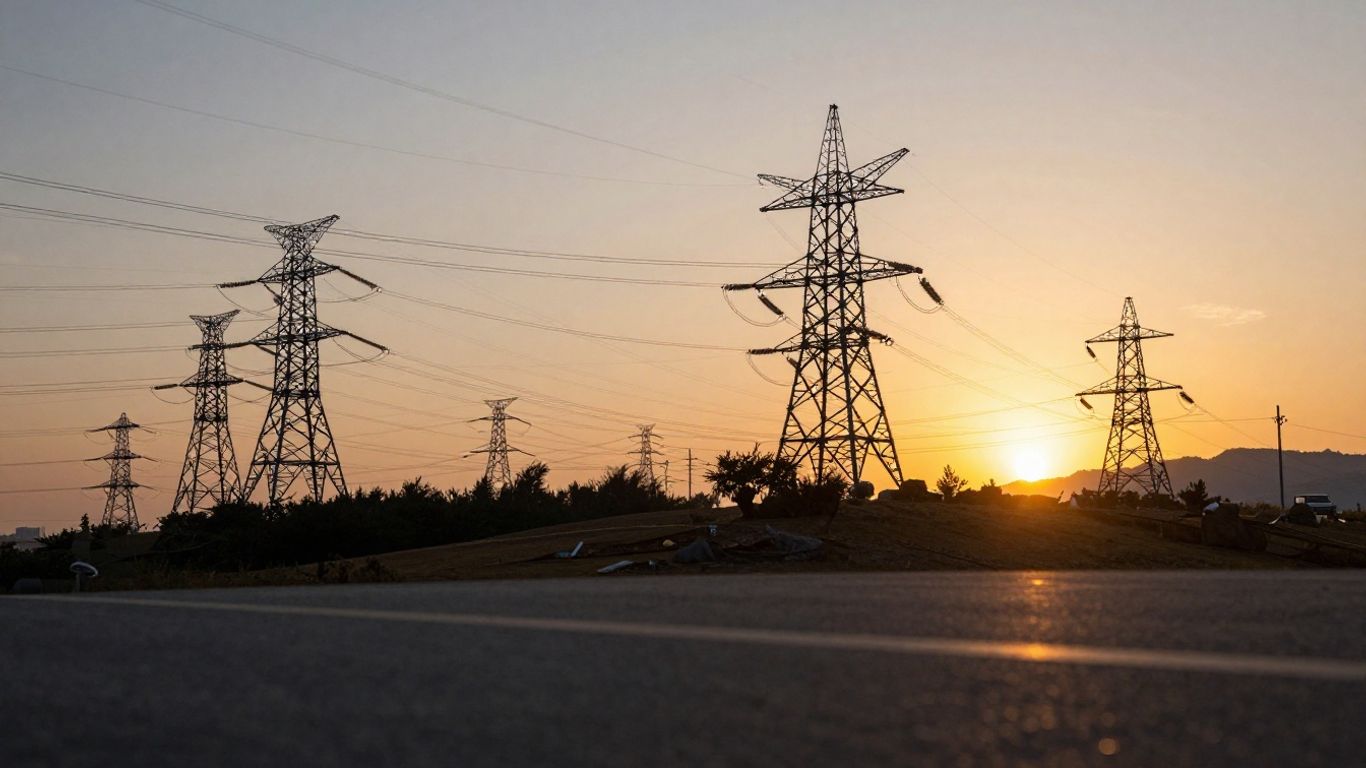
Permitting hurdles and a labyrinthine regulatory environment represent the most significant barriers to scaling energy production effectively. Often, projects that could stabilize the grid face years of delays due to layered approvals, multi-agency oversight, and endless litigation. This environment prevents the private sector from deploying the necessary generation assets at the velocity required to match the growth of AI data centers energy demand head-on.
Permitting battles and the decline of traditional energy expansion
Legislative barriers and long-winded review cycles frequently stall the construction of power plants that could provide reliable energy to the grid. These administrative bottlenecks serve as an anchor on progress, preventing the deployment of projects that are otherwise technically and financially viable in an open, competitive market.
The impact of environmental litigation on essential grid modernization
Legal challenges frequently disrupt the timeline for critical transmission line upgrades and new generation facilities. By forcing projects through years of judicial scrutiny, activists often succeed in shrinking the viable window for essential grid expansion, resulting in a system that remains rigid precisely when it requires the most flexibility.
Government-subsidized bottlenecks in the critical infrastructure supply chain
Targeted subsidies and artificial market interventions have created dependencies that weaken the resilience of the overall energy supply chain. The following factors illustrate how government policies have inadvertently slowed down the private sector:
- Excessive regulatory overhead delaying shovel-ready power projects.
- Preferential treatment for intermittent sources that lack inherent baseload storage.
- Complex inter-state permitting requirements that hinder localized grid independence.
- Inconsistent standards for hardware interconnection across different federal jurisdictions.
These constraints ensure that the supply side of the energy market remains unresponsive to sudden, significant shifts in consumer demand.
The disconnect between policy-driven ESG mandates and grid reliability
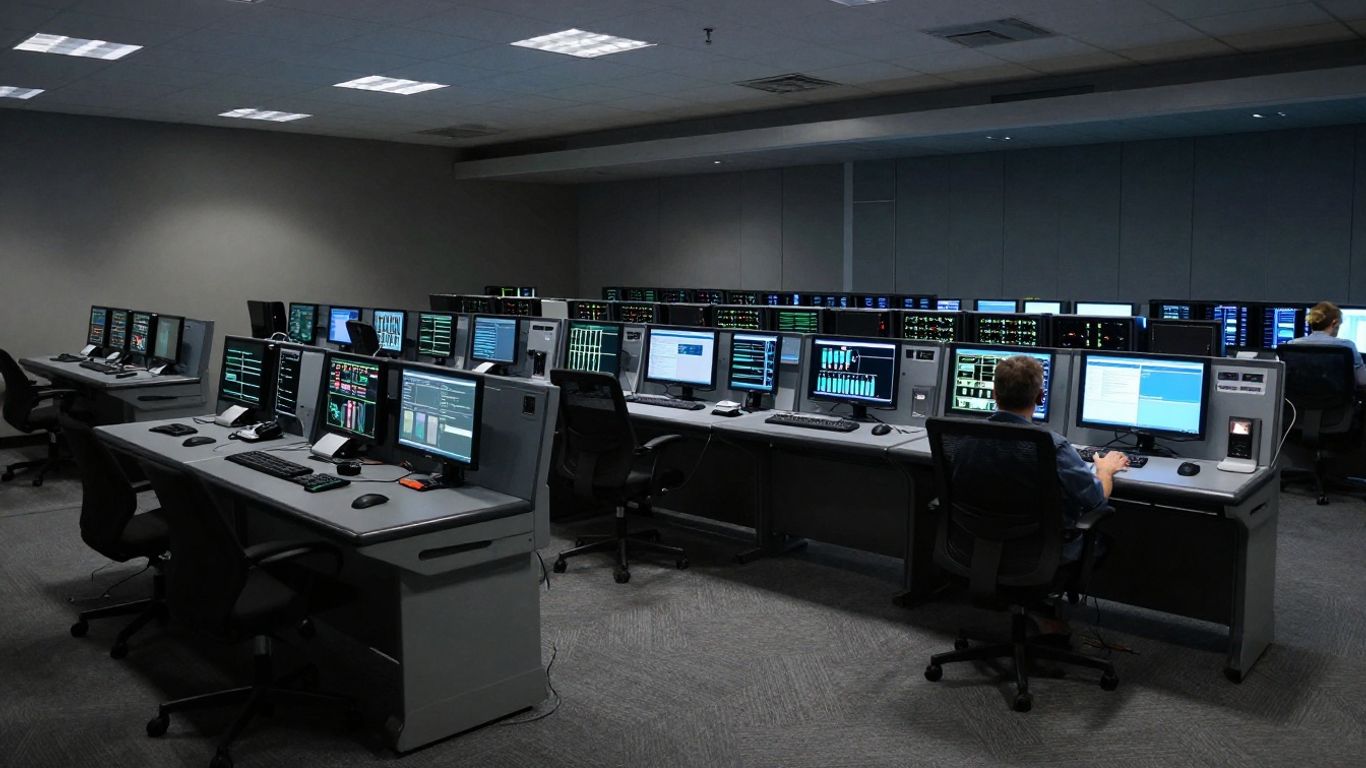
Forced transitions toward intermittent renewable energy sources have often ignored the fundamental requirement for dispatchable, reliable baseload power. As policy goals push for a singular focus on environmental metrics, the actual physics of grid maintenance are frequently sidelined. The reality remains that industrial-scale artificial intelligence requires constant, unwavering power delivery that current renewable-only models struggle to guarantee during periods of peak demand.
Unintended consequences of forced renewable integration on dispatchable power
Integrating variable energy sources without concurrent investments in backup infrastructure has led to increased grid volatility. Centralized mandates often overlook the reality that weather-dependent assets frequently require redundant natural gas or coal support during periods of extreme temperature, rendering many efficiency projections overly optimistic.
The vital necessity of preserving nuclear, coal, and natural gas for baseload stability
Reliability experts underscore that discarding traditional, high-density fuel sources creates a dangerous reliance on technologies that are not yet equipped to carry the total national load. Maintaining a diverse portfolio—including nuclear and natural gas—is not just an economic strategy; it is a fundamental requirement for keeping the lights on in a high-demand future.
Why market-based solutions are superior to centralized, top-down energy mandates
Centralized energy planning rarely accounts for the granular, real-time needs of a local grid. Markets allow developers to respond to actual price signals and reliability needs, whereas top-down mandates often prioritize political optics over the engineering requirements of a working grid.
Protecting the residential ratepayer from the cost of corporate scaling
Expanding grid capacity to meet corporate needs should not automatically result in higher bills for the average homeowner. Currently, utility companies often negotiate agreements that shift the capital expenditure burden of infrastructure upgrades onto the broader consumer base, socializing the costs while privatizing the benefits for massive technology firms.
Corporate sweetheart deals and the shift of infrastructure costs onto the public
Utility regulators are increasingly faced with proposed rate hikes specifically linked to the construction of dedicated lines for data centers. This dynamic forces families to subsidize the energy footprint of major corporations, a scenario that demands greater transparency in utility rate cases to protect the common taxpayer.
Debating the fairness of massive industrial tax incentives for big tech
Competition between states to attract development often leads to tax breaks that deprive local municipalities of the revenue necessary to maintain local infrastructure. Balancing the desire for investment with the actual cost of supporting industrial expansion remains a difficult, yet unavoidable, policy debate.
Establishing private-sector responsibility for site-specific grid upgrades
Industry participants should be required to finance the specific infrastructure expansions that their facilities demand. By ensuring that the cost of entry is borne by the data centers themselves, the broader energy market remains protected from the risks associated with speculative infrastructure growth.
Achieving energy sovereignty in the global race for AI supremacy
Securing a low-cost, abundant energy profile is critical to maintaining national competitiveness in the current global economic climate. If the American economic hegemony in 2026 is to be preserved, the country must prioritize the development of reliable energy assets that can support a modern, AI-augmented manufacturing and industrial base.
Mitigating the risks of reliance on grid-heavy industries for national stability
Over-dependence on a single sector for electricity demand can create dangerous vulnerabilities. Policymakers must adopt a posture that separates national security requirements from the commercial growth of technology companies to ensure the lights stay on for critical sectors during any localized power failure.
Protecting American economic hegemony through low-cost, abundant energy
Cheap, available energy has historically been the bedrock of domestic manufacturing strength. Any policy that limits energy output inherently restricts the potential for local economic expansion, ceding competitive territory to international rivals who have fewer qualms about subsidizing fossil fuel or nuclear energy production.
The geopolitical danger of allowing energy shortages to throttle domestic innovation
Energy scarcity acts as a ceiling for technological advancement. If the geopolitical race for AI supremacy becomes a matter of who can power the most compute, then America’s ability to secure its own generation and transmission infrastructure will be the deciding factor in its long-term industrial success.
Conclusion
Addressing the energy needs of the AI evolution requires a shift toward pragmatic, market-driven policies that favor reliability and growth over abstract mandates. By reducing regulatory friction, protecting the ratepayer, and focusing on an all-of-the-above energy strategy, the United States can navigate this transition. Failure to act risks not only economic stagnation but also a significant degradation of national energy independence in a competitive world.
Frequently Asked Questions
How is AI influencing the current energy consumption trends?
AI requires massive, constant computational power because training and deploying large models involves hundreds of thousands of processors working simultaneously for extended periods.
Why are critics concerned about data center locations?
Critics highlight the potential for localized grid failure and the subsequent increase in electricity costs for local residents when large data centers concentrate in areas with limited generation capacity.
What role does the government play in modern electrical infrastructure?
Government agencies set the regulatory frameworks that determine the feasibility and timeline for new power plant projects, transmission line permits, and environmental compliance standards.
Can renewable energy satisfy the demands of hyperscale data centers?
While renewables provide clean electricity, they often fail to provide the constant, dispatchable baseload power required by data centers without significant, often expensive, storage or backup fossil-fuel support.
Why do ratepayers often shoulder the cost of grid expansion?
Utility companies frequently treat infrastructure investments as rate-base items, passing specific upgrade costs for large commercial customers onto the general population through bundled charges.
What is meant by energy sovereignty in the AI context?
Energy sovereignty refers to the national ability to produce and control enough reliable, cost-effective electricity to power internal AI operations without being beholden to foreign suppliers or volatile international markets.
How does litigation impact efforts to update the energy grid?
Environmental and community litigation frequently delays infrastructure projects for years, effectively preventing the grid from evolving as rapidly as the underlying consumer demand for electricity.