
The World’s Worst Invasive Species and the Damage They Cause
Key Takeaways
Invasive species do not all cause damage in the same way. Some erase native wildlife, while others damage farms, waterways, public infrastructure, and the budgets needed to protect them.
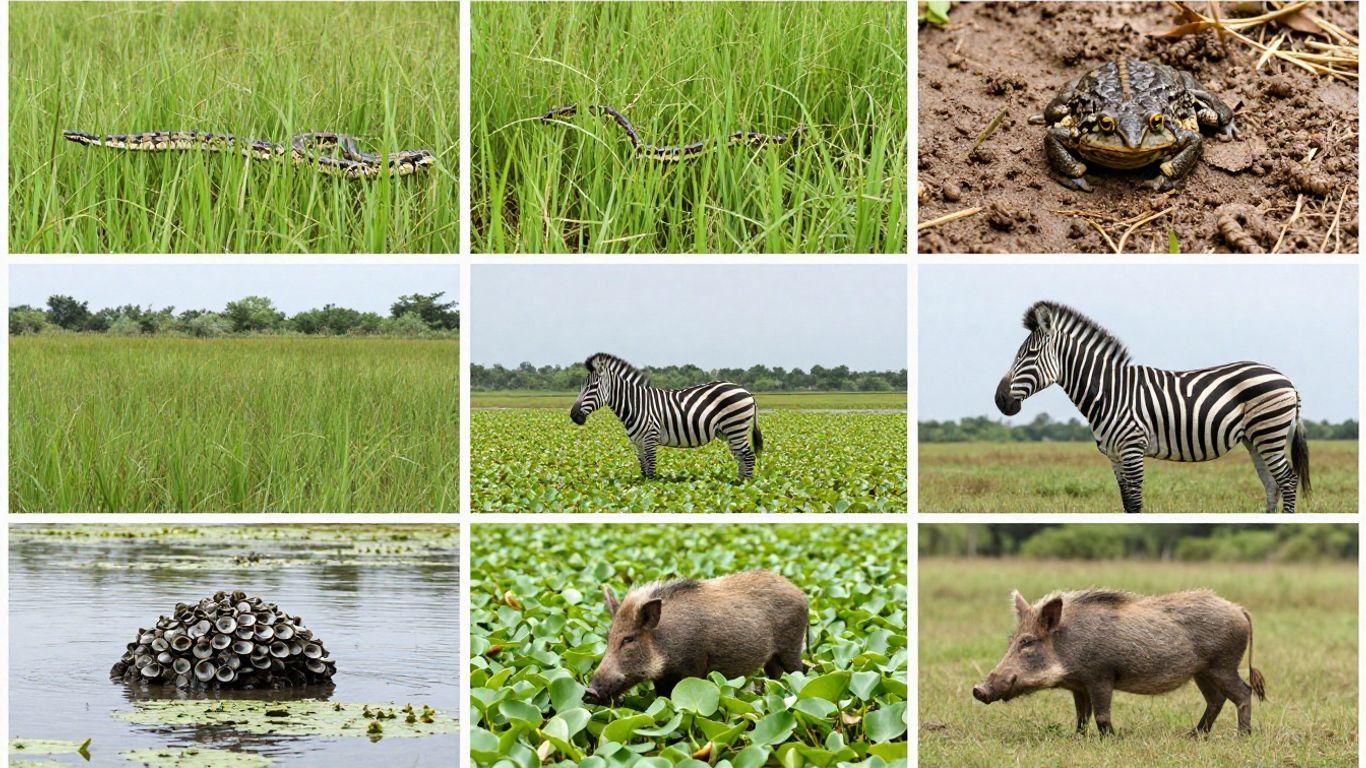
- Burmese pythons and brown tree snakes can unravel island and wetland food webs.
- Cane toads poison predators that have no natural defense against them.
- Zebra mussels, Asian carp, and water hyacinth can transform waterways and restrict their use.
- Feral hogs and kudzu damage land, agriculture, and property on a large scale.
- Prevention, early detection, and strict control of transport are usually cheaper than permanent eradication.
1. Burmese pythons: Florida’s predator problem
Burmese pythons became one of the clearest examples of what happens when a large predator finds a warm habitat with abundant prey and few effective controls. In South Florida, especially across the Everglades, they have established breeding populations after entering the wild through accidental releases and the exotic pet trade. Their success is tied to a climate that supports them and a landscape filled with hiding places.
These snakes eat a remarkable range of animals, including mammals, birds, and reptiles. Their presence has been associated with sharp declines in several native mammals in parts of the Everglades, although measuring the precise share of blame is difficult because habitat loss, road traffic, and other pressures also affect wildlife. The broader danger is simple: a predator that was never part of the original food web can impose constant pressure on prey that evolved without it.
Florida’s response includes public reporting, organized removals, research, and restrictions on keeping certain large constrictors. Those measures cannot instantly restore a damaged ecosystem, but they can reduce the number of breeding adults and limit further spread. The python problem also illustrates why releasing a pet is not a harmless act; an animal that seems manageable at home can become a serious predator once it is loose.
2. Cane toads: Poisoning native wildlife across Australia
Cane toads were introduced to Australia in the 1930s in an attempt to control agricultural pests. The plan failed, but the toads thrived, spread across large areas, and carried potent toxins in glands behind their eyes. Native predators that try to eat them can die within minutes, creating a deadly lesson in the risks of importing a species without understanding the surrounding food web.
The damage is especially severe for predators such as quolls, snakes, lizards, and freshwater crocodiles. Some animals learn to avoid the toads, but that adaptation takes time, and populations can suffer before caution spreads through a species. Cane toads also compete with native animals for food and shelter, while their tadpoles and toxins alter the conditions of ponds and streams.
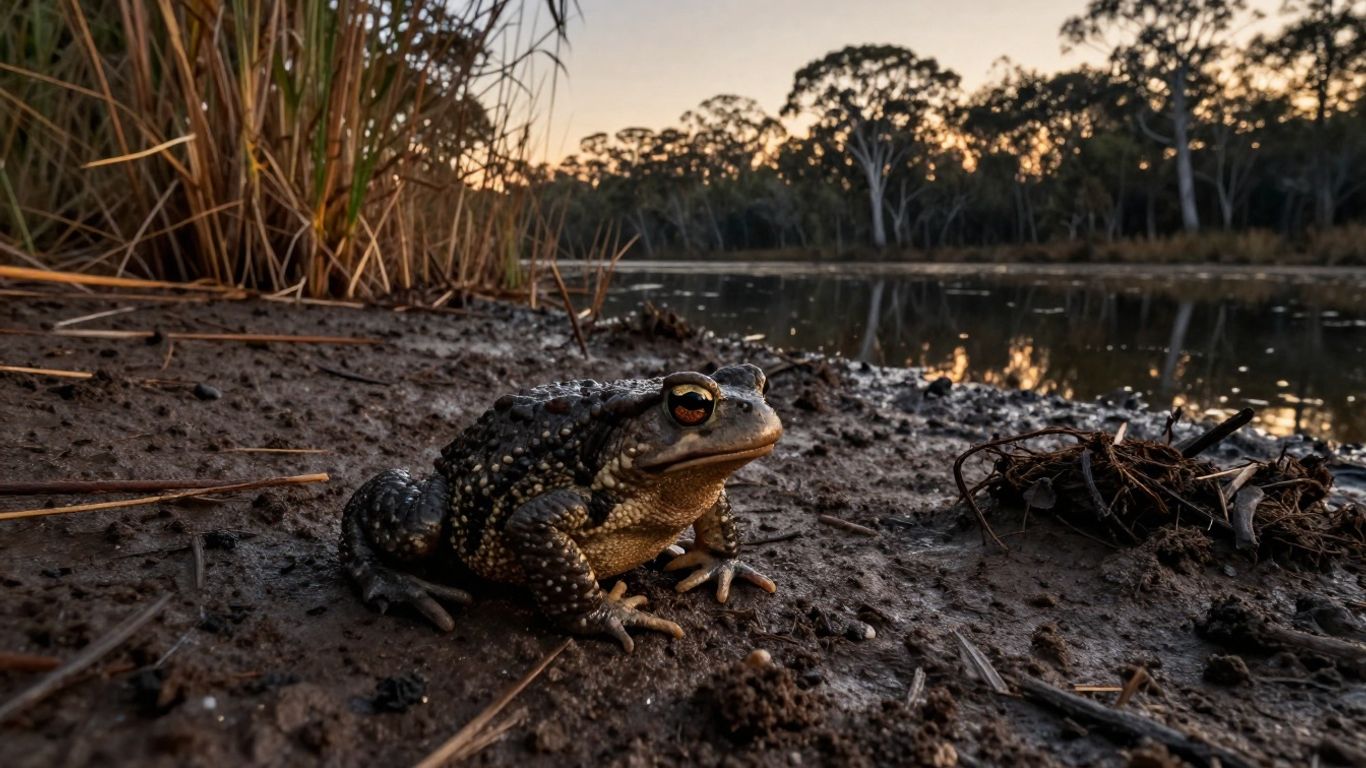
Control is difficult because cane toads reproduce quickly and travel easily through disturbed landscapes. Communities use trapping, hand collection, barriers, and public education, while researchers continue to study ways to reduce their spread and protect vulnerable predators. The story is a warning against quick fixes: a pest-control decision can create a much larger ecological problem when its side effects are ignored.
3. European starlings: An agricultural and ecological nuisance
European starlings were deliberately introduced to North America in the nineteenth century by people who wanted familiar birds from European literature. They adapted rapidly, formed large flocks, and expanded across much of the continent. Their numbers and mobility make them difficult to manage, particularly around farms, livestock operations, and urban roosts.
Flocks can consume or damage fruit, grain, and other crops, leaving farmers to absorb losses or pay for deterrence. Around livestock facilities, dense concentrations of birds can foul feed and water and create sanitation concerns. Starlings also compete with native cavity-nesting birds for nest sites, sometimes displacing species that already face pressure from habitat changes.
The damage is not uniform everywhere, and starlings are now a familiar part of many American landscapes. Still, their success shows how a generalist species can exploit human-altered environments better than specialists can. Managing them usually means protecting vulnerable crops and nesting sites, reducing attractants, and using targeted methods rather than expecting a single nationwide solution.
4. Zebra mussels: Fouling waterways and draining public budgets
Zebra mussels arrived in North America through international shipping, most famously in ballast water released into the Great Lakes. Once established, they attach to hard surfaces in dense colonies and spread between connected waterways on boats, trailers, and other equipment. Their small size makes them easy to overlook, which is part of what makes prevention so important.
Their filtering changes the movement of nutrients through lakes and rivers. By removing large amounts of plankton from the water, they can reduce food available to native organisms and shift the balance of aquatic communities. Their shells also collect along beaches and shorelines, where they can injure swimmers and interfere with recreation.
The financial burden is visible in the infrastructure they foul. A short comparison helps explain why agencies and utilities treat them as more than a wildlife concern:
| Area affected | Typical consequence | Who bears the cost |
|---|---|---|
| Water intake pipes | Blockages and reduced flow | Utilities and taxpayers |
| Boats and docks | Attached colonies and maintenance | Owners and marinas |
| Shorelines | Sharp shell accumulations | Communities and visitors |
| Native food webs | Less plankton for some species | Fisheries and ecosystems |
That combination of ecological disruption and recurring maintenance makes zebra mussels especially expensive. Cleaning equipment, inspecting boats, and enforcing “clean, drain, dry” rules may feel inconvenient, but those steps are far less costly than allowing a new infestation to become established. The wider issue of unhealthy waterways is also explored in this overview of polluted rivers, though pollution and biological invasion are separate problems.
5. Asian carp: Threatening America’s freshwater fisheries
Asian carp is a broad term commonly used for several carp species introduced to American waters for aquaculture and other purposes. Flooding, accidental escapes, and illegal or careless movement helped some populations reach major river systems. Bighead and silver carp are now particularly notorious in the Mississippi River basin, where their feeding habits and rapid reproduction can put pressure on native fish.
These carp consume large quantities of plankton, the foundation of many freshwater food chains. Silver carp can also leap from the water when startled by boat motors, creating a direct hazard for people and damaging boats. Where populations become dense, their sheer biomass can alter fishing conditions and make traditional recreation far less appealing.
Keeping them out of the Great Lakes and other vulnerable waters requires barriers, monitoring, commercial harvest, and firm rules about transporting live fish. No single action solves the problem because rivers connect distant communities and floodwaters ignore administrative boundaries. As with other species in this article, prevention is strongest when ordinary boaters, anglers, businesses, and public agencies all take responsibility for stopping the next jump.
6. Feral hogs: Destroying crops, habitats, and property
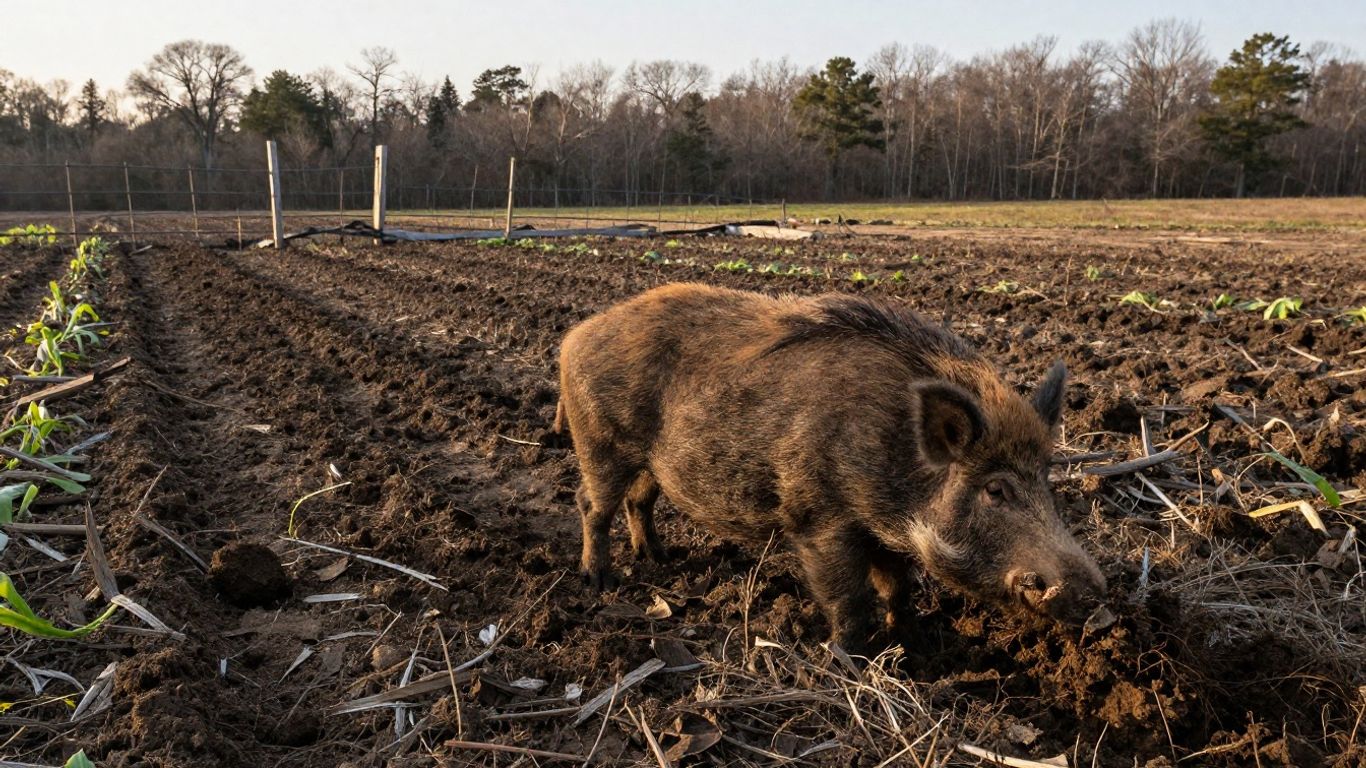
Feral hogs are among the most destructive invasive mammals in the United States. Descended from domestic pigs and introduced wild swine, they now occupy a wide range of habitats and can reproduce quickly when food is plentiful. Their intelligence, strength, and ability to live near people make them unusually difficult to remove completely.
They root through soil in search of food, tearing up crops, pastures, lawns, and sensitive habitats. That behavior damages plant communities, increases erosion, and can muddy streams and ponds. Hogs also compete with native wildlife, consume eggs and young animals, and create risks for roads, fences, gardens, and other property.
The damage usually appears in several forms at once, which is why landowners often describe them as a persistent property and agricultural problem rather than simply a wildlife nuisance. The most common consequences include:
- Destroyed crops, pasture, and gardens.
- Uprooted soil and damaged native vegetation.
- Eroded banks and muddied ponds or streams.
- Broken fences, irrigation equipment, and landscaping.
Those impacts can accumulate long after a sounder has moved on. Control programs may use trapping, hunting, fencing, and coordinated removal, but scattered efforts can be undermined when neighboring properties are not involved. The practical lesson is that rapid response matters; allowing a small population to grow can turn manageable damage into a permanent management expense.
7. Kudzu: The vine that overwhelms the American South
Kudzu was promoted in the American South as a useful ornamental plant and a tool for controlling erosion. Its vigorous growth later became a liability, especially where roads, abandoned fields, and disturbed hillsides gave it room to spread. Under favorable conditions, the vine can cover trees, utility poles, fences, and entire slopes in a thick green layer.
By shading the plants beneath it, kudzu reduces the sunlight available to native vegetation. Its weight can pull down branches and weaken trees, while its dense growth makes access and land maintenance more difficult. Although it does not smother every habitat equally, it can dominate sites where repeated disturbance prevents slower-growing native plants from recovering.
Removing kudzu often requires repeated cutting, grazing, herbicide treatment, or a combination of methods. One clearing is rarely enough because established roots can send up new growth. The cost and persistence of control demonstrate a basic rule of invasive plant management: stopping seed movement and treating young outbreaks is usually easier than reclaiming a mature, tangled stand.
8. Water hyacinth: Choking lakes, rivers, and transportation routes
Water hyacinth is a floating aquatic plant with attractive purple flowers and a talent for multiplying quickly. In warm climates, it can form dense mats across lakes, canals, and slow-moving rivers. What looks like a beautiful patch from the shoreline can become a physical barrier that blocks sunlight, slows water movement, and restricts access.
Thick mats interfere with fishing, boating, irrigation, and commercial transportation. They can also reduce oxygen levels as plant material decomposes, creating difficult conditions for fish and other aquatic life. In some places, the plant clogs drainage routes and complicates flood control, turning an ecological invasion into a public works problem.
Mechanical removal provides visible relief but may need to be repeated, and fragments can help the plant spread. Biological control agents and carefully managed herbicide programs are also used in some regions. Preventing ornamental or aquarium plants from reaching natural waters remains a straightforward safeguard, because once a floating mat takes hold, the cleanup is rarely simple.
9. Brown tree snakes: Decimating Guam’s native wildlife
The brown tree snake reached Guam after World War II, probably through cargo movement from the western Pacific. Guam’s native birds and other animals had evolved without a comparable arboreal predator, leaving them poorly prepared for a snake that could climb, hunt at night, and reproduce successfully. The result was one of the most severe island wildlife declines linked to an introduced predator.
The snake contributed to the disappearance of many native bird populations on Guam and disrupted ecological relationships that had developed over thousands of years. Losing birds affects seed dispersal, pollination, and the movement of nutrients through forests. The snake also causes power outages by climbing utility equipment, adding an infrastructure cost to its ecological damage.
Guam’s experience shows why islands are particularly vulnerable to biological invasions. Their native species often occupy narrow ecological niches, and a single newcomer can face few predators or competitors. Cargo inspections, snake detection, trapping, and careful transport controls remain central to preventing the brown tree snake from reaching other islands with similarly defenseless wildlife.
10. Argentine ants: Displacing native insects and disrupting ecosystems
Argentine ants spread around the world through commerce, soil, plants, and transported materials. In suitable climates, separate colonies can cooperate rather than fight, creating enormous connected populations. That unusual social structure gives them an advantage over native ants, which may spend energy defending territories against one another.
Where they become dominant, Argentine ants can displace native insects and alter relationships among plants, insects, and predators. They may protect honeydew-producing pests such as aphids in exchange for sugary food, increasing pressure on garden and agricultural plants. Their effects are often subtle at first, but the loss of native insect diversity can ripple through the food web.
The hardest part of the problem is that ants travel easily with people and materials. Control requires sanitation, baiting, habitat management, and cooperation across property lines rather than one isolated treatment. Readers sorting through online material about nature may encounter unrelated pages on home renovations, coconut water brands, basking shark swimming, beginner bonuses, and portable diffusers; those subjects are not evidence about invasive species, which is why careful source selection matters.
Across all ten examples, prevention depends on noticing pathways before populations become established. National rules can help when they support inspections, penalties, and rapid eradication, as described in this guide to invasive species enforcement. For a broader reference point, the global invasive species list also makes clear that “worst” is a practical label, not a perfect scientific ranking; impacts vary by place, ecosystem, and human activity.
Conclusion
The worst invasive species in the world are not defined only by how frightening or unusual they look. Their real damage comes from the way they alter food webs, crowd out native life, undermine agriculture, damage infrastructure, and leave communities paying for control year after year. Preventing introductions, responding early, and refusing to release unwanted animals or plants remain the most reliable ways to protect places before recovery becomes far more difficult.
Frequently Asked Questions
What is an invasive species?
An invasive species is a non-native organism that establishes itself in a new area and causes ecological, economic, or human-health harm. Not every introduced species becomes invasive; the defining issue is the damage caused after establishment.
Why are islands especially vulnerable to invasive species?
Island species often evolved in isolation and may lack defenses against unfamiliar predators, parasites, or competitors. Limited habitat and small populations can make the effects of one introduction especially severe.
Can invasive species ever be completely eradicated?
Sometimes, particularly when an invasion is detected early or occurs on a manageable island or contained site. Once a species spreads across a large connected landscape, long-term suppression is usually more realistic than total eradication.
How do invasive species usually spread?
They often move through shipping, agriculture, landscaping, the pet trade, aquaculture, firewood, soil, boats, and other human transport networks. Floods and natural movement can then carry them farther after they arrive.
What is the most effective way to prevent new invasions?
Preventing transport is generally the strongest approach. Inspecting cargo, cleaning boats and equipment, following rules for live animals and plants, and never releasing unwanted pets can stop a problem before it starts.
Do invasive species always harm every ecosystem they enter?
No. Their effects depend on climate, habitat, predators, competitors, and the species already present. A plant or animal may be damaging in one region but have limited effects in another.
What can individuals do to help?
People can avoid releasing pets or aquarium plants, clean boats and outdoor gear, report unusual species to local authorities, and follow planting and firewood regulations. Small precautions matter because many large invasions begin with ordinary human movement.