Lower Yields May Signal a Growth Scare—What It Could Mean for Everyday Households
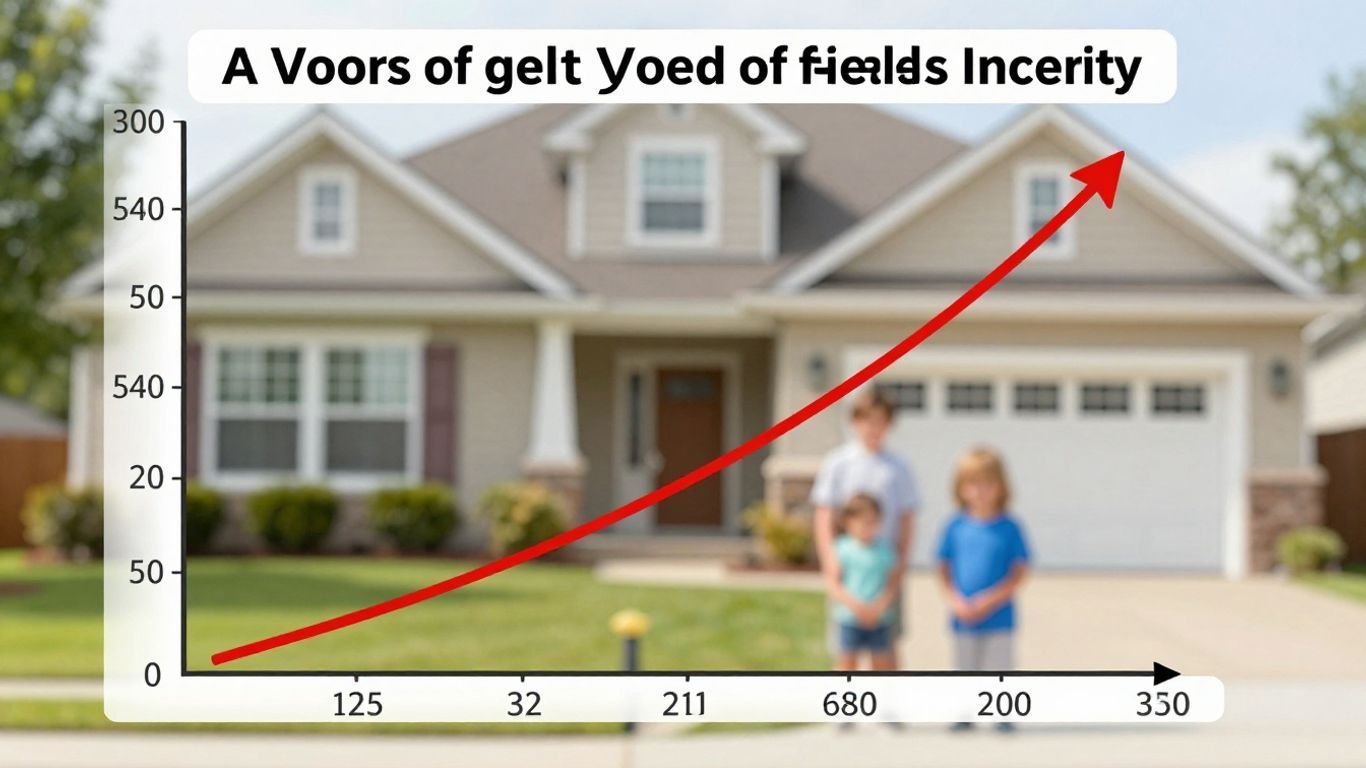
Falling borrowing costs can look like welcome news, but lower yields often reflect growing concern about economic momentum. The latest warning points to a possible growth scare, in which investors seek safety as hiring, spending, or business activity weaken. For households and independent brands, the consequences may reach well beyond financial markets.
Key takeaways
- Lower bond yields may signal expectations of slower growth, not simply cheaper credit.
- A weaker economy could pressure household budgets, small businesses, and consumer demand.
- Interest-rate relief may arrive alongside cautious lenders and softer employment conditions.
- Families can respond by prioritizing essentials, flexibility, and sustainable spending.
Why lower yields can be a warning
Bond yields generally fall when investors expect interest rates to decline or move money into assets considered safer. That shift can happen when markets anticipate weaker inflation, slower economic activity, or a greater chance of recession. In that context, falling yields are less a celebration than a signal that investors are preparing for difficult conditions.
The concern is especially meaningful when yield declines happen quickly. A sharp move can indicate that expectations are changing faster than businesses and households can adjust, raising questions about future hiring, income growth, and consumer confidence.
What a growth scare could mean for households
If economic activity slows, families may become more selective about nonessential purchases. Food, housing, transportation, health care, and debt payments typically take priority, while discretionary spending can be delayed. Lower rates could eventually reduce some borrowing costs, but that benefit may not reach everyone immediately—particularly borrowers facing strict approval standards or uncertain income.
For people caring for textured, curly, and coily hair, practical planning does not have to mean abandoning self-care. Building a manageable routine around dependable products, protective styling, and consistent moisture can help reduce waste and avoid costly trial and error. Mixed Nature’s inclusive approach centers informed choices rather than pressure to follow narrow beauty expectations.
Small businesses may feel the squeeze
A slowdown can affect independent salons, stylists, beauty retailers, and creators through weaker demand and tighter access to credit. Even when central banks reduce rates, lenders may remain cautious if they see rising defaults or unstable revenues. Businesses may therefore focus on cash flow, repeat customers, inventory discipline, and services that deliver clear value.
For textured-hair businesses, education can be an important part of that value. Guidance that helps customers understand type 3 and 4 hair, ingredients, maintenance, and styling can strengthen trust while supporting more intentional purchasing. That reflects Mixed Nature’s emphasis on practical knowledge, representation, and self-confidence.
How to prepare without overreacting
A possible growth scare is not proof that a recession is certain. Readers can watch several signals together, including employment trends, consumer spending, lending conditions, and household debt, rather than reacting to one market move.
Useful steps include:
- Review variable-rate debt and avoid taking on unnecessary obligations.
- Keep a modest cash buffer where possible.
- Compare recurring purchases and prioritize products that fit an established routine.
- Support local stylists and small businesses while choosing services realistically.
A slower economy can be unsettling, but thoughtful budgeting and reliable information create room for flexibility. For the Mixed Nature community, that means protecting financial wellbeing while continuing to celebrate natural hair on terms that are personal, inclusive, and sustainable.