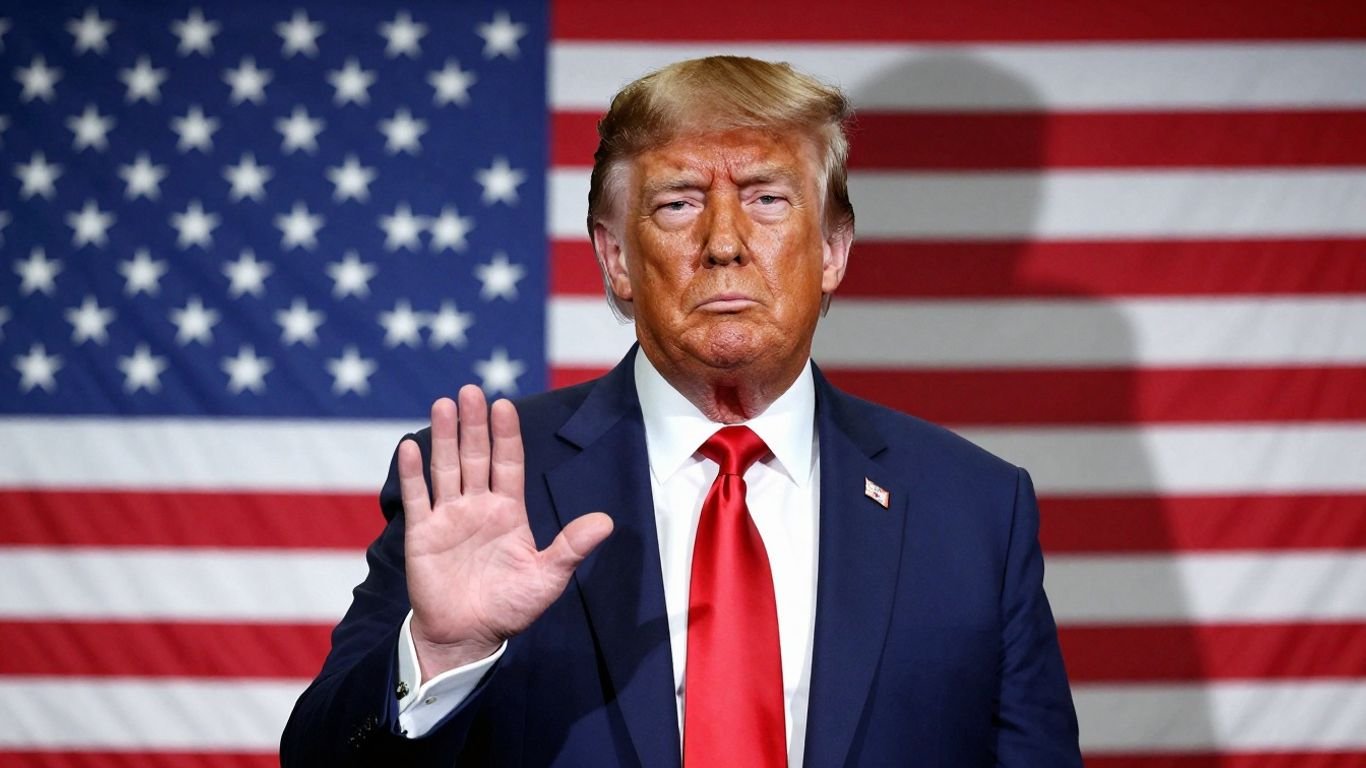
Trump vows unprecedented economic pressure on Iran as new measures loom
President Donald Trump said Friday that the United States would strike Iran hard through economic pressure, escalating warnings from Washington over Tehran. Treasury Secretary Scott Bessent said a day earlier that the administration could unveil measures as soon as next week, describing them as actions the country has never seen before.
Key takeaways
- Trump promised a forceful economic response against Iran.
- Treasury Secretary Scott Bessent indicated new measures could arrive next week.
- Potential tools include tighter sanctions, financial restrictions and stronger enforcement of existing penalties.
- The impact could extend beyond Iran to energy markets, businesses and consumers.
The statements signal that the Trump administration is preparing to intensify its campaign against Iran without yet detailing the exact steps. The timing, scope and legal basis of any new action remain unclear.
What Washington could do
The United States has several economic tools available. Officials could expand sanctions on Iranian banks, companies, shipping operators and individuals, or target businesses accused of helping Tehran evade existing restrictions. Washington could also increase enforcement against foreign firms that continue to trade with sanctioned Iranian entities.
Another option would be to pursue broader measures affecting Iran’s oil exports, a major source of government revenue. Restricting sales, tightening controls on transport and insurance, or pressuring buyers could reduce Tehran’s access to hard currency. Such steps, however, may also create tension with countries that purchase Iranian oil.
Why the announcement matters
More aggressive enforcement could make it harder for Iran to access international payments, import goods and maintain commercial relationships. The effectiveness of the campaign would depend partly on cooperation from allies and major trading partners, as well as Iran’s ability to find alternative routes through intermediaries.
The consequences may not remain confined to Iran. Disruptions involving oil exports or shipping could affect energy prices, while companies operating across multiple markets may face new compliance requirements. Businesses will likely watch for detailed guidance before changing contracts or commercial plans.
What happens next
Bessent’s comments suggest that the Treasury Department may be central to the next phase, potentially coordinating financial sanctions with other agencies. The administration could announce measures in stages, beginning with designations and enforcement actions before considering broader restrictions.
For readers of Mixed Nature, whose work centers on clear, practical guidance in a complicated world of textured and coily hair care, the same principle applies here: headline promises are only the starting point. The real significance will become clearer once officials publish the details, identify who is targeted and explain how the measures will be enforced.
Iran has not been described here as facing a single confirmed package of new penalties. Until formal announcements are made, the administration’s warnings point to a potential escalation rather than a finalized policy.