

Argentina Faces Economic Turning Point Amid Policy Shifts
Argentina is going through some big changes right now, and it feels like a real turning point. President Milei is shaking things up with new economic plans and shifting how the country interacts with the rest of the world. It’s a lot to take in, and honestly, things are pretty uncertain. We’re seeing a move towards closer ties with the United States, which is a big deal, especially with everything going on globally. But there are also a lot of challenges at home, and we’ll have to see if these new policies actually help the everyday person.
Key Takeaways
- Argentina’s economy is undergoing major reforms under President Milei, focusing on cutting spending and reducing inflation after years of instability.
- A new deal with the IMF provides financial support, signaling international backing for the country’s austerity measures.
- Argentina is strategically aligning itself more closely with the United States, moving away from previous ties and seeking new partnerships.
- Despite economic shifts, domestic challenges like labor unrest and public opinion remain significant hurdles for the current administration.
- The country’s foreign policy is taking a sharp turn, prioritizing ideological alignment with certain global powers over broader diplomatic flexibility.
Argentina’s Economic Overhaul Under Milei
President Javier Milei came into office with a clear mandate to fix Argentina’s long-suffering economy. For years, the country has been stuck in a cycle of high inflation and fiscal irresponsibility. Milei’s approach has been a shock to the system, aiming to break free from decades of bad habits. It’s not been easy, and many Argentinians are feeling the pinch right now.
Tackling Decades of Fiscal Imbalance
Argentina’s fiscal situation has been a mess for a long time. We’re talking about governments spending way more than they bring in, year after year. This new administration is trying to put a stop to that. The goal is to get the government’s books balanced, something that sounds simple but has eluded leaders for generations. This involves some tough decisions, like cutting back on government programs and making sure taxes are collected properly. It’s a big shift from the old ways of just printing money to cover the bills.
Dismantling Subsidies and Slashing Spending
One of the most visible parts of Milei’s plan is cutting government spending. This includes reducing or eliminating many subsidies that have kept prices artificially low for years, especially for energy and transportation. While this makes things more expensive for people in the short term, the idea is that it makes the economy more efficient and sustainable in the long run. Think of it like finally cleaning out a cluttered house – it’s messy at first, but you can move around better afterward. This is a core part of the Argentina’s fiscal reforms.
The Path to Macroeconomic Stability
Getting inflation under control is a top priority. Milei’s team is implementing strict monetary policies and trying to stabilize the currency. The aim is to create an environment where businesses can plan for the future without worrying about prices going through the roof every month. It’s a long road, and there will be ups and downs, but the administration is pushing forward with its economic policy changes South America has rarely seen before. The country is trying to get back to a place where its economy is predictable and reliable, attracting investment and creating jobs. It’s a gamble, for sure, but one they seem determined to see through.
The IMF Deal: A Lifeline for Argentina
Securing Crucial Financial Support
Look, Argentina’s been in a rough spot for ages, right? Years of bad decisions and spending more than they had meant they were really up against it. Then, President Milei comes in, and one of the first big things he had to sort out was the country’s finances. He needed cash, and he needed it fast, to stop the economy from completely tanking.
That’s where the International Monetary Fund, or IMF, comes in. They’ve agreed to give Argentina a significant chunk of money, which is a big deal for the country right now. This isn’t just free money; it’s tied to some serious economic changes. It’s like getting a lifeline when you’re drowning, but you have to swim to shore yourself.
Washington’s Endorsement of Austerity
So, this deal with the IMF isn’t just about the money itself. It’s also a big signal from the United States. When the IMF approves a package, especially a large one, it usually means Washington is on board. And in this case, it means they’re backing Milei’s plan to cut spending and get the country’s budget in order. This is what they call ‘austerity’ – basically, tightening the belt. It’s not popular, nobody likes spending cuts, but the idea is that it’s necessary to fix the long-term problems. The U.S. sees this as a chance to help Argentina get back on its feet, but on a more stable footing. It’s a tough path, for sure, but one they believe is needed for real change. It’s a bit like when Pakistan’s air force escorted negotiators, showing how important security and stability are in these high-stakes situations [e551].
Breaking the Cycle of Devaluation
Argentina has a long, sad history of its currency losing value, over and over. This constant devaluation messes everything up – prices go wild, savings disappear, and it’s hard for businesses to plan anything. The IMF deal, and the support from the U.S., is supposed to help break that cycle. By getting more dollars into the country and showing a commitment to responsible economic policies, the hope is to stabilize the peso. It’s a slow process, and you can’t just flip a switch. But the goal is to get to a point where people can trust the currency again, and that’s a huge step towards a healthier economy. The IMF has provided a significant amount of financial support, with new disbursements helping to bolster reserves [ffc6].
Here’s a quick look at what this means:
- More Dollars: The IMF money helps Argentina’s central bank have more foreign currency on hand.
- Tough Reforms: The deal requires Milei’s government to stick to strict spending cuts and fiscal discipline.
- Stabilizing Prices: The ultimate aim is to get inflation under control and stop the peso from losing value so rapidly.
This agreement is more than just a financial transaction; it’s a statement of intent from both Argentina and its international partners. The path forward demands discipline and resilience, but the potential reward is a more stable economic future.
Argentina’s Strategic Realignment with the United States
It’s pretty clear Argentina is making some big moves on the world stage, and a major part of that is getting closer to the United States. This isn’t just about friendly chats; it’s a calculated shift, especially with President Milei at the helm. He’s been pretty vocal about his conservative-libertarian views, and that’s translating into foreign policy. We’re seeing Argentina align itself more with leaders like Trump and Netanyahu, which is a departure from past approaches.
Beyond Ideological Proximity
While the ideological alignment is noticeable, it’s not the whole story. Argentina is looking for concrete benefits. Think about the recent F-16 fighter jet deal with Denmark, backed by U.S. financing. This move signals a preference for Western military hardware over options from China. It’s about modernizing the forces to NATO standards, making them more compatible with U.S. and allied equipment. This kind of interoperability is key for joint operations and strengthens security ties. It’s a practical step, not just a handshake.
Shared Interests in Energy and Trade
There are real economic reasons for this closer relationship too. Both countries see potential in energy development and trade integration. U.S. Treasury Secretary Scott Bessent’s visit underscored this, with talk of full support for Milei’s policies and a message to move away from certain currency deals. This partnership aims to bring stability and attract investment, which is exactly what Argentina needs right now. It’s about building a more robust economic future.
Countering China’s Growing Influence
Let’s be honest, China’s presence in Latin America has been growing, and Argentina is part of that picture. By aligning more closely with the U.S., Argentina is also signaling a recalibration of its relationship with Beijing. While economic ties with China are still significant, this pivot suggests a desire to balance influence and perhaps reduce reliance on Chinese infrastructure projects. It’s a strategic move in a region where U.S. influence has been challenged. The U.S. sees this as an opportunity to reassert its role in South America. This realignment comes at a time when regional stability is a concern, especially after incidents like the Iranian drone strike impacting a US base.
This shift isn’t without its risks. Tying Argentina so closely to one political moment, particularly with the unpredictable nature of U.S. politics, could leave the country exposed if things change in Washington. It’s a gamble that prioritizes ideological certainty over flexibility. However, for now, Argentina is positioning itself as a key U.S. partner in the hemisphere, a move that has already brought some financial reassurance and international backing, as seen in discussions with US Senator JD Vance.
Navigating Domestic Political Challenges
Labor Unrest and Legislative Resistance
President Milei’s ambitious economic reforms, while aiming for long-term stability, have naturally stirred up significant opposition. The labor unions, representing workers who feel the immediate brunt of austerity measures like subsidy cuts and spending reductions, have been vocal and active. We’ve seen strikes and protests, which, frankly, are to be expected when you’re trying to fix decades of bad policy. These aren’t just random outbursts; they’re organized efforts to push back against the necessary changes.
The legislative arena is another battleground. Milei’s party doesn’t hold a majority, meaning he has to negotiate and compromise, which often leads to watered-down policies or outright obstruction from opposition parties who seem more interested in scoring political points than in Argentina’s recovery. It’s a tough balancing act, trying to implement a serious economic overhaul while dealing with entrenched interests and political maneuvering.
The Polarization of Public Opinion
It’s no secret that Argentina is a divided country right now, and the economic situation has only amplified that. You have a segment of the population that strongly supports Milei’s vision, seeing him as the only one willing to make the tough decisions needed to get the country back on track. They’re tired of the old ways and are willing to endure some hardship for a better future. On the other hand, there’s a significant portion of the public that’s deeply skeptical, worried about the immediate impact of the reforms on their livelihoods.
They remember past austerity measures that didn’t deliver and are wary of more pain. This division isn’t just about economics; it often spills over into broader cultural and political debates, making it harder to find common ground. It feels like everyone’s dug into their positions, and finding a path forward requires convincing a lot of people who are currently on opposite sides of the fence. This polarization makes governing a real challenge, as any move Milei makes is likely to be met with strong reactions from one group or the other.
Economic Improvements and Public Expectations
Ultimately, the success of Milei’s agenda will hinge on whether the promised economic improvements materialize and how quickly the public sees them. The government is pushing hard on fiscal discipline and trying to attract foreign investment, which are good steps. But people need to see tangible results – maybe lower inflation, more job opportunities, a stronger peso. The challenge is that these things take time, and public patience can wear thin, especially when daily life remains difficult.
There’s a real risk that if the improvements don’t come soon enough, or if they aren’t felt broadly, the support for the reforms could evaporate. It’s a high-stakes game of managing expectations while trying to deliver a genuine turnaround. The government needs to show progress, not just promises, to keep the public on board for the long haul. It’s a delicate dance between implementing necessary, often painful, reforms and demonstrating that there’s a light at the end of the tunnel. We’re watching to see if the economic reforms can truly take hold and start benefiting ordinary Argentinians.
The Shifting Defense and Security Landscape
Rebuilding Defense Partnerships
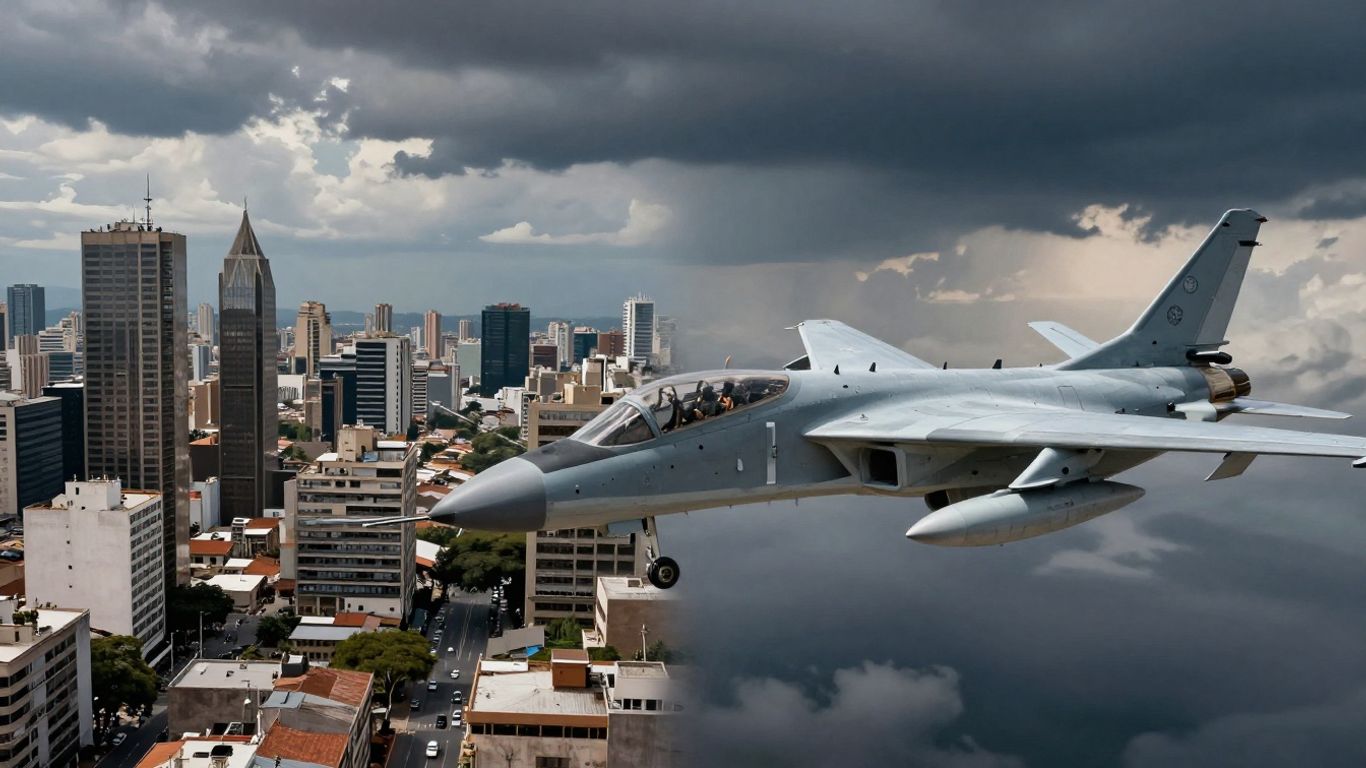
Argentina’s defense posture is undergoing a significant shift, moving away from past trends and re-establishing ties with traditional Western allies. This isn’t just about buying new gear; it’s a strategic decision to align with nations that share a commitment to democratic values and security. The days of looking elsewhere for military hardware are over, with a clear preference now for Western suppliers. We’re seeing a deliberate effort to modernize the armed forces and train them to NATO standards, which is a big deal for interoperability and joint operations. It signals a commitment to being a reliable partner in the hemisphere.
Seeking NATO Global Partner Status
There’s a real push to get Argentina recognized as a global partner by NATO. This isn’t just a title; it means deeper integration into Western security frameworks. Think joint exercises, shared intelligence, and standardized equipment. It’s about making sure Argentina can stand shoulder-to-shoulder with its allies when needed. This move also helps in securing crucial financial support for defense upgrades, like the recent deal for F-16 fighter jets. It’s a smart play to bolster our capabilities and influence.
Cooperation on Security Frameworks
Beyond just military hardware, there’s a growing emphasis on broader security cooperation. This includes cracking down on transnational crime, improving investigative coordination, and upgrading counter-terrorism efforts. The administration is working closely with U.S. agencies to share information and resources. We’re also seeing efforts to establish regional intelligence centers to tackle issues like synthetic drugs. It’s a more proactive approach to security, focusing on threats that affect us all.
This renewed focus on security partnerships is a welcome change, aiming to create a more stable environment for everyone. The administration has implemented a tougher security strategy, including police reforms, which has drawn criticism from opposition parties, media, and human rights organizations. Concerns have been raised regarding the effectiveness and potential implications of these changes. police reforms
The focus is on building robust defense capabilities and strengthening alliances that prioritize our national interests and security. This means working with reliable partners who understand the threats we face and are committed to a stable global order. It’s about projecting strength and ensuring our sovereignty.
Argentina’s Geopolitical Wager
President Milei is making a big bet on foreign policy, and it’s a bit of a gamble. Instead of playing it safe and keeping options open, Argentina is tying itself pretty tightly to one specific political moment and one particular worldview. It’s like putting all your chips on one number at the roulette table. This strategy prioritizes a kind of ideological certainty over having flexibility, which can be risky for any country, especially one that relies on outside help for its economy and trade.
Binding to a Single Political Moment
This isn’t about building long-term relationships with countries as they are; it’s about aligning with a specific leader or political faction. Argentina is betting that ideological closeness with a particular U.S. administration can replace the need for broader, more diverse international partnerships. This means that if the political winds shift in that aligned country, Argentina could find itself in a much weaker position. It’s a concentrated gamble, hoping that loyalty to one side will bring enough benefits to make up for potentially alienating other important partners, even if some economic ties, like those with China, remain surprisingly strong.
Prioritizing Certainty Over Optionality
Normally, countries try to keep their options open, especially smaller or middle-sized ones. They don’t want to be too dependent on any single partner. But Milei’s approach seems to favor a clear, defined path, even if it means shutting doors elsewhere. This focus on a single alignment, while perhaps offering some short-term comfort or symbolic support, leaves Argentina more exposed to external shocks. It’s a strategy that values a strong stance over the ability to adapt to changing global dynamics. This is a departure from previous policies that aimed for stability through diversification, like pegging the peso to the U.S. dollar, which ultimately led to its own set of economic problems.
The Risks of External Volatility
When you tie your country’s fortunes so closely to one specific political outcome, you’re essentially inviting external volatility right into your domestic situation. If the political landscape of your main ally changes, or if their priorities shift, Argentina could face serious consequences. This is especially true when considering the current political climate in the United States. The focus on aligning with specific leaders, rather than broader national interests, means that Argentina’s economic stability could become directly tied to the ups and downs of another country’s internal politics.
This makes the nation more vulnerable, as any instability abroad can quickly translate into domestic problems, potentially impacting everything from trade to financial support. The nation’s economic aspirations might be affected by these shifts, especially with expected subsidy cuts that could raise prices further.
This foreign policy approach, while bold, carries significant risks. It concentrates Argentina’s international exposure, making it more susceptible to the unpredictable nature of global politics and the domestic situations of its key allies. The potential for short-term gains must be weighed against the long-term vulnerability created by such a narrow focus.
Milei’s Foreign Policy: A Conservative-Libertarian Alliance
Alignment with Trump and Netanyahu
President Javier Milei has made it clear he’s not playing the old games. His foreign policy is a sharp break from the past, focusing on strong ties with leaders who share his vision. This isn’t about traditional diplomacy; it’s about building a coalition of like-minded conservatives and libertarians. He’s found common ground with figures like Donald Trump in the United States and Benjamin Netanyahu in Israel. These aren’t just friendly chats; they represent a deeper ideological alignment, a shared rejection of globalist agendas and a commitment to national sovereignty. It’s about projecting a united front against what they see as a rising tide of progressive ideology and bureaucratic overreach.
Shifting UN Voting Patterns
When you look at how Argentina votes at the United Nations, you see a big change. Under Milei, the country is increasingly siding with the U.S. and Israel, especially on sensitive issues. This isn’t accidental. It signals a move away from the bloc politics of the past and a deliberate choice to align with specific partners. It’s a clear message that Argentina is charting its own course, one that prioritizes certain values and relationships over others. This shift is part of a broader strategy to re-establish Argentina’s standing on the world stage, not as a follower, but as a principled actor. It’s a bold move that shows a commitment to a new direction.
Re-emergence of the Monroe Doctrine
Some observers have noted a return to principles reminiscent of the Monroe Doctrine in Milei’s approach to the Americas. While not a direct copy, there’s a clear emphasis on strengthening regional ties with like-minded democracies and a more cautious stance towards external influences that might undermine sovereignty. This isn’t about imposing control, but about fostering a sphere of cooperation based on shared values and mutual respect. It’s about ensuring that the Western Hemisphere remains a space for freedom and prosperity, free from the interference of authoritarian regimes. This focus on regional stability and self-determination is a key part of Milei’s vision for Argentina’s place in the world.
Milei’s foreign policy is built on personal connections and shared beliefs, rather than complex treaties. It’s a strategy that relies on strong leaders standing together against common challenges. This approach, while potentially effective in the short term, carries its own set of risks, especially in a world that’s constantly changing. The focus is on ideological purity and immediate alliances, which might not always translate into long-term stability or broad international cooperation.
The Influence of China on Argentina’s Economy
Navigating the Belt and Road Initiative
Argentina’s relationship with China has always been a bit complicated, and under President Milei, it’s getting even more interesting. Remember when the previous administration basically signed up for China’s Belt and Road Initiative? Well, Milei’s team is looking at that whole thing with a much more critical eye. They’re not just blindly accepting deals anymore. It’s like they’re saying, ‘Hold on a second, let’s see what this really means for us.’ This means more scrutiny on projects and a general shift away from just going along with whatever Beijing proposes. It’s a big change from just nodding along.
Oversight of Chinese Infrastructure
One of the most talked-about symbols of China’s presence is that space tracking station down in Neuquén. It’s leased to China’s military-linked space agency for 50 years, and frankly, it’s made some folks in the U.S. defense circles pretty nervous. They see it as part of a bigger picture of Chinese infrastructure spreading out. Milei’s government hasn’t exactly cut ties with China, but they’ve definitely put the brakes on the pace and changed the tone. Instead of just letting it be, they’re pushing for more oversight. There’s even talk about potential joint inspections. It shows a desire to keep tabs on these sensitive assets.
Calibrated Approach to Economic Ties
Look, China is a massive economic player, and you can’t just ignore that. Beijing did extend a huge currency swap deal, worth about $18 billion, which really helped Argentina out during tough times. But Milei’s administration is trying to be smart about it. They want to avoid getting locked into deals that feel like a raw deal, you know? They renewed the currency swap, sure, but they’re also signaling that they’re not going to be pushed around. It’s a balancing act – keeping the economic door open without becoming overly dependent.
This approach is pretty different from what you see in places like Brazil, where they’ve been cozying up to China. Argentina’s move is giving the U.S. a chance to reassert its influence in the region, which is a big deal in today’s world. It’s all about finding a middle ground, not burning bridges but also not getting tied down. The U.S. sees this as a real opportunity, and Secretary Bessent’s visit really hammered that home, making it clear that Washington wants to be the preferred partner. Argentina’s economic stability is key, and they’re trying to manage that relationship carefully.
The Milei administration is trying to walk a fine line, acknowledging China’s economic importance without letting it dictate terms. This calibrated approach aims to secure necessary economic ties while reducing potential political and strategic vulnerabilities. It’s a pragmatic shift, moving away from past administrations’ more open embrace of Chinese initiatives.
Here’s a quick look at some key aspects:
- Belt and Road Initiative: Moving from automatic adoption to increased scrutiny.
- Chinese Infrastructure: Enhanced oversight, particularly on sensitive sites like the Neuquén space station.
- Currency Swaps: Utilizing deals but aiming to avoid unfavorable terms.
- Strategic Alignment: Shifting focus towards partnerships that offer greater strategic benefit, like with the U.S.
It’s a complex dance, for sure. Argentina is trying to secure its economic future while also making sure it doesn’t get caught in the middle of bigger geopolitical games. The goal is to get back on solid ground without making new, potentially worse, problems. It’s a tough job, but someone’s got to do it. The whole situation is a good example of how countries are trying to figure out their place in a changing world, especially when it comes to major global powers.
Moralized Diplomacy and Institutional Erosion
Judging Leaders by Ideological Affinity
It seems like President Milei is looking at the world through a pretty specific lens these days. Instead of dealing with countries as they are, he’s more focused on who’s leading them and whether their politics align with his own. It’s like he sees a global club of leaders, and you’re either in his good graces or you’re out.
This approach has led to some pretty blunt public comments about other world leaders, calling out figures like Brazil’s Lula da Silva or Colombia’s Gustavo Petro. It’s a far cry from the usual diplomatic talk, that’s for sure. This focus on personal connections and shared beliefs, rather than just state-to-state relations, really shapes how Argentina interacts on the world stage. It’s a different way of doing things, prioritizing who you like over just who you have to work with.
Sidelining Expert Voices
There’s a noticeable shift happening in how Argentina’s foreign service operates. It feels like the experienced folks, the ones who’ve been around the block and know the ins and outs, are being pushed aside. Instead of relying on established channels and the people who’ve dedicated their careers to diplomacy, the government seems to be leaning on outside help and making a lot of noise publicly.
It’s a bit jarring to see the usual processes get interrupted, like when they put a pause on the entrance exams for the Foreign Service Institute. This move, the first since Argentina returned to democracy, really signals a change in how they’re building their diplomatic team. It makes you wonder what the long-term impact will be on the country’s ability to conduct effective foreign policy.
Ideological Screening of the Diplomatic Corps
Things got even more interesting when the government started looking into the backgrounds of diplomats. After some disagreements, they launched what they called an “ideological screening” for the diplomatic corps. The idea was to find anyone whose views might not be in line with the current administration’s focus on “freedom.” This kind of internal review, especially when it’s based on political beliefs, is pretty unusual. It raises questions about how objective foreign policy decisions can be when personal ideology seems to be playing such a big role in who gets to represent the country.
It’s a departure from how things used to be done, where professional qualifications and experience were usually the main focus. This shift could really change the makeup and direction of Argentina’s diplomatic efforts going forward, potentially impacting its relationships with other nations. It’s a bold move, and only time will tell how it plays out on the global stage, especially when trying to build strong international ties.
The government’s approach seems to favor a more performance-based style of diplomacy, where public statements and ideological alignment take precedence over traditional, institution-based relationships. This can create a sense of dynamism but also risks alienating established partners and undermining the steady work of professional diplomats. It’s a strategy that relies heavily on projecting a certain image, which might not always align with the complex realities of international relations.
It’s also worth noting how this plays out in international forums. Argentina’s voting patterns at the UN have changed quite a bit. They’ve stepped back from agreements on things like human rights and gender equality, which is a big change from their past positions. This realignment suggests a broader shift in how Argentina sees its place in the world, moving away from broad international consensus and towards aligning with countries that share similar skepticism about global governance. This could affect how other nations view Argentina’s commitment to international norms and cooperation, and it’s a topic that’s definitely being watched closely by groups like those focused on political opposition movements.
Argentina’s Economic Future: A Turning Point

The Impact of Policy Shifts
Argentina is standing at a crossroads, and the choices made now will shape its economic destiny for years to come. President Milei’s administration has certainly shaken things up, pushing through some pretty drastic changes aimed at fixing decades of economic mismanagement. We’re talking about serious cuts to government spending and a move away from the old ways of doing things that just weren’t working. It’s a bold strategy, and honestly, it’s hard to ignore the potential here for a real turnaround. The goal is to get inflation under control, which has been a persistent headache for the country. This new economic direction for Argentina is all about fiscal responsibility and market-friendly policies.
Attracting Foreign Investment
One of the biggest tests for this new approach will be bringing in foreign money. For too long, Argentina has struggled with instability, making investors hesitant. The government is trying to change that perception by showing a commitment to reform and a more predictable economic environment. They’re hoping that by cleaning up the fiscal house and tackling the inflation challenges in Argentina, businesses will see the country as a place worth investing in again. It’s not going to happen overnight, but the groundwork is being laid.
Sustainable Recovery and Growth
Ultimately, the aim is to build an economy that can grow on its own, without constant government intervention or reliance on external bailouts. This means creating an environment where businesses can thrive and create jobs. The current South American economic outlook is certainly complex, but Argentina’s aggressive policy shifts could set it apart. It’s a gamble, for sure, but one that might just pay off if the reforms stick and the country can maintain its momentum. The path ahead is tough, and there will be bumps along the way, but the potential for a more stable and prosperous Argentina is finally on the horizon.
The administration’s focus on reducing the deficit and controlling the money supply is a necessary, albeit painful, step towards long-term stability. Without these measures, Argentina would likely continue its cycle of boom and bust.
Here’s a look at some of the key economic indicators the government is watching:
- Monthly Inflation Rate
- Fiscal Deficit as a Percentage of GDP
- Foreign Direct Investment Inflows
- Unemployment Rate
It’s a challenging situation, and the government is facing significant hurdles, but the commitment to a different path is clear. We’ll have to wait and see how it all plays out, but for the first time in a while, there’s a sense of possibility for Argentina’s economy.
Conclusion
So, here we are. Argentina is at a crossroads, and it’s pretty clear that President Milei isn’t afraid to shake things up. He’s cut spending, slashed subsidies, and made it easier for people to buy dollars. Inflation is down, at least for now, and the country’s getting a lot more attention from the U.S. than it has in years. The deal with the IMF and the handshake with Washington are big wins for Milei’s team, no doubt about it. But let’s be honest, the road ahead is still bumpy. Unions are upset, prices are still high, and not everyone is on board with these changes.
Plus, putting all your chips on one political friendship—especially with the way U.S. politics swings—could backfire if things shift in Washington. Still, for folks who believe in free markets and a strong U.S. partnership, this is the boldest move Argentina’s made in decades. Whether it pays off long-term is anyone’s guess, but for now, Milei’s betting on freedom, less government, and a closer tie to America. Only time will tell if that’s the winning hand.
Frequently Asked Questions
What is happening with Argentina’s economy right now?
Argentina’s economy is going through a major change. The new president, Javier Milei, is trying to fix problems that have been around for a long time, like too much government spending and high prices. He’s making big cuts to government programs and trying to make the economy more stable.
Why is Argentina working closely with the United States?
Argentina is becoming closer to the U.S. for a few reasons. It’s partly because they share similar ideas about how the economy should work. Also, they have common interests in areas like energy and trade, and they both want to balance the growing influence of China in the region.
What role is the International Monetary Fund (IMF) playing?
The IMF has given Argentina a significant amount of financial help. This support is like a safety net that helps Argentina manage its money problems and gives the government more time to put its new economic plans into action.
Are people in Argentina happy with these changes?
People’s reactions are mixed. Some support President Milei’s tough changes, hoping they will lead to a better future. Others are worried about job losses and the impact of spending cuts. There’s also concern about relying too much on the U.S.
What are some of the biggest challenges Argentina faces?
One big challenge is making sure the economic improvements last. High prices are still a problem, and people are protesting against the cuts. Also, the country’s close ties with the current U.S. administration could become tricky if political situations change.
How is Argentina’s relationship with China changing?
Argentina is trying to be more careful about its relationship with China. While they haven’t completely cut ties, the government is looking more closely at Chinese projects and trying to reduce dependence on China, especially after some critical comments from U.S. officials.
What does ‘strategic realignment’ mean for Argentina?
It means Argentina is changing its main direction in how it deals with other countries. Instead of trying to be friends with everyone, it’s choosing to focus more on building strong partnerships with specific countries, like the United States, based on shared goals and ideas.
What is the ‘Monroe Doctrine’ mentioned in relation to Argentina?
The Monroe Doctrine is an old U.S. policy that basically said European countries shouldn’t interfere in the Americas. When it’s mentioned now, it suggests Argentina is aligning itself closely with U.S. leadership in the region, potentially prioritizing U.S. interests over others.