
China’s Cars Markets Abroad
It feels like everywhere you look these days, there’s talk about China’s cars. They’re not just huge in their home market anymore, they’re really starting to show up on roads all over the world. It’s kind of wild to see how quickly this has happened. From what I’m reading, China’s car companies are exporting more vehicles than ever before, and they’re not just selling to developing countries anymore. They’re even starting to challenge established car makers in places we wouldn’t have expected just a few years ago. Let’s take a look at what’s going on.
Key Takeaways
- China has become the world’s largest car exporter, surpassing countries like Japan and Germany in terms of vehicle units shipped.
- The country’s massive production capacity and lower manufacturing costs are major drivers behind its global export success.
- Electric vehicles (EVs) are a significant part of China’s export strategy, with strong growth in new energy vehicle shipments worldwide.
- While facing some trade tensions and tariffs, Chinese car brands are expanding their reach into diverse markets, including Russia, Latin America, and the Middle East.
- Chinese automakers are adapting their strategies, with some joint ventures now focusing on export production to meet global demand.
China’s Global Automotive Ascendancy
The Dragon’s Export Surge
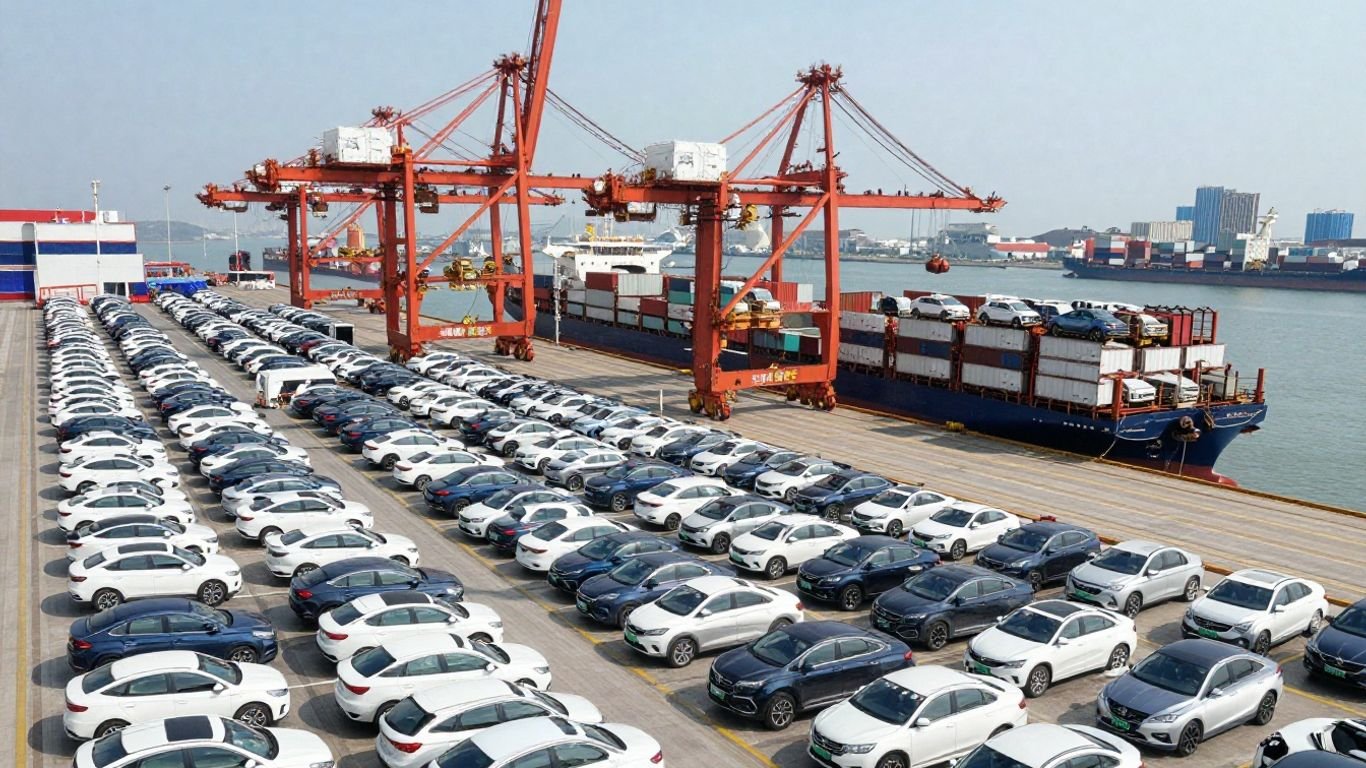
It’s pretty wild to see how China’s car companies have gone from just making cars for themselves to absolutely flooding the global market. For years, we heard about their massive production capacity, and now it’s really showing. They’ve been steadily climbing the ranks, and in 2023, they actually passed Japan to become the world’s biggest car exporter. That’s a huge shift in the global automotive industry trends. It wasn’t that long ago that Chinese cars were mostly seen in developing countries, but that’s changing fast. We’re talking about millions of vehicles heading out every year. It’s a big deal for international car sales statistics.
Overtaking Established Powers
This isn’t just a small bump; it’s a fundamental change. For decades, the same old players dominated the scene. Now, China’s automobile manufacturing expansion is undeniable. They’re not just selling more cars; they’re selling them everywhere. Think about it: they’ve gone from being a bit player to the top dog in exports in just a few years. This rapid rise means established automakers in places like Germany, Japan, and South Korea are feeling the heat. It’s a whole new ballgame out there.
The sheer scale of China’s automotive production is staggering. They’ve built up an industrial base that can churn out vehicles at a pace few others can match. This isn’t just about quantity, though; the quality and technology are improving rapidly, making their cars more competitive than ever before. The focus on electric vehicles has also given them a significant edge in a rapidly evolving market.
A New World Order in Auto Manufacturing
We’re witnessing a real shift in who’s calling the shots in car manufacturing. China’s strategy has been pretty effective. They’ve got the production lines running, they’ve got the technology, and they’re pushing their vehicles out the door. It’s a clear sign that the old guard isn’t guaranteed to stay on top forever. The landscape of global car sales is being redrawn right before our eyes. This whole situation is definitely something to keep an eye on as things continue to develop. China’s exports are projected to keep growing, which is a big deal for global automotive industry trends.
The Floodgates Open: China’s Export Strategy
Massive Production Capacity Unleashed
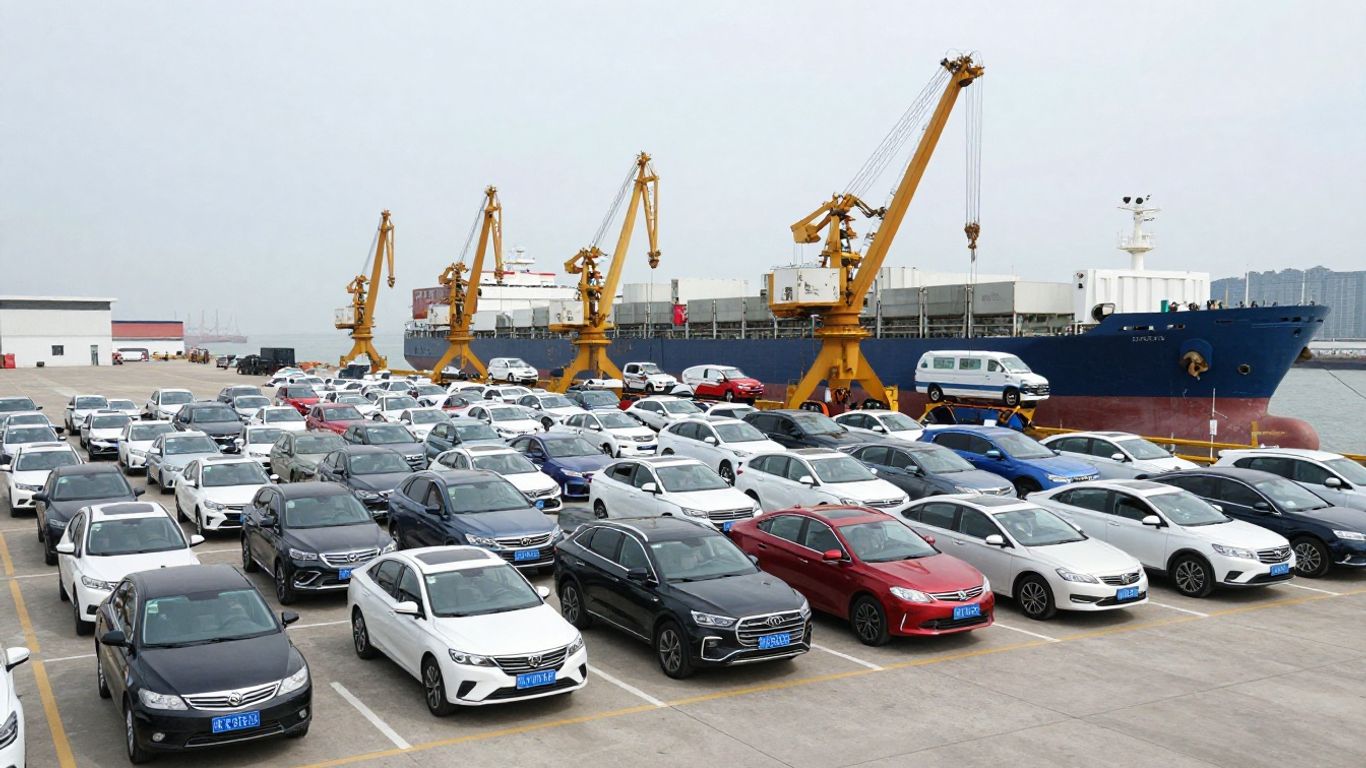
China’s car manufacturers have been busy. Really busy. They’ve built up enormous factories, churning out vehicles at a rate that frankly, even a few years ago, seemed impossible. It’s not just about making cars for themselves anymore; they’ve got this massive capacity, and they need to sell them somewhere. This sheer volume is a big reason why Chinese auto exports are suddenly everywhere. It’s like they decided to go all-in on making cars, and now the world is seeing the results. They’ve got the factories, they’ve got the workers, and they’re ready to ship.
Low-Cost Advantage Fuels Global Reach
One of the main draws for buyers outside of China is the price. These cars are often significantly cheaper than what you’d find from established brands. This isn’t some accident; it’s a deliberate strategy. By keeping production costs down, they can offer vehicles at prices that are hard to beat. This cost advantage makes them super attractive, especially in markets where people are looking for a good deal. It’s a simple equation: lower prices mean more sales, and they’re definitely selling.
Strategic Market Penetration
China isn’t just dumping cars randomly. They’re being smart about where they send them. They’ve identified markets where their cars can make a real impact, often starting with places that are more open to new brands or where the existing options are expensive. It’s a calculated approach to gain a foothold and build from there. They’re not afraid to try different tactics to get their vehicles in front of buyers. It’s about finding the right spots and making a strong entrance.
The sheer scale of China’s manufacturing capabilities means they can afford to be aggressive on price and volume. This isn’t just a temporary surge; it looks like a fundamental shift in how global car markets operate.
Here’s a look at some of the top destinations for these exports:
- Russia
- Latin America
- Middle East
- Southeast Asia
This expansion is happening fast, and it’s changing the game for everyone involved in the automotive world. It’s a big deal for Chinese auto exports and the global economy.
Key Markets Embracing China’s Vehicles
Russia: A Crucial Foothold
Russia has become a really important market for Chinese car companies. After a lot of Western brands packed up and left, Chinese automakers stepped right in. It’s pretty wild how quickly they filled the gap. Now, more than half the cars imported into Russia come from China. It’s a clear win for them, especially with the ongoing situation in Ukraine. They’re shipping in hundreds of thousands of vehicles, making Russia their top customer country by a long shot. It just goes to show how quickly things can change in the global market.
Latin America’s Growing Appetite
Across Latin America, there’s a noticeable increase in Chinese car sales. These brands are finding a good reception, especially in places like Brazil. They’re offering vehicles that seem to hit the sweet spot for many buyers in these regions. It’s not just about the price, though that’s a big factor. People are starting to see these cars as a solid choice for their daily needs. It’s a big shift from how things used to be, and it’s happening pretty fast.
Middle East’s Electrification Drive
The Middle East is another area where Chinese cars are making serious inroads, particularly in the electric vehicle (EV) space. As countries in this region push to electrify their transport, Chinese brands are right there with competitive options. They’re known for offering good value, which is a big draw. It seems like the push for cleaner energy is opening up a lot of doors for these manufacturers. It’s interesting to see how quickly they’ve adapted to this trend and are becoming a go-to for buyers looking for EVs.
The shift in global automotive markets is undeniable. Chinese brands, once primarily focused on their domestic turf, are now aggressively expanding their reach. This isn’t just about selling more cars; it’s about reshaping the competitive landscape and challenging established players on their home turf. The speed and scale of this expansion are something to watch closely.
Here’s a look at some of the key markets:
- Russia: Became the number one market for Chinese auto exports, largely due to Western companies exiting.
- Latin America: Shows a growing demand for Chinese vehicles, with Brazil being a significant player.
- Middle East: Embracing Chinese EVs as part of its electrification efforts.
These are prime examples of emerging car markets for Chinese brands, showing a clear trend of acceptance and growth.
The Electric Vehicle Offensive
Dominance in New Energy Vehicle Exports
It’s pretty clear that China isn’t just playing catch-up in the auto world anymore, especially when it comes to electric vehicles. They’ve really gone all-in on this technology. We’re seeing their electric car exports just skyrocket. Between 2019 and 2023, it’s like they went from zero to a hundred, with exports increasing by about 160 times. Seriously, by 2023, almost 58 percent of all the EVs made globally came out of China. That’s a massive chunk of the market, and it shows they’re not messing around. This isn’t just a small trend; it’s a fundamental shift in who’s leading the charge in automotive manufacturing. The sheer volume they’re producing is staggering, and it’s changing the game for everyone else.
BYD’s Strategic Freighter Fleet
One of the most interesting moves China has made is how they’re shipping these EVs. Take BYD, for example. They’ve actually started using their own car carriers, these massive ships designed specifically to haul vehicles. It’s a pretty smart way to control the whole process, from factory to port. They’ve got several of these freighters now, and they’re not just for show; they’re actively moving cars to different markets. This kind of vertical integration, controlling both production and logistics, gives them a real edge. It means they can probably get their cars to customers faster and maybe even cheaper than competitors who have to rely on third-party shipping companies. It’s a bold strategy that shows they’re thinking long-term about their global expansion.
Global EV Market Disruption
So, what does all this mean for the rest of the world? Well, it’s causing a bit of a stir, to say the least. Chinese EV makers are flooding markets with cars that are often cheaper and packed with the latest tech. This puts a lot of pressure on established automakers, especially in Europe and North America, who are struggling to keep up with the pace and cost. We’re seeing price wars start to heat up, and it’s making consumers happy with more affordable options, but it’s definitely making things tough for the old guard. It feels like a real shake-up is happening, and it’s all thanks to China’s aggressive push into the EV space. The impact is undeniable, and it’s reshaping the entire automotive landscape.
The sheer scale of China’s electric vehicle production and export strategy is undeniable. Their control over the supply chain, particularly for batteries, combined with aggressive market penetration and innovative logistics like dedicated shipping fleets, has created a formidable competitive advantage. This is forcing a global reevaluation of manufacturing costs and market dynamics in the automotive sector.
Here’s a look at how China’s EV sales have been trending:
- 2021: 3.52 million NEVs sold
- 2022: Significant growth continued, with Chinese brands accounting for a large portion of global sales.
- 2023: Exports surged dramatically, solidifying China’s leading position.
This rapid growth is partly fueled by government support and massive investment in battery technology and manufacturing. It’s a strategy that’s clearly paying off, as seen in the recent sales figures. For instance, April 2026 saw a strong resurgence in electric and plug-in hybrid sales, indicating continued demand [1b05].
It’s also worth noting the cost advantage. Reports suggest Chinese carmakers can build an EV for significantly less than their Western counterparts, partly due to lower R&D, capital spending, and labor costs. This cost difference is a major factor driving their global competitiveness. The dominance of the EV battery supply chain, with China controlling a huge percentage of global production and refining capacity for key materials like lithium and cobalt, is a huge part of this equation [4ad0].
Joint Ventures: A Shifting Export Landscape
Early Reluctance to Export
For a long time, the whole joint venture thing in China’s auto industry was mostly about bringing foreign tech and money in, not so much about sending cars back out. Think of it like this: foreign companies wanted a piece of the massive Chinese market, and Chinese partners wanted to learn the ropes. The idea of these joint operations actually exporting cars in a big way? That wasn’t really on the table for ages. Sharing profits, especially 50/50, with a partner for sales outside of China just didn’t seem like a good deal when there was so much demand domestically. It was all about building up the local market first.
Adapting to Global Demand
But things change, right? As Chinese companies got stronger and the domestic market got crowded, they started looking outwards. Suddenly, exporting wasn’t just a nice-to-have, it became a necessity for growth. This meant joint ventures had to rethink their whole setup. They started seeing the potential for their vehicles on the world stage. It was a slow shift, but you could see it happening. Companies that were once focused only on China began to explore opportunities elsewhere, realizing their manufacturing capabilities could serve a wider audience. This pivot was key to their international expansion.
The Rise of Export-Focused Production
Now, we’re seeing a real change. Some of these joint ventures are actually setting up production lines specifically for export. It’s not just about selling off excess capacity anymore. They’re building cars with global markets in mind from the start. This is a big deal because it means they’re not just relying on the "pure export" model that’s common now. They’re getting more serious about building a global presence, much like established automakers have done for decades. It’s a sign that China’s auto industry is maturing and becoming a serious player on the world stage. In 2025, exports from these foreign and joint venture brands alone were close to a million units, showing this trend is already in motion [ac54].
- Shift from domestic focus to international ambition.
- Profit-sharing models are being re-evaluated for export markets.
- Production strategies are evolving to meet global needs.
The old way of thinking, where joint ventures were just about serving China, is fading fast. Now, these partnerships are becoming engines for global sales, forcing a rethink of how cars are made and sold worldwide.
Trade Tensions and Shifting Alliances
Tariffs and Restrictions Encountered
It’s getting pretty clear that not everyone is rolling out the red carpet for Chinese cars. The United States, for one, has put up some serious roadblocks. We’re talking about hefty tariffs, like that 27.5 percent tax on cars made in China. And it doesn’t stop there. President Biden’s policies, like the Inflation Reduction Act, seem designed to give a boost to electric vehicles and batteries made right here in North America. It feels like a deliberate move to keep Chinese automakers at bay. Even politicians from both sides of the aisle seem to agree that China’s auto industry poses a threat. There’s even talk about blocking Chinese cars exported from places like Mexico, which is a pretty bold move to protect our own car companies. It’s a tough situation, and it shows how complicated things are getting on the global stage.
Geographic Diversification of Exports
Because of all these hurdles, especially in places like the US, Chinese car companies are looking elsewhere. They can’t just put all their eggs in one basket, right? So, they’re really pushing into markets where they see more opportunity. Think about Russia, for example. After Western companies pulled out, Chinese brands stepped in pretty quickly to fill the void. Latin America is another big one, with countries there showing a real interest in affordable vehicles. The Middle East is also a growing market, particularly for electric models. It’s smart business, really. If one door closes, you find another one that’s open. This shift shows they’re adaptable and not afraid to explore new territories. It’s all about finding places where their cars can compete without facing the same level of resistance.
Navigating Protectionist Measures
Look, it’s no secret that some countries are getting nervous about China’s growing auto industry. They’re putting up walls, like tariffs and special rules, to try and slow things down. The US, for instance, has been pretty vocal about concerns over ‘overcapacity,’ which some folks see as just an excuse for protectionism. They’re worried about American jobs and industries. Then there are issues like the Uyghur Forced Labor Prevention Act, which has led to blocked imports. It’s a complex web of regulations and political posturing. Chinese companies have to be really careful and strategic about how they enter new markets. They need to understand the local rules and try to work within them, or find ways around them if possible. It’s a constant balancing act, trying to grow while dealing with these protectionist measures. It makes you wonder what the future holds for global trade in the auto sector.
Chinese Brands Leading the Charge
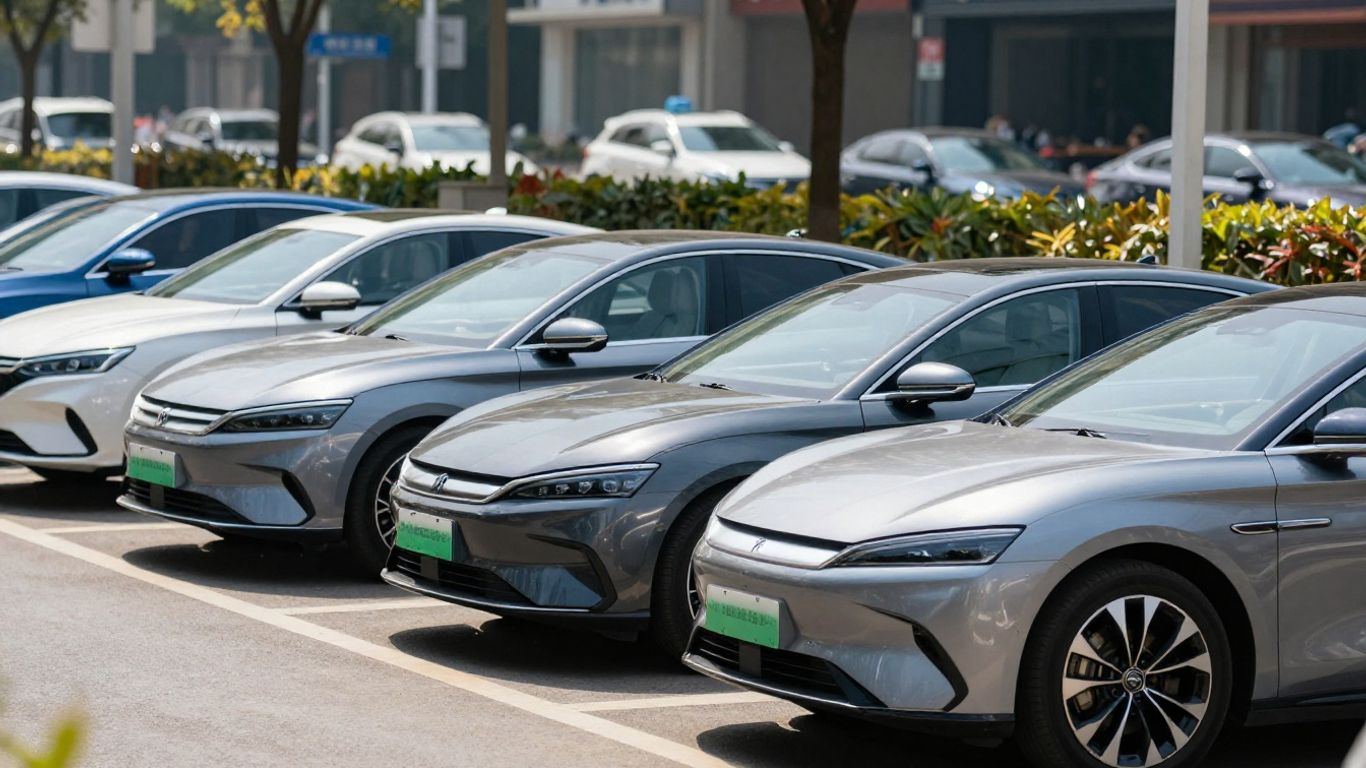
It’s pretty wild how quickly Chinese car brands have gone from being a minor player to a serious force on the global stage. For years, we heard about joint ventures and foreign companies setting up shop in China, but that’s really flipped. Now, it’s the Chinese brands themselves that are making waves, especially with their exports. They’ve figured out how to build cars that people actually want, and they’re selling them everywhere.
Chery’s Export Dominance
Chery is a name you’re going to see a lot more of. They’ve been quietly building up their export numbers, and it’s paying off. They’ve really leaned into selling their vehicles in markets that maybe the big Western brands overlook or don’t prioritize as much. It’s a smart move, honestly. They’re not just selling a few cars here and there; they’re becoming a top exporter.
BYD and Changan’s Global Footprint
Then you have BYD and Changan. BYD, in particular, has been a powerhouse, especially with their electric vehicles. They’re not just selling cars; they’re shipping them out on their own massive car carriers. That’s a big statement. Changan is also pushing hard, grabbing market share in places that used to be dominated by established names. It shows they’re serious about competing everywhere.
Great Wall Motor’s International Presence
Great Wall Motor (GWM) is another one that’s been steadily expanding. They’ve got a range of vehicles, and they’re finding buyers across different continents. It’s not just about one or two popular models; they’re building a broader presence. This kind of growth doesn’t happen by accident. It takes a lot of planning and a willingness to adapt to what buyers want in different parts of the world. They’re proving that the ‘Made in China’ label on a car doesn’t mean what it used to.
Here’s a look at how some of the top Chinese brands have been doing in terms of exports:
| Rank (2025) | 2025 Exports | 2024 Exports | 2023 Exports |
|---|---|---|---|
| 1 | Chery (1,344,000) | Chery (1,144,000) | SAIC (1,090,000) |
| 2 | BYD (1,054,000) | SAIC (929,000) | Chery (925,000) |
| 3 | SAIC (950,000) | Changan (536,000) | Geely (408,000) |
| 4 | Changan (637,000) | Geely (532,000) | Changan (358,000) |
| 5 | Geely (606,000) | GWM (453,000) | Tesla (344,000) |
| 6 | GWM (506,000) | BYD (433,000) | GWM (316,000) |
The success of these brands isn’t just about low prices, though that’s certainly a factor. They’re also investing heavily in technology, especially in electric vehicles, and building out their supply chains. This allows them to be more agile and responsive to market demands than some of the older, more established companies.
It’s clear that these Chinese automakers are playing the long game. They’re not just looking to sell a few cars in new markets; they’re building brands and establishing a real foothold. This shift is changing the entire automotive landscape, and it’s something we’ll be watching closely. It’s a big deal for the future of driving, and frankly, it’s a bit of a wake-up call for the old guard. We’re seeing a real transformation in global auto manufacturing, and these Chinese brands are right at the forefront of it. It’s a fascinating time to see how this plays out, especially as they continue to push into more developed markets. The competition is definitely heating up, and it’s good for consumers to have more choices. It’s also interesting to see how companies like Microsoft are looking to acquire AI startups to bolster their own capabilities, showing how technology is changing every industry, including cars. Microsoft’s AI strategy
The ‘Made in China’ Label Goes Global
From Emerging Markets to Established Nations
It wasn’t that long ago that cars rolling off Chinese assembly lines were mostly destined for domestic roads, or perhaps a few developing nations. But things have changed, and fast. Now, you see Chinese brands popping up everywhere, from the streets of Moscow to the showrooms of Latin America. It’s a pretty big shift from where they started. The ‘Made in China’ label on a car is no longer a sign of a budget option; it’s becoming a mark of serious competition. They’ve figured out how to build cars that people actually want, not just cars they can afford.
The Haval H6 Phenomenon
Take the Haval H6, for instance. This SUV has become a real hit in many markets. It’s not just about being cheap; it offers a decent package of features and looks that appeal to a lot of buyers. It’s a prime example of how Chinese automakers are moving up the value chain. They’re not just copying anymore; they’re innovating and creating vehicles that can stand toe-to-toe with established players. This success isn’t accidental; it’s the result of years of investment and a clear strategy to compete on a global scale. The sheer volume of Chinese auto exports is staggering, with June 2025 alone showing a significant year-over-year increase. [dc1a]
MG ZS: A Top Export Model
Another standout is the MG ZS. This compact SUV has found a massive audience, proving that Chinese brands can capture significant market share even in crowded segments. It’s a testament to their ability to adapt quickly to market demands and consumer preferences. The strategy seems to be working, as these vehicles are increasingly seen not just in emerging economies but also making inroads into more developed countries. It’s a sign that the global automotive landscape is really being reshaped by these new players.
The rapid ascent of Chinese vehicles globally is a complex story, involving massive production capabilities, aggressive pricing, and a growing focus on technology, especially in the electric vehicle sector. This isn’t just about selling more cars; it’s about building brands and challenging the old guard.
Here’s a look at some key export successes:
- Haval H6: A consistent performer, especially in SUV segments.
- MG ZS: Popular for its blend of features and affordability.
- BYD Atto 3 (Yuan Plus): Gaining traction in EV-focused markets.
- Geely Coolray: Another compact SUV making waves internationally.
It’s clear that the global automotive industry is undergoing a major transformation, and China is at the forefront of this change. The question now is how established automakers will respond to this growing challenge. [cb1d]
Challenges and Future Trajectories
Look, China’s car companies have made some serious moves on the global stage, no doubt about it. They’ve gone from being a bit player to a major force, especially with their electric vehicles. But let’s be real, it’s not all smooth sailing from here. There are definitely some bumps in the road ahead.
Operating Model Maturity
One thing that’s becoming clear is that while they can build cars fast and cheap, the whole long-term support and service side of things is still catching up. Think about it: when you buy a car, you want to know you can get it fixed easily, right? For a lot of these brands, especially in new markets, that dealer network and repair infrastructure just isn’t there yet. It’s a big hurdle for building lasting customer loyalty.
- Building a reliable after-sales service network.
- Ensuring parts availability across different countries.
- Training local technicians to service complex vehicles.
The rapid expansion has put a strain on the support systems needed to keep customers happy long-term. It’s one thing to sell a car, another to support it properly for years.
Intensifying Global Competition
It’s not just China anymore. The established automakers, the ones who have been around for decades, aren’t just going to roll over. They’re fighting back, especially in the EV space. Plus, you’ve got other countries and companies looking to get in on the action. It’s going to get crowded out there, and price wars might become more common.
The Road Ahead for China’s Auto Exports
So, what’s next? Well, expect more focus on quality and maybe even some premium offerings. They’ll likely keep pushing EVs hard, but they’ll also need to figure out how to deal with all the new rules and tariffs popping up. Diversifying markets is key, so they aren’t too reliant on any one place. It’s a complex game, and China’s ability to adapt will determine its long-term success. We’ve already seen them become the world’s largest car exporter, surpassing Japan in 2024, so they’ve shown they can adapt [14a3]. But the landscape is always changing, and staying on top requires constant effort and smart decisions.
The Belt and Road Initiative’s Role
Boosting Automobile Exports
It’s pretty clear that China’s big infrastructure plan, the Belt and Road Initiative (BRI), has really helped their car companies sell more vehicles overseas. Countries that are part of this whole BRI deal seem to be buying almost twice as many Chinese cars compared to places that aren’t involved. It’s like a built-in market, you know?
Connecting China’s Auto Industry to the World
This whole initiative isn’t just about building roads and ports, though that’s a big part of it. It’s also about making it easier for Chinese goods, including cars, to get to new customers. Think about it: better shipping routes, fewer trade barriers, and generally more connections mean more opportunities for Chinese automakers to show up in places they might not have reached before. It’s a strategic move to expand their reach.
Infrastructure and Trade Facilitation
When you look at the numbers, it’s pretty striking. The BRI seems to have directly impacted export volumes. For instance, a study showed that BRI member countries received significantly more Chinese auto exports than non-members. This isn’t just a coincidence; it’s a result of deliberate efforts to improve logistics and trade agreements. It makes sense that if you’re investing in infrastructure to connect countries, trade naturally follows. We’re seeing a real shift in global auto markets because of this. It’s not just about making cars anymore; it’s about getting them everywhere.
The Belt and Road Initiative is fundamentally changing how Chinese vehicles enter the global market. By improving infrastructure and trade links, China is creating new pathways for its automotive industry to expand its footprint internationally, especially in developing regions.
Here’s a look at how BRI countries have been taking in Chinese auto exports:
| Year | BRI Country Exports (Estimated) |
|---|---|
| 2020 | 746,250 |
| 2021 | 1,511,250 |
| 2022 | 2,333,250 |
| 2023 | 3,915,000 |
This trend shows a clear upward trajectory, directly correlating with the expansion and deepening of the Belt and Road Initiative. It’s a powerful example of how large-scale economic projects can reshape international trade dynamics. The impact is particularly noticeable in regions like Southeast Asia, where Chinese EVs are gaining a strong foothold. It’s a game-changer for the global automotive landscape, and it’s happening right now. We’re seeing a real shift in global auto markets because of this. It’s not just about making cars anymore; it’s about getting them everywhere. The impact of this initiative on countries like Indonesia, for example, shows how trade patterns can change dramatically after involvement in the BRI [bcce].
What’s Next for Chinese Cars?
So, it looks like Chinese cars are really making a splash out there. They’re selling a ton of them, not just in places you might expect, but all over the world. It’s kind of wild how fast this has happened. We’ve seen them go from selling mostly at home to being the biggest car exporters out there, beating out countries that have been doing this for ages. They’re pushing electric cars hard, and it seems like their prices are hard to beat. Other countries are starting to notice, putting up some walls with tariffs and stuff, especially for the electric ones. But China just keeps churning them out and finding new places to sell them, like Mexico and Brazil. It’s a big shift, and honestly, it makes you wonder what this means for car companies here and in other Western countries. They’ve got a lot of production, and they’re not slowing down.
Frequently Asked Questions
Why are Chinese cars suddenly appearing everywhere?
China has become a manufacturing powerhouse, producing a huge number of cars. They are now selling many of these cars to other countries because they can make them cheaply and have more than enough to sell.
Are Chinese cars good quality?
Many Chinese car brands are improving quickly, especially with new technology like electric cars. They offer good value for the money, which is why people in many countries are starting to buy them.
Which countries are buying the most Chinese cars?
Countries like Russia, Mexico, and Brazil are buying a lot of Chinese cars. They are also becoming popular in the Middle East, especially with the growing interest in electric vehicles.
Are electric cars a big part of China’s car exports?
Yes, electric cars, often called ‘new energy vehicles,’ are a huge focus for China’s car exports. They are making many of these and selling them worldwide, even with new trade rules in places like the US and EU.
Did Chinese car companies always export a lot?
Not really. For a long time, Chinese car companies focused mostly on selling cars in China. It’s only in recent years that they’ve started exporting in big numbers, especially as their production grew and they got better at making electric cars.
Are there any problems with China selling so many cars abroad?
Some countries are worried about too many Chinese cars coming in, especially electric ones, and are putting up extra taxes or rules. China is also facing more competition from other car companies around the world.
What are some of the most popular Chinese car brands being exported?
Brands like Chery, BYD, Changan, and Great Wall Motor are selling a lot of cars overseas. Even though Tesla is an American company, it also makes many of its cars in China for export.
How does China’s ‘Belt and Road Initiative’ help car exports?
This initiative helps build roads, ports, and trade routes. This makes it easier and cheaper for Chinese cars to be shipped to other countries and connects China’s car industry to the rest of the world.